What NICET Certification Really Means in Fire Protection
What NICET Certification Really Means in Fire Protection is a question many facility owners, managers, and contractors ask right before a fire system project gets real. Typically, NICET in fire protection is not just a “nice to have” line on a resume. It is a way to show that a technician can handle real inspections, design support, layout decisions, and system verification using accepted industry standards. So, when Kord Fire Protection technicians explain it to clients, they usually start with one simple point. Certification matters because it affects how reliably systems perform when it counts. And yes, that “when it counts” moment has a habit of arriving right on schedule, like a sitcom villain with perfect timing.
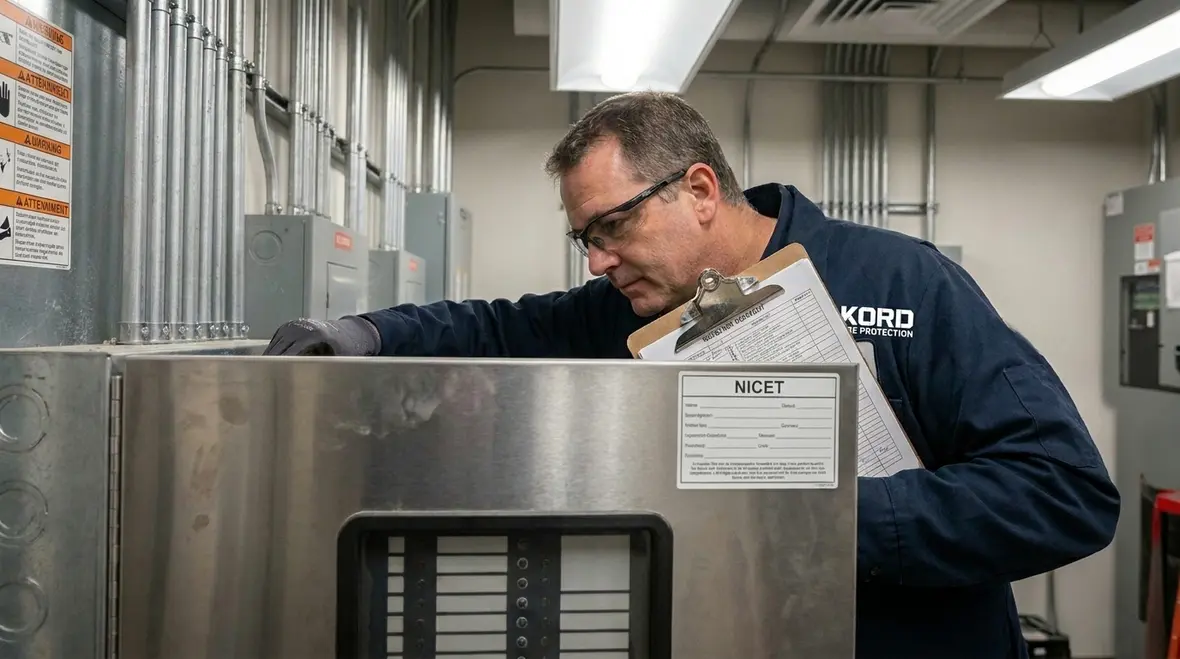
NICET certification, explained without the smoke
NICET certification generally means a person met documented experience and testing requirements in a specific fire protection field. It does not guarantee perfection, but it does raise the odds of consistent, correct work. In the field, Kord Fire Protection technicians often clarify this by comparing it to driving. Anyone can sit in a driver’s seat, but certification signals training and proven competence. That matters because fire protection work is not guesswork. It is planning, calculation, verification, and documentation that supports code compliance and safe operation.
Furthermore, the certification pathway usually aligns with the work people actually do, like inspection, testing, maintenance, and sometimes design support. As a result, building owners get more than a credential. They get a safer workflow backed by clear expectations and accountability. That practical focus lines up with how Kord approaches inspection, testing, and maintenance, where repeatable service steps matter more than impressive sounding promises.
Why clients notice the difference fast
Clients usually feel the difference in the first conversation. A certified technician tends to explain findings clearly, reference accepted processes, and avoid vague answers. Instead of shrugging at a deficiency, they describe what was checked, what condition it was in, and what action makes sense next. That sounds simple, but in fire protection, simple and clear is a beautiful thing.
Why the industry treats NICET like a quality signal
Fire protection failures rarely happen due to bad intentions. More often, problems come from skipped steps, unclear documentation, or a system that was installed “close enough.” NICET helps reduce that risk by pushing technicians to follow recognized knowledge standards. Therefore, a certified technician can better translate requirements into real-world execution.
In plain terms, NICET certification can influence how someone approaches these tasks. They interpret codes more consistently. They document properly. They understand system components and how they interact. And they can communicate findings in a way that supports fast decisions. If that sounds boring, that is because safety is not built on drama. It is built on repeatable processes, like following a trusted recipe instead of inventing a new sauce while the oven is already hot.
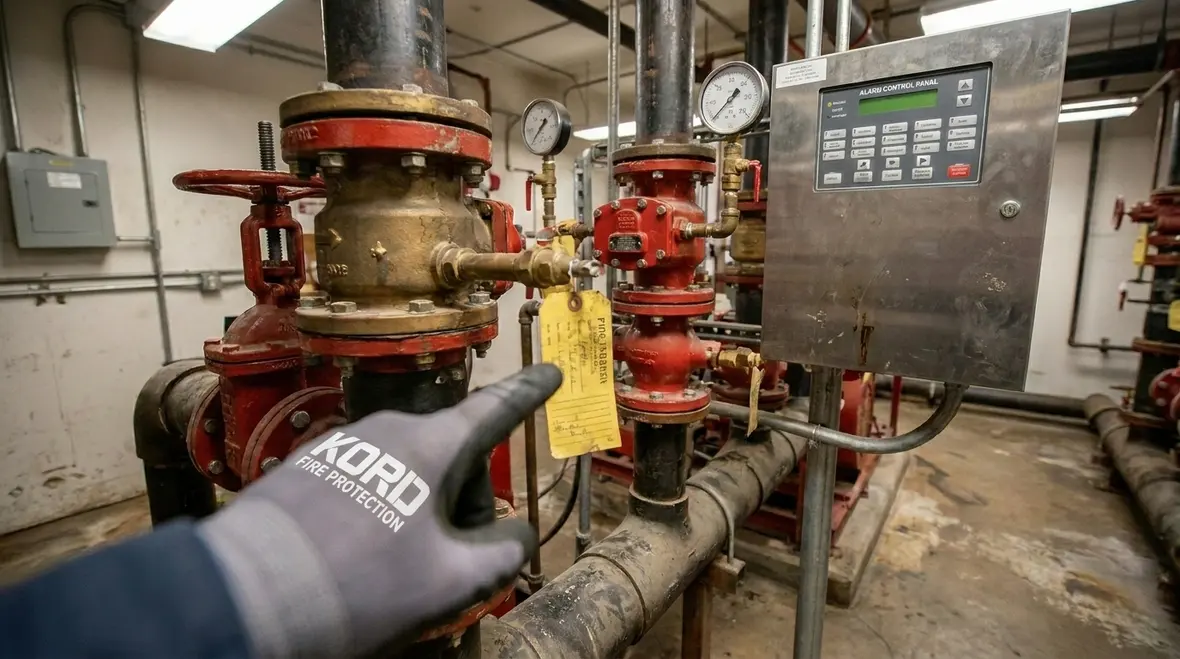
Consistency is the real flex
A lot of fire protection success looks uneventful on purpose. Systems are inspected. Reports are filed. Issues get fixed before they turn theatrical. That is exactly the point. Certification helps create a process where the most exciting outcome is that nothing exciting happens at all.
What NICET covers on real projects, not just in brochures
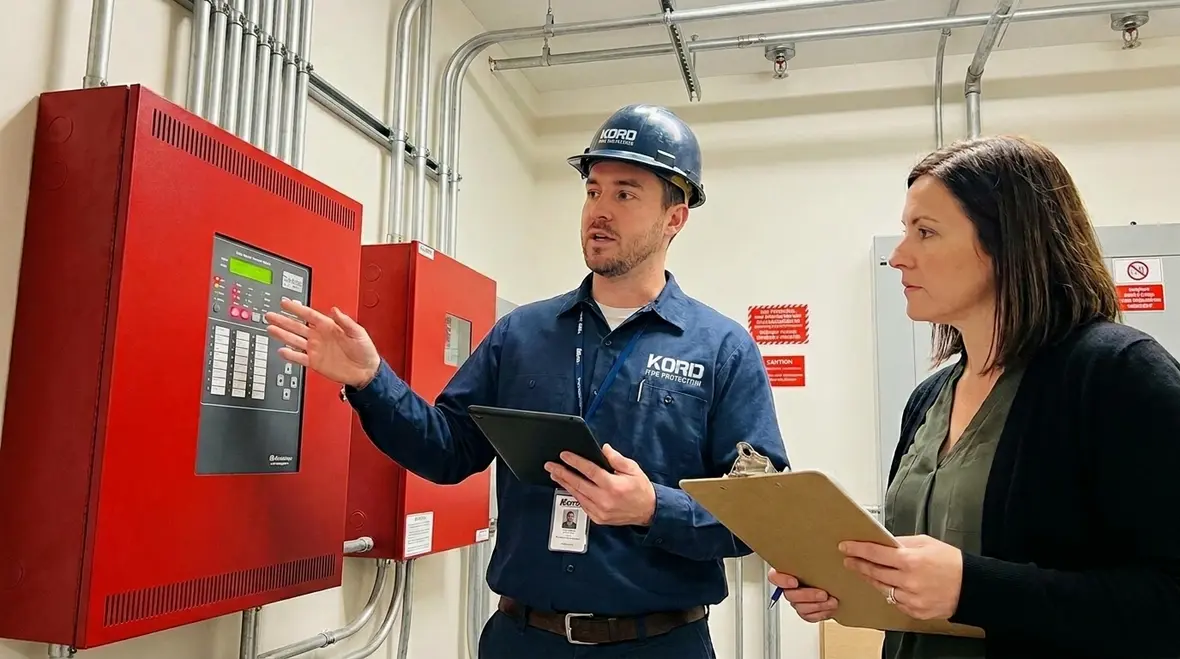
On active job sites, NICET certification tends to show up in day to day work. Kord Fire Protection technicians often explain how certification connects to practical duties, such as evaluating system conditions, verifying performance, and supporting corrective actions when something does not meet requirements. In addition, certified technicians understand that fire protection systems work as networks. If one part drifts out of spec, the whole system can underperform.
- Inspection and testing that follows a repeatable checklist, not a “vibes based” approach
- Documentation that can stand up to review and support facility decision making
- System understanding so technicians consider how valves, detection, and control features interact
- Code alignment so work matches the requirements that authorities and insurers expect
And when questions come up, certified technicians typically explain tradeoffs clearly. So instead of “It is fine,” the response becomes “Here is what we verified, here is what we found, and here is the safest next step.” That same mindset supports broader fire protection services where inspection, repair, and readiness need to work together instead of living in separate silos.
The work behind the credential
This is why owners should not treat certification like a decorative sticker. The value is in how it shapes the work. Better review habits, cleaner documentation, stronger verification, and fewer improvised decisions all add up. Nobody wants life safety handled like a group project where one person did the work and everyone else just nodded.
How NICET impacts inspections, upgrades, and ongoing maintenance
Many people think NICET only matters during installation. However, facilities live in the maintenance phase for years. That is where reliability becomes visible. When a technician holds relevant fire protection NICET credentials, they can help keep systems operating as designed. Meanwhile, ongoing service becomes easier to manage because documentation and findings follow expected standards.
For upgrades, certification also helps reduce friction. A facility team wants a clear plan, and a certified technician can outline what needs to change and why. They can also help prioritize repairs based on risk and compliance needs. Then the project moves forward with fewer surprises. In other words, it prevents the classic “We discovered it late” plot twist.
Maintenance is where trust gets tested
A new installation can look polished on day one. The harder question is what the system looks like after months and years of use, inspections, tenant changes, and routine wear. That is where certified, methodical service earns its keep. Reliability is not a launch event. It is a habit.
What it means for facility owners and contractors
From a business perspective, NICET in fire protection often influences hiring decisions and project confidence. It gives owners a yardstick for evaluating competence, especially when the scope involves life safety systems and strict code expectations. Additionally, contractors benefit because certified work reduces rework, improves audit readiness, and supports smoother coordination with other trades.
When Kord Fire Protection technicians talk with teams, they usually recommend focusing on fit, not just a badge. Owners should ask what the technician does day to day, which certification level matches the work, and how experience ties to the specific system type. Also, owners should request clear documentation and see examples of completed reports. If the goal is long term readiness, those questions matter more than a polished sales pitch and a firm handshake.
Dual view: jobsite reality vs. client expectations
To make it practical, here is a simple two column view of how NICET impacts both sides of the table. And yes, it is a rare moment where paperwork and safety actually meet in the middle.
Where certification pays off in the real world
For facility owners, that table translates into time saved, fewer avoidable surprises, and cleaner decision making. For contractors, it means less backtracking and better coordination. For everyone involved, it means the project has a stronger chance of feeling organized instead of haunted.
FAQ about NICET certification in fire protection
Final thoughts: choose competence that sticks
Fire protection is not the place to roll the dice, and NICET certification is one strong way to measure competence before the project begins. Kord Fire Protection technicians use certification standards to support better inspection quality, clearer documentation, and smoother upgrades. If a facility team wants fewer surprises, faster decisions, and safer systems, they should ask about relevant NICET credentials and how they connect to the specific work scope.
Near the end of any real project conversation, the next step should be practical. Review your system needs, compare service expectations, and work with a team that can support compliance and readiness over time. Kord’s full fire protection services provide a clear path for inspections, maintenance, upgrades, and support. Contact Kord Fire Protection to review needs and get a clear plan built for real life.

Join Our Newsletter!
Get the latest fire safety tips delivered straight to your inbox From our Newsletter.