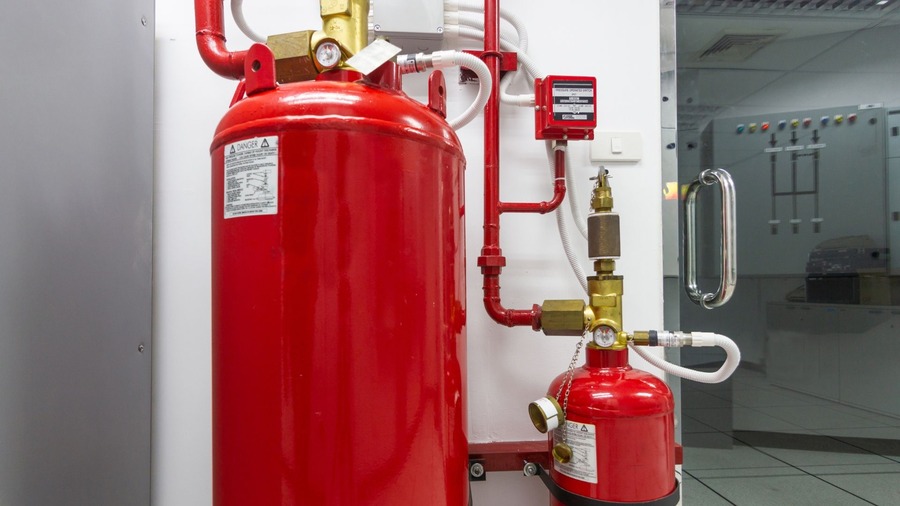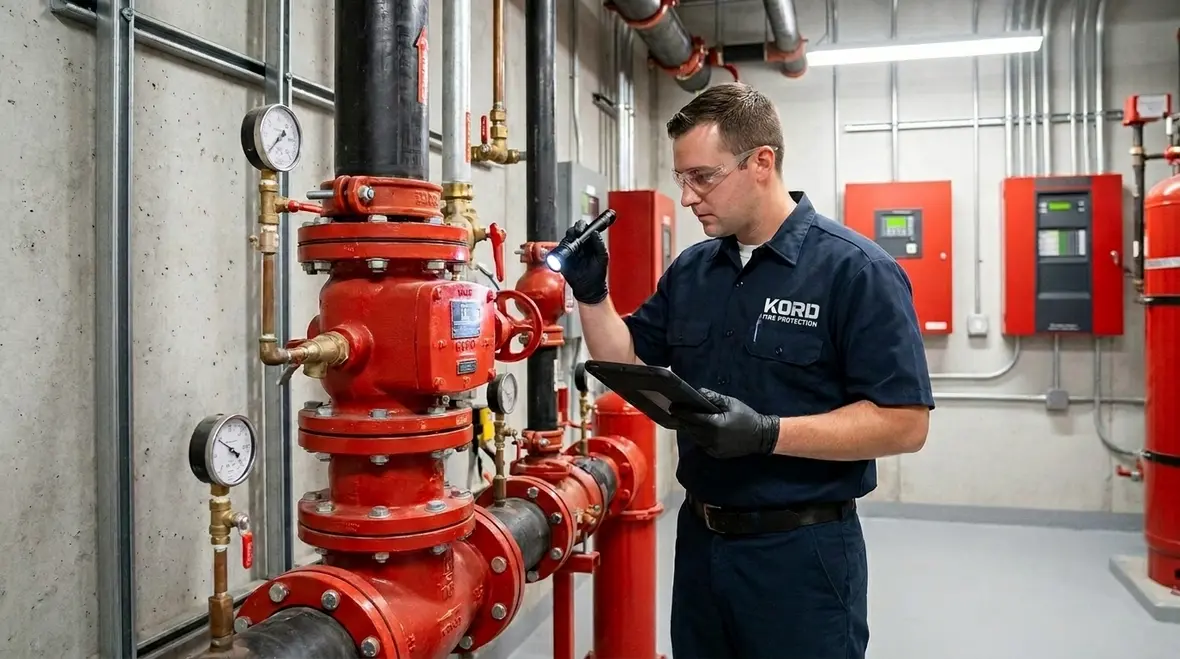
Maximizing Fire Suppression System Longevity with Kord Fire Protection
Maximizing fire suppression system longevity is not just a maintenance goal, it is a business protection plan. When commercial fire systems run longer, owners avoid costly downtime, reduce emergency repairs, and keep inspections smooth. And yes, the math usually works out better than the alternative, which is gambling with a system that does not get younger. In this article, Kord Fire Protection technicians explain practical steps that extend service life without turning your facility into a construction zone. From smart inspection habits to clean documentation, these actions help fire suppression equipment stay ready when it matters most.
Start with the right plan for commercial buildings
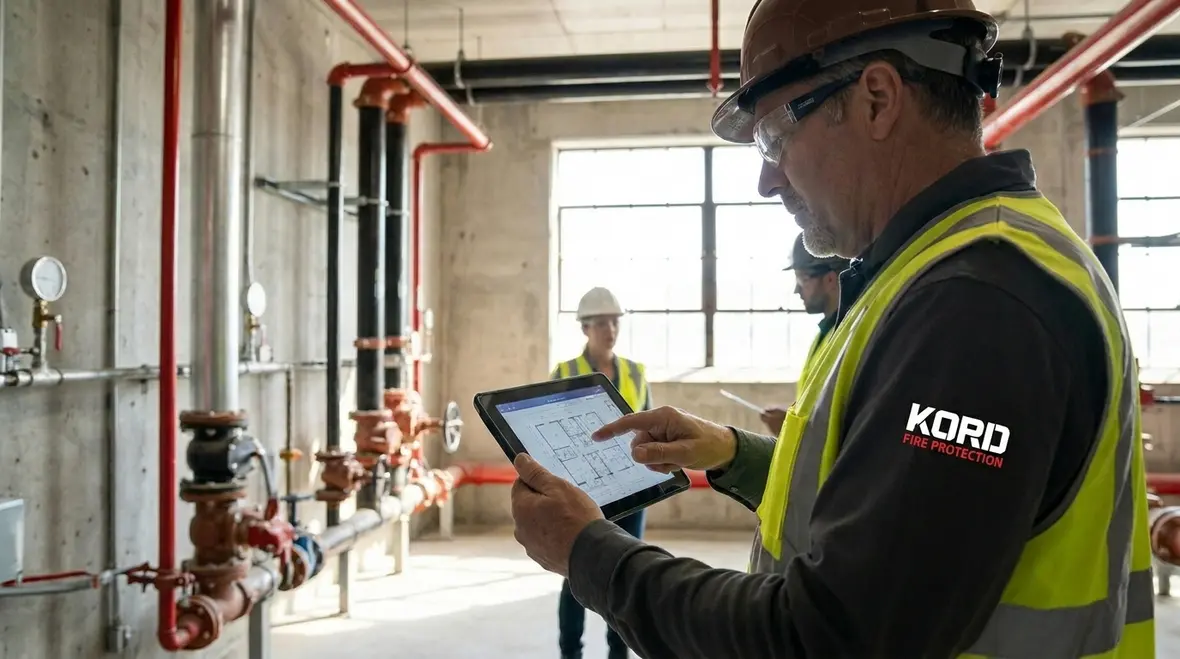
Commercial fire suppression systems live in the real world. They face dust, humidity, heat cycles, vibrations, and the occasional mystery spill that seems to appear overnight like a sitcom twist. Therefore, the first move is to match your maintenance plan to how your building actually behaves. Kord Fire Protection technicians advise facilities to review the system design, water supply, device locations, occupancy changes, and any past trouble spots.
Then they set a maintenance schedule that follows manufacturer guidance and local code requirements. For example, a warehouse with high ceiling airflow needs different attention than a medical office where dampness and frequent tenant fit outs are common. Next, a facility should assign ownership for recurring tasks. When one person handles everything, nothing gets missed for long. When tasks are scattered, small issues snowball. And small issues are the kind that love to become big ones.
A useful way to frame this is to think of the system as part equipment, part routine, and part building habit. If one of those pieces drifts, the whole setup starts aging faster than it should. A practical service plan can also pull in lessons from related inspection work, especially when sprinkler performance and alarm readiness overlap in day to day operations. Facilities that want a clearer picture of how inspection routines fit into long term protection can also review Kord Fire Protection’s wet sprinkler system inspection guide and compare those steps to their own maintenance habits.
Inspections that prevent wear, not just check boxes
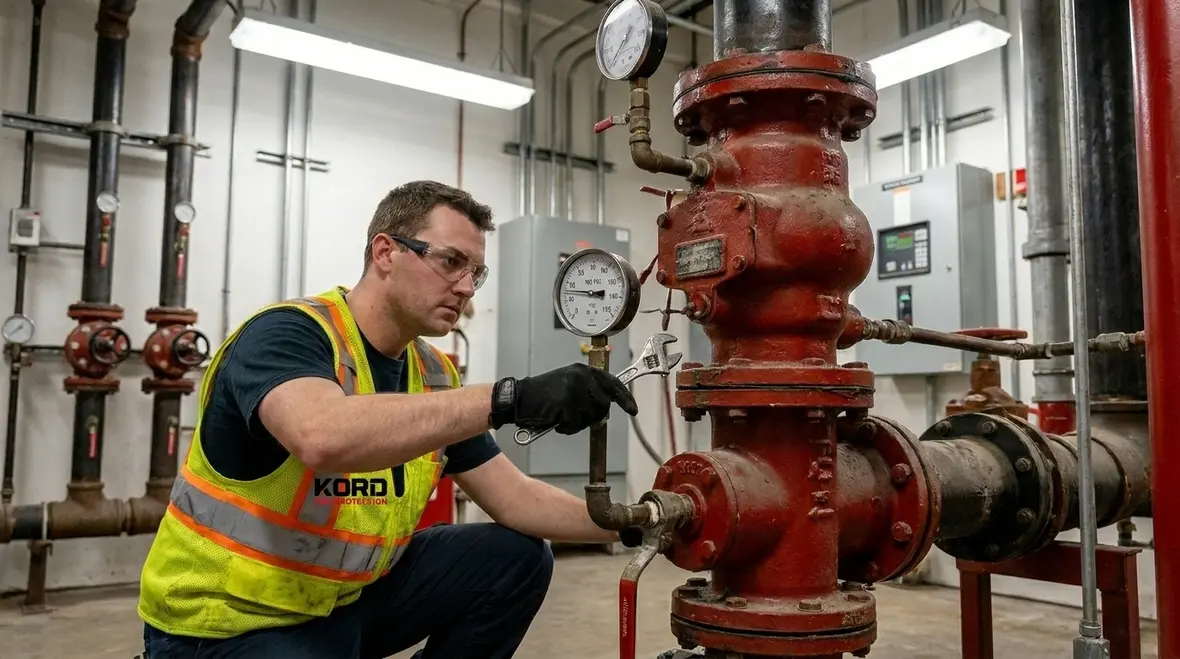
Routine inspections should do more than confirm that equipment exists. They should catch early signs of strain before components reach failure. Kord Fire Protection technicians typically focus on conditions that quietly reduce fire suppression system longevity. These include leaking fittings, corrosion on fasteners, pressure drops, clogged nozzles, or valves that move slowly due to residue and lack of exercise.
As a facility builds a history of inspection results, technicians can spot trends. For instance, if a specific zone repeatedly shows pressure loss, the cause often points to a recurring leak, aging seals, or a partially blocked line. Also, they verify tamper switches, gauge readings, and actuator function. In other words, they treat the inspection like a health check, not a stamp.
To keep it efficient, facilities can pair visual checks with targeted testing. That approach reduces downtime while still identifying the problems that wear systems down. It also gives decision makers better timing for repairs, which matters because the cheapest repair is often the one that happens before the failure picks a terrible time to become memorable.
What technicians watch for during repeat visits
- Minor leaks that suggest seals, fittings, or connections are slowly losing integrity
- Pressure inconsistencies that may indicate hidden restrictions or supply issues
- Residue and buildup around valves, nozzles, or controls that can interfere with movement
- Corrosion patterns that reveal whether moisture exposure is getting worse
- Access problems where stored materials, remodels, or ceiling changes make service harder than it should be
Maintenance routines that protect components longer
Every system has vulnerable parts. Sprinkler heads can collect debris. Valves can get sluggish. Pumps can suffer from poor lubrication or dry running. Therefore, maintenance should follow the component lifecycle, not a one size schedule. Kord Fire Protection technicians often recommend a mix of cleaning, functional checks, and replacement planning.
Key routines that extend service life include:
- Cleaning and clearing devices so airflow and flow paths stay open
- Checking valve movement so actuators do not seize during an emergency
- Verifying water supply health so the system does not rely on a weak link
- Testing pumps and controls so reliability stays consistent
- Correcting fit out impacts when new walls, racks, or ceilings change coverage
In addition, technicians pay attention to installation quality and rework history. If someone added temporary storage close to devices, or if a ceiling was replaced and disturbed sprinklers, the system may still “work” while silently degrading. That is how fire protection turns into a slow drama instead of a quick success story.
This is also where broader planning helps. A facility that coordinates sprinkler, alarm, extinguisher, and suppression maintenance through one provider usually gets better visibility into shared risks, fewer duplicated site visits, and faster follow through when a small issue in one system affects another. For teams comparing options, Kord Fire Protection’s full fire protection services page gives a useful overview of how that coordinated approach can simplify long term upkeep.
How to manage water, power, and airflow risks
Many failures are not from the suppression devices themselves. They happen upstream or around the system. Water chemistry, power stability, and ventilation can influence performance over time. Kord Fire Protection technicians emphasize that facilities should monitor these risk drivers because they affect how long components stay within safe operating conditions.
Water risks include mineral buildup, sediment, and corrosion. When waterlines sit stagnant, scale can form and reduce flow. Therefore, scheduled checks and proper flushing procedures matter.
Power risks include weak batteries, faulty wiring, and surge damage. Controls that reset unexpectedly can delay system readiness. Also, inconsistent power can lead to repeated stress on electronics.
Airflow risks include obstructions that block sprinkler coverage or create heat pockets around detection devices. If a facility changes layout, airflow behavior changes too.
To handle these issues, facilities benefit from consistent monitoring and rapid correction. That way, problems get treated early instead of waiting for a test that reveals failure during inspection season. It is not glamorous work, but neither is explaining to stakeholders why a preventable issue was allowed to mature into a full blown problem with paperwork attached.
Document everything for smoother compliance and fewer surprises
Strong documentation is underrated, mostly because it is not as fun as buying new equipment. However, it directly supports fire suppression system longevity. When technicians have clear records, they can schedule the right parts and avoid repeating work that already took place. Additionally, documentation helps facilities prove compliance during audits and helps new vendors understand what was done last time.
Kord Fire Protection technicians advise keeping the following in an organized file:
- Inspection dates, findings, and photo records where needed
- Testing outcomes, pressure readings, and alarm checks
- Repairs and part replacements with locations and serial numbers
- System changes due to remodels or tenant moves
- Any deviations from standard procedures and the reason why
Then they recommend reviewing the records at the start of each service cycle. If patterns show up, the plan can adjust. That is how a facility prevents repeat issues and keeps the system aging in slow motion, not in fast forward. Clean records also make handoffs easier when building managers, vendors, or maintenance leads change, which is important because no one enjoys inheriting a mystery novel disguised as a service log.
Train staff so small actions do not create big problems
Staff behavior affects fire suppression performance. A sprinkler system does not fail because someone turned a mop bucket the wrong way, but it can get damaged when people store materials near devices, paint over labels, or block access panels. Therefore, facilities should train staff on basic do’s and don’ts.
Kord Fire Protection technicians often encourage simple steps. For example, label clear access routes to valve rooms. Teach maintenance teams that protective covers should not be removed unless a qualified technician does it. Also, remind warehouse staff that ceiling modifications require a review of device placement.
When training includes why the system matters, people take it seriously. That tone can be business casual, not lecture mode. After all, most adults do not want a fire safety lecture. They want the workplace to function and pass inspections without drama. A brief refresher before seasonal changes, tenant improvements, or layout adjustments can prevent the kind of accidental interference that takes months to notice and minutes to regret.
FAQ
Conclusion: lock in a longer, calmer future
If commercial owners want real reliability, they should treat maintenance as a planned investment, not a last minute scramble. Kord Fire Protection technicians can help facilities build a schedule that matches building conditions, catches early wear, and keeps documentation ready for inspections. The result is stronger performance, fewer surprises, and a system that keeps doing its job without demanding center stage.
Near the end of the process, it also makes sense to review connected life safety systems and close any compliance gaps before they become scheduling headaches. For facilities that want a direct next step, explore Kord Fire Protection’s fire alarm service systems page and request a review that aligns alarms, suppression equipment, and long term service planning into one practical action plan.

Join Our Newsletter!
Get the latest fire safety tips delivered straight to your inbox From our Newsletter.