Elevator Phase I and II Testing Guide for Building Owners
Every commercial building has its quirks. Some creak, some groan, and if they’re old enough, some whisper secrets like a haunted mansion from a Scooby-Doo episode. However, there’s one thing that should never whisper when it malfunctions—your elevator. Enter the necessary, if not exactly glamorous, world of elevator Phase I and II testing compliance. It may not have the glitz of Hollywood, but in Los Angeles, it’s the kind of regulation that keeps people safe and buildings code-compliant.
If you’re a building owner or property manager, this one’s for you. With the help of the skilled technicians at Kord Fire Protection, who’ve explained these procedures with the clarity of a TED talk meets dad-joke energy, you’re about to understand things a whole lot better. Let’s bring you up to speed—without the elevator puns. (Okay, maybe just a few.)
Why Compliance With Reg 4 Elevator Testing Isn’t Optional (Seriously)
Imagine trying to talk your way out of a parking ticket. Now imagine that ticket being a twenty-thousand-dollar citation from the Los Angeles Fire Department. That’s what ignoring elevator Phase I and II testing compliance can lead to—not to mention putting occupant safety at risk, which gives “bad day at the office” a whole new meaning.
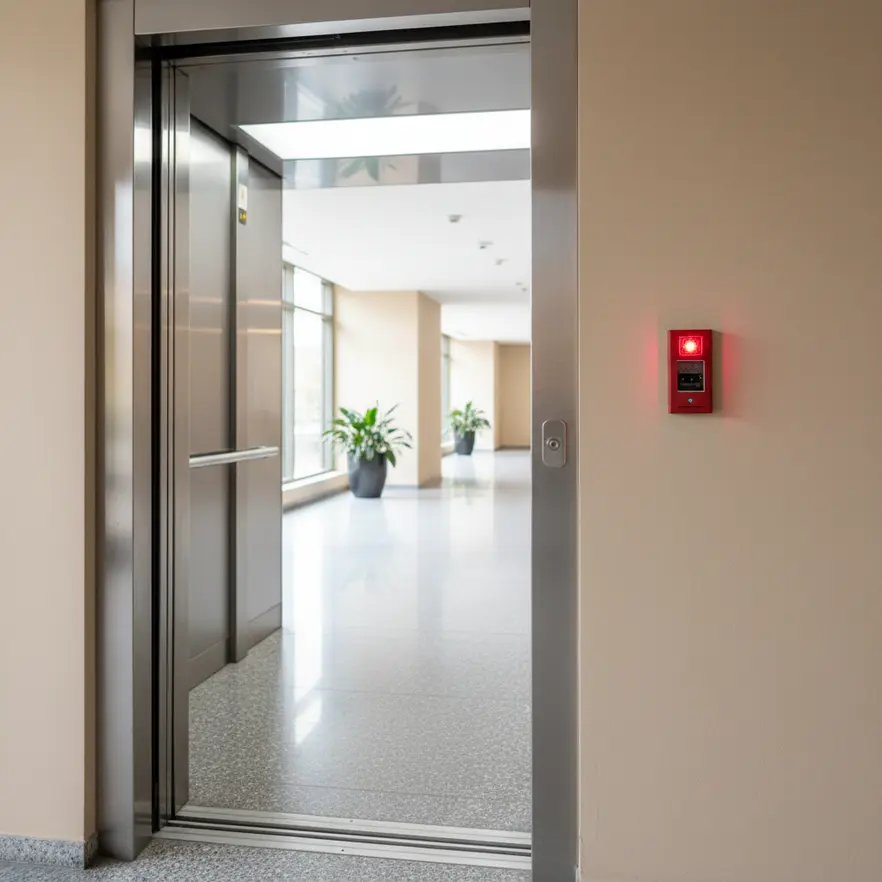
Regulation 4 is part of the LAFD’s fire safety program, which mandates regular testing of various life safety systems—including elevators—to ensure they operate correctly during an emergency like a fire. This isn’t a “check the box” kind of thing. It’s as serious as a server room overheating during finals week.
For elevator systems, this includes testing automatic recall functions, firefighter operations, and ensuring elevator cars don’t turn into rocket ships—or coffins—in the middle of a crisis. The bottom line? The goal is to make sure elevators respond in a life-saving, not life-endangering, way.
If Elevators Were Superheroes, Phase I is Their First Move
Now let’s get into the meat of it. Think of Phase I as the elevator’s way of saying, “Stay calm. I got this.” During a fire, the elevator automatically recalls to a designated floor (usually the ground level), opens its doors, and becomes unusable for occupants.
This action removes temptation from panicked individuals who think riding five floors during a blaze is a good idea. Spoiler: It’s not.
Here’s what Phase I testing includes:
- Automatic recall upon activation of the fire alarm
- Proper door functioning and floor indication
- Brake systems and communication features
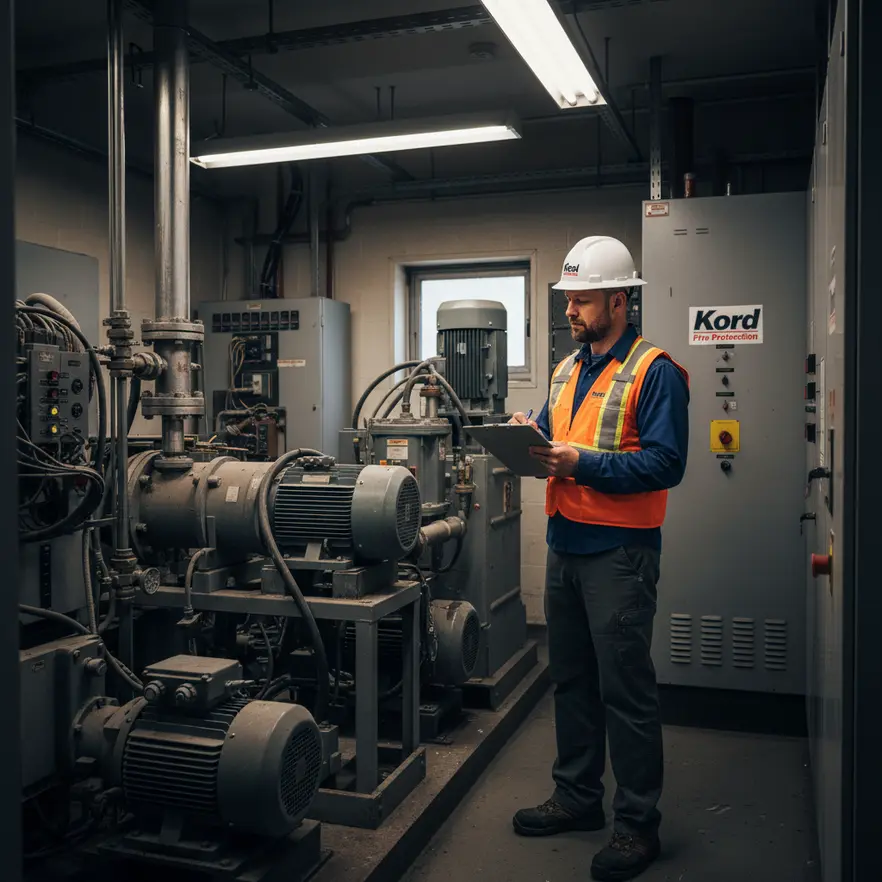
Technicians from Kord Fire Protection perform meticulous inspections to ensure every setting is dialed in. They’re like the Gordon Ramsay of elevator compliance… minus the yelling.
Phase II: When the Fire Department Joins the Ride
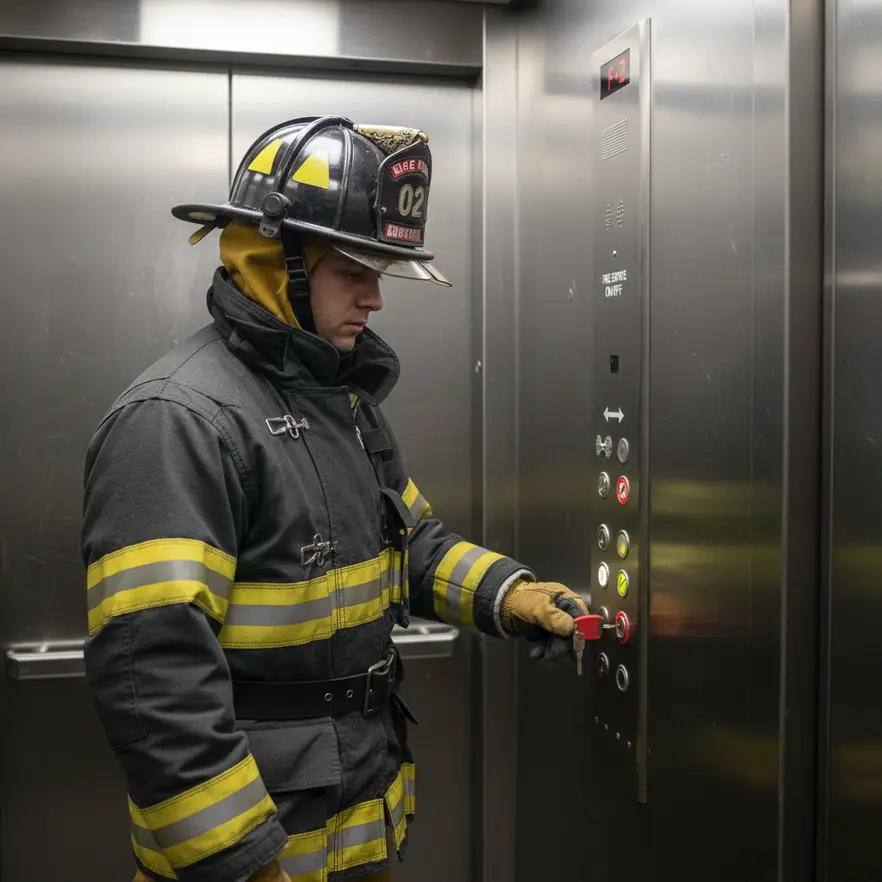
If Phase I is the elevator’s way of playing defense, Phase II is all offense. This stage allows firefighters to take manual control of the elevator once on-site. This effort lets first responders safely use the elevator for things like rescuing occupants or reaching higher floors laden with gear. It’s less Bruce Willis in Die Hard and more precise coordination by pros.
During Phase II testing, technicians verify:
- Key switch operation for manual override
- Proper function of the emergency stop switch
- Elevator door response to fire service mode
- Smooth control transitions during emergency operation
Together, Phase I and II testing ensure the safety of everyone in and around the elevator during critical events, satisfying life safety compliance and making your insurance provider significantly less anxious.
What Fire Protection Technicians Actually Do (Yes, It’s More Than Just Poking Buttons)
At this stage, you might be thinking, “So basically, flip some switches and call it a day?” Not quite. Kord Fire Protection’s certified technicians wear more hats than a Coachella crowd. They’re part code analyst, part inspector, part life-safety ninja.
Before Testing:
During Testing:
And unlike your uncle trying to install a ceiling fan without reading the instructions, they know exactly what they’re doing.
Reg 4 Compliance Isn’t Just an Annual Thing (Sorry…)
Staying on top of your elevator Phase I and II testing compliance means more than a once-a-year checkbox. Like a gym membership, it only works if you actually use it—and regularly.
While LAFD requires annual testing, smart building owners work with fire protection partners to monitor systems between tests. That way, when it’s inspection time, you’re not blindsided by a stack of violations taller than your HVAC invoice.
With Kord Fire Protection offering ongoing support and performance tracking, you can turn surprise inspections into smooth sailing. Well, as smooth as L.A. traffic at rush hour.
What Could Go Wrong Without Elevator Testing? Let Us Count the Ways
You could roll the dice. But the stakes? Astronomical. Here are just a handful of things that can go sideways—not in a Tarantino-cool way, but in a lawsuit-waiting-to-happen way:
- Elevator doors failing to open during evacuation
- Firefighters stranded due to elevator malfunctions
- Tenants stuck during power loss
- Delayed emergency response
- Code violations and loss of insurance coverage
It’s like ordering sushi from a gas station—sure, you could, but why take the risk?
How Do I Know If My Building Needs Elevator Phase Tests?
If your property has elevators—and is located in the City of Los Angeles—the odds are about as high as rent downtown that you’re subject to Reg 4. Pay special attention if your building includes:
- Four or more stories
- A business occupancy load over 300
- Underground parking
Confirm with your AHJ (Authority Having Jurisdiction), or just ask your friendly Kord Fire Protection team. They’re basically the Yoda of fire life safety: wise, experienced, and mostly human.
Preparing for Testing: Don’t Panic, Just Organize
Preparation is half the battle. As with planning a family holiday trip without losing your sanity or your sandals, a solid plan makes everything easier. So here’s how to prep like a pro:
- Coordinate early with your service provider and elevator vendor
- Inform tenants about scheduled testing and possible delays
- Verify that your fire alarm system is in good working order
- Make documentation from previous inspections easily accessible
Think of this like preparing for an IRS audit… where the IRS is the LAFD and instead of taxes, it’s the lives of everyone in your building.
Choosing the Right Partner (Not All Techs Are Created Equal)
Much like you wouldn’t trust your cousin Larry to rewire your electrical panel just because he once fixed a toaster, you shouldn’t settle for just any elevator tester. When it comes to elevator Phase I and II testing compliance, certification, reliability, and familiarity with local codes are non-negotiables.
This is where Kord Fire Protection shines. Their team holds the required certifications from the LAFD and brings serious on-the-job knowledge. Plus, they’re real people—clear communicators with a knack for demystifying technical processes better than your high school algebra teacher ever could.
FAQ About Elevator Phase I and II Testing Compliance
- What is elevator Phase I testing?
Phase I testing verifies automatic elevator recall in response to a fire alarm. Elevators return to a designated floor and disable further use. - What happens during Phase II testing?
Phase II allows firefighters to manually operate the elevator for emergency use, ensuring safety during an active incident. - How often is testing required?
The City of Los Angeles requires annual testing under Reg 4 compliance. - Can anyone perform this testing?
No, only LAFD-certified Reg 4 technicians, like those from Kord Fire Protection, can perform compliant testing. - What’s the penalty for non-compliance?
Fines, LAFD violations, and potentially removing certificate of occupancy or insurance coverage. - How long does the testing take?
Typically 1 to 2 hours, depending on the complexity and number of elevators involved. - Can tenants still use the elevators during testing?
Usually not—tenants are typically notified ahead of time to avoid interruptions and potential safety hazards.
Time to Get Things Moving
Building ownership comes with a mountain of responsibilities, but elevator testing doesn’t have to be one of the scary ones. Keeping your elevator system in full elevator Phase I and II testing compliance ensures safety, keeps you on the right side of the law, and frankly, helps everyone sleep a little better at night.
Kord Fire Protection is ready to be your go-to team when it comes to testing, inspecting, and explaining what needs to be done with humor, humanity, and a whole lot of professionalism.
Contact them today, and finally take elevator compliance off your to-worry-about list.
Buckle up (well, metaphorically), because your building is about to become a lot safer.
Know Your Weapon Before You Fight the Flame
Kord Fire Protection is your go-to when it comes to all things fire protection. For over 20 years, we’ve been serving Southern California with the quality service and equipment to keep your home or business safe at all times. Our competitive prices reflect our unwavering commitment to protecting what matters most in the event of a fire emergency. Give us a call, send an email, or use that form!

Join Our Newsletter!
Get the latest fire safety tips delivered straight to your inbox From our Newsletter.