Fire Alarm System Planning for New Construction
How to Plan a Fire Alarm System During New Construction: A Builder’s Guide With Insight from Kord Fire Protection
Picture it: the blueprints are crisp, the vision is bold, and the espresso-fueled architects are high on creative jet fuel. New construction is buzzing with potential. But before the concrete sets and the paint dries, there’s one silent hero that deserves its place in the spotlight—your fire alarm system for new construction. Spoiler alert: this isn’t the part you want to wing.
Enter Kord Fire Protection. Their technicians aren’t just code readers with tool belts—they’re fluent in the language of fire safety and understand the delicate art of weaving protection seamlessly into your project. With the calm wisdom of someone narrating a National Geographic documentary—think Morgan Freeman with a blueprint—we’ll walk through how to plan a fire alarm system during new construction without losing your mind… or your wallet.
Why Fire Alarm Systems Aren’t Just Boxes on Walls
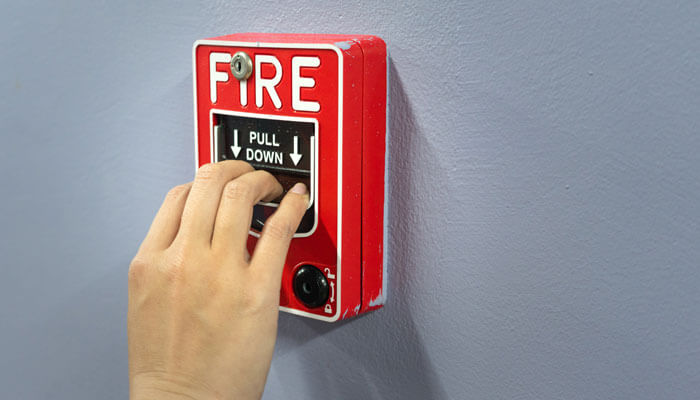
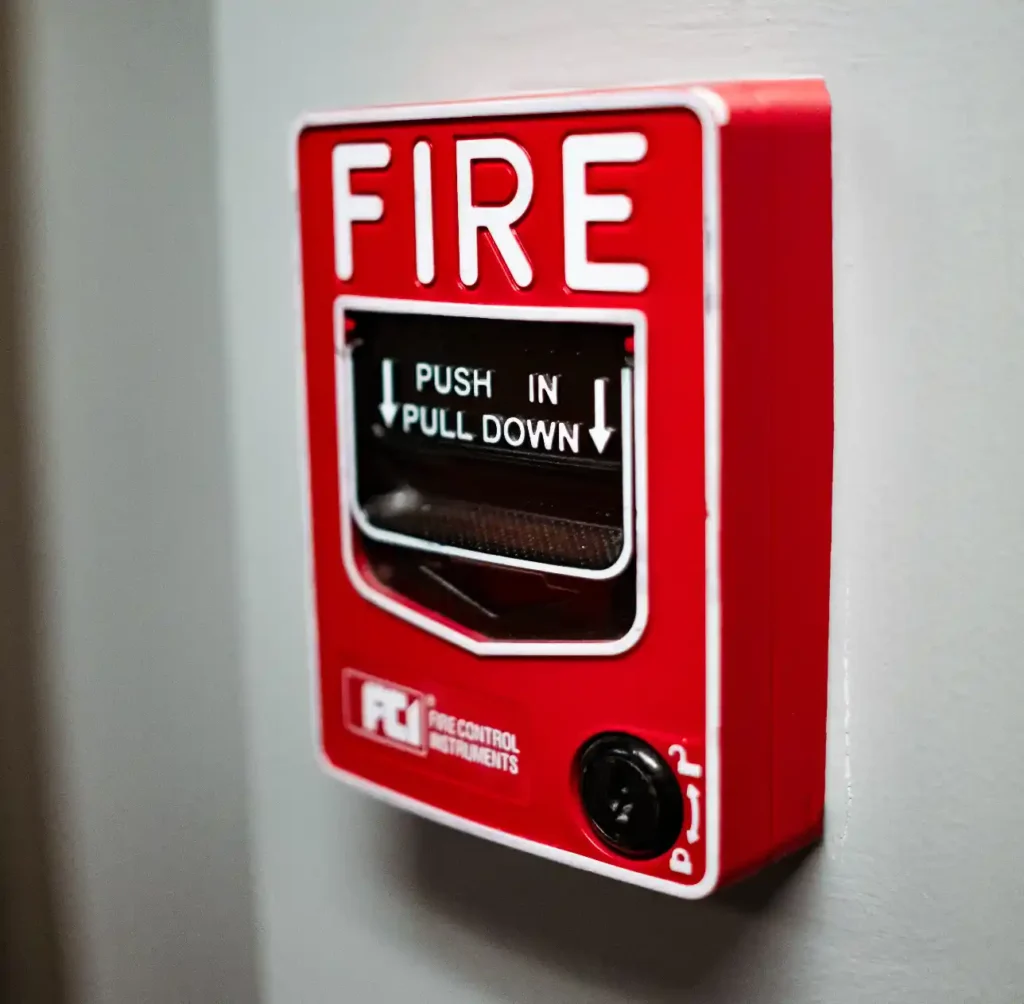
Let’s get one thing straight. A fire alarm system for new construction isn’t a plug-and-play deal. It’s more like orchestrating a jazz ensemble—each device must know its cue, play in harmony, and be ready to sound off in an emergency. Smoke detectors, pull stations, control panels, and notification appliances all have to vibe together—or, you know, save lives efficiently.
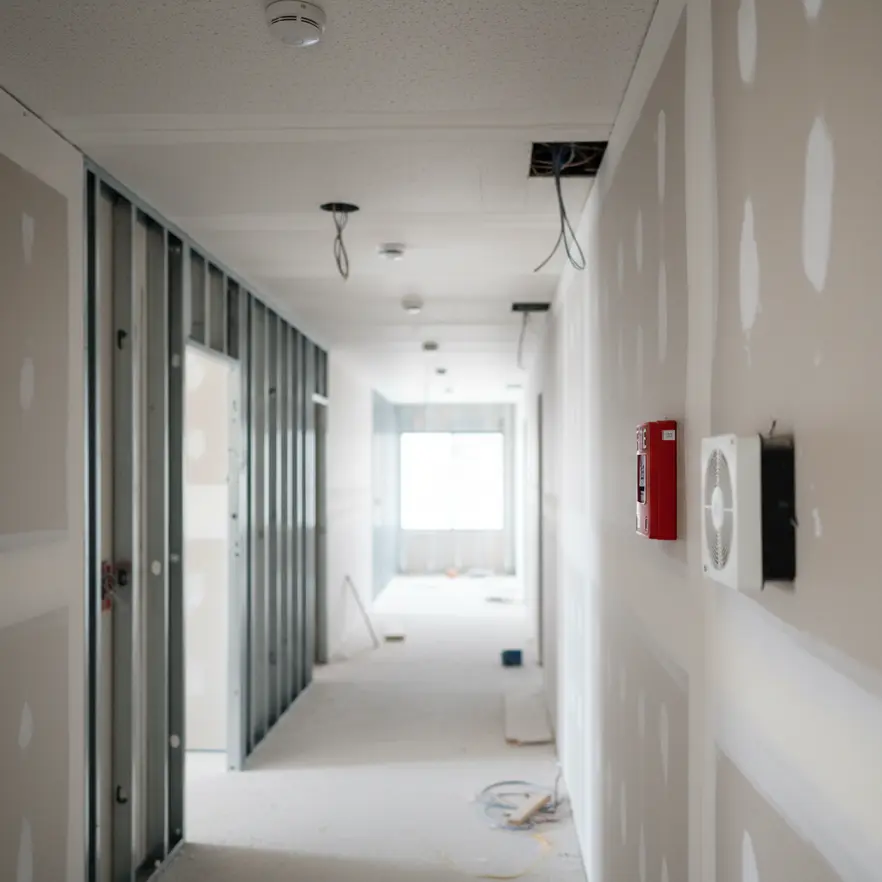
Installing fire alarms during new construction allows optimal device placement. You’re not dealing with drywall déjà vu or ceiling cuts so jagged they inspire modern art. More importantly, this integration respects building code from the start—meaning zero headaches in retrofitting down the road. You get compliance and peace of mind, served on a silver, smolder-free platter.
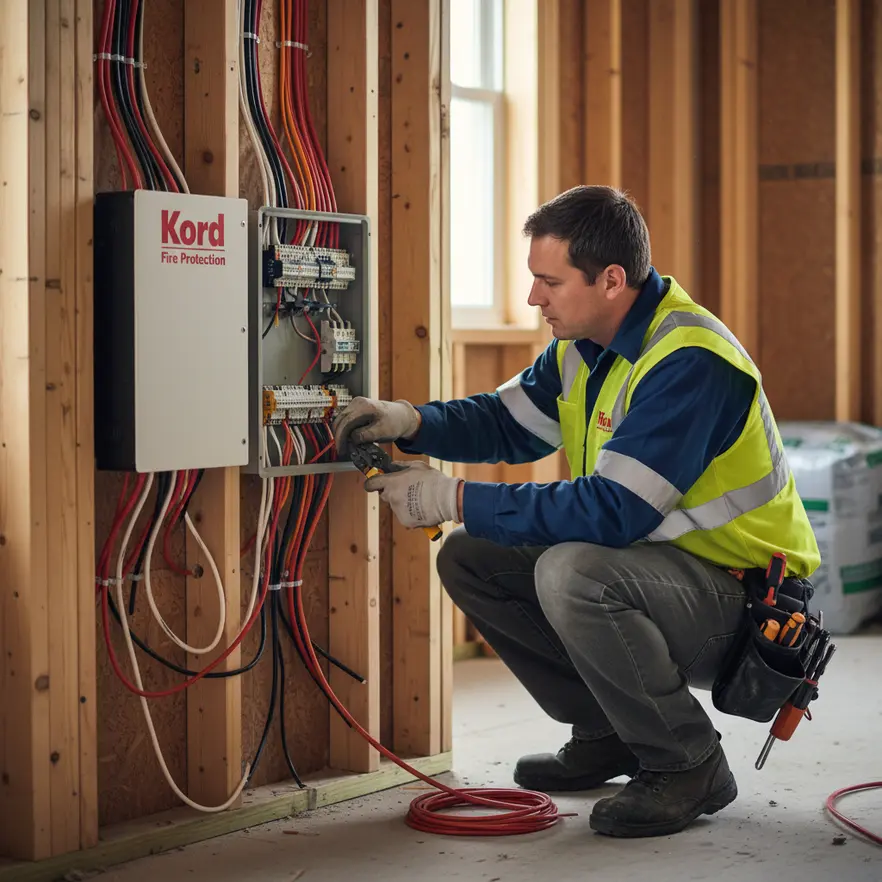
Start by Embracing the Building Code (No, Seriously… Hug It)
You wouldn’t drive a DeLorean without checking the flux capacitor, right? Likewise, you can’t design a fire alarm system without romancing the code. The National Fire Protection Association (NFPA 72) sets the bar, but local amendments, AHJ preferences, and occupancy requirements take it home.
Kord’s technicians? They read through these codes like they’re bedtime stories. Their explanation of NFPA 72 feels like narration from a cozy audiobook—only instead of helping you sleep, it helps you avoid fines, shutdowns, and late-night emergency calls.
Things not to skip:
- Occupancy classification (yes, a warehouse and a daycare need wildly different setups)
- Smoke/heat detector requirements per square footage
- Strobe and speaker coverage for ADA-compliant warnings
- Battery backup and emergency power supply regulations
Codes aren’t your enemy. They’re the wise old guide on your quest. Follow them, and you’ll reach the finish line fire-safe and standing tall.
Designing the System: Function Before Gadget Addiction
You may love gadgets—who doesn’t like a smart smoke detector that texts you when it’s lonely? But here, the star isn’t flashiness. It’s function.
Kord Fire Protection’s philosophy is simple: design based on what the building needs to protect, not just what looks cool on a spec sheet. Their planning process includes:
- Fire modeling to simulate risk factors
- Room-purpose analysis to determine detection and notification types
- Map-based zone creation for precision response
Yes, there’s science. But there’s also art. It’s about ensuring alarms aren’t muted by poor placement or silenced by wishful thinking. Fire isn’t polite, so your system shouldn’t be passive.
Who Installs the Alarm System? You’d Be Surprised
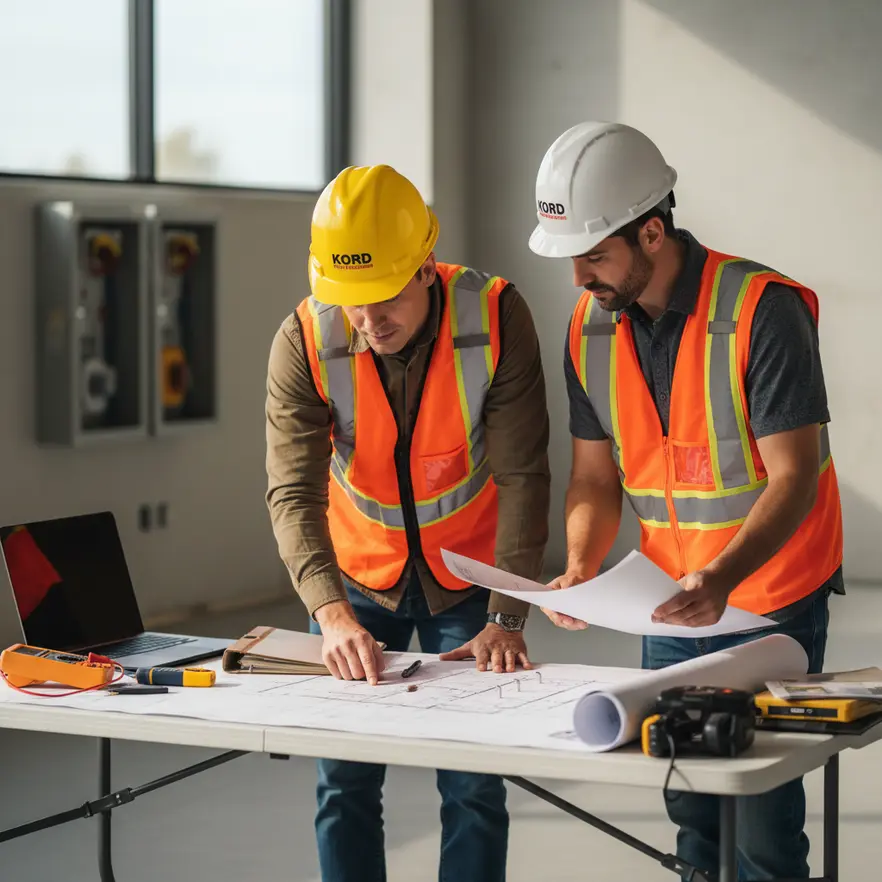
Here’s where most contractors shrug and point to the nearest electrician. But while wiring is part of the gig, installation demands fire system specialists. Enter stage left: Kord Fire Protection’s technicians, blending field experience with technical prowess like the Avengers of alarm logic.
These folks handle:
- Device installation per code-driven spacing
- Control panel configuration
- Signal wiring (so alarms don’t play telephone)
- Coordination with other trades on-site (no pulling drywall revenge missions)
Hot Tip: Coordinating early with your fire alarm professionals saves time, budget shocks, and that awkward moment when the HVAC guy asks, “Wait, that pipe was for what?”
Testing: The Hollywood Audition of Fire Protection
Now comes the part that feels like a movie montage. Except instead of training for a boxing match, your fire alarm system flexes its muscles in front of inspectors, project managers, and Kord’s ever-patient team scribbling notes on clipboards.
Testing includes:
- Initiating every device manually (yes, even that tricky smoke detector above the elevator shaft)
- Ensuring all notification appliances activate properly
- Verifying signals reach central monitoring stations
- Functional checks on battery backup systems
It’s basically American Idol… if Simon Cowell was a fire marshal. Test-day jitters? Not with Kord’s methodical approach. They prepare you with pre-testing walkthroughs and punch-list reviews so surprise failures don’t turn into delays.
Dual Column: Planning Timeline vs. Budget Planning
| Planning Timeline | Budget Planning |
| Include fire alarm early in your MEP coordination meetings (Week 2-3) | Don’t assume it’s overhead; allocate funds separately from general electrical |
| Finalize system design before framing begins (Week 6-8) | Add contingency for permit delays or inspector pushbacks (+10-15%) |
| Schedule device rough-in alongside electrical first fix (Week 9-12) | Factor in cost of monitoring services and maintenance contracts |
| Test post-painting but pre-occupancy handoff (Week 16-18) | Break out costs per zone to adjust for design scope changes mid-project |
Pop Quiz: What Happens If You Wing It?
Ah yes, William Wallace may have fought for freedom, but even he couldn’t win against a failed fire inspection. Cutting corners during planning or ignoring system integration might save pennies now—but it costs dearly later.
Common mistakes that burn:
- Incompatible components from different manufacturers (not all reds match)
- Overloaded circuits from last-minute zone expansion
- Signal loss because someone forgot power requirements for notification appliances
- No backup power (aka, when the lights go out, so does the system)
Imagine explaining to building owners that their occupancy permit now rides on fixing a pull station location. Not fun. Don’t be that project.
The Kord Fire Difference: Beyond Wires and Smoke
Yes, Kord Fire Protection installs fire alarm systems. But their secret sauce? Education, empathy, and timing. They demystify technical jargon, respect the construction schedule, and treat compliance not as a burden, but as a design goal.
With customer walkthroughs, system trainings, and post-construction support, they build relationships—not just circuits. Builders often say they feel “weirdly reassured” working with Kord. Probably because being soothed while discussing amperage draw is a rare gift.
Kord technicians don’t just “do the job”—they become part of your build team. Less vendor, more secret weapon.
FAQs: Expert Answers for Quick Decisions
- When should I start planning a fire alarm system in my project?
Start during the conceptual design stage to avoid routing conflicts and delays. - Do I need a professional even if it’s a simple building?
Yes, local codes still apply, and professional integration ensures proper function and compliance. - Can electricians install the fire alarm system?
Only partially—certified NICET technicians must oversee or perform the final installation. - What’s the most common error during installation?
Poor space planning for notification appliances leading to failed sound or strobe coverage tests. - How often do I need to test the system after installation?
A full annual inspection is standard, with monthly monitoring tests recommended.
Every Great Building Starts With Safety
Before the keys are handed off, before the furniture rolls in, and long before the ribbon-cutting selfies—safety stands guard. Planning your fire alarm system for new construction is not just a precaution. It’s a responsibility. And it’s one that builders and owners carry long after the project wraps.
With Kord Fire Protection by your side, you’ll get more than code compliance—you’ll gain a partner who understands design, deadlines, and the importance of sleeping easy at night. So go ahead. Build bold. Just bring the experts in fire safety to the table early, and often.
CTA: Ready to integrate safety from the ground up?
Partner with Kord Fire Protection today and get expert guidance, seamless installation, and long-term confidence in your system. Book a consultation and let’s talk fire safety—calmly, clearly, and maybe even with a joke or two thrown in for good measure.
Know Your Weapon Before You Fight the Flame
Kord Fire Protection is your go-to when it comes to all things fire protection. For over 20 years, we’ve been serving Southern California with the quality service and equipment to keep your home or business safe at all times. Our competitive prices reflect our unwavering commitment to protecting what matters most in the event of a fire emergency. Give us a call, send an email, or use that form!

Join Our Newsletter!
Get the latest fire safety tips delivered straight to your inbox From our Newsletter.