How Regular Fire Protection Maintenance Keeps Southern California Properties Safe
In a region as vibrant and unpredictable as Southern California, safety isn’t a luxury it’s a necessity. From sun-drenched hills to bustling commercial centers, the landscape demands a level of preparedness that few areas require. That’s where Southern California Fire Safety solutions take center stage. Maintaining fire protection systems isn’t just about code compliance; it’s about safeguarding what truly matters. With routine maintenance, residential and commercial properties alike can stand resilient against rising fire risks.
The Role of Maintenance in Comprehensive Fire Safety
Fire protection should never be an afterthought. Systems are only as reliable as their upkeep allows. Routine maintenance underpins the foundation of a complete fire safety strategy. Without consistent inspections and servicing, even the most advanced safety equipment can fail during crucial moments.
In Southern California, fluctuating weather patterns, aging infrastructure, and high-density environments elevate fire risks. Fires start fast and spread faster. A well-maintained fire system detects these threats early, enabling swift action that saves not only structures but lives. Maintenance ensures every extinguisher, sprinkler, and detector operates at optimal capacity.
An unchecked fire system could delay emergency response or malfunction entirely. Regular checks ensure pressure levels remain in range, electrical wiring remains intact, and sensor batteries stay charged. Ultimately, it’s about confidence knowing that when seconds count, your system won’t hesitate.
How Fire Protection Maintenance Meets Legal and Insurance Requirements
Besides enhancing safety, routine fire protection maintenance fulfills legal responsibilities mandated by local and state authorities. In regions like Los Angeles County or Orange County, commercial buildings must comply with Title 19 of the California Code of Regulations. These codes demand periodic inspections of sprinkler systems, alarms, extinguishers, and evacuation plans.
Non-compliance doesn’t just mean fines. It can also jeopardize insurance policies. Many property insurance providers in Southern California require documented proof of regular fire system maintenance in order to issue or maintain coverage. If a fire event occurs and negligence is discoveredsay, an expired extinguisherthe financial consequences can be severe and uncompensated.
Fire protection maintenance goes beyond a best practice; it becomes a binding requirement tied to the property’s legal and financial standing. That’s why partnering with certified inspectors and service professionals adds not only peace of mind but also compliance strength.
Understanding the Maintenance Schedule: What Needs Checking and When
Every component in a fire protection system functions on a different rhythm. Some require monthly attention, others annual or every five years. Understanding the maintenance schedule matters when coordinating effective fire protection.
Monthly to Quarterly Tasks Include:
- Testing fire alarms and control panels
- Checking water pressure in sprinkler lines
- Visual inspections of extinguishers for damage or corrosion
- Making sure exit lights are operational
Annually, Professionals Should:
- Perform a full fire sprinkler test and calibration
- Inspect and recharge fire extinguishers if needed
- Test backup battery systems and emergency power
- Examine smoke control features and dampers
Every 5 Years and Beyond:
- Conduct hydrostatic testing of hoses and pipes
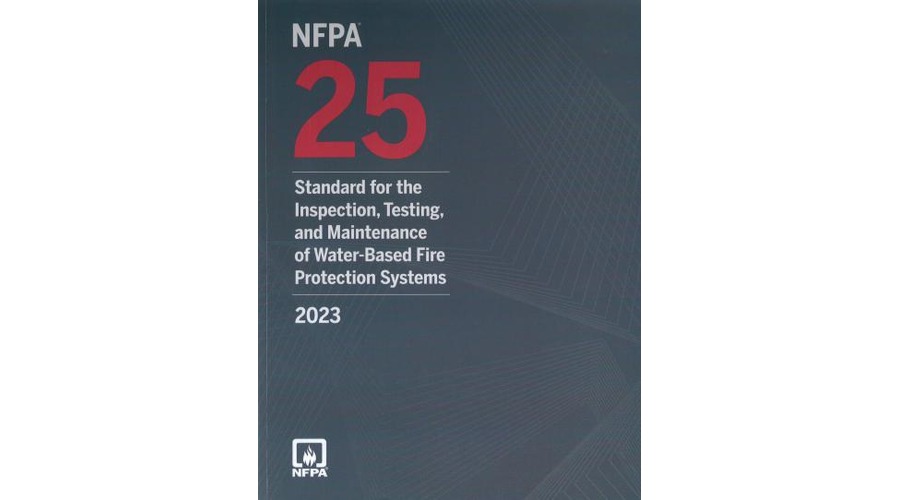
- Flush sprinkler system per NFPA-25 standards
- Comprehensively review evacuation plans and signage
Failing to maintain that timeline can mean degraded performance or even system breakdown. Timely service ensures equipment continues to meet evolving codes and technology standards within bustling Southern California jurisdictions.
Unique Risks for Southern California Properties
Fire threats in Southern California extend beyond the usual suspects of faulty wiring or kitchen incidents. The region contends with a unique combination of environmental and structural threats.
Environmental Challenges
- Strong Santa Ana winds that fan flames uncontrollably
- Dry vegetation and drought conditions increase wildfire risk
- Proximity to brushland often places homes and buildings in direct paths of fire
Urban Vulnerabilities
- High population density increases risk of rapid spread
- Older buildings with outdated wiring can easily ignite
- Underground parking and multi-use spaces create evacuation complexity
Combating these risks requires a responsive system that evolves with the terrain and structures. Regular fire protection maintenance in this region becomes a responsive, living strategy. It adapts and adjusts to an unpredictable fire environment.
The Difference Between Passive and Active Fire Systems
Many property owners confuse passive and active fire protection. Understanding the difference deepens appreciation for maintenance needs.
Active fire protection involves systems that respond during a fire event, such as:
- Sprinklers that douse flames
- Smoke alarms that warn occupants
- Fire extinguishers for localized suppression
Passive fire protection, on the other hand, includes physical structures and design elements that prevent the spread of fire, such as:
- Fire-rated doors that contain flames
- Intumescent coatings that expand when heated
- Compartmentalized floor plans that slow progression
Both systems need care. While active systems require mechanical and electrical checks, passive systems need physical inspections for deterioration, damage, or wear. In both cases, maintenance ensures that a building in Southern California can both detect and suppress fire, all while delaying its growth when needed most.
Preventative Maintenance Saves Money Over Time
One overlooked benefit of regular maintenance is its long-term cost reduction. Preventing equipment failure through routine upkeep proves better than facing a full replacement or repair bill after the damage has occurred.
An ounce of prevention, as they say, is worth a pound of cure. By catching early signs of corrosion, pressure drops, or failed sensors, property owners avoid catastrophic system failure. Repairing a minor sprinkler valve leak is far more affordable than replacing an entire water line.
Furthermore, well-maintained equipment often lasts longer. Fire alarms, extinguishers, and pumps all have replacement timelines. But regular testing and calibration can extend these lifespans, reducing capital expenses. Over a decade, this can save property managers thousands.
Partnering with Certified Fire Safety Experts
Not all maintenance is created equal. Working with certified professionals ensures that inspections, repairs, and documentation meet the strictest standards and deliver peace of mind when it counts most.
Recognized organizations like the National Fire Protection Association (NFPA) and California’s State Fire Marshal mandate strict protocols. Only licensed and trained fire protection companies are qualified to perform critical assessments and repairs. This is especially important for buildings housing vulnerable populations, like schools, hospitals, and senior care facilities.
In Southern California, where the margin for error is razor-thin during fire season, working with professionals means not only better service but verifiable protection.
Optimizing Digital Records and Smart Monitoring Tools
Modern fire protection maintenance leverages technology to create smarter systems. Digital maintenance logs, cloud-based inspection reports, and intelligent detectors now dominate the industry. Gone are the days of paper logs that get lost or stained. Today, property managers benefit from:
- Automated alerts when fire system diagnostics fall out of range
- Clear timestamped records for documentation and insurance
- Real-time access to inspection details
- Remote reset and override features for alarms or exhaust systems
Implementing these technologies, while requiring some upfront investment, reduces human error and streamlines future servicing. It also allows Southern California Fire Safety professionals to respond quicker and more accurately to potential risks.
How to Implement a Regular Fire Protection Plan
Effective maintenance begins with planning. For any property, establishing a fire safety calendar aligns owners, managers, tenants, and technicians under one goal: prevention. An actionable plan includes:
- Assigning responsibilities: designate who handles internal checks and who contacts pros
- Keeping documentation: log all inspections digitally
- Budgeting: forecast annual costs and upgrades down to the month
- Training personnel: make sure everyone knows how to use or report issues
These small yet strategic steps ensure that no maintenance task gets overlooked. Over time, a streamlined plan reduces liability, improves readiness, and creates a culture of safety throughout the property.
Frequently Asked Questions
What is fire protection maintenance?
Fire protection maintenance is the regular inspection and servicing of fire safety systems to ensure they work correctly during emergencies.
How often should fire safety systems be inspected?
Most systems need monthly inspections, with professional servicing performed annually or as required by local codes.
Is fire protection maintenance required by law in California?
Yes, California law requires routine inspections and maintenance of fire safety systems to comply with state fire codes.
Can fire system maintenance lower my insurance costs?
Often yes. Insurance providers may offer lower premiums or demand less documentation if systems are regularly maintained.
What happens if I skip maintenance?
Skipping maintenance can lead to malfunctioning systems, fines, insurance issues, and greater risk during a fire event.
Does fire protection maintenance apply to homes too?
Yes. While commercial buildings have stricter requirements, regular checks on smoke alarms and extinguishers are crucial at home.
Who should perform fire protection maintenance?
Certified fire safety professionals with state credentials and industry training should perform inspections and repairs.
Are smart fire systems worth investing in?
Yes. Smart systems provide real-time alerts, digital logs, and remote access that enhance overall fire response capabilities.
What types of buildings benefit the most from maintenance?
All properties benefit, but high-occupancy buildings like schools, offices, and apartments especially need reliable protection.
Conclusion
Ensuring the safety of your Southern California property isn’t the task of a moment; it’s a commitment to vigilance, care, and professional partnership. Don’t let a preventable disaster catch you unprepared. Schedule your routine fire protection maintenance today with a certified provider, and give your property and the lives within the secure future they deserve.