Wildland Fire Truck Protection NFPA 1906 Compliance
Quick Answer
NFPA 1900 Sections 26.1 to 26.4 set the baseline for vehicle protection systems on wildland apparatus. In plain terms, they guide how crews protect the truck, the people, and the mission in harsh fire zones. For Australian industrial, retail, commercial, and facilities teams, wildland fire truck protection NFPA 1906 support from Kord Fire Protection can help keep apparatus ready, compliant, and harder to knock out of service.
Wildland Fire Truck Protection NFPA 1906 in Plain Terms
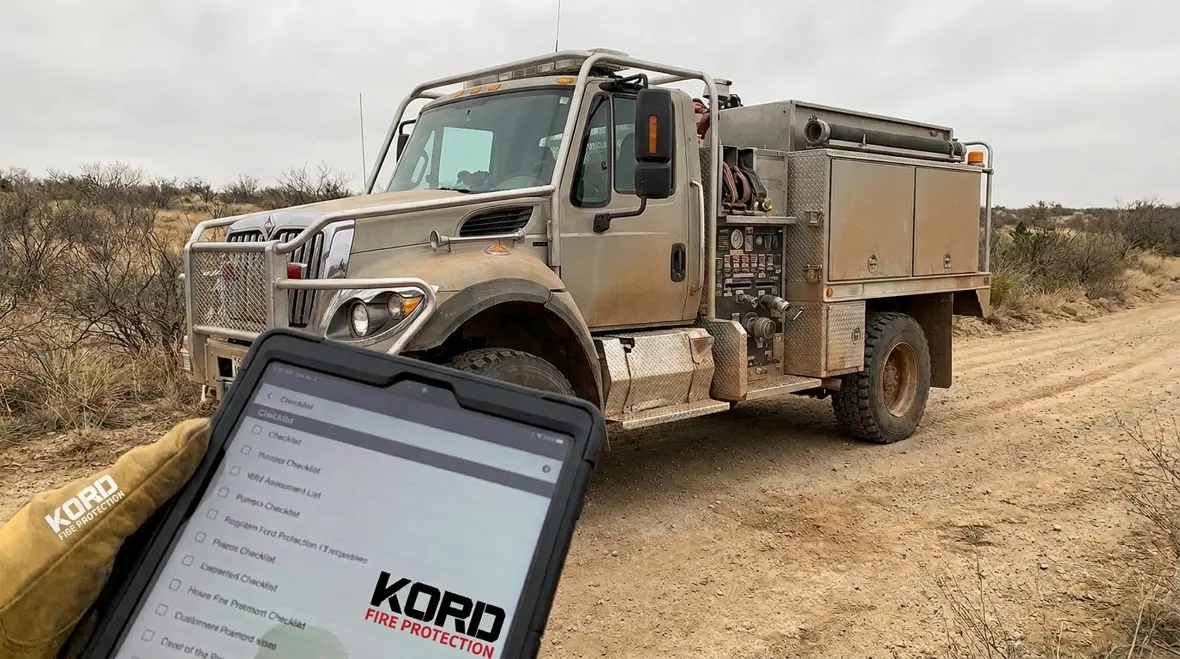
Wildland apparatus work in heat, smoke, ash, brush, and rough ground. That is not a friendly office park on a Monday morning. It is a hard life for pumps, hoses, wiring, paint, glass, and crew compartments. That is why wildland fire truck protection NFPA 1906 matters from the first day a unit goes into service. NFPA 1900 Sections 26.1 to 26.4 focus on vehicle protection systems that help reduce damage, improve safety, and support reliable response.
For facilities across Australia, that standard matters because downtime costs money, slows response, and can put property at risk. So, when a wildland unit is built or fitted for real work, protection is not a luxury. It is part of the job. For broader system readiness across sites, many teams also look at full fire protection services to connect apparatus support with inspections, maintenance, and compliance planning.
What NFPA 1900 Section 26.1 to 26.4 Covers
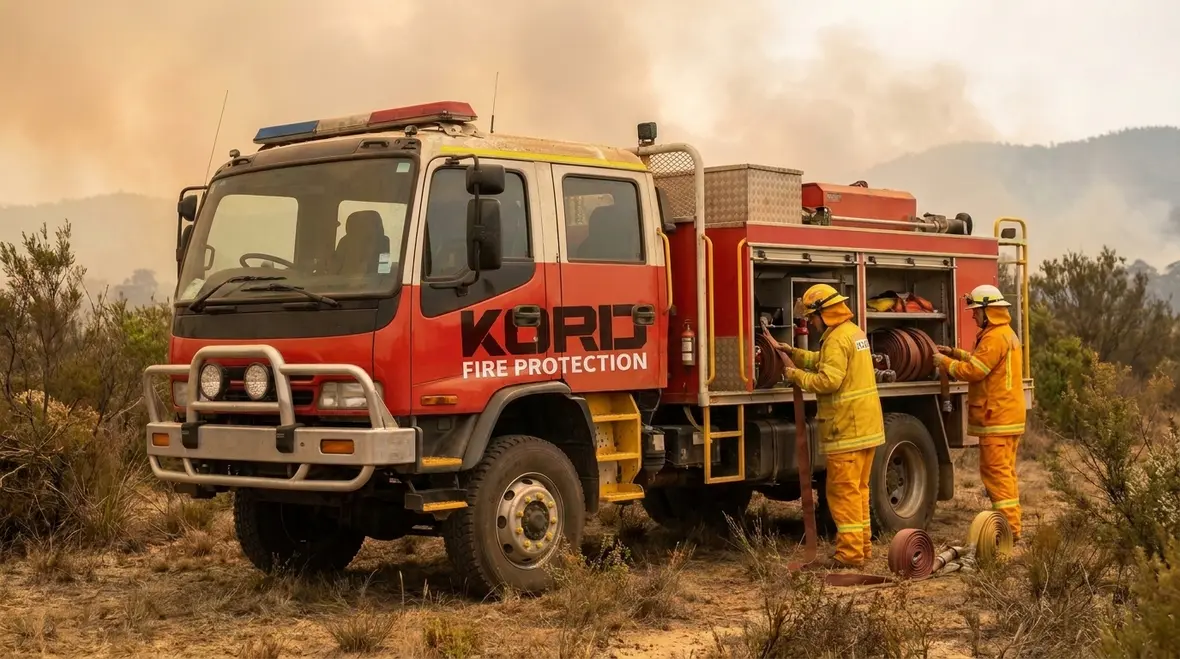
These sections focus on the protection systems that help apparatus survive in tough fireground conditions. They address the need for shielding, guarding, and smart placement of exposed parts. They also support safe access for crews who must move fast without getting tangled in sharp edges, hot surfaces, or vulnerable gear.
In simple language, the standard asks a basic question: how does the truck stay alive while it is helping others do the same?
Key areas these sections point crews toward
- Heat exposure and radiant protection
- Shielding for critical vehicle parts
- Protection from brush, rocks, and debris
- Safer layout around crew access points
- Durable systems that hold up under repeated use
That list may look tidy on screen, but out in the field it means very real design choices. A vulnerable line route, an exposed control, or a poorly placed component can turn one rough assignment into an expensive repair. Good protection thinking reduces those weak spots before they turn into breakdowns at exactly the wrong moment.
It also helps crews work with more confidence. When personnel know equipment access is sensible, surfaces are better protected, and critical hardware is less exposed, they can focus on the incident instead of babysitting the truck every second it is in the hazard zone.
Why Vehicle Protection Systems Matter on the Fireground
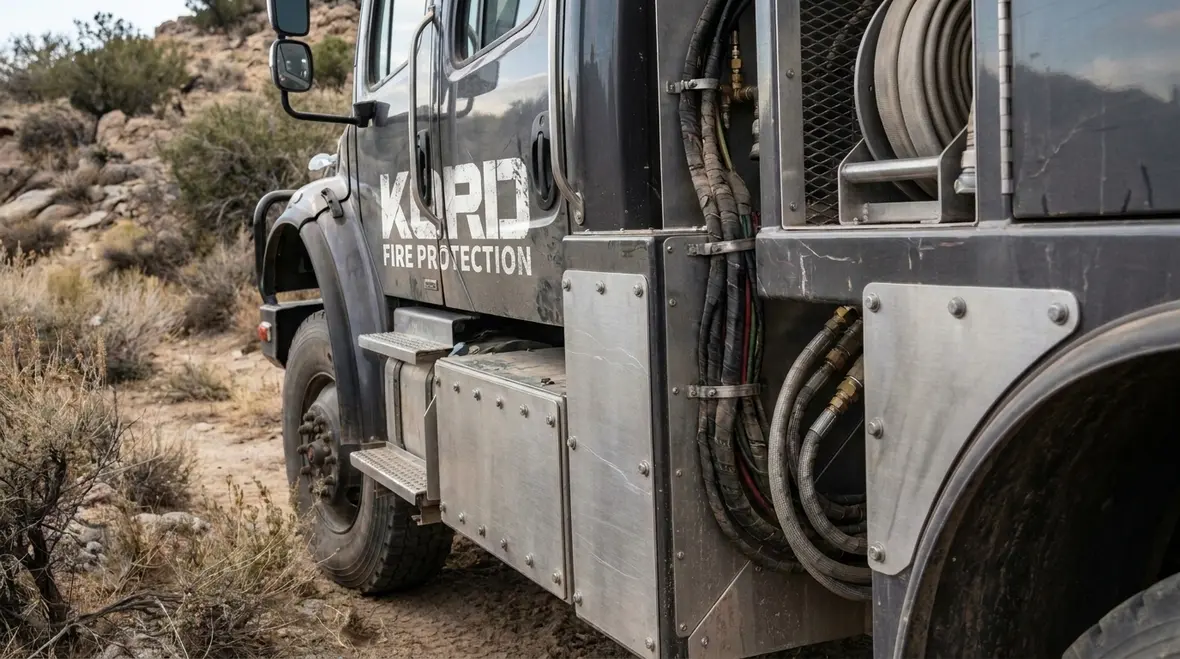
Wildland incidents punish apparatus in ways that urban units rarely see. Dirt gets into moving parts. Heat builds fast. Brush can snag fittings. Small damage becomes big damage if crews keep pushing through it. Therefore, vehicle protection systems do more than preserve paint and pride. They protect function.
When a hose line needs to move and a truck door will not open, the problem is not cosmetic. When wiring fails after heat exposure, the entire response chain feels it. And when a unit leaves the scene early, nobody claps like it is the end of a sitcom episode. That is why protection under NFPA 1900 is practical, not optional.
The operational payoff of getting it right
A well-protected truck tends to stay available longer, absorb rougher use with less drama, and return to service faster after demanding runs. That matters whether the apparatus is serving a site edge, supporting land management work, or backing up facility response in mixed-risk areas. Reliability is not glamorous, but it beats avoidable downtime every single time.
Protection also supports lifecycle value. Fleets cost too much to treat like disposable hardware. If guarding, shielding, and layout choices can cut preventable damage, reduce repair frequency, and preserve readiness, those choices pay for themselves in fewer interruptions and better control over maintenance planning.
Risk Area
- Heat near body panels and compartments
- Impact from brush and rough terrain
- Exposure of wiring and controls
- Damage to hose, fittings, and access points
Protection Response
- Use heat aware shielding and layout
- Add guards and reinforced surfaces
- Keep sensitive parts protected from exposure
- Place equipment for fast access and less wear
How Kord Fire Protection Supports Compliance and Performance
Kord Fire Protection can become a vital partner by helping organizations match apparatus protection with real field demands. They understand that wildland units need more than a general fit out. They need systems designed for heat, impact, exposure, and long service life.
For industrial, retail, and commercial operations across Australia, that support can include guidance on protective solutions that help reduce wear, improve readiness, and extend service intervals. Just as important, Kord can help teams align protection choices with the intent of NFPA 1900 so that the truck is not only tough, but better prepared for the work it must do.
In other words, they help turn compliance into a working advantage. That is the kind of partner that saves time, protects assets, and keeps a fleet from becoming a very expensive lawn ornament. Teams comparing bigger upgrade strategies may also want to review NFPA 1900 standard guidance if that page fits their broader planning work.
How Australian Facilities Benefit from Better Apparatus Protection
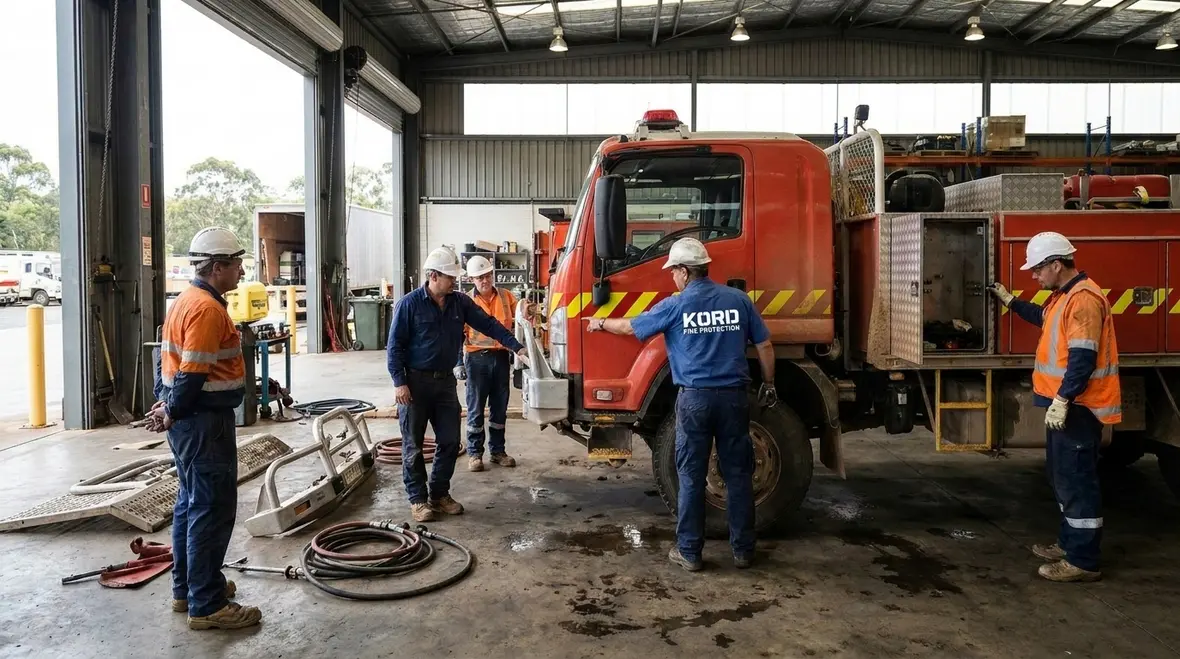
Industrial sites, retail precincts, warehouses, ports, and large commercial estates need response assets that can move fast and keep working. Since wildland conditions can threaten site edge zones, stored material areas, and mixed use land, apparatus protection becomes part of business continuity.
Better protected trucks stay in service longer. They also require fewer emergency repairs and less unscheduled downtime. As a result, operators protect budgets while improving readiness. That is a win that even the most serious facility manager can smile at, if only for a second.
Where the value shows up first
The first benefits usually appear in three places: availability, maintenance control, and confidence during deployment. Availability improves because damage happens less often. Maintenance control improves because work becomes more predictable. And confidence improves because crews are not wondering which component might object to the next patch of brush, heat, or rough track.
For facilities teams, that translates into smoother operations and fewer awkward conversations about why a critical unit is suddenly waiting on parts. No one enjoys that meeting. Better protection helps avoid it.
What Decision Makers Should Look For in a Partner
Decision makers should look for a provider that understands both the standard and the field reality. The right partner will ask where the apparatus operates, what threats it faces, and how often it sees demanding conditions. Then, the partner can help build protection that fits the mission instead of forcing the mission to fit the truck.
They should also expect support with durable materials, clear installation planning, and practical advice that helps crews work safely. Kord Fire Protection fits this role well because it can help bridge the gap between code language and on ground performance.
Questions worth asking before you commit
- How will the proposed protection handle heat, debris, and repeated rough use?
- Which components are being prioritized because failure there would hurt operations most?
- Will crew access stay fast and safe after guards or shielding are added?
- How will installation, maintenance, and replacement planning affect downtime?
- Can the approach support both compliance intent and day-to-day practicality?
Those questions help separate a generic fit out from a protection strategy that is actually worth funding. The strongest solutions are the ones that respect how the apparatus is used in real conditions, not just how it looks in a specification sheet.
FAQ
Conclusion
NFPA 1900 Sections 26.1 to 26.4 give wildland apparatus a smarter shield against heat, damage, and downtime. For Australian operations, that means better readiness and fewer costly interruptions. With Kord Fire Protection as a partner, teams can turn wildland fire truck protection NFPA 1906 goals into practical results.
If the goal is safer, tougher, and more reliable response assets, the next move is clear. Stronger vehicle protection is not just about passing a requirement. It is about keeping crews supported, equipment available, and operations moving when conditions stop being polite and start acting like a fireground.

Join Our Newsletter!
Get the latest fire safety tips delivered straight to your inbox From our Newsletter.