UL 300 Restaurant Hood Fire Suppression Guide
In the world of commercial kitchens, heat is a given. Flames leap, oil sizzles, and orders fly in faster than a line cook can say “behind you.” Yet beneath the rhythm of a busy dinner rush lies a quiet guardian known as UL 300. This fire safety standard reshaped how restaurant hood suppression systems protect lives and property. It is not a suggestion. It is the rulebook.
Over the years, commercial cooking changed. Cooking oils burn hotter. Appliances run longer. As a result, older fire systems could not keep up. That is where modern wet chemical protection stepped in. And when Kord Fire Protection technicians explain it to restaurant owners, they do so with calm authority, like a seasoned narrator describing the turning point in a great film. Because in many ways, this standard is exactly that.
What Is UL 300 and Why Does It Matter?
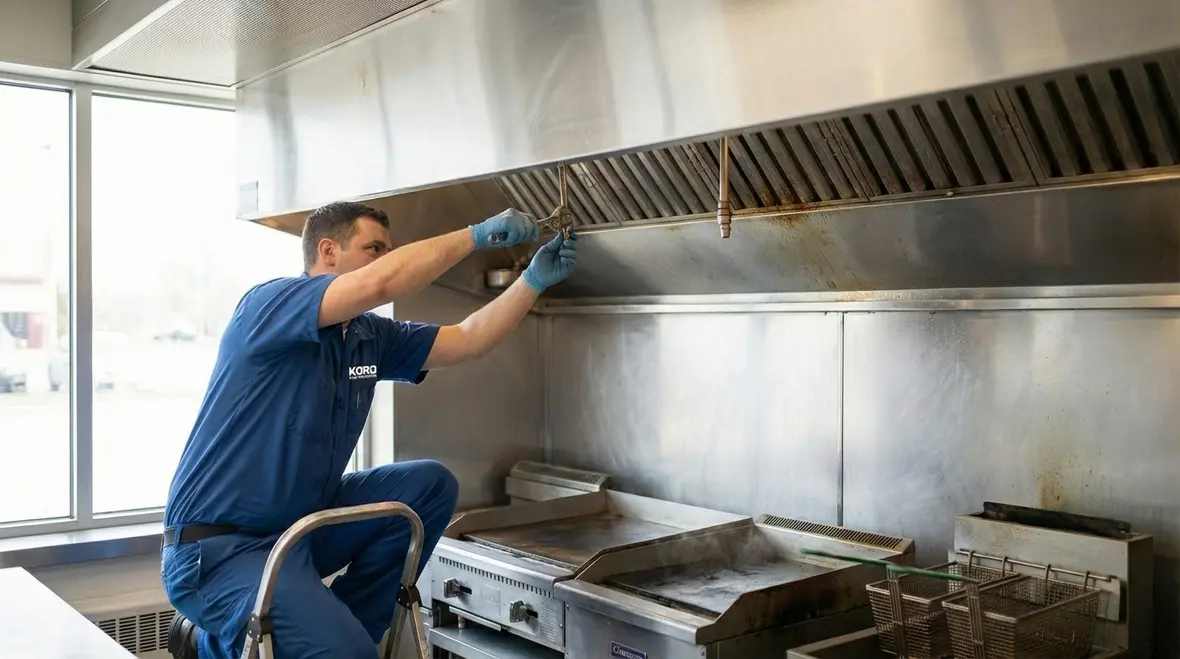
UL 300 is a fire safety standard developed by Underwriters Laboratories. It governs how commercial kitchen fire suppression systems perform in real world cooking conditions. In simple terms, it ensures that when a fire breaks out in a deep fryer or under a hood, the suppression system actually puts it out.
Before this standard, dry chemical systems were common. However, as vegetable oils replaced animal fats, fires burned hotter and reignited more easily. Consequently, outdated systems struggled. UL 300 requires wet chemical agents that cool the fire and create a foam blanket to prevent flare ups.
Think of it this way. If an older system was a garden hose, a compliant system is a well aimed fire extinguisher designed specifically for grease. Not flashy. Not dramatic. Just effective.
Kord Fire Protection technicians often explain that compliance is not about paperwork. It is about performance. When flames hit the hood plenum or fryer surface, the system must activate quickly, discharge properly, and shut down fuel sources. Anything less invites disaster.
For restaurant owners who want a deeper dive into how modern kitchen hood fire suppression systems are designed and installed, UL 300 is the backbone that keeps those solutions effective, code compliant, and ready for real world kitchen chaos.
Restaurant Hood Suppression Requirements Explained Clearly
Restaurant hood suppression systems must meet strict design and installation guidelines. Moreover, they must align with local fire codes and national standards such as NFPA 17A and NFPA 96. At the center of it all sits the UL 300 fire suppression requirement.
Key Components of a Compliant System
- Properly sized wet chemical tanks
The agent must match appliance type and cooking load. - Correct nozzle placement
Each appliance requires dedicated nozzles aimed at hazard areas. - Automatic detection
Heat sensitive links or detection lines trigger the system. - Manual pull station
Staff must have access to manual activation near exits. - Fuel shut off integration
Gas and electric lines must disconnect upon discharge.
Additionally, the system must protect the hood, ductwork, and cooking appliances as a unified hazard area. In other words, partial coverage does not pass inspection. It is all or nothing.
Kord Fire Protection technicians often remind clients that compliance is not about passing once. It is about staying protected daily. After all, grease does not care about last year’s inspection sticker.
How UL 300 Changed Commercial Kitchen Fire Protection
At first glance, a hood suppression system might look the same as it did twenty years ago. Stainless steel hood. Hidden piping. A tank mounted nearby. However, the science inside changed dramatically.
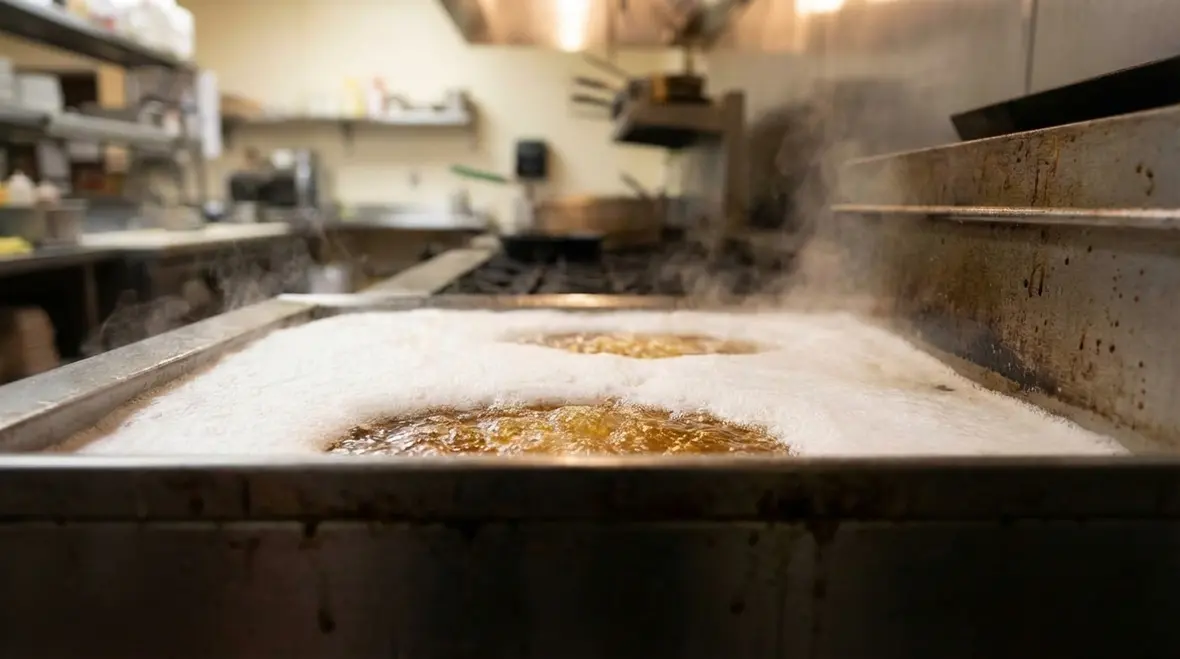
Under UL 300 testing, systems must extinguish high temperature fires with modern cooking oils after pre burn periods. Furthermore, they must prevent re ignition. That second part matters. Because a fire that comes back is like a villain in a superhero movie. You thought it was over. It was not.
The wet chemical agent creates a process called saponification. It reacts with hot grease to form a soapy foam layer. This foam cools the surface and seals vapors. Consequently, oxygen cannot feed the flames.
Older dry chemical systems lacked that cooling effect. Therefore, many jurisdictions required upgrades. Restaurants with pre standard systems often had to retrofit or replace equipment to meet updated codes.
Kord Fire Protection technicians approach these upgrades with clarity. They explain the difference in plain language. No jargon. No theatrics. Just facts delivered with steady confidence. Because when owners understand the why, they respect the investment. For kitchens considering a full system update, Kord’s dedicated UL300 restaurant systems services make it easier to move from “outdated and risky” to “modern and compliant.”
Inspection Checklist for Restaurant Hood Suppression Systems
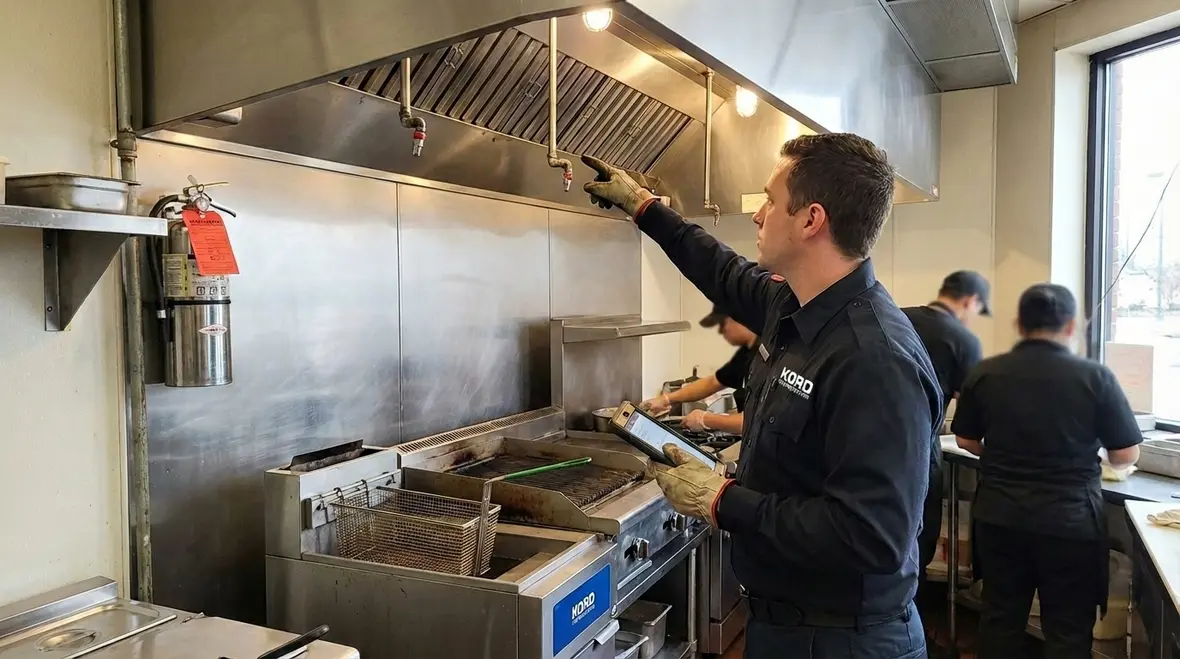
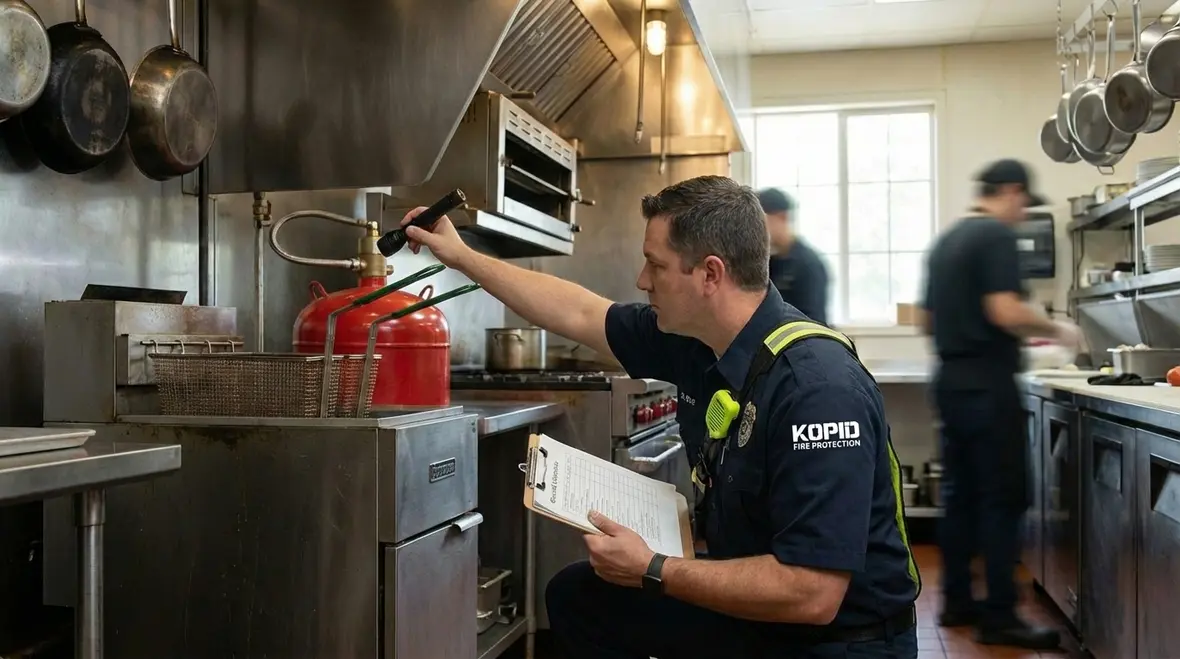
Regular inspections keep systems reliable and compliant. Most jurisdictions require semi annual service by certified professionals. During these visits, technicians follow a detailed checklist.
Core Inspection Items
System Tank
Agent level verified
Tank condition inspected
Hydrostatic date confirmed
Nozzles
Caps present and clean
Alignment verified
No grease blockage
Detection Line
Fusible links in date
Proper spacing maintained
No paint or contamination
Manual Pull Station
Accessible and labeled
Cable tension correct
Gas and Electric Shut Off
Function tested during trip test
Reset verified
Documentation
Service tag updated
Inspection report provided
Additionally, technicians check for appliance changes. If a restaurant adds a new fryer without updating coverage, the system may no longer meet UL 300 requirements. That is like adding a new actor to a play without giving them a script. It rarely ends well.
Common Violations Found During Inspections
Even well run kitchens face violations. However, most issues are preventable.
Issues Inspectors See Again and Again
- Missing or greasy nozzle caps that allow buildup and misdirect discharge.
- Outdated fusible links with expired dates or incorrect temperature ratings.
- Blocked or hidden manual pull stations that staff cannot reach quickly.
- Unapproved appliance swaps or additions without updating nozzle layout.
- Paint, tape, or decorations on detection lines and links.
One frequent problem involves missing nozzle caps. These small covers prevent grease buildup. Without them, discharge can misdirect. Consequently, fire control weakens.
Another common issue is outdated fusible links. These heat sensitive components must match temperature ratings and service intervals. When they age out, response time suffers.
Blocked manual pull stations also raise red flags. Staff must reach them easily. Stacking boxes in front of safety equipment may save space, but it fails inspections.
Kord Fire Protection technicians approach violations as teaching moments. Rather than scolding, they explain. They demonstrate how small oversights create large risks. And often, they do so with a calm humor that eases tension. Because nobody enjoys being told their kitchen resembles a fire marshal’s cautionary tale.
How Restaurant Owners Can Stay Compliant Year Round
Simple Habits That Prevent Big Headaches
- Schedule semi annual professional service without delay. Mark calendars. Set reminders. Treat it like payroll. Non negotiable.
- Train staff on manual pull station use and emergency procedures. In a crisis, hesitation wastes seconds. Seconds matter.
- Maintain hood cleaning schedules. Excess grease increases fire load and stress on suppression systems.
- Consult professionals before modifying cooking lines. Adding or moving appliances changes coverage and calculations.
Kord Fire Protection technicians often say that the best system is the one that never needs to activate. Prevention and preparation work together. Like a good kitchen team, each role supports the other.
UL 300 Compliance and Insurance Benefits
Insurance carriers pay close attention to commercial kitchen protection. A compliant UL 300 fire suppression system reduces risk exposure. Consequently, insurers may offer better terms or require proof of service records.
During claims investigations, documentation matters. Inspection tags, service reports, and upgrade records demonstrate due diligence. Without them, disputes grow complicated.
Moreover, fire marshals expect visible compliance. If a system lacks proper tagging or appears outdated, citations follow. Therefore, maintaining records protects both finances and reputation.
Kord Fire Protection technicians provide detailed documentation after each service. They ensure owners understand what was inspected, adjusted, or replaced. Clear records build confidence. And confidence, much like a well plated entrée, leaves a lasting impression.
FAQ About Restaurant Hood Fire Suppression
Protect the Kitchen Before the Flames Rise
Fire does not schedule appointments. It arrives unannounced. Therefore, restaurant owners who understand UL 300 requirements stand stronger against risk. With proper installation, routine inspections, and guidance from experienced Kord Fire Protection technicians, kitchens remain safe, compliant, and ready for service. Do not wait for smoke to test your preparation.
If you are not sure whether your current hood system truly meets modern standards, a focused evaluation is the safest next step. From verifying nozzle layouts to checking documentation, a little attention now can prevent a very big problem later.
Schedule a professional inspection, confirm your system meets modern standards, and protect what you have built with steady confidence. Kord Fire Protection’s dedicated UL300 restaurant fire suppression services and kitchen hood fire suppression solutions make it simple to get compliant and stay that way.
Know Your Weapon Before You Fight the Flame
Kord Fire Protection is your go-to when it comes to all things fire protection. For over 20 years, we’ve been serving Southern California with the quality service and equipment to keep your home or business safe at all times. Our competitive prices reflect our unwavering commitment to protecting what matters most in the event of a fire emergency. Give us a call, send an email, or use that form!

Join Our Newsletter!
Get the latest fire safety tips delivered straight to your inbox From our Newsletter.