NFPA 45 Section 7.7: Exhauster Fans, Controls, and Discharge
Quick Answer
NFPA 45 Section 7.7 sets performance and control expectations for lab exhauster fans, including safe operation, reliable controls, and proper discharge arrangements. The requirements aim to prevent backflow, limit hazards during upset conditions, and support consistent containment across normal and abnormal operating scenarios.
What NFPA 45 Section 7.7 covers for lab exhauster systems
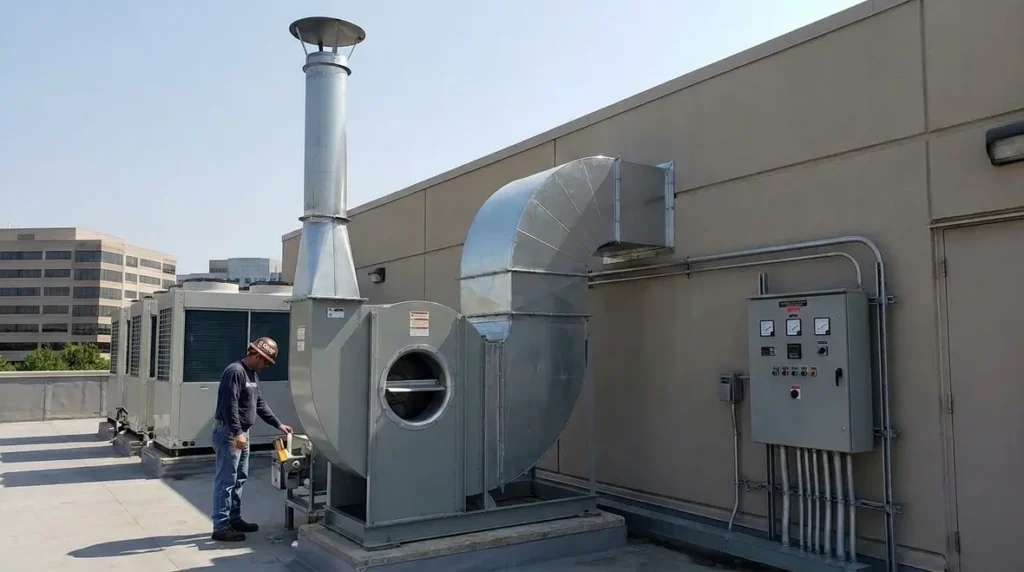
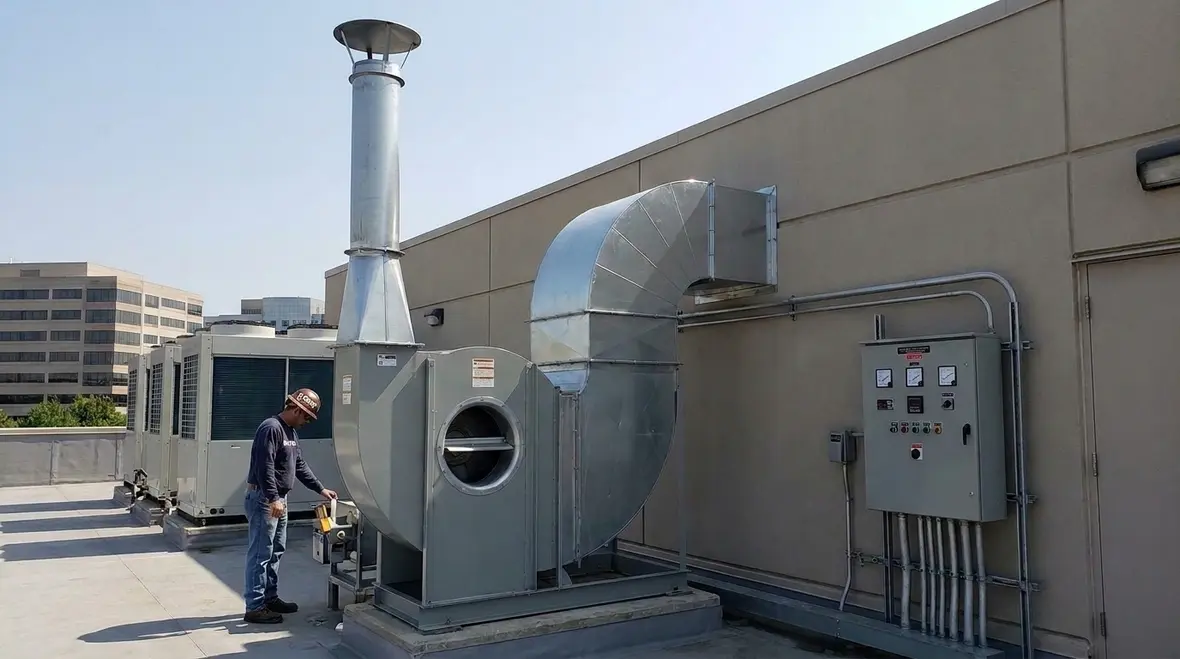
Commercial facilities that operate laboratories must treat the exhauster fan system as a engineered life safety and process hazard control, not a utility convenience. The NFPA 45 laboratory exhauster fan requirements in Section 7.7 address how exhauster fans are selected, installed, controlled, and arranged to manage airborne contaminants. In practical terms, these provisions influence duct routing, discharge locations, interlocks, damper behavior, and the reliability of shutdown and restart sequences.
From a compliance standpoint, the biggest operational risk comes when the ventilation system does not respond predictably during changes in process load, fan failure, power loss, or door and sash position changes. Kord Fire Protection supports facilities by aligning inspection and maintenance practices with the realities of how these systems fail in the field, including degraded dampers, control miswiring, and obstructed discharge paths.
For teams building a broader compliance program, full lifecycle fire protection servicing is a useful companion read because it connects inspection, testing, maintenance, and documentation into one plan that actually holds together when auditors come calling.
Exhauster fan design, operation, and equipment expectations
NFPA 45 Section 7.7 focuses on dependable exhauster fan operation and safe system behavior. For facility teams, the core compliance challenge is ensuring the exhauster fan performs as intended across the operating envelope of the lab. That includes periods of normal operation, planned shutdowns, and upset conditions caused by process changes or equipment degradation.
Fan performance and system integrity
-
Airflow integrity: The exhauster system must maintain the required directional control to limit contaminant migration. Facilities should confirm that fan curves, duct sizing, and accessory pressure losses align with the intended setpoints.
-
Duct and connection condition: Leaks, loose joints, and damaged duct sections can reduce effective capture performance and increase concentration at unintended locations.
-
Contaminant resistance: Materials and components should match expected chemical and particulate exposure so the system remains functional and does not seize, corrode, or degrade controls.
Common field failure points that drive noncompliance
-
Restricted discharge: Even if upstream fans run correctly, discharge restrictions can increase backpressure and reduce effective airflow at the source.
-
Damper malfunction: Dampers can stick, fail to fully open, or fail to return to the required position during shutdown.
-
Control drift: Relays, sensors, and setpoint logic can drift over time, causing the system to behave differently from its design intent.
Kord Fire Protection helps commercial, industrial, and retail operations build a practical maintenance plan that targets these failure modes, supported by documentation and verification steps that auditors expect to see.
Controls and interlocks: ensuring predictable fan response
Controls determine whether the exhauster fans operate in the right mode at the right time. NFPA 45 Section 7.7 emphasizes that the control scheme must support safe operation and proper system sequencing, especially when conditions change. The goal is to prevent unsafe states, such as uncontrolled recirculation paths or loss of containment when a lab is in operation.
Operational sequencing and interlock logic
-
Mode changes: Controls should clearly define what happens when a space transitions between idle, operating, and shutdown modes.
-
Safe positioning of dampers and devices: The system must return to a safe state during stoppage or loss of control power, consistent with the risk profile of the lab activities.
-
Signal reliability: Interlocks depend on sensors and switches that must remain accurate. Drift, fouling, and wiring damage often create intermittent compliance gaps.
Power loss, restarts, and abnormal events
Facilities commonly underestimate how control behavior changes during power loss, emergency shutdown, or manual overrides. NFPA 45 expectations require that the exhauster fan system does not default into an unsafe operating condition. That is why testing should include operational scenarios beyond routine start and stop, with attention to fan restart timing, damper travel, and alarm annunciation.
To streamline ongoing readiness, Kord Fire Protection integrates control and operational verification into service planning so that facility teams can prove system behavior aligns with design intent, not just that equipment runs.
Discharge arrangements: preventing hazards from exhaust discharge
Exhauster discharge provisions are central to reducing the risk that exhaust contaminants affect occupants, ignition sources, or other building zones. Under NFPA 45 Section 7.7, discharge must be managed so the exhaust does not create new hazards as it leaves the building or facility area.
Discharge location and direction
-
Placement matters: Discharge outlets should be located to prevent reentry into the building or exposure at accessible areas.
-
Direction control: Orientation should reduce the chance of contaminants being directed toward doors, walkway areas, or outdoor air intakes.
Protection against blockage and reentry
-
Obstruction prevention: Discharge terminations must remain free of conditions that restrict flow, including mechanical damage, accumulation, or improper termination equipment.
-
Backflow risk: The system should be arranged so that shutdown does not allow undesirable movement of contaminants back toward occupied areas or upstream components.
Maintenance teams often focus on fan operation and overlook discharge conditions. In audits and incident reviews, restricted or improperly arranged discharge is a recurring root cause. Kord Fire Protection supports facilities by verifying the full system path, including discharge conditions, during service visits.
Inspection, testing, and maintenance practices that hold up under scrutiny
NFPA 45 Section 7.7 compliance is not a one-time acceptance task. The system changes over time through wear, corrosion, vibration, and control adjustments. A compliance-ready program connects inspection evidence to the actual operating risks in the lab.
What to verify during routine service
-
Functional checks: Confirm fan operation transitions correctly between operating and shutdown states, including expected damper positions and alarms.
-
Visual and mechanical condition: Inspect duct joints, supports, and termination points for damage, corrosion, and signs of leakage.
-
Control component health: Check sensor calibration status, setpoint stability, relay condition, and wiring integrity where accessible.
-
Discharge path verification: Confirm terminations are unobstructed and arranged to reduce reentry and exposure risks.
Documentation and continuity for auditors
Facilities should maintain service records that connect the inspection findings to corrective actions and retesting. A strong program typically includes baseline measurements or verification points established after commissioning, followed by trendable checks that demonstrate ongoing reliability.
For facilities managing multiple life safety systems, a coordinated service partner reduces the risk of fragmented responsibilities. Kord Fire Protection is structured to support ongoing compliance through inspection, testing, and maintenance planning that aligns with how commercial properties are operated and managed. If you want additional context on fire and life safety system service planning, see Kord Fire Protection.
Frequently Asked Questions
Call to action
Facility leaders can reduce compliance risk by treating NFPA 45 exhauster controls and discharge as a system that must be verified over time, not just installed. Engage Kord Fire Protection to assess fan controls, confirm discharge safety, and implement a documented inspection and maintenance program that supports ongoing readiness for audits and operational continuity. Contact Kord Fire Protection today to schedule a compliance-focused review.

Join Our Newsletter!
Get the latest fire safety tips delivered straight to your inbox From our Newsletter.