
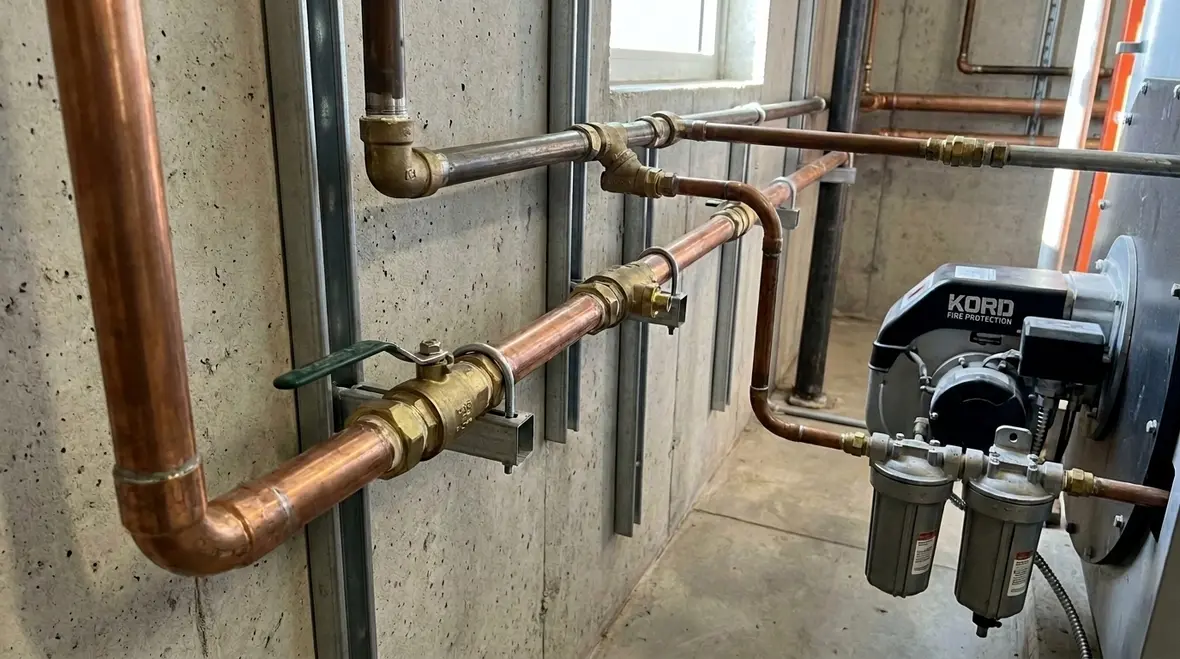
NFPA 31 Section 8.2: Acceptable Fuel Piping Types and Materials
Quick Answer
NFPA 31 Section 8.2 outlines the fuel piping materials and configurations that support safe oil burner operations, focusing on compatibility, corrosion resistance, jointing methods, and installation quality. Selecting the correct NFPA 31 fuel piping materials types helps facilities reduce leak risk, failures, and inspection deficiencies.
For facilities tightening up broader protection planning around plant rooms and high risk spaces, fire suppression systems for Australian facilities can fit naturally into a more complete compliance strategy.
What NFPA 31 Section 8.2 requires, in practical facility terms
NFPA 31 Section 8.2 addresses the “what and where” of fuel piping for oil burning equipment. In commercial, industrial, and retail environments, this section is often where compliance gaps show up during commissioning, service renewals, and annual maintenance. The key compliance drivers are fuel compatibility, mechanical integrity, safe routing and support, and joints that remain reliable under thermal cycling and vibration.
Because the fuel train carries combustible liquid under pressure or suction, the piping system must resist common failure modes such as pinhole leaks, loose fittings, weakened connections, and system air ingress that can lead to poor atomization and burner lockouts. For ongoing compliance, facilities also need a documented maintenance approach, not just an original installation.
NFPA 31 fuel piping materials types: compatibility and failure prevention
When selecting NFPA 31 fuel piping materials types, the governing principle is chemical and mechanical compatibility with the specific fuel used, along with the ability to survive the installation environment. In day to day commercial plant rooms, that means controlling issues that accelerate corrosion and degradation, including moisture, condensate, contaminated supply tanks, and improper exposure to heat sources or physical damage.
Common operational failure points tied to material selection include:
Corrosion and thinning at joints or along runs where condensation forms.
Gasket and joint incompatibility that degrades seals over time, leading to seepage.
Fatigue and loosening around vibration points, especially near burners, filters, and valves.
Air ingress on suction lines caused by poor connection practices, cracked fittings, or damaged pipe ends.
Facilities benefit from a material and installation checklist aligned to the fuel system design. That checklist should be tied to inspection tasks such as leak checks, line support verification, and filter condition reviews.
Acceptable fuel piping types and common commercial installation configurations
Section 8.2 supports safe burner operation by ensuring the piping system is constructed from acceptable piping types and installed in a manner that controls leakage, supports the line, and maintains proper flow. In the field, the “acceptable” part is not only the pipe material. It also includes the way the piping is terminated, connected, supported, and protected where it runs through plant rooms or service corridors.
How piping type impacts system performance
Different piping types affect pressure loss, susceptibility to corrosion, and durability at transitions such as:
Tank pickup and shutoff areas.
Filter assemblies and strainers.
Burner inlet connections and flexible connectors.
Valves, meters, and pressure regulators.
Where inspections most often find deficiencies
Commercial facilities frequently encounter nonconformities in these zones:
Transitions between different materials at fittings that are not compatible or are not installed to the required standard.
Low points and trapped sections where sludge or water can accumulate and accelerate internal corrosion.
Unsupported runs that allow movement at connections and promote micro leaks.
Inadequate protection where piping can be impacted by maintenance traffic or stored materials.
Jointing, connections, and workmanship: the compliance multiplier
Even when the selected NFPA 31 fuel piping materials types are correct on paper, installation workmanship determines whether the system stays compliant. Section 8.2 expectations translate into practical requirements for durable joints, correct assembly, and long term leak resistance.
From a maintenance perspective, joints typically fail due to one or more of the following:
Improper thread engagement or damaged threads that prevent full sealing.
Incorrect sealant selection for fuel service, leading to seal degradation.
Over tightening that damages seating surfaces or distorts fittings.
Thermal cycling that loosens connections when supports and clamps are inadequate.
Facilities should treat fuel piping verification as an integrity program, not a one time acceptance activity. That includes scheduled inspection of visible runs, checks during filter changes, and documentation of any corrective actions.
Operation and maintenance: inspections that catch leaks before they escalate
NFPA 31 compliance depends on more than initial material choice. Commercial plant operations experience real wear from burner cycling, minor system adjustments, and occasional sediment disturbance in tanks. A practical maintenance plan aligned to fuel piping type and material reduces the chance of small leaks becoming hazardous incidents.
Routine checks that support compliance
Visual inspection of piping runs for wetness, staining, soot deposits around joints, and signs of aging.
Filter and strainer inspection to prevent restricted flow and instability in the fuel train.
Leak testing using appropriate methods during service events, including after any joint work.
Support and alignment verification to ensure lines remain stable around burner connections and valves.
Air integrity checks where suction lines exist, since micro air ingress can mimic fuel delivery problems.
Why commercial facilities need a repeatable program
In retail and multi tenant buildings, burner rooms often experience frequent access by contractors and mixed maintenance schedules. The result can be unplanned disturbance of the fuel train. A service partner that understands oil burner equipment installation practices can reduce the risk that repairs drift away from NFPA 31 expectations.
For additional practical guidance on the broader context of oil burning equipment installation, refer to this resource: NFPA 31: A Practical Guide to Oil Burning Equipment Installation.
Compliance pitfalls and how Kord Fire Protection helps keep systems audit ready
Commercial compliance reviews often uncover a pattern: acceptable fuel piping materials types were installed initially, but subsequent work, replacements, or site modifications introduced nonconforming materials or connection practices. These gaps can appear during insurance surveys, tenant handovers, or authority reviews.
Kord Fire Protection supports facilities through practical, repeatable service that focuses on system integrity. Typical support includes evaluation of the fuel piping layout, verification of materials and joint condition, and maintenance activities designed to prevent recurrent failures at known weak points.
Facilities also benefit when service documentation is structured to support audits and maintenance history, especially in environments with multiple contractors or staggered operational responsibility.
To learn more about Kord Fire Protection services in Australia and the compliance approach used on commercial assets, visit Kord Fire Protection Australia.
Frequently Asked Questions
Conclusion and call to action
NFPA 31 Section 8.2 compliance depends on selecting the right NFPA 31 fuel piping materials types and installing them with durable, inspection friendly workmanship. If a facility lacks a repeatable integrity and maintenance program, fuel piping issues can develop between service cycles. Kord Fire Protection can assess fuel piping system condition, support audit ready documentation, and help keep your oil burner equipment running safely and compliantly. Contact Kord Fire Protection to plan your next inspection and service window.

Join Our Newsletter!
Get the latest fire safety tips delivered straight to your inbox From our Newsletter.



