
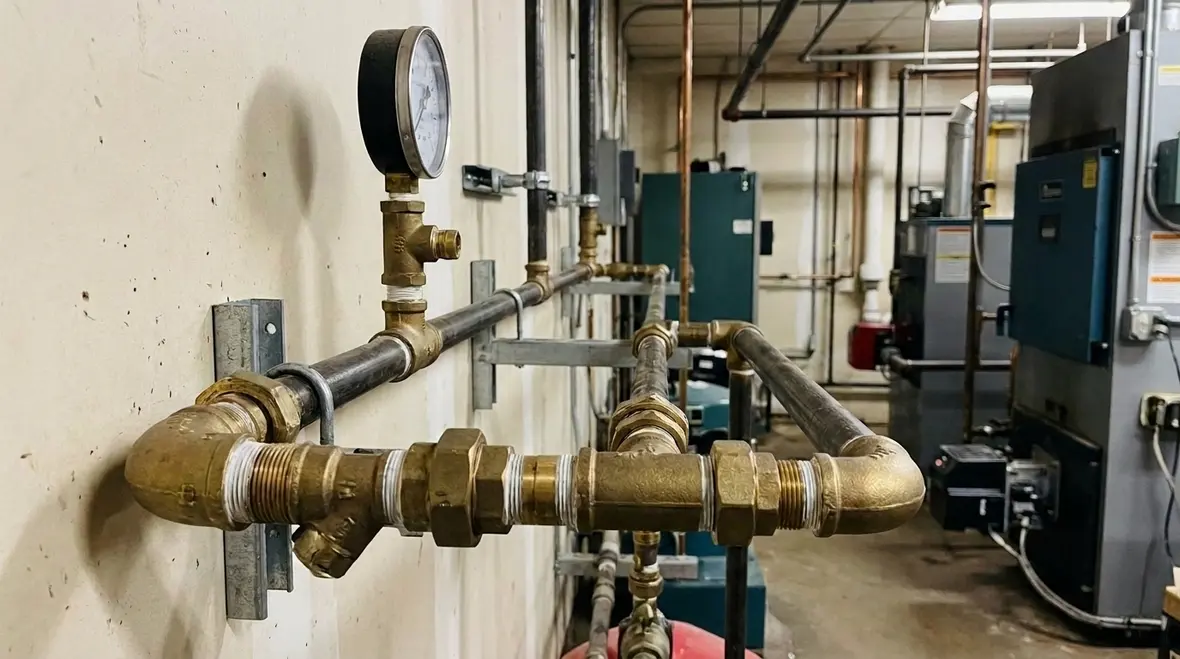
NFPA 31 Section 8.3: Acceptable Fuel Piping Fittings and Materials
Quick Answer: NFPA 31 Section 8.3 limits what fuel piping fittings and materials a facility can use for oil-fired equipment. The rule focuses on pressure integrity, compatibility with oil, resistance to corrosion and fire exposure, and safe installation practices that support reliable operation and inspection readiness.
For broader context on how oil-burning equipment requirements fit together in the field, see NFPA 31: A Practical Guide to Oil-Burning Equipment Installation. If your team is also tightening inspection routines and records, fire safety system documentation for compliance is a useful companion read near the start of any implementation discussion.
What NFPA 31 Section 8.3 requires for fuel piping fittings materials
NFPA 31 is explicit because fuel system failures escalate quickly in commercial and industrial settings. Within the scope of Section 8.3, NFPA 31 fuel piping fittings materials must be selected so the system remains pressure tight, durable, and compatible with the installed fuel oil under expected operating conditions. Compliance hinges on proper material selection, approved joining methods, correct sizing, and installation details that reduce leak points at joints, transitions, and supports.
For a broader installation context that aligns with how facilities implement NFPA 31 in practice, see NFPA 31: A Practical Guide to Oil Burning Equipment Installation. This helps translate Section 8.3 requirements into day to day procurement, commissioning, and maintenance workflows.
Which fittings and material properties typically matter during compliance reviews
Fire safety compliance teams usually evaluate acceptability by verifying the system components meet the standard’s intent: leak resistance, mechanical strength, and safe behavior under operating and upset conditions. For NFPA 31 fuel piping fittings materials, the key properties that drive inspector scrutiny include the following.
Pressure tightness at every connection
Most leak events originate at joints, threaded connections, flares, fittings, gaskets, and transitions between piping systems. Even minor material mismatch can reduce thread engagement, compromise seal integrity, or accelerate gasket degradation. Inspectors also commonly check for evidence of past repairs that introduced unapproved fittings or improper sealants.
Compatibility with fuel oil and temperature conditions
Fuel oil chemistry varies by grade and operating temperature. Materials must resist swelling, embrittlement, softening, and corrosion that can occur at elbows, reducers, and valves. Facilities frequently experience accelerated wear where fittings are exposed to heat from adjacent equipment or where flow patterns increase deposits and residue buildup.
Corrosion resistance and service life
Commercial boiler rooms, retail service closets, and industrial process spaces often face condensation cycles and airflow from HVAC systems. Corrosion can creep from external surfaces into threaded areas or seals. Section 8.3 expectations are best met when fittings and materials support long service life with manageable maintenance.
Fire exposure and mechanical robustness
Where fuel piping runs near ignition sources or within equipment spaces, materials must retain integrity during credible fire scenarios long enough to support safe system operation and evacuation time goals. This also affects how piping is routed, supported, and protected against physical damage from maintenance activities and traffic.
How installations fail in the field: common noncompliant patterns
Even when facilities purchase “similar” components, noncompliance often comes from how the system is assembled. The most common failure patterns for NFPA 31 fuel piping fittings materials include the following.
Unapproved substitutions during repairs
Maintenance crews sometimes replace a leaking fitting with whatever is available in a parts bin. If the replacement fitting is not acceptable under Section 8.3, pressure integrity and fuel compatibility can degrade. A single unapproved swap can also complicate future leak tracing because the new part behaves differently.
Incorrect joining methods for the selected material
Different piping materials require specific joining methods. Using an incompatible method can lead to microleaks at the thread form, joint separation during thermal cycling, or seal failure. This problem often appears after a service call where the installer reseals a connection without re verifying acceptable materials and methods.
Improper support and stress on fittings
When piping is not correctly supported, fittings carry mechanical load. Over time, vibration and thermal expansion can loosen threaded joints, deform flares, and compromise gaskets. The result is a slow seep that may only appear under certain burner firing conditions.
Sealant and gasket mismatches
Sealants that are not intended for fuel oil service can harden, wash out, or chemically react. Gasket selection matters because some elastomers swell in fuel environments. Even if the fitting material itself is acceptable, the seal design can still create a noncompliant assembly.
Operational inspection and maintenance: what to verify to stay compliant
Compliance does not stop at installation. Commercial facilities need a repeatable inspection and maintenance rhythm that identifies early degradation before it becomes a leak or outage. A practical program for fuel piping fittings materials includes the checks below.
Documented component verification
Maintain a current asset register that lists piping materials and fitting types by equipment area and route. Link each record to installation documentation and any change history. This supports faster troubleshooting and reduces the risk of unapproved substitutions.
Leak detection and pressure related observations
Inspectors and service technicians should look for wetness at fittings, soot or residue trails around joints, odor complaints, and changes in burner performance that can indicate air entrainment or reduced supply pressure. When the facility corrects a leak, it should also verify the replacement material and fitting meet the requirements intended by Section 8.3.
Support integrity and vibration assessment
Verify supports remain properly fastened, that hangers and clamps do not deform fittings, and that piping does not shift when maintenance equipment is moved or when the burner cycles. This check prevents stress induced failures that can start at the fitting interfaces.
Valve operation and transition points
Transition points, such as changes in diameter, connection to tanks, and valve fittings, typically create the highest maintenance burden. Validate valve operation and inspect around valve bodies and unions for seepage, especially after extended seasonal idle periods.
Kord Fire Protection supports ongoing compliance by helping facilities align inspection routines with NFPA 31 expectations and by coordinating maintenance that reduces recurring leak points. This approach matters in high duty cycle sites such as industrial production buildings and multi tenant retail centers where outages disrupt operations and where rapid service response is required.
Commercial facility implementation: procurement, labeling, and change control
Most compliance risk comes from uncontrolled change. Facilities can reduce that risk by treating NFPA 31 fuel piping fittings materials as a managed standard rather than a “best effort” selection during repairs.
Procurement controls
Specify acceptable fittings and materials in procurement documents with clear alternates only from an approved list. Include joining method requirements. Procurement staff should request documentation from suppliers and confirm that delivered items match the approved selection.
Labeling and route identification
Label fuel supply and return lines where applicable and identify equipment connections. This helps service teams trace runs and avoid cross connection mistakes during repairs, especially in mixed equipment rooms.
Change control after service events
Require a documented change record whenever fittings or materials are replaced. The record should include the part identifiers, replacement date, reason for replacement, and photos of the repair area. This helps compliance audits and shortens time to resolve repeat issues.
Frequently Asked Questions
Call to action
If your facility is operating oil fired equipment or recently experienced a fuel leak, Kord Fire Protection can support compliance by reviewing fuel piping arrangements, verifying acceptable component selection, and strengthening maintenance and documentation controls. Contact Kord Fire Protection for an audit focused on NFPA 31 readiness, practical inspection priorities, and repair discipline that reduces repeat failures.

Join Our Newsletter!
Get the latest fire safety tips delivered straight to your inbox From our Newsletter.



