NFPA 31 Section 7.5: Underground Fuel Tank Installation Rules
Quick Answer
NFPA 31 Section 7.5 sets detailed requirements for installing underground fuel oil tanks to protect life and property. It addresses siting, construction, piping protection, venting, leak prevention, and readiness for inspection. The rules also drive ongoing maintenance and documentation practices for commercial sites.
Why NFPA 31 Underground Oil Tank Rules Matter on Real Projects
Commercial, industrial, and retail facilities often treat underground tank work as a one time construction effort. NFPA 31 underground oil tank installation requirements do not allow that mindset. The installation directly affects long term integrity, leak detection performance, and how quickly the site can respond to abnormal conditions. In practice, the highest risk gaps appear during earthworks, transitions from tank to piping, and workmanship around protective coatings and penetrations.
To support compliant installations of oil burning systems and associated components, teams frequently reference practical guidance on the overall scope of NFPA 31 expectations for installation quality and ongoing assurance. For a broader equipment context, Kord Fire Protection provides a useful resource here: NFPA 31 a practical guide to oil burning equipment installation.
If your site also needs a wider risk management lens around fuel hazards and surrounding protection strategy, Kord Fire Protection’s layered fire protection system for flammable liquids guide is a natural companion read near the start of planning, especially when underground storage sits alongside broader liquid fuel exposures.
What Section 7.5 Controls: Scope and Compliance Outcomes
NFPA 31 Section 7.5 focuses on underground fuel oil tank installations and the safeguards that keep fuel contained under soil and service conditions. Compliance outcomes typically include:
- Tank placement that supports safe access, stable settlement control, and protection from external mechanical damage.
- Proper tank construction and installation method to maintain integrity over expected service life.
- Correct arrangement and protection of piping, including where lines enter and exit the tank area.
- Venting and connections configured to prevent abnormal pressure conditions and reduce release pathways.
- Readiness for inspection and maintenance, including access to critical valves, fittings, and detection components where required.
From an operational standpoint, the goal is not only preventing visible leaks. Section 7.5 requirements also reduce the likelihood of undetected slow release that can reach soil, utilities, or building foundations before a problem becomes obvious.
How Installers Get It Right: Location, Burial, and Mechanical Protection
1) Siting and spacing that supports future maintenance
Underground tanks must be located to prevent conflicts with building structures, drainage routes, and site utilities. Practical compliance issues arise when facilities later add hardstands, plant new pipe racks, or reconfigure traffic routes. A compliant original layout must account for future disturbance and access needs so that inspection and repair does not require destructive excavation.
2) Foundation stability and settlement control
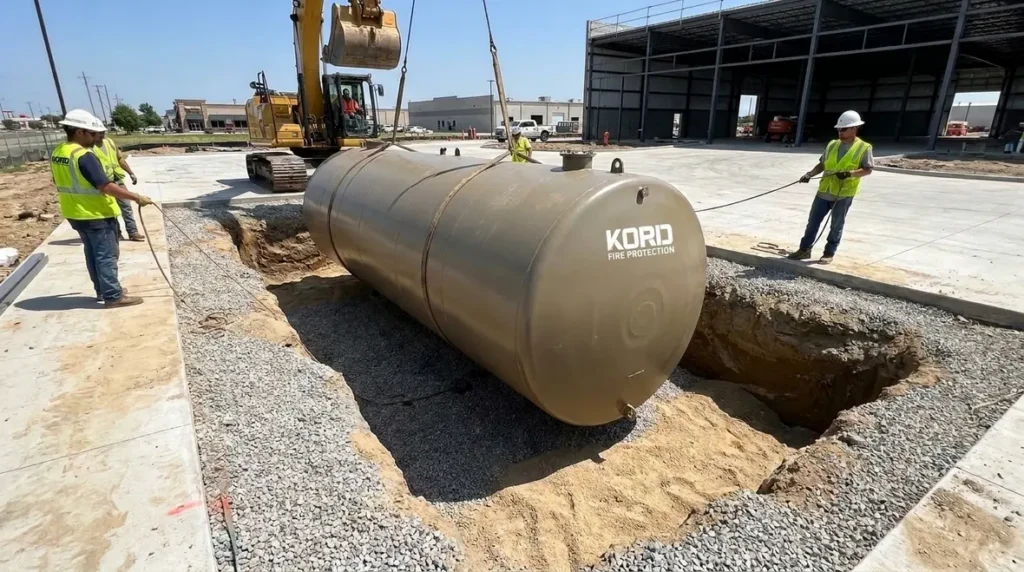
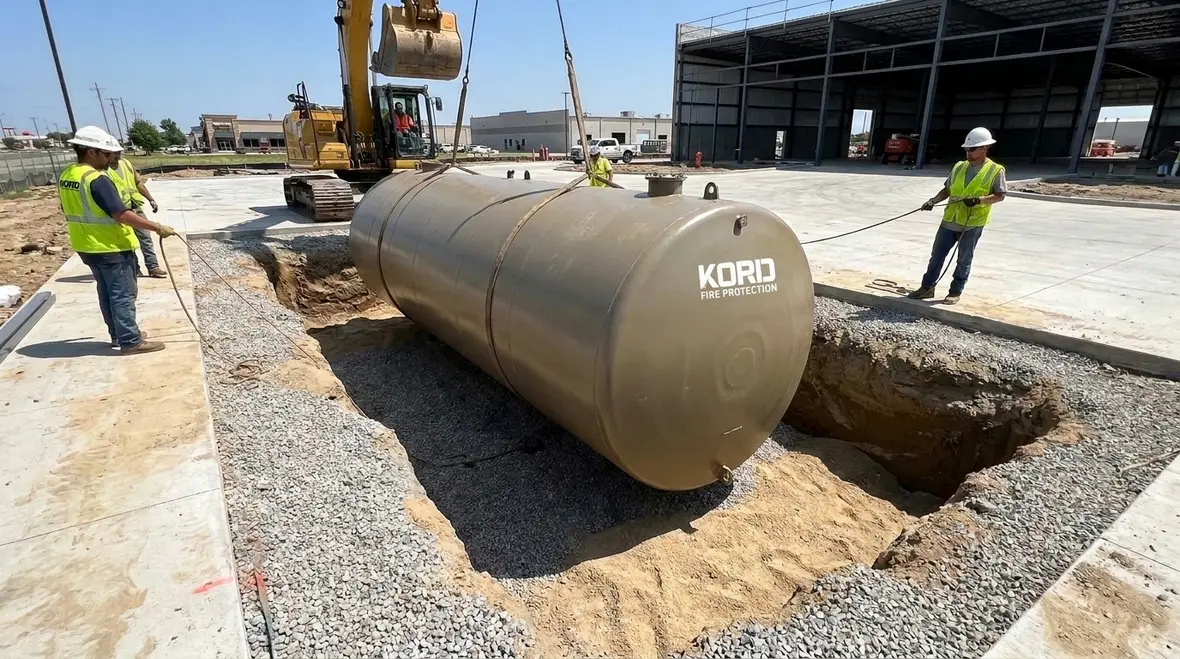
Improper bedding or uncontrolled settlement can stress tank shells and create stress points at penetrations. Those points commonly become failure initiators, particularly at the tank inlet and outlet regions where piping interfaces introduce additional forces. Successful installations use the required preparation of the excavation and bedding, followed by controlled backfilling practices that limit voids and uneven load distribution.
3) Corrosion protection and coating integrity
Underground service exposes tanks to soil chemistry, moisture, and galvanic effects. The installation process must maintain coating integrity during placement, anchoring, and backfill. Field damage to coatings often happens during handling, placement of backfill rocks, or when compaction equipment contacts the tank. A common failure pattern involves small coating defects that later expand into corrosion pathways.
Piping, Vents, and Leak Path Prevention: Where Failures Commonly Start
Even when the tank itself performs well, piping and connected components can become the weakest link. Section 7.5 expectations drive attention toward release pathways at every interface.
1) Tank to piping transitions
Transitions around fittings and penetrations require workmanship that resists both mechanical stress and soil movement. Misalignment can generate chronic stress and micro gaps that allow seepage. Installers must ensure correct alignment, secure connections, and protection of joints so that backfill does not compromise seals or fittings.
2) Protection from impact and crushing
Underground piping can receive loads from compaction equipment or later ground works. Compliance depends on protecting piping runs with appropriate methods and maintaining separation where necessary. Commercial sites with frequent contractor access can see accidental damage unless the installation includes physical protection and clear site marking.
3) Venting and pressure control
Venting supports safe tank operation and stable fuel delivery conditions. If venting is restricted or installed incorrectly, abnormal pressures can develop, which increases the probability of gasket stress, unintended releases, and erratic burner performance. Maintained venting also affects odor control and the site’s ability to detect abnormalities early.
4) Connections that support inspection readiness
Practical compliance requires that the configuration supports inspection and diagnostic activities without excessive dismantling. This is where many commercial facilities fall behind during change of ownership, renovations, or equipment upgrades. Documentation, labeling, and access plans help ensure technicians can verify conditions during routine service intervals.
Inspection, Testing, and Maintenance: The Ongoing Part of Compliance
NFPA 31 Section 7.5 requirements do not end at substantial completion. Commercial fuel oil systems rely on structured service that verifies integrity, confirms correct operation, and identifies early warning signs. Typical ongoing priorities include:
- Verifying that visible components associated with the underground installation, such as fill and vent arrangements where applicable, remain in correct condition.
- Confirming burner performance indicators and fuel delivery behavior that can suggest restrictions or problems upstream.
- Reviewing maintenance records and any abnormal events for trends that point to slow leaks, venting issues, or access problems.
- Ensuring remedial actions follow the same installation quality standards used at commissioning.
Common failure points that drive call backs include vent obstructions, damaged coatings at construction interfaces, compromised seals at penetrations, and undocumented modifications made during later site works.
Kord Fire Protection supports commercial compliance through practical, facility oriented inspection and maintenance planning. This includes aligning installation details with operational verification so your team can demonstrate due diligence during audits, insurance reviews, and operational risk assessments.
Commercial Compliance Challenges and How to Address Them Early
On busy retail and industrial sites, the biggest compliance setbacks typically occur when schedules compress and quality controls reduce. The following issues show up repeatedly:
- Coordination gaps between excavation contractors and fire or mechanical teams: interfaces and penetrations suffer when handoffs are unclear.
- Undocumented changes during landscaping or utility works: later excavation can damage piping or coatings if the installation is not clearly marked.
- Access constraints from building expansions: underground components become inaccessible, slowing verification and repair.
- Maintenance documentation gaps: technicians lose traceability of what was installed, when, and how it was verified.
Facilities that standardize commissioning checklists, label critical components, and maintain service records make it far easier to meet NFPA 31 underground oil tank installation requirements over time.
Frequently Asked Questions
Call to Action
Ensure your underground tank installation and supporting oil burning equipment meet NFPA 31 expectations through verification, documentation, and ongoing maintenance. Kord Fire Protection helps commercial sites reduce risk by aligning installation details with practical inspection and service outcomes. Contact Kord Fire Protection to review your current setup, identify gaps that could affect NFPA 31 underground oil tank installation requirements, and schedule a compliance focused maintenance plan.

Join Our Newsletter!
Get the latest fire safety tips delivered straight to your inbox From our Newsletter.