NFPA 31 Section 7.2: Basic Design and Construction Rules for Fuel Tanks
Quick Answer
NFPA 31 Section 7.2 sets the foundational tank design and construction rules that protect against fire spread, leaks, and structural failure. Compliance focuses on tank type, compatibility with the fuel, support and anchorage, venting, drainage, and basic installation safeguards for commercial use.
For a broader installation roadmap that ties these tank requirements into oil-burning equipment planning, review NFPA 31: A Practical Guide to Oil-Burning Equipment Installation. If your site also manages higher-hazard liquid storage concerns, fire protection in storage tank buildings is a useful companion read for connecting basic tank construction decisions to broader protection strategy.
What NFPA 31 Section 7.2 requires, in practical terms
NFPA 31 fuel tank design construction requirements in Section 7.2 establish baseline expectations for how fuel tanks must be built and configured before you consider the more detailed installation, piping, vent, and protection provisions. For commercial, industrial, and retail facilities, these rules matter because most real-world compliance gaps do not start with advanced engineering. They start with basic construction and arrangement choices that are hard to fix after the tank is in service.
Facility teams typically need to confirm three outcomes: the tank can safely hold the intended fuel, the tank is constructed and installed to resist common failure modes, and the overall configuration supports safe operation and maintenance. A practical guide for related planning and installation coordination can be found here: NFPA 31 a practical guide to oil burning equipment installation.
1) Tank compatibility and intended fuel service
Section 7.2 begins with the premise that the tank must be suitable for the specific fuel it serves. Compatibility is not an abstract paperwork requirement. It influences material selection, internal corrosion behavior, and the long-term integrity of seals and fittings. Commercial facilities often run mixed equipment loads across seasons and contractors, which increases the risk that the wrong tank or component gets matched to the wrong fuel.
Common compliance challenges
Material mismatch: Using tank construction or coatings not suitable for the fuel chemistry can accelerate corrosion and compromise gaskets, threaded joints, and manway seals.
Component substitution: Replacing a tank accessory or fitting with an equivalent that is not actually approved for the fuel service can change the leakage risk profile.
Unverified alterations: Field modifications without documenting how changes affect venting, overfill safeguards, and drainage pathways often create “hidden noncompliance.”
2) Construction quality, integrity, and leakage control
Basic design and construction rules focus on preventing loss of fuel and limiting the consequences if a defect occurs. Leakage control is central because small leaks can produce large fire hazards in commercial plant rooms, boiler houses, and retail equipment enclosures.
Inspection and verification mechanics
During code and insurance reviews, inspectors commonly look for repeatable indicators of tank integrity and assembly quality:
Tank shell condition: Signs of corrosion, deformation, or prior patching that suggest the tank may not meet the required design assumptions.
Joints and seams: Evidence of weeping at welded joints, gasket compression failures, or loose fittings at manways and access points.
Service openings: Proper closure of openings and verification that blanking plates, caps, and access covers do not allow unintended venting or product escape.
For facility managers, the key operational takeaway is that “no visible leaks” does not always mean “no functional leakage path.” Temperature cycles, vibration, and gasket aging can create intermittent leakage that only appears during certain operating conditions.
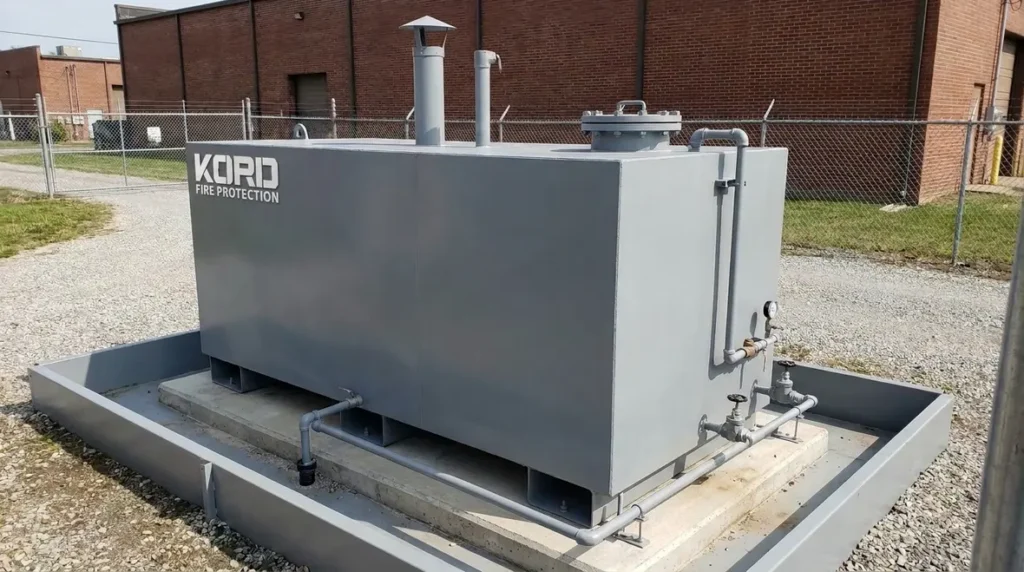
3) Support, anchorage, and safe placement in commercial spaces
Even a correctly built tank can fail to perform as intended if it sits or moves improperly. Section 7.2 supports the broader intent of stable tank placement, because structural instability can stress seams, distort fittings, and affect venting performance.
Where problems show up most often
Uneven foundations or unapproved supports: Tanks installed on inadequate bearing surfaces can settle or shift, creating strain at flanges and connections.
Vibration and piping loads: Piping that is not properly anchored can pull on tank nozzles, loosening seals over time.
Snow load and incidental impact risks: In outdoor commercial settings, placement near walkways, vehicle routes, or areas subject to impact can cause mechanical damage.
4) Venting, drainage, and emergency operating safeguards
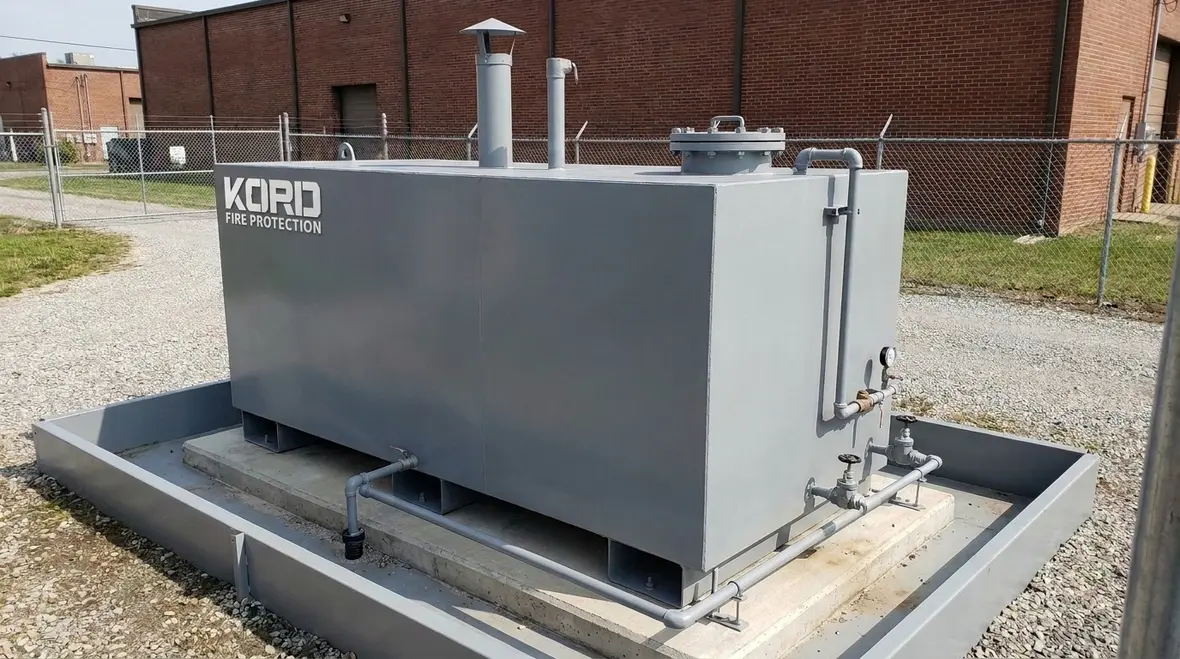
Basic tank design rules must support controlled pressure behavior and safe handling of leaked or condensed liquids. While later NFPA sections cover installation and equipment details, Section 7.2 establishes the baseline expectation that the tank configuration supports safe operation.
Vent performance and the “stacking” of risks
Vent-related issues frequently create cascade failures:
Restricted or misdirected vents: Can lead to abnormal pressure or vacuum conditions that stress tank components.
Condensate or debris accumulation: Can reduce airflow and increase the likelihood of vent malfunction.
Improper vent termination location: Can place the vent outlet where it can introduce ignition risk under certain wind and operating conditions.
Drainage and containment principles
Drainage provisions matter because fuel residue from normal operations and cleaning can accumulate. Facilities often overlook that drainage pathways must remain functional, accessible, and protected from becoming blocked or redirected. Drainage design also influences how quickly maintenance can remove contamination and how readily the system can be inspected without major disassembly.
5) What compliance teams should document and verify
Commercial compliance succeeds when documentation matches physical reality. NFPA 31 fuel tank design construction requirements should be verified with a clear evidence trail that supports inspections and reduces downtime during audits.
Recommended evidence package
Tank identification and rating: Make sure the records specify the tank design basis and intended fuel service.
As built placement and support details: Include foundation or support drawings where available, plus confirmation of alignment and anchorage method.
Accessory configuration: Provide venting, drainage, and access closure verification including photos and maintenance records.
Alteration history: Track any modifications, component replacements, and inspection outcomes after changes.
Kord Fire Protection supports commercial facilities with ongoing assessment, testing coordination, and practical maintenance planning that aligns with audit expectations. This reduces recurring failures caused by equipment drift, contractor substitutions, and “temporary fixes” that degrade over time.
Frequently Asked Questions
Conclusion and call to action
NFPA 31 Section 7.2 drives the foundation of safe fuel tank performance through basic design and construction integrity. Commercial facilities should treat these requirements as verification items, not assumptions, and build an evidence package that matches the physical installation. For hands-on support with assessments, inspection readiness, and maintenance coordination, contact Kord Fire Protection to review your tank configuration and help maintain compliant, reliable operation.

Join Our Newsletter!
Get the latest fire safety tips delivered straight to your inbox From our Newsletter.