
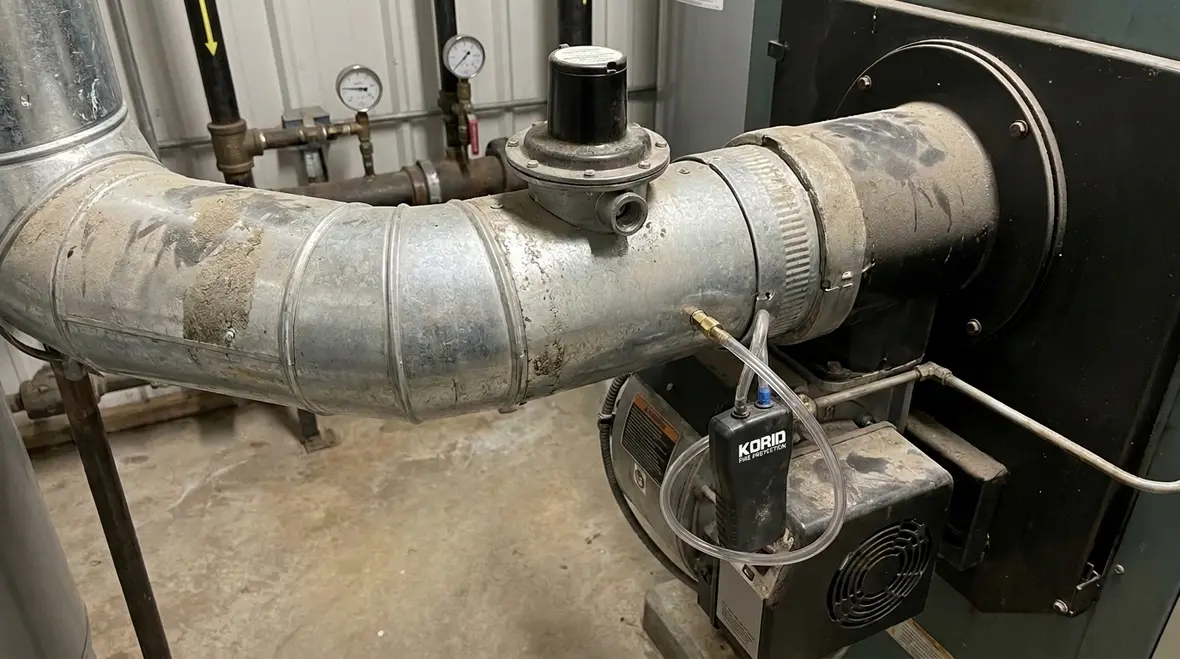
NFPA 31 Section 6.3: Understanding Draft in Oil Equipment Venting
Quick Answer: Draft in oil burner venting is the measurable pressure effect that moves combustion products through the vent system. NFPA 31 Section 6.3 ties draft control to safe combustion and proper venting performance. Owners must verify draft conditions after installation and during ongoing maintenance.
Why NFPA 31 Section 6.3 Treats Draft as a Safety Variable
NFPA 31 Section 6.3 focuses on how the vent system and burner work together. Draft influences flame stability, combustion efficiency, and the likelihood of flue gas spillage or odor release. In commercial, industrial, and retail facilities, operational changes such as exhaust fans, door cycling, and stack effects can alter draft during the day, not just at commissioning.
For teams managing multiple boilers, heaters, and process equipment, the goal is consistent, repeatable vent performance. That objective is why NFPA 31 draft requirements oil burner venting cannot be treated as a one time checklist item. It requires field verification and documented maintenance.
For a practical installation and compliance view of how these systems should be set up and maintained, refer to Kord Fire Protection’s NFPA 31 practical guide to oil burning equipment installation.
What “Draft” Actually Means in Oil Venting
In oil burner systems, draft refers to the pressure differential that drives combustion gases through the chimney, vent connector, and related components. Field measurements typically focus on negative pressure in the venting pathway, but the exact approach depends on equipment design and the measurement points used by the commissioning and service team.
Key mechanisms that create draft
- Thermal draft: Temperature rise of flue gases reduces density and creates buoyancy, pulling gases upward.
- Wind and building effects: Wind can increase or destabilize draft depending on vent terminal location and building geometry.
- Mechanical impacts: Other fans and exhaust equipment can reduce available draft or even reverse flow if pressure relationships shift.
- Vent system resistance: Changes in liner condition, blockage, oversized or undersized components, and poor routing increase resistance and affect draft.
NFPA 31 Section 6.3 expects the venting system to support reliable gas movement under normal conditions. When draft drifts outside acceptable operating conditions, combustion characteristics can change and flue gas behavior can become unpredictable.
NFPA 31 Section 6.3: How Draft Requirements Connect to Burner Operation
Draft requirements in NFPA 31 Section 6.3 link the vent system to burner performance. The practical compliance expectation is that burners receive adequate draft to remove combustion products without spillage, while maintaining stable ignition and steady operation across the equipment’s firing range.
Operational outcomes of poor draft
- Low or insufficient draft can lead to flue gas spillage at the draft regulator or appliance top, increased soot formation, and unstable flame.
- Excessive draft can pull combustion air and products too aggressively, potentially increasing heat loss, reducing combustion efficiency, and accelerating burner cycling.
- Draft instability often appears when the vent terminal is affected by wind or when building pressure control is inconsistent.
Common commercial compliance problem areas include altered building pressure from HVAC changes, improper vent connector slope, incorrect draft regulator settings, and vent system deterioration that increases resistance. These issues often surface during facility remodels or seasonal transitions, even when the original installation passed earlier inspection.
In practice, organizations meet NFPA 31 draft requirements oil burner venting by verifying field conditions and ensuring the vent system components remain within design intent through inspection and maintenance.
Where Compliance Breaks Down: Inspection and Maintenance Failure Points
Draft performance depends on vent integrity and correct adjustment. Many failures do not originate in burner controls; they come from vent system condition, changes in building airflow, or incorrect accessory setup.
Top draft related failure points
- Blocked or restricted venting: Soot buildup, moisture deposits, and debris increase resistance and reduce available draft.
- Deteriorated chimney liners: Cracks, delamination, or corrosion change flow characteristics and can promote leakage.
- Incorrect draft regulator installation or settings: A regulator out of adjustment can create low draft conditions during part load or excessive draft at full load.
- Improper vent connector configuration: Connector length, routing, and joint workmanship affect pressure loss and gas movement.
- Air leakage and seals: Gasket deterioration or missing seals allow air infiltration that can dilute flue gases and destabilize draft.
- Building pressure disturbances: Exhaust hood operations, makeup air changes, and high volume door activity can reverse flow risk.
Maintenance practices that protect draft stability
- Scheduled cleaning and inspection based on operating hours and observed soot accumulation.
- Verification after any building modification that changes pressure relationships or airflow distribution.
- Documented draft and combustion measurements during commissioning and at recurring service intervals.
- Condition based assessment for liners, regulators, and vent connectors, especially in facilities with recurring moisture exposure.
Kord Fire Protection supports commercial clients with repeatable service workflows that align maintenance actions with field verification, helping facilities sustain compliance over time rather than relying on initial installation acceptance.
How to Confirm Draft Performance in the Real World
Draft confirmation focuses on measurement at the correct location and under representative operating conditions. In commercial settings, the most reliable approach matches the measurement process to how the burner actually runs in service, including normal cycling and seasonal load profiles.
Practical steps facility teams follow
- Establish baseline operation: Verify burner firing rate, fuel quality, and control status before evaluating venting behavior.
- Check vent system integrity: Look for obvious restrictions, incorrect components, loose joints, and evidence of spillage or staining.
- Measure draft using appropriate test practices: Use consistent measurement points and record results so trends are visible across visits.
- Correlate draft with combustion results: Draft reading alone does not guarantee safe venting performance. Teams confirm combustion parameters to ensure draft supports stable combustion.
- Adjust draft regulating components only after verification: Adjustments should be tied to measured outcomes and documented to avoid repeated guesswork.
- Re check after changes: If the facility has mechanical ventilation changes or doors open frequently, confirm draft stability under those conditions.
This approach is aligned with the practical compliance mindset described in Kord Fire Protection’s NFPA 31 installation and compliance guidance, where the emphasis remains on field verification and maintainable setups that stay safe as conditions change.
Common Questions Commercial Managers Ask About Draft
Commercial decision makers usually want to know what actions reduce risk, what documentation is needed, and how quickly issues typically appear. The answers below reflect common site realities such as multiple tenants, shared building systems, and recurring HVAC adjustments.
What triggers draft problems most often?
- Seasonal HVAC changes and exhaust system modifications
- Vent system aging, liner deterioration, and partial blockage
- Incorrect maintenance intervals or missed inspections
- After hours operations that alter building pressure
Frequently Asked Questions
Conclusion and Call to Action
Draft in oil burner venting directly affects combustion stability and safe flue gas movement, which is why NFPA 31 Section 6.3 demands field oriented control and verification. Kord Fire Protection helps commercial facilities maintain compliance through inspection, tuning support, and documented testing that accounts for building pressure realities. Schedule a draft focused service review today to confirm performance now and reduce risk during seasonal and operational changes.

Join Our Newsletter!
Get the latest fire safety tips delivered straight to your inbox From our Newsletter.



