NFPA 31 Section 4.1: Scope of the Basic Installation and Operation Requirements
Quick Answer
NFPA 31 Section 4.1 defines what “basic” installation and operating requirements apply to oil burning equipment. It sets the framework for compliant burner setup, system arrangement, and ongoing operation. Understanding this scope helps commercial facilities plan correctly and avoid inspection failures.
For many commercial, industrial, and retail facilities, compliance failures do not come from the complex edge cases. They come from misunderstanding what the “basic” requirements cover, who must apply them, and where common installation or operational shortcuts create risk. This article explains the intent and practical impact of NFPA 31 chapter 4 basic requirements scope as addressed in Section 4.1, with emphasis on what inspectors look for during walk downs, functional checks, and follow up maintenance.
If your facility team is also tightening maintenance discipline across critical building systems, a structured electrical preventive maintenance program can support the same documentation and inspection readiness mindset that helps oil burning equipment stay audit ready.
What Section 4.1 actually controls in the NFPA 31 framework
NFPA 31 organizes requirements into sections that build from foundational rules to more specific system and operational provisions. Section 4.1 establishes the scope of the basic installation and operation requirements. In practical terms, it tells facility owners, contractors, and service providers which baseline expectations apply to oil burning equipment and related systems before the standard moves into more granular requirements.
The important compliance takeaway is that the “basic” rules typically govern items that are observable, measurable, and testable. These include, but are not limited to, core installation arrangement, safe operating interfaces, and minimum operational discipline that supports reliable combustion and prevents unsafe conditions during normal service.
NFPA 31 chapter 4 basic requirements scope: who it applies to and why it matters
Facilities often assume that Section 4 applies only to new builds. In practice, the intent of the basic requirements scope extends to ensuring installed oil burning equipment remains compliant in ongoing operations. Commercial plant managers, maintenance supervisors, and service contractors need a shared understanding of baseline expectations because they directly affect inspection outcomes.
Within the NFPA 31 chapter 4 basic requirements scope, compliance work usually spans:
Installation baseline for burner and fuel system arrangement, including safe integration with the boiler or furnace and serviceable components.
Operational baseline covering normal start, run, and shutdown behaviors that support safe combustion and system stability.
Ongoing maintenance baseline to keep critical components functioning as intended over time.
This approach aligns with how inspectors and insurers evaluate risk. They frequently start with the “basics” because those elements prevent cascading failures. A poorly set up burner, contaminated fuel train components, or missing safeguards usually show up as repeat faults, nuisance shut downs, or unsafe combustion indicators during routine checks.
Operational procedures tied to Section 4.1: what “basic operation” looks like in the field
Basic operation requirements typically focus on how equipment performs under normal service conditions and how it avoids unsafe operation during abnormal conditions. Even when a facility has advanced controls, the system still needs baseline safe behavior and operational discipline.
1) Start up and run discipline
Commercial facilities commonly see noncompliance when start up steps are skipped or modified. Burners rely on correct sequences for ignition, fuel flow stabilization, and combustion verification. Facilities need documented operational procedures that reflect current equipment configuration.
Common failure points include:
Inconsistent start up routines across shifts.
Incorrect set points that lead to unstable combustion or unsafe conditions.
Fuel quality drift that is not addressed through inspection and adjustment.
2) Shutdown and safeguarding expectations
Basic operation also includes how the system handles shutdown and protective actions. A properly maintained safety control system should respond predictably. When shutdown faults occur repeatedly, the root cause often sits in maintenance gaps, calibration drift, dirty components, or blocked airflow paths.
3) Combustion performance as an operational indicator
In practice, inspectors treat combustion quality as a confirmation that the basic installation and operational configuration works as required. Poor combustion can create ash or deposits that degrade heat transfer surfaces, increase smoke, and contribute to unsafe exhaust conditions.
Installation scope challenges in commercial facilities: the items that routinely fail inspections
Section 4.1 scope becomes especially important when facilities perform upgrades, relocations, or renovations. Many compliance issues occur during change work, when equipment is reconnected, piped, or commissioned without fully validating baseline requirements.
Across retail centers, warehouses, and industrial plants, these challenges show up frequently:
Fuel line routing and serviceability
Fuel trains must allow safe maintenance and functional testing. Poor routing, inaccessible isolation points, or inadequate support can lead to air leaks, vibration issues, or inability to complete routine checks.
Burner tuning and combustion air alignment
Even small misalignments can create recurring ignition or combustion stability problems. Basic requirements scope includes assumptions about safe airflow and properly configured burner setups. If commissioning documentation is missing or incomplete, recurring faults become likely.
Control and safety interface integrity
Safety controls do not function as intended if wiring interfaces, interlocks, or protective components are misapplied or left unverified after service. Inspectors often detect these issues through observation and evidence of functional testing.
Documentation and maintenance records
Operational compliance depends on the ability to demonstrate what was installed and how it has been maintained. Facilities with incomplete service logs or missing commissioning outcomes often struggle during audits, even when equipment appears to run.
How Kord Fire Protection supports ongoing compliance with Section 4.1 basics
Compliance with NFPA 31 chapter 4 basic requirements scope requires more than a one time installation sign off. Commercial operations depend on repeatable maintenance, testing discipline, and documentation that withstands inspection scrutiny. Kord Fire Protection positions compliance as an ongoing service rather than a periodic interruption.
Kord Fire Protection typically supports owners and facility managers through:
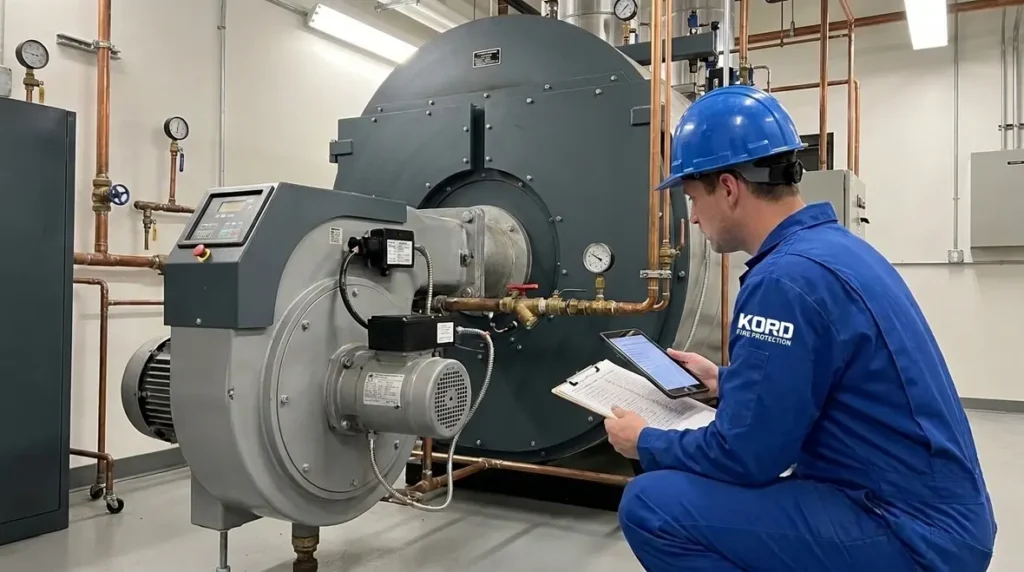
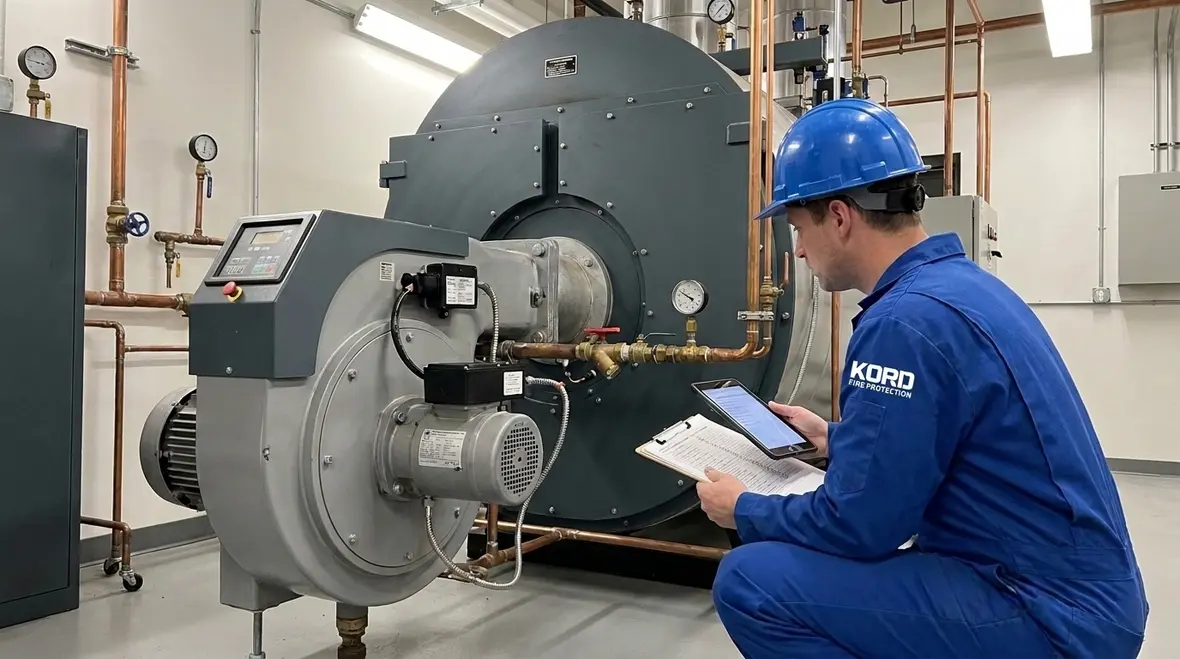
Installation verification support for oil burning equipment integration, with attention to service access and baseline functional expectations.
Commissioning and tuning assistance to confirm combustion performance aligns with safe operating conditions.
Inspection readiness by maintaining records of tests, adjustments, and recurring fault resolutions.
Maintenance follow through that targets common failure points before they become repeat shutdowns or unsafe operating states.
For facilities evaluating oil burner installation and service approaches, Kord Fire Protection provides a practical reference that supports planning and commissioning workflows: NFPA 31 practical guide to oil burning equipment installation.
Commercial teams use this type of resource to reduce rework, standardize documentation, and improve the consistency of service outcomes across shifts and service partners.
Keeping Section 4.1 compliant during upgrades and routine service
Section 4.1 scope becomes a management tool during changes. When a facility replaces a burner, adjusts controls, or modifies fuel piping, the service team must validate that the baseline requirements still hold. This is where many facilities accidentally drift out of compliance.
Change management checklist for facility teams
Confirm equipment configuration matches the installed setup, not just the nameplate assumptions.
Verify burner and fuel train integration is serviceable and arranged for safe operation.
Complete and document functional checks after any work that affects fuel delivery, ignition, or safeguarding.
Assess combustion performance and record outcomes so operational baselines stay consistent.
Update operating procedures so frontline staff operate the system as commissioned.
By treating basic requirements scope as a living standard tied to maintenance and operations, commercial facilities reduce the likelihood of repeat failures and improve audit defensibility.
Frequently Asked Questions
Conclusion and call to action
Section 4.1 sets the baseline for how oil burning equipment must be installed and operated. Facilities that treat the NFPA 31 chapter 4 basic requirements scope as a maintenance and documentation standard, not a one time checklist, reduce risk and inspection downtime. Contact Kord Fire Protection to review your current setup, confirm operational baselines, and establish a compliant service plan that supports safer combustion, reliable safeguards, and audit ready records.

Join Our Newsletter!
Get the latest fire safety tips delivered straight to your inbox From our Newsletter.