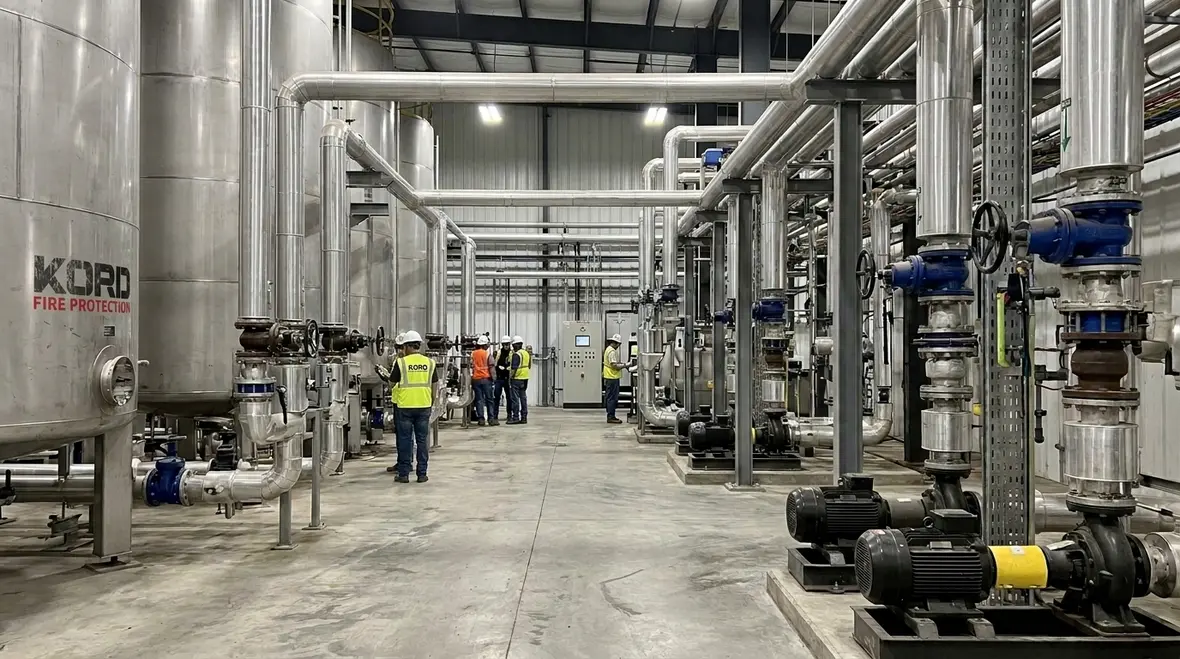
NFPA 30 Section 17.3: Definitions for Liquid Processing Facilities
Quick Answer
NFPA 30 Section 17.3 sets clear definitions that control how authorities and operators classify liquid processing facilities. These definitions determine which safeguards apply to storage, transfer, heating, piping, venting, and operating controls. Correct classification reduces enforcement risk and improves fire prevention performance.
Why NFPA 30 Section 17.3 definitions matter in real operations
Liquid handling systems rarely fail because of a single missing component. Most compliance gaps come from misclassification, inconsistent terminology between contractors and inspectors, or incomplete documentation that causes facility areas to be treated like the wrong hazard category. The NFPA 30 Section 17.3 definitions processing facilities framework is the starting point for consistent interpretation of NFPA 30 requirements, particularly in commercial, industrial, and retail environments where liquid processing may occur in production, packaging, blending, dispensing, and maintenance activities.
From a practical compliance perspective, the value of the definitions is that they translate directly into scope and inspection expectations. When the facility defines the correct processing classifications, it can align work permits, operating procedures, inspection checklists, equipment listings, and training records with the hazards the standard intends to address.
For broader context on the code itself, Kord Fire Protection’s NFPA 30 flammable and combustible liquids overview helps connect these definitions to the larger safety strategy, and facilities tightening documentation can also reference Kord Fire Protection’s compliance support services for practical field validation.
What NFPA 30 Section 17.3 covers: definitions that drive scope
NFPA 30 Section 17.3 focuses on terms used throughout NFPA 30 that describe liquid handling and facility arrangements. While the exact wording and numbering of terms remains within the standard text, the operational purpose is consistent: define how “processing” and related facility characteristics are interpreted so the rest of the code can be applied correctly.
In day to day facility management, the most important outcomes of these definitions typically include the following:
- Determining which processes count as liquid processing versus incidental storage or handling.
- Establishing the facility boundaries and the extent of hazardous locations for safeguards and documentation.
- Clarifying how transfer and treatment steps are treated as part of the processing process chain.
- Confirming which equipment functions are considered processing related for inspection and maintenance planning.
How misinterpreting definitions creates compliance risk
Commercial facilities often operate with multiple contractors, seasonal staffing, and frequent equipment changes. Those realities increase the chance of “definition drift,” meaning the site operates one way, but the documented classification in drawings, hazard evaluations, or procedures reflects something else.
Common failure points inspectors and fire marshals look for
- Process boundary mismatches: Waste transfer points, intermediate tanks, and blending skids get treated as separate areas without confirming they fit or fail the applicable definition of processing facilities.
- Inconsistent terminology: Labels on piping, equipment tags, and work instructions do not match the terminology used in NFPA 30 related hazard evaluations.
- Vent and pressure control documentation gaps: Facility teams sometimes maintain tank venting practices but lack the documented basis tying the arrangement to the definitions and intended safeguards.
- Equipment change control failures: Replacement pumps, upgraded heaters, or modified piping runs change the processing behavior, but the definition driven classification is not updated.
- Maintenance procedure disconnects: Inspection intervals and acceptance criteria do not align with what the standard expects for processing related equipment.
Typical consequences
When definitions processing facility scope is not properly established, safeguards can be under applied. That can lead to enforcement actions, delayed occupancy approvals, increased insurance premiums, or costly retrofits during a compliance cycle. More importantly, it can leave practical risks unaddressed, such as ignition source control around transfers, inadequate spill response planning for processing areas, or improper management of vapors during heating or recirculation.
Equipment and procedures tied to processing facility definitions
Once the facility classification aligns with NFPA 30 Section 17.3 definitions processing facilities intent, the next step is translating definitions into enforceable operational controls. The following areas commonly require tighter procedures and evidence of maintenance.
Transfer and pumping systems
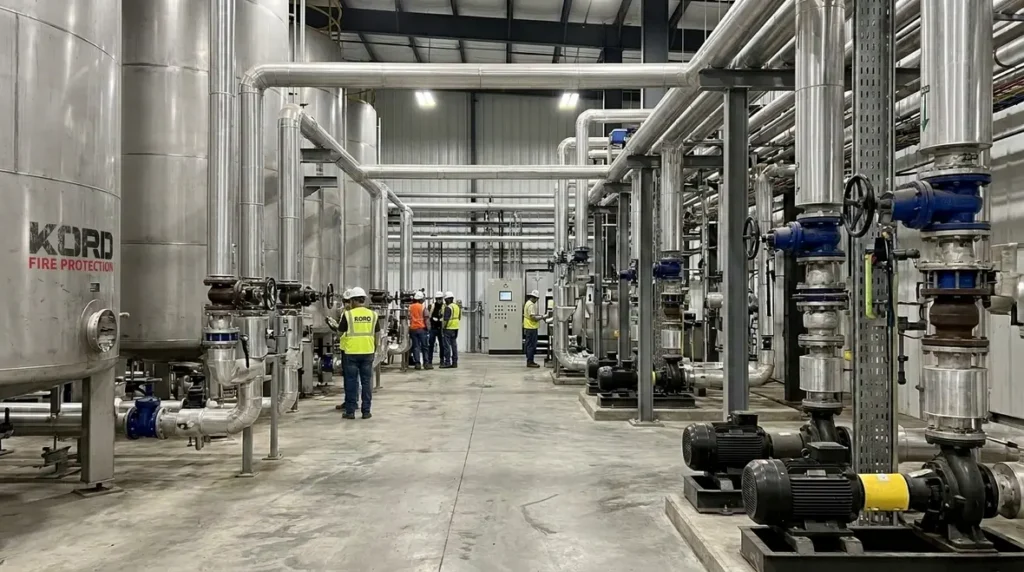
Processing definitions often influence how transfer steps are treated, which then shapes requirements for pump selection, motor protection, bonding and grounding practices, and operating procedures. Maintenance teams should verify that suction and discharge configurations remain consistent with the hazard review. Common issues include worn couplings, degraded seals, and incorrect gasket selection that can increase leak probability during transfer cycles.
Heating, recirculation, and temperature control
If the process includes heating or temperature managed handling, definitions influence expectations for controls that prevent overheating and limit ignition potential. Operational procedures should include clear start up and shutdown steps, temperature set point verification, alarm response rules, and a maintenance record for temperature sensors and control valves.
Piping, valves, and isolation strategies
Processing facility definitions affect how piping runs and isolation boundaries are documented. Inspectors commonly expect evidence that isolation valves are accessible, labeled, maintained, and capable of controlling releases during abnormal conditions. Field issues include valve mislabeling, inaccessible shutoffs behind equipment racks, and non conforming modifications by maintenance technicians without update to documentation.
Vent and vapor management practices
Even with strong spill prevention, vapor management remains a critical safeguard. Processing definitions support correct vent configuration assumptions, pressure control behavior, and inspection readiness. Maintenance should include verification that vent paths remain unobstructed, flame arresting components where present remain in serviceable condition, and that records show periodic inspection based on the facility risk and equipment manufacturer direction.
Compliance workflow: documenting definitions correctly
Facilities typically improve audit outcomes when they treat NFPA 30 Section 17.3 definitions processing facilities as part of a structured compliance workflow rather than a one time interpretation.
- Map process steps to defined terms: Create a process flow that matches equipment functions to NFPA 30 terminology used in the facility risk basis.
- Confirm the facility boundaries: Identify processing areas, adjacent storage, transfer routes, and any intermediate treatment zones.
- Update drawings and tag lists: Ensure P and ID drawings, equipment tags, and electrical and instrumentation callouts support the same classification logic.
- Align operating procedures and work permits: Include defined start up, shutdown, transfer control, abnormal condition steps, and spill or leak response actions for processing areas.
- Set inspection and maintenance standards: Define inspection points, acceptance criteria, and frequency for processing equipment, vents, valves, pumps, and seals.
- Maintain evidence for enforcement: Keep inspection reports, maintenance logs, and training records tied to the processing classification decisions.
For a broader regulatory context on flammable liquid handling and how NFPA 30 establishes oversight expectations, see: how NFPA 30 regulates flammable liquids. This helps facility teams connect definitions to the safeguards and compliance logic used across the standard.
How Kord Fire Protection supports ongoing compliance
Correct definitions do not stay correct without active management. Equipment modifications, seasonal operating changes, and maintenance practices can erode compliance over time. Kord Fire Protection supports commercial facilities with practical, field validated approaches to fire and life safety compliance including inspection readiness, documentation support, and maintenance oriented verification.
Working with Kord Fire Protection helps teams reduce the most common operational gaps tied to NFPA 30 Section 17.3 definitions processing facilities scope. This includes aligning inspection points with processing boundaries, validating that procedures match actual equipment configuration, and ensuring that maintenance activities generate the evidence inspectors expect.
For facility support options, visit kordfire.com.au.
Frequently Asked Questions
Next step: lock your processing classifications and inspection evidence
Assign ownership of NFPA 30 Section 17.3 definitions processing facilities scope to a single accountable team, then verify that drawings, procedures, and maintenance records match the classification. If your facility has had recent modifications or last minute compliance pressure, Kord Fire Protection can help streamline inspection readiness and align ongoing maintenance evidence with the standard’s intent. Request a compliance review today through kordfire.com.au.

Join Our Newsletter!
Get the latest fire safety tips delivered straight to your inbox From our Newsletter.