NFPA 1900 Section 13.7 Fire Pump Discharge Outlets
Quick Answer: NFPA 1900 Section 13.7 sets the rules for fire pump discharge outlets so pumps deliver water safely, reliably, and at the needed flow. For industrial, retail, and commercial sites across Australia, this means proper outlet size, layout, and access matter. Kord Fire Protection can help design, inspect, and maintain these systems with steady, practical expertise.
Fire pumps do not get much glory, but when the heat is on, they are the quiet force that keeps a site from turning into a headline. The fire pump discharge requirements NFPA 1901 and the broader NFPA 1900 framework guide how discharge outlets must perform so water reaches the fire system with the right pressure and flow. For facilities across Australia, that matters a great deal. In a warehouse, shopping centre, plant room, or logistics hub, a weak discharge setup can stall the whole defense plan. That is where clear design and careful service step in.
For sites that need hands-on support with pump reliability, testing, and scheduled upkeep, Kord Fire Protection’s fire pump service fits naturally into this conversation. It covers inspection, repair, maintenance, and testing, which is exactly the kind of practical backup facilities need when discharge outlet performance cannot be left to luck.

What NFPA 1900 Section 13.7 means for fire pump discharge outlets
Section 13.7 focuses on the discharge outlets that carry water from the fire pump into the protection system. In plain terms, it sets expectations for how those outlets should be built, arranged, and supported so they do not fail under load. The section helps reduce pressure loss, support stable flow, and improve system reliability during a fire event.
For busy commercial and industrial sites, this is not just paperwork dressed in a hard hat. It affects real performance. If the discharge outlet is poorly sized, badly located, or hard to service, the pump may not deliver the output the building depends on. As a result, the whole fire protection chain can suffer.
Why outlet layout matters more than it first appears
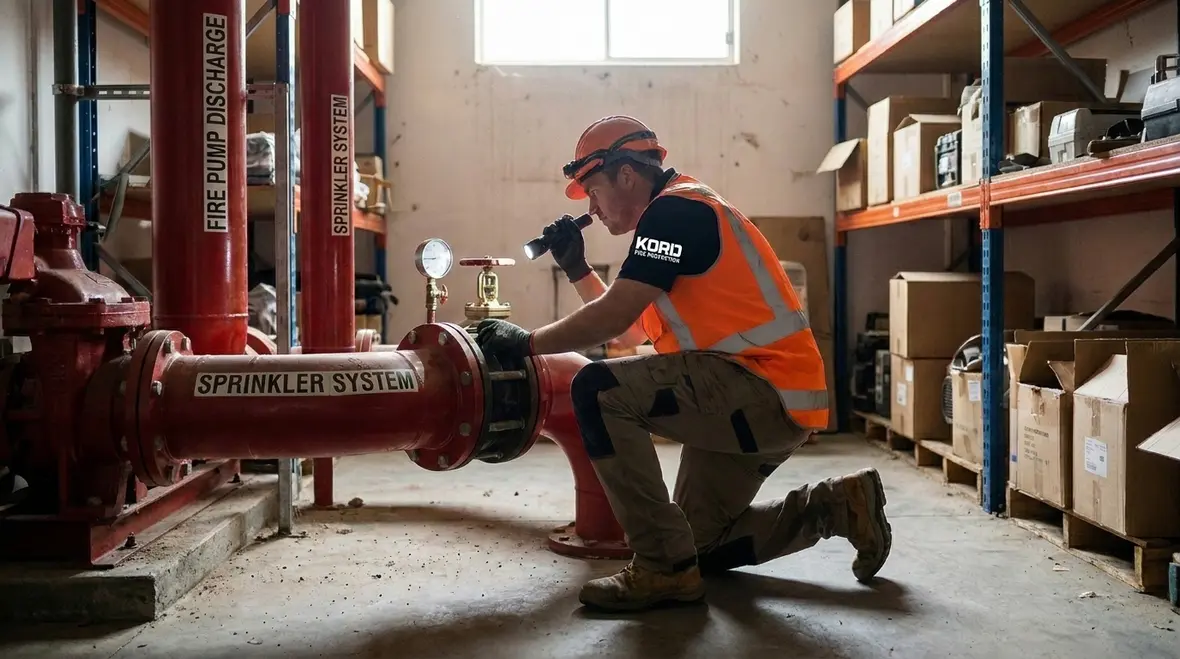
The discharge outlet has one job, but it has to do that job perfectly when everything else is stressed. It must pass water efficiently, stay accessible for testing, and fit cleanly with valves, gauges, fittings, and downstream pipework. If the arrangement is clumsy, crowded, or modified without thought, the pump pays the price first and the building pays for it later.
Why fire pump discharge requirements matter on site
Fire pump discharge requirements NFPA 1901 and related outlet rules matter because pumps must do more than simply turn on. They must move water fast, hold pressure, and work with the rest of the system without drama. That means the discharge outlet must support:
- steady water delivery under demand
- low loss through the piping run
- safe access for testing and maintenance
- strong coordination with valves, gauges, and controls
- dependable performance when conditions are at their worst
In other words, the outlet is not a side character. It is part of the main cast. Think less “background extra” and more “the one who saves the day in the final scene.”
Pressure loss is sneaky, and that is the problem
On paper, a discharge path can look perfectly reasonable. On site, a few bad bends, a cramped valve position, or a poorly chosen fitting can quietly add resistance. That resistance steals useful pressure, complicates testing, and makes the system less forgiving during real demand. Nobody notices when everything is calm. Everyone notices when water performance is suddenly not what the design promised.
How the discharge outlet affects pump performance
The pump can only perform as well as the system around it allows. If the discharge outlet creates too much resistance, the pump may waste energy and lose useful pressure. If the layout traps air or adds unnecessary bends, the system can become harder to test and less stable during operation.
That is why designers and service teams need to pay close attention to outlet arrangement, pipe support, and connection points. A well planned discharge setup helps the pump move water smoothly. Moreover, it reduces wear and supports easier inspection work later on. Good design today usually means fewer surprises tomorrow, which is always a nice change from the usual fire protection “interesting developments.”
This is also where broader code context helps. Facilities that want a bigger-picture view of the standard can review Kord Fire Protection’s take on the NFPA 1900 standard, which complements the discharge outlet discussion by showing how performance expectations connect across the system.
Common compliance issues facilities should watch for
Many sites run into trouble when the discharge side of the pump gets changed over time. A small modification here, a replacement valve there, and suddenly the system no longer matches the original intent. Common issues include:
- undersized discharge piping
- poor outlet access for testing
- missing or unclear identification
- unsupported pipework that vibrates or shifts
- changes that affect pressure and flow balance
These problems often hide in plain sight. However, they usually show up during testing, audits, or an emergency. That is why facilities across Australia benefit from regular review, not just reactive repairs after something goes sideways.
Small changes can create big system headaches
A valve swap that seemed harmless, an extra fitting added during another project, or support hardware moved to make room for something else can all chip away at performance. No one sets out to create a compliance problem. It usually happens one practical decision at a time until the discharge side starts behaving like it has its own opinions.
What the standard expects
- Support correct discharge outlet sizing and arrangement
- Promote reliable flow from the fire pump
- Allow safe testing and maintenance access
- Reduce pressure loss and system strain
What a site should do
- Inspect outlets during routine fire system checks
- Confirm layout has not been altered without review
- Keep valves, labels, and access points clear
- Use qualified fire protection support for any changes
How Kord Fire Protection supports commercial and industrial sites
Kord Fire Protection can become a vital partner because discharge outlet work is not just about parts. It is about system knowledge, site safety, and long term reliability. For industrial, retail, and commercial properties, Kord Fire Protection can help with inspection, maintenance, rectification, and upgrade planning so the pump system stays aligned with fire safety goals.
Just as important, Kord Fire Protection understands the practical side of live sites. That means work can be planned around operations, access limits, and asset risk. For a distribution centre that cannot stop moving or a retail site that must stay open, that kind of support matters. Nobody wants a compliance job to turn into a season finale nobody asked for.
A practical partner is worth a lot when the site stays busy
Live commercial and industrial sites rarely pause so a pump room can enjoy some peace and quiet. Service planning has to work around deliveries, production, tenants, trading hours, and access restrictions. That is why practical scheduling and clear reporting matter almost as much as the wrench work itself. Good technical support should reduce friction, not become an extra source of it.
What a proper inspection and maintenance plan should include
A strong plan should review more than the visible hardware. It should also check how the discharge side behaves under test and whether the system still matches the approved design. A good program includes:
- visual inspection of discharge outlets and fittings
- flow and pressure checks where required
- verification of labels, valves, and supports
- assessment of any site changes that could affect performance
- repair or replacement of worn parts before failure occurs
Furthermore, this kind of work supports audit readiness. It also helps facility managers make better budget decisions, because they can fix small issues before they become expensive ones. That is a lot better than discovering a discharge problem at the exact moment everyone would prefer fewer surprises, less paperwork, and a calmer week.
FAQs
Conclusion
NFPA 1900 Section 13.7 gives fire pump discharge outlets the attention they deserve, because performance starts at the outlet, not just the pump. For facilities that need dependable fire protection, Kord Fire Protection can help keep systems compliant, practical, and ready when it counts.
If a site wants less risk and more confidence, it is time to bring in a partner that knows the job well. Good discharge outlet design, regular review, and smart maintenance create the kind of reliability that does not ask for applause, but absolutely earns it.

Join Our Newsletter!
Get the latest fire safety tips delivered straight to your inbox From our Newsletter.