
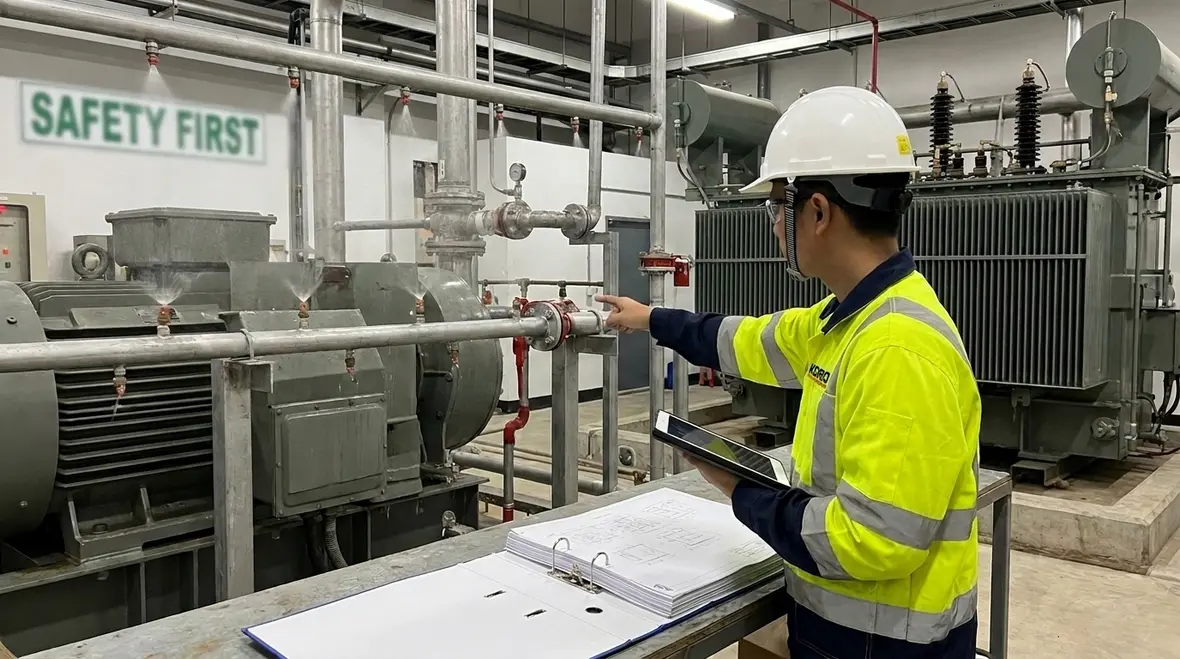
NFPA 15 Section 2.2 Required Publications for Water Spray Design
Quick Answer
NFPA 15 Section 2.2 tells teams which NFPA publications they must use when designing and installing water spray systems. In plain terms, it keeps the job grounded in the right rules, so the system works when heat, fire, or process risk shows up. For Australian industrial and commercial sites, Kord Fire Protection can help turn those rules into a safe, compliant, and practical result.
NFPA 15 Section 2.2 matters because water spray systems do not live on guesswork. They rely on the right standards, the right references, and the right site plan. In the world of NFPA publications required water spray design, Section 2.2 points designers toward the publications that shape safe installation and proper performance. That means the system does more than spray water. It matches risk, layout, and equipment in a way that supports real protection for industrial, retail, commercial, and facility assets across Australia. As the old saying goes, the fire does not care about paperwork, so the paperwork had better care about the fire.
When teams begin mapping out a project, it also helps to connect this work to broader full fire protection services so water spray design does not end up isolated from the rest of the building’s fire strategy. A water spray system can be excellent on its own and still create problems if inspections, pumps, alarms, and lifecycle service are all treated like distant cousins at a family barbecue.

What NFPA 15 Section 2.2 Covers
Section 2.2 lists the NFPA publications that support water spray systems. These references guide design decisions, installation details, and system checks. They help keep the engineer, contractor, and facility team on the same page. Just as important, they reduce the chance of shortcuts that look fine on a drawing but fail under pressure. That is where NFPA publications required water spray design becomes more than a phrase. It becomes a method.
Water spray systems often protect high value equipment, transformers, tanks, conveyors, cable trays, and process areas. Therefore, the reference set matters. A missing standard can lead to weak layouts, poor nozzle placement, or pump sizing issues. In other words, the system may still look impressive on paper, but paper does not stop flames. Not even in a dramatic movie montage.
The job of the required publications
The listed publications do not exist to make the specification package heavier. They exist to create a dependable chain between hazard assessment, hydraulic intent, equipment selection, installation quality, and long term serviceability. If one link gets skipped, the system can drift away from the hazard it was meant to protect. That is usually when expensive surprises start showing up during review, testing, or worse, an actual incident.
For site owners and facility managers, the value is practical. A properly referenced design is easier to explain, easier to verify, and easier to maintain. It gives contractors fewer excuses, engineers a clearer framework, and operations teams a better chance of living with a system that supports the site instead of constantly interrupting it.
Why the Required Publications Matter in Real Projects
Each publication in the NFPA reference list supports a part of the whole system. Some guide water supply and piping. Others support fire protection layout, equipment spacing, or overall safety practices. Because of that, the design team can build a system that suits the hazard instead of forcing a generic answer onto a specific risk.
This matters in busy facilities. For example, a retail distribution centre may need protection for loading zones and electrical spaces. Meanwhile, an industrial site may need water spray for process vessels or exposed machinery. The same approach does not fit both. Therefore, the required publications help shape the design around the real site conditions.
The same logic shows up in related Kord guidance on NFPA 15 and water spray fixed systems, where the bigger picture is clear: the standard is not there to make everyone admire a binder. It is there so the system responds in a way that makes engineering sense when the hazard stops being theoretical.
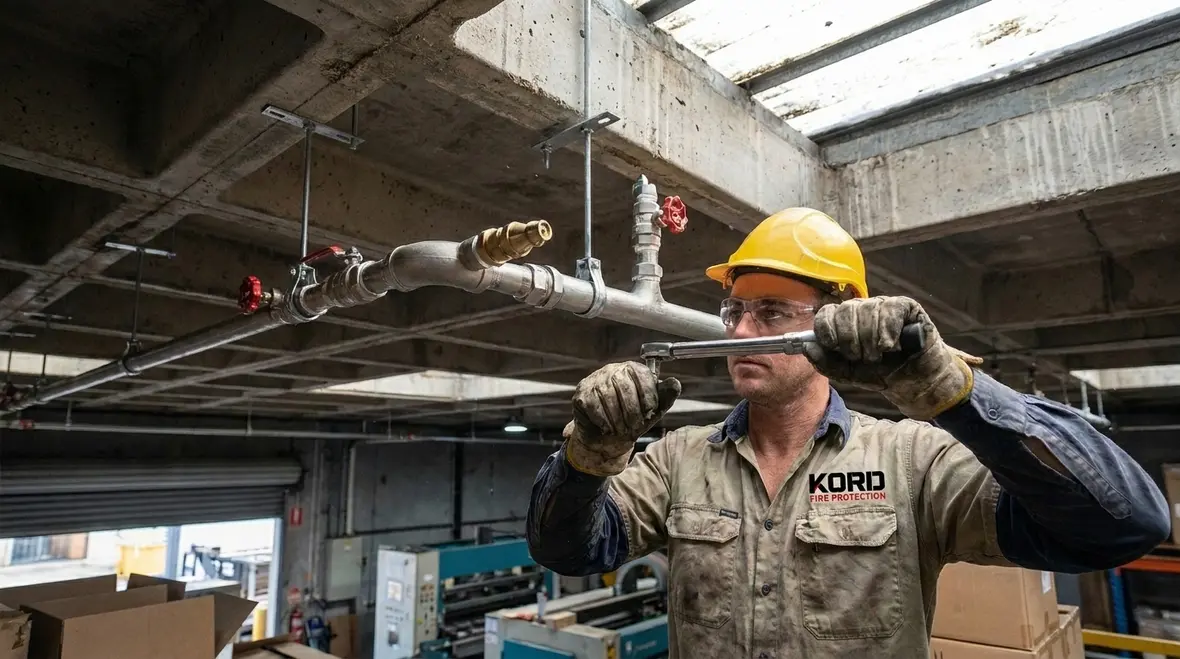
Why references keep projects honest
In real projects, everyone is balancing budget, timing, access, shutdown windows, documentation, and installation constraints. Without a defined reference path, water spray design can get bent by convenience. Nozzles move because a pipe run looks easier. Valve locations shift because another trade wants the space. Flow assumptions shrink because everyone is feeling optimistic. The required publications act like a polite but firm adult in the room.
They also improve communication between disciplines. Electrical teams, mechanical contractors, project managers, and owners all need a common basis for design. A referenced standard gives them one. That reduces rework, avoids strange late stage arguments, and helps everyone focus on whether the system will protect the asset rather than whether someone guessed confidently in a meeting.
How a Water Spray Design Gets Built Around the Rules
A strong design starts with hazard review. Then it moves into water demand, nozzle arrangement, pipe routing, and control method. After that, the team checks access, maintenance needs, and local compliance expectations. Throughout this process, the reference publications act like a map. Without them, the route gets messy fast, and nobody wants a fire system built like a plot twist in a late season drama.
For Australian sites, that process also needs local understanding. A system may meet the NFPA reference path, yet still need fit out work that suits local conditions, building use, and operational needs. Therefore, the best outcomes come from teams that understand both the standard and the site.
Key steps in practical design development
- Review the specific hazard and identify what must be protected.
- Confirm water supply capacity, pressure, and reliability.
- Lay out nozzle locations and spray characteristics to suit the target equipment or exposure.
- Coordinate piping, valves, drains, controls, and access clearances.
- Check inspection and maintenance access before the design is treated as finished.
- Align the finished concept with site operations so protection does not create unnecessary daily disruption.
That sequence may sound straightforward, but even simple systems can become awkward if the references are ignored or applied halfway. A design that technically fits on the drawing but blocks service access, clashes with machinery, or overlooks the hazard footprint is not clever. It is just a future headache wearing a hard hat.
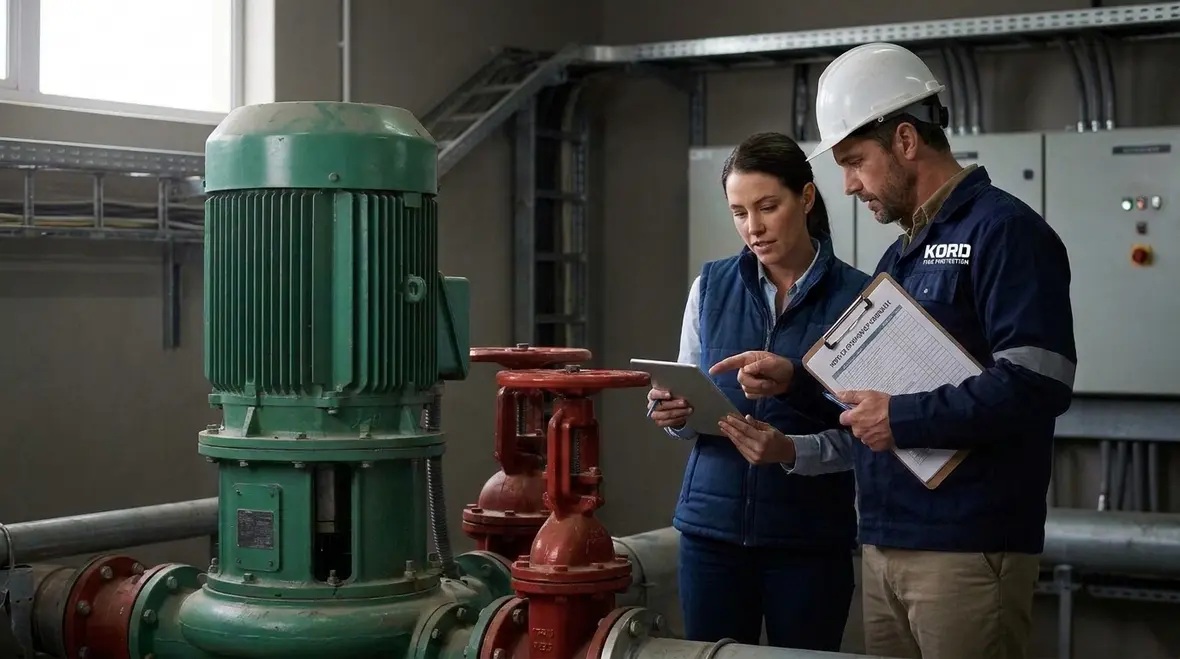
Dual Column View: What the References Support
Design Area
- System layout
- Water supply
- Equipment protection
- Installation
- Maintenance planning
What the Publications Help With
- Correct nozzle spacing and coverage
- Flow, pressure, and demand checks
- Matching the hazard to the spray pattern
- Proper pipework, valves, and controls
- Easier inspection and long term service
How Kord Fire Protection Adds Value
Kord Fire Protection can become a vital partner because this work needs more than installation labour. It needs practical fire protection knowledge, careful coordination, and a clear understanding of what the standards ask for. Kord Fire Protection can help assess site needs, support compliant design, and deliver a system that suits the building and the risk. That saves time, reduces confusion, and helps the project move with purpose instead of wandering around like a cable tie in a hurricane.
For facilities teams, that support matters. Kord Fire Protection can work with project managers, builders, engineers, and site operators to keep the design aligned with the required publications. In addition, they can help with service planning, inspection needs, and system upkeep after installation. That kind of support gives owners more than compliance. It gives them confidence.
That value grows when the project sits inside a wider facility improvement effort. Kord Fire content on optimizing industrial fire suppression systems in Australia speaks to the same reality: protection needs to match actual assets, actual operations, and actual maintenance conditions, not just a tidy theory on a checklist.
What Australian Industrial and Commercial Sites Should Check
Before work begins, site teams should confirm the hazard type, water source, and protection goal. They should also review the relevant NFPA references, local requirements, and access needs for maintenance. Then they should confirm that the design supports operations without blocking workflow or creating extra risk.
Commercial and industrial sites across Australia often run with tight schedules and heavy use. Therefore, the fire system must do its job without becoming a daily headache. The right partner can help keep that balance. Kord Fire Protection brings the kind of support that helps a site stay safe without turning the plant room into a mystery box.
A simple pre project checklist
- Define the exact equipment, area, or exposure the system must protect.
- Verify available water supply data instead of relying on assumptions.
- Check how operations, traffic paths, and maintenance routines interact with the system layout.
- Review the reference publications that support the chosen design path.
- Coordinate local compliance expectations with the NFPA based approach.
- Plan inspections and service from the start so long term readiness is built in, not bolted on later.
These checks are not glamorous, but neither is explaining after the fact why a system is difficult to test, awkward to maintain, or strangely placed around the very equipment it was supposed to defend. Good design has a quiet competence to it. It works, it fits, and it does not demand applause every Tuesday.
FAQ
Conclusion
NFPA 15 Section 2.2 gives water spray projects a solid base, and the right publications keep the system honest. For industrial, retail, and commercial sites across Australia, Kord Fire Protection can help turn those standards into a practical result. If a project needs the right design, the right service, and fewer surprises, Kord Fire Protection is ready to help move it forward.
The real win is not just having a compliant design on paper. It is having a system that suits the site, protects the assets, supports maintenance, and behaves properly when conditions stop being calm and start being very expensive. That is the sort of result teams are after, and it is exactly why the reference publications matter.

Join Our Newsletter!
Get the latest fire safety tips delivered straight to your inbox From our Newsletter.



