
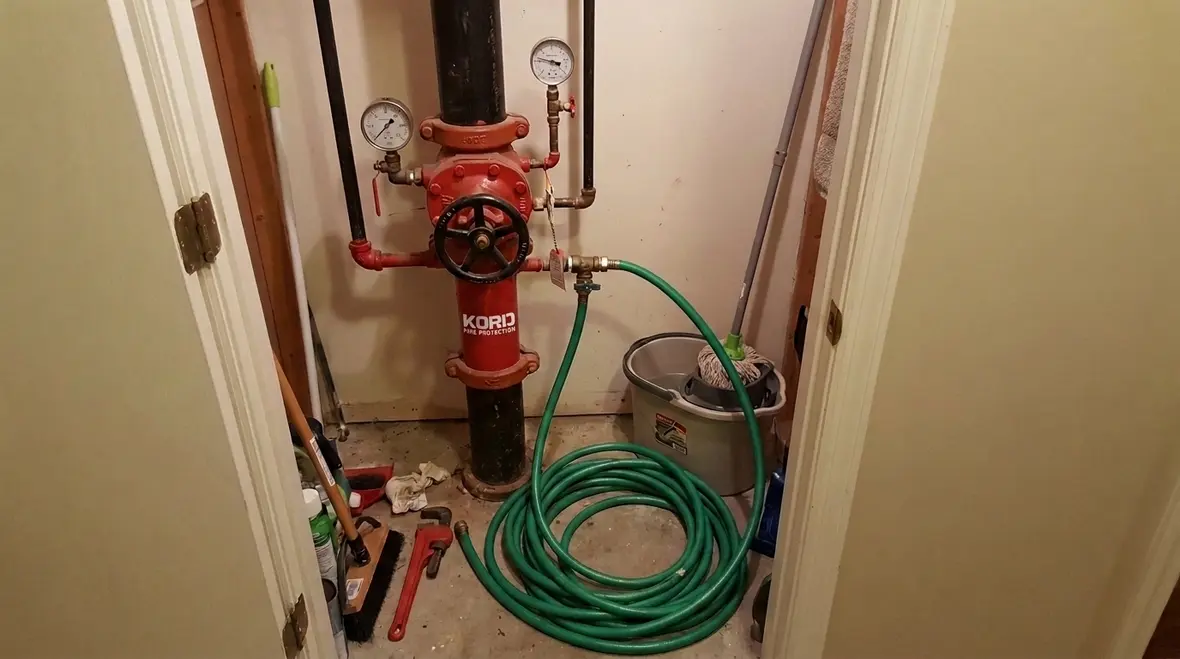
NFPA 13R Section 9.9: Why Non-Fire Protection Connections Are Banned on 13R Systems
Quick Answer
NFPA 13R Section 9.9 prohibits non fire protection connections on 13R sprinkler systems to protect system reliability. Any added loads can reduce available water flow, delay response, and complicate inspections and maintenance. The rule supports dependable fire performance under worst case conditions.
What NFPA 13R Section 9.9 is trying to prevent
NFPA 13R is designed for residential sprinkler applications where life safety performance depends on predictable water delivery when heat activates sprinklers. NFPA 13R 9.9 non fire protection connections prohibited targets a common operational practice: using the fire sprinkler system as a convenient water source for non fire purposes.
When a sprinkler riser is tied to non fire equipment or fixtures, the system becomes vulnerable to demand changes, maintenance interruptions, and hydraulic variability. Those issues can directly undermine sprinkler discharge patterns, pressure at the remote areas, and the ability of inspectors and technicians to confirm correct readiness.
For a broader installation framework, see this practical overview of automatic sprinkler system installation: NFPA 13 overview for automatic fire sprinkler system installation.
If your property team is also managing inspection schedules, repairs, or readiness planning, commercial fire sprinkler services and repair can help connect the code language to what actually has to happen in the field.
Why the prohibition matters in real buildings, not just in code
Non fire connections create a risk model that conflicts with how 13R systems are engineered and managed. A 13R sprinkler system is calculated to meet its listed hydraulic performance during a fire scenario. Section 9.9 limits alterations that can introduce additional flow paths, variable demand, or maintenance conditions outside the intent of the system.
1) Hydraulic performance can degrade under normal occupancy
Non fire uses can draw water intermittently or continuously. Even when such use occurs outside of a fire, it changes the system’s baseline conditions. Technicians often discover problems during commissioning or follow up inspections, when measured residual pressure no longer aligns with what the design expects at critical points.
- Pressure drops during domestic or utility draw can reduce effective sprinkler discharge density at the time of activation.
- Flow demand can alter residual pressure at remote sprinklers, especially in buildings with long branch lines and limited supply headroom.
2) Added controls and valves complicate readiness
Non fire connections typically require additional valves, regulators, check assemblies, backflow protection, and administrative control. Every added component introduces potential failure points and maintenance schedules. In the event of a sprinkler activation, those controls can delay operation, fail closed, or prevent expected water delivery.
3) Unauthorized or informal tie ins often start as “temporary” practices
Commercial facilities frequently retrofit mechanical and plumbing systems over time. Maintenance teams may install temporary hoses, add make up lines, or tie into fire piping for convenience. NFPA 13R 9.9 non fire protection connections prohibited is intended to stop the practice before it becomes embedded as a routine workflow that is difficult to remove.
So what is considered a non fire protection connection?
In practical field terms, the code intent focuses on any connection that uses the sprinkler system water supply or distribution piping for non fire purposes. While exact determinations depend on system layout and the authority having jurisdiction, the compliance issues usually show up in these categories:
- Connections that supply hose stations, washdown equipment, or cleaning apparatus when those uses are not part of the sprinkler system fire performance design.
- Non fire plumbing integration that causes normal occupancy demand to share the sprinkler riser or supply.
- Supplementary systems tied into the sprinkler piping that require regular draining, isolation, or operational sequencing.
- Utility lines that bypass inspection and maintenance programs intended for fire sprinkler components.
Facilities should treat any proposed tie in to sprinkler piping as a compliance question requiring documentation, hydraulic review, and approval by the AHJ. The quickest way to prevent rework is to follow a documented process before any plumbing or mechanical contractor starts connecting to the fire system.
How Section 9.9 impacts inspections, acceptance testing, and maintenance
Non fire connections do not only affect hydraulics. They also disrupt the operational procedures that inspection and service teams rely on to confirm the system remains capable of delivering water at the required times.
Inspection findings that frequently trace back to non fire use
- Riser isolation valves found mispositioned because other trades needed access for non fire equipment maintenance.
- Pressure readings that trend lower than expected due to ongoing demand sharing.
- Components introduced for backflow or regulation that are not maintained on the fire sprinkler system schedule.
- Hose or washdown appurtenances that lead to intermittent discharges or unauthorized drains.
Service procedures become less deterministic
When the sprinkler piping is also serving non fire requirements, technicians face additional variables during test and maintenance work. The system can be “technically pressurized” yet not in a condition that matches design assumptions. This makes verification harder, prolongs troubleshooting, and increases the probability of returning the system to service with an avoidable misconfiguration.
Because maintenance planning is a commercial facility requirement, a dedicated fire protection partner improves outcomes. Kord Fire Protection supports compliance workflows by coordinating documentation, maintaining system configuration control, and verifying readiness after service activities.
Where the problem shows up most often in commercial and retail operations
Non fire tie ins usually emerge where building operations demand frequent plumbing access. In multi tenant retail, light industrial, and mixed use residential buildings, facility managers and contractors may look for the easiest available water source.
Operational scenarios that create pressure to bypass the rule
- Cleaning and sanitation programs: Facilities want washdown capability without adding separate infrastructure. The sprinkler system piping may look convenient, but Section 9.9 prevents non fire protection connections prohibited on 13R systems.
- Maintenance convenience: Contractors may use sprinkler risers for temporary flushing or testing of other equipment.
- Tenant-driven changes: Multi tenant spaces sometimes request tie ins to support operations that are not under the fire system’s design intent.
To keep facilities aligned with AHJ expectations, management should require change control approvals for any plumbing, mechanical, or utility work that could touch the sprinkler riser. This is especially important when work is performed by multiple vendors with different documentation practices.
How to stay compliant: a practical checklist before work starts
A compliance focused approach reduces downtime, avoids reinspection failures, and prevents costly retrofits. The following workflow supports safe outcomes for NFPA 13R 9.9 non fire protection connections prohibited.
Pre construction or retrofit steps
- Confirm system scope: Identify whether the building’s sprinkler design qualifies as 13R and document the design intent for the supply and riser piping.
- Freeze the riser configuration: Treat sprinkler piping as fire system critical equipment that cannot be repurposed for non fire loads.
- Route non fire loads independently: If washdown or utility needs exist, design a separate water supply and plumbing route.
- Obtain AHJ direction for gray areas: If any connection is proposed that might be interpreted as non fire or auxiliary use, submit plans for approval before installation.
- Use documented inspections: Verify valve positions, gauges, and component labeling after any maintenance activity.
For additional context around sprinkler system planning, you can also review general fire protection resources like Fire Pumps to support understanding of pump and water supply considerations often tied to sprinkler readiness.
Commercial clients rely on ongoing configuration management. Kord Fire Protection helps facilities maintain correct system status through coordinated inspections, maintenance scheduling, and documentation control that supports AHJ review.
Frequently Asked Questions
Ready to protect compliance and system readiness?
If your team is planning a retrofit, managing inspections, or discovering “non fire” use of sprinkler piping, act early. Kord Fire Protection supports commercial facilities with documentation control, configuration reviews, and maintenance that keeps systems aligned with NFPA 13R requirements and AHJ expectations. Contact Kord Fire Protection today to assess your riser configuration and develop a compliance plan that avoids service disruption and reinspection risk.

Join Our Newsletter!
Get the latest fire safety tips delivered straight to your inbox From our Newsletter.



