NFPA 1 Section 63.11 CO2 Beverage Compliance Guide
Quick Answer
NFPA 1 Section 63.11 governs carbon dioxide beverage systems to protect workers, property, and production lines. This guide clarifies its scope and practical requirements, and explains how a trusted partner like Kord Fire Protection keeps industrial, retail, and commercial facilities across Australia compliant, safe, and ready for audits under the NFPA 1 carbon dioxide beverage carbonation fire code.
For facilities planning broader CO2 protection work, CO2 fire suppression system services offer a useful starting point for installation, maintenance, testing, and code-ready support.
What is NFPA 1 Section 63.11 and why it matters for CO2 beverage systems?
CO2 systems fuel the fizz in many beverage operations but also carry serious risks. NFPA 1 Section 63.11 sets rules for design, installation and ongoing operation of carbon dioxide beverage systems used in commercial and industrial settings. The aim is to prevent asphyxiation hazards, control gas release during service, and ensure reliable ventilation and alarm responses. In practice, this means proper gas detection, clear signage, safe valve control, and well documented maintenance. For Australian facilities, adherence means fewer interruptions, safer workplaces, and smoother audits. If you think CO2 is just a party gas, think again—it is a silent risk with a loud payoff when managed correctly.
CO2 systems in daily operations and why the code matters
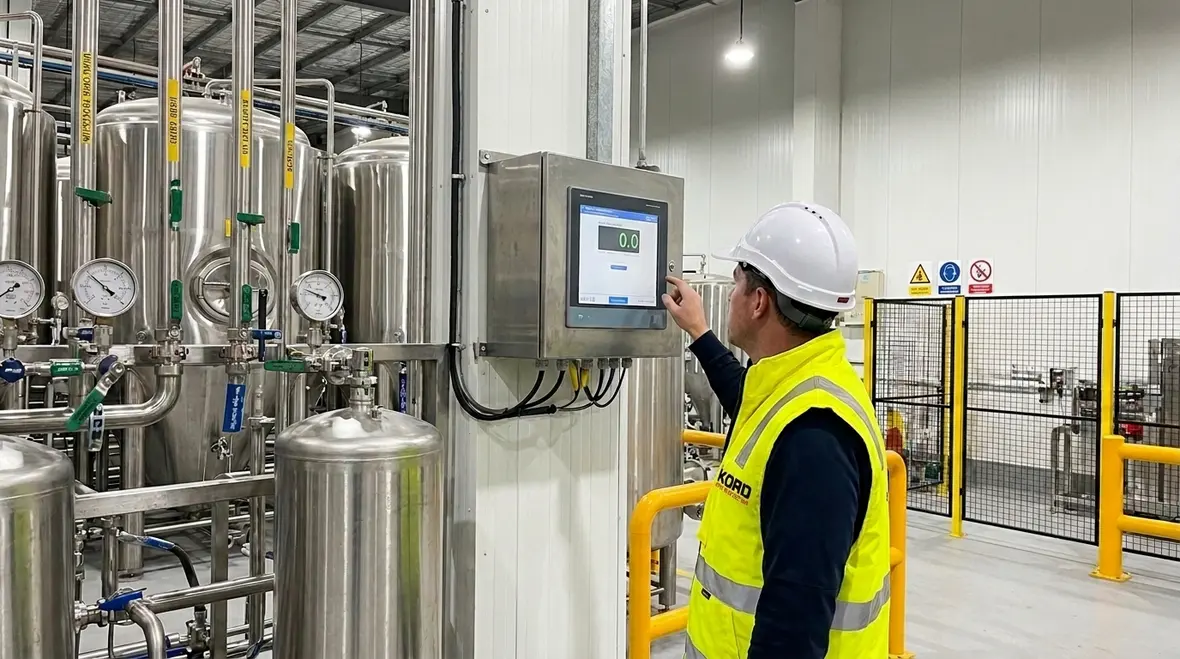
In beverage operations, CO2 is used to carbonate drinks and push product through lines. When a leak occurs or a system is poorly designed, workers can be put at risk quickly. The NFPA 1 carbon dioxide beverage carbonation fire code emphasizes gas detection, containment, ventilation, and trained staff response. Facilities that implement these controls reduce downtime, protect life safety, and avoid costly code violations. The result is reliability and confidence, even during peak production periods or surprise audits.
How Kord Fire Protection becomes a vital partner
Kord Fire Protection brings end-to-end expertise to every CO2 project. They start with a risk assessment tailored to your site, then create a practical, code-compliant plan for design, installation, and maintenance. Their team coordinates with process engineers, mechanical contractors, and facility managers to avoid bottlenecks and keep projects on time. Ongoing support includes quarterly checks, valve testing, gas-detection calibration, and documentation updates that stay in step with NFPA 1 requirements. In short, Kord Fire Protection helps facilities stay compliant and operational without turning safety into a full-time job for the day shift crew.
If you want a bigger-picture reference on prevention and code awareness, Kord also has a related guide on NFPA 1 fire prevention and safety that fits naturally alongside this topic.
Key design and safety considerations for CO2 beverage systems
Effective CO2 systems balance performance with safety. Critical elements include a properly sized ventilation system, clearly marked emergency shutoffs, and a reliable alarm strategy. There must be a maintenance program that covers regulator checks, leak testing, and signage readability. Training is essential so staff understand the hazards and know how to respond during a leak or alarm event. With these pieces in place, facilities reduce risk, protect workers, and keep lines moving. And yes, even in Australia, where the climate can add another layer to installation planning, these principles hold true.
Design and installation essentials shown in a practical checklist
To ensure compliance and operational readiness, facilities should focus on: proper CO2 detection placement, ventilation adequacy, safe purge procedures, accessible shutoff valves, and clear escape routes. Documentation should include system drawings, maintenance logs, and incident records. Training should cover hazards of CO2, emergency procedures, and routine testing protocols. When Kord Fire Protection leads this work, organizations gain a partner that speaks your language and understands local regulations as well as international best practices.
Two column design and compliance checklist
- Compliance with NFPA 1 Section 63.11 for system design and operation
- Gas detection placement and alarm logic across production areas
- Ventilation adequacy to prevent CO2 buildup in occupied spaces
- Accessible shutoff valves and clearly labeled control points
- Maintenance plan with inspection and testing frequencies
- Documentation including as built drawings and maintenance logs
- Staff training covering hazards and emergency procedures
- Regular audits and coordination with local authorities
- Safe handling procedures for cylinder storage and gas supply lines
- Vendor coordination to ensure compatible components and compliance
Maintenance and testing essentials
Ongoing maintenance keeps CO2 systems safe and compliant. Regular testing of gas detectors, alarms, and ventilation fans is essential. Valve and regulator checks prevent unexpected releases. Documentation must be kept up to date, and any changes captured in revision drawings. Training should be refreshed periodically so that new staff can respond correctly in an emergency. When maintenance is performed, the goal is steady operation with minimal downtime, because a bottle of soda should not demand a fire code lecture on safety and coordination.
Industry-wide benefits of partnering with a specialist
Specialists like Kord Fire Protection bring sector-specific knowledge to industrial, retail, and commercial facilities across Australia. They understand the nuances of beverage production environments, including space constraints, multi-zone ventilation needs, and the importance of minimizing downtime during upgrades. Their approach combines practical design with thorough safety checks, and their methodology aligns with the NFPA 1 carbon dioxide beverage carbonation fire code while remaining adaptable to different facility types and scales.
FAQ
Conclusion and call to action
Adhering to NFPA 1 Section 63.11 is not just about ticking boxes. It is about protecting people, preserving productivity, and preserving your assets. Kord Fire Protection offers tailored assessment, design, installation, and ongoing compliance services that align with the NFPA 1 carbon dioxide beverage carbonation fire code. Reach out today to schedule a site review for your industrial, retail, or commercial facility in Australia and keep your operations fizzing safely and smoothly.

Join Our Newsletter!
Get the latest fire safety tips delivered straight to your inbox From our Newsletter.