NFPA 1 Section 15.6 and the FDSDCE Approval Process
Quick Answer
NFPA 1 Section 15.6 guides the FDSDCE approval NFPA pathway for fire systems tied to dangerous goods and special site risks. It helps facilities secure fire service evaluation approval and concurrency evaluation authorization with clear design checks, authority review, and safety documentation. For Australian industrial, retail, and commercial sites, Kord Fire Protection can help make that process far less painful.
NFPA 1 Section 15.6 matters because it helps a site prove that its fire protection systems match the risk it actually carries. In plain terms, the rule supports safer design, better coordination with authorities, and smoother project approval. For facilities working through FDSDCE approval NFPA, fire service evaluation approval, and concurrency evaluation authorization, the process can feel like a maze with extra paperwork and a few locked doors. That is where a skilled partner becomes useful, and yes, sometimes necessary if no one wants a costly delay starring as the main villain.
For facilities already mapping broader compliance needs, Kord Fire Protection’s Australia fire protection for compliance and readiness service support fits naturally into approval planning, documentation flow, and long term system readiness.
What NFPA 1 Section 15.6 Means for Site Approval
NFPA 1 Section 15.6 focuses on systems and conditions that require careful review before a site can operate with confidence. It helps authorities and designers confirm that the fire protection measures fit the hazard, building use, and site layout. As a result, the approval process does more than check boxes. It protects people, assets, operations, and business continuity.
For industrial, retail, and commercial facilities, this section often comes into play when the site includes special fire risks, stored materials, or complex building services. Therefore, the review must go beyond a simple drawing sign off. It must show that the proposed fire protection solution will perform under real conditions, not just on paper. Paper is patient. Fire is not.
Why this section tends to draw close attention
Authorities usually pay closer attention when a project involves layered hazards, operational complexity, or a fire strategy that must interact with multiple systems at once. That makes Section 15.6 especially relevant where storage profiles shift, production activities create changing risks, or site layouts have little room for sloppy assumptions. A site may look compliant at a glance and still miss the mark once real operating conditions are examined properly. That is usually the moment where a rushed submission starts regretting its life choices.
How the FDSDCE approval process usually works
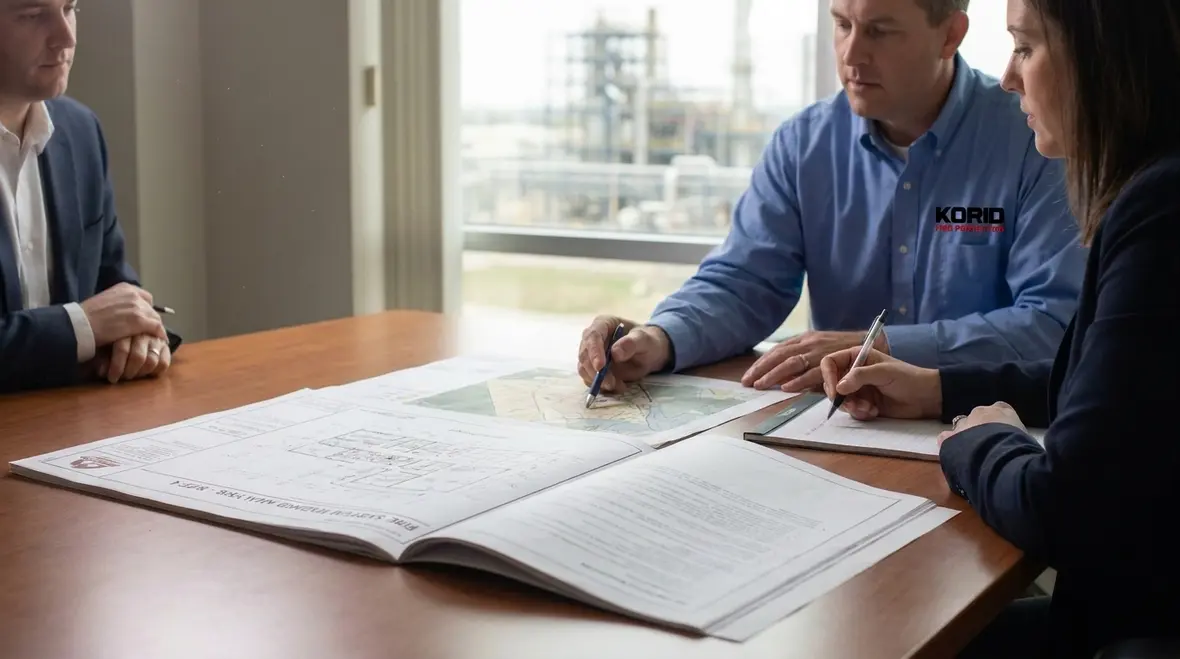
The FDSDCE approval NFPA path usually begins with site data, fire risk details, and system design documents. Then the responsible team submits the package for review by the relevant authority or fire service body. After that, the review checks whether the design meets code intent, site needs, and operational demands.
In many projects, this includes coordination across engineers, contractors, facility managers, and fire authorities. Each party brings a different piece of the puzzle. However, the real challenge lies in making those pieces fit without dragging the schedule into a coma. Strong coordination reduces rework, avoids missed details, and speeds up approval.
A practical step by step view
Gather accurate site data, hazard details, and current operating information.
Prepare fire protection drawings, performance data, specifications, and compliance notes.
Submit the package to the authority or reviewing fire service body.
Respond to technical comments, clarification requests, or required revisions.
Coordinate design updates across all affected building and operational systems.
Secure final approval before the site moves into operation or expanded use.
That sequence sounds simple enough until a project starts dealing with unclear storage classifications, changing layouts, or a last minute equipment addition that suddenly alters the hazard profile. At that point, approval becomes less about form filling and more about proving the full fire strategy still works. The earlier that proof is built into the documentation, the better the odds of a smoother path through review.
What fire service evaluation approval looks for
Fire service evaluation approval examines whether the proposed fire protection system gives the site a practical and reliable level of safety. Reviewers often look at hazard type, water supply, access routes, detection, suppression, maintenance needs, and how the system ties into wider site operations. In addition, they may ask for evidence that the system supports emergency response and does not create new risks.
Because of that, the approval package must be clear and complete. A missing plan, an unclear note, or a weak risk explanation can slow everything down. In other words, the approval team does not need a mystery novel. They need a clean, readable case for safety.
Design side
Fire system drawings, hydraulic data, equipment specs, hazard details, and compliance notes build the case for approval. The design has to show more than basic intent. It has to show how the system will perform where people work, goods are stored, and daily operations create real world complications that a neat concept sketch can conveniently ignore.
Authority side
The reviewing body checks whether the proposal meets code intent, suits the site, and supports safe operation before sign off. Reviewers want confidence that the fire strategy is coordinated, defensible, and workable during both normal use and emergency response. If something seems vague, contradictory, or overly optimistic, they will usually notice.

Why concurrency evaluation authorization matters
Concurrency evaluation authorization helps confirm that the fire protection solution aligns with other site systems and project changes at the same time. This matters when a facility is expanding, changing use, or adding new equipment that affects fire risk. Without this step, one system can work against another, and that is the sort of teamwork nobody wants.
For example, a warehouse upgrade may change storage height, sprinkler coverage needs, and access requirements all at once. Therefore, the approval process must account for the full picture. This keeps the project on track and prevents late redesigns that eat time and money like an open packet of biscuits in a meeting room.
Where concurrency problems usually appear
Concurrency issues often show up when a facility upgrades one area without fully reviewing the knock on effect elsewhere. New machinery can alter heat release and obstruction patterns. Revised storage layouts can change water demand. Building services updates can affect detection interfaces, alarm sequences, smoke movement, or emergency access routes. None of those changes likes being treated as someone else’s problem.
A proper concurrency review forces the project team to compare current design assumptions against what the site will actually become after the change. That discipline is valuable because it catches conflicts before commissioning day arrives with bad news and a clipboard.
Facilities working through system coordination may also benefit from related guidance in NFPA 1: A Comprehensive Guide to Fire Prevention and Safety, which helps frame the broader code context behind approval decisions and practical compliance planning.
How Kord Fire Protection can support the process
Kord Fire Protection can become a vital partner in this service because the approval path needs both technical skill and practical site knowledge. They can help prepare documents, assess system needs, support design coordination, and work through authority comments. As a result, the approval journey becomes more controlled and less stressful.
For Australian industrial, retail, and commercial facilities, that support can be especially valuable. Sites often face tight timelines, live operations, and strict compliance demands. Kord Fire Protection can help align the fire protection plan with the site’s real conditions, which improves the chance of smooth approval and safer outcomes.
They also help reduce risk by spotting issues early. That means fewer revisions, fewer delays, and fewer moments where everyone stares at the drawings in silence, hoping the problem fixes itself. It rarely does.
What good support changes in practice
Good support shortens the distance between compliance theory and operational reality. Instead of treating approval as a pile of disconnected tasks, the process becomes a coordinated project stream with clearer responsibilities, better technical evidence, and faster responses to review comments. That matters on occupied sites where downtime is expensive and confusion travels faster than email.

What a facility should prepare before submission
Before submitting for FDSDCE approval NFPA, a facility should gather the right technical details. Clear preparation often shortens the review time and lowers the chance of rejection.
Site plans and layout drawings
Fire risk and storage information
System design details and equipment data
Water supply and performance data
Operations notes that explain how the site works
Any change management or upgrade records
When this information is complete, reviewers can make faster decisions. Also, the design team can respond to questions with confidence instead of scrambling through old emails like a detective in a bad TV rerun.
A few common submission mistakes to avoid
Using outdated drawings that do not match current operations
Leaving hazard descriptions too general to justify the design basis
Submitting equipment data without showing system coordination
Ignoring recent site changes that affect storage, process, or access
Answering authority comments late or with incomplete revisions
FAQ
Final word for facilities that want fewer delays
NFPA 1 Section 15.6 does more than shape paperwork. It protects people, operations, and business goals. Therefore, facilities that need FDSDCE approval NFPA, fire service evaluation approval, or concurrency evaluation authorization should treat the process as a key project step, not an afterthought.
Kord Fire Protection can help turn that step into a smoother path toward approval and safer operation. If the site wants fewer delays and stronger compliance, they should bring them in early. That usually beats bringing them in after the paperwork has already started throwing punches.

Join Our Newsletter!
Get the latest fire safety tips delivered straight to your inbox From our Newsletter.