
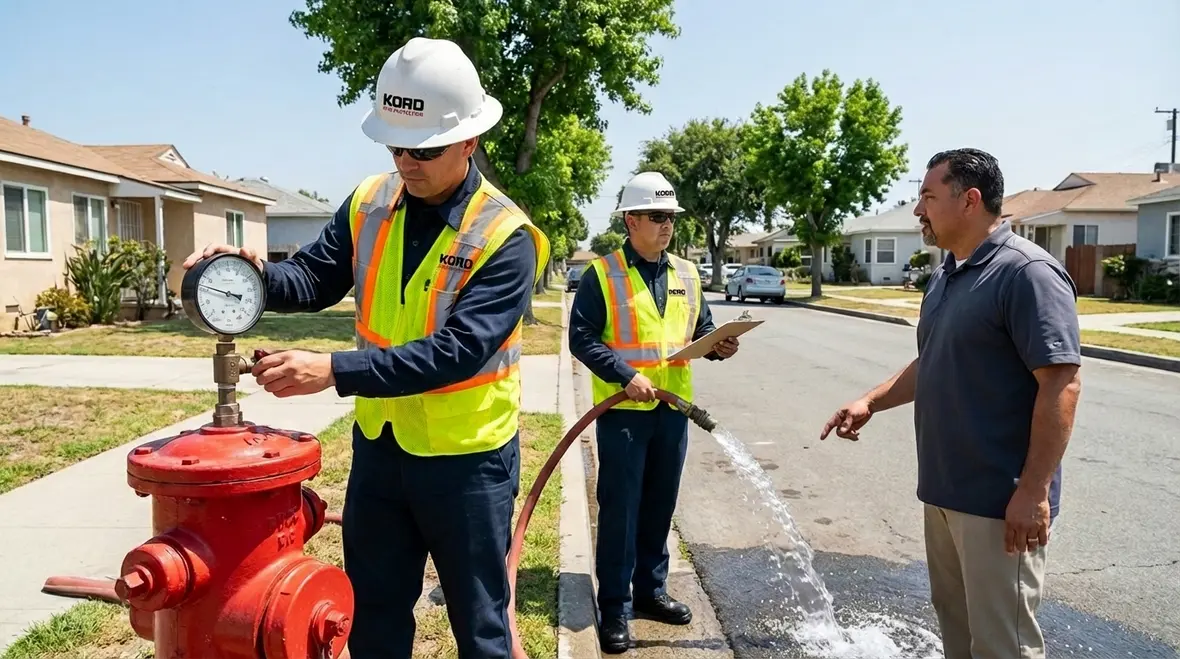
Lawndale Fire Hydrant Testing and Flow Inspections
Lawndale fire hydrant testing is not just another item on a city checklist. It is the quiet ritual that stands between a small spark and a five alarm headline. In Lawndale, property owners and city officials rely on structured hydrant inspections to confirm that water will flow fast and strong when it matters most. Kord Fire Protection technicians often explain it this way: a hydrant is like a seatbelt. You hope you never need it, but you would never drive without knowing it works.
Therefore, this article walks through how hydrant testing works, why it matters, and what property owners in Lawndale should expect. The tone may be calm, but the message is clear. Preparation today prevents panic tomorrow.
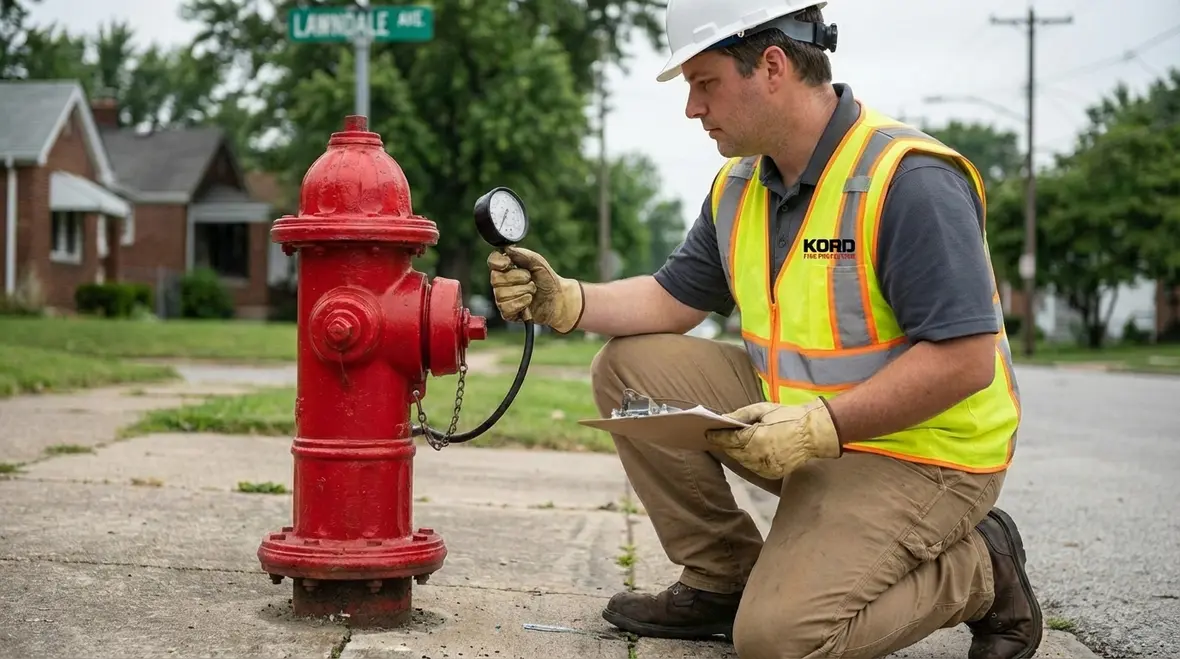
Understanding Lawndale Fire Hydrant Testing Requirements
Every city has fire codes, and Lawndale is no exception. Local regulations require routine inspection and flow testing of public and private hydrants to ensure reliability. However, this is not about checking a box. It is about verifying pressure, flow rate, and mechanical condition.
During Lawndale fire hydrant testing, technicians measure static pressure, residual pressure, and gallons per minute output. In simple terms, they check how hard the water pushes, how much pressure remains when flowing, and how much water actually comes out. If that sounds technical, it is. Yet the goal is straightforward. Make sure firefighters have the supply they need.
Kord Fire Protection technicians often pause during inspections to explain readings to property managers. They break it down in plain language. If the pressure drops too low, nearby buildings could face risk. If corrosion blocks a valve, response time suffers. Knowledge removes guesswork, and guesswork has no place in fire safety.
For properties that rely on both hydrants and standpipe systems, coordinating services with a trusted provider makes planning easier. Many Lawndale managers also explore resources like the broader Los Angeles County fire protection services page to understand how hydrant testing fits into their overall compliance strategy.
Key Testing Metrics Explained
- Static pressure: The pressure in the system when no water is flowing.
- Residual pressure: The pressure that remains while water is actively flowing during the test.
- Gallons per minute (GPM): The actual volume of water the hydrant can deliver under those conditions.
How Hydrant Flow Testing Works in Plain Terms
Many property owners ask how hydrant flow testing in Lawndale actually unfolds. The answer is refreshingly direct.
Step 1: Visual inspection
First, technicians visually inspect the hydrant. They check for leaks, rust, cracked caps, and signs of vehicle impact. Yes, sometimes a hydrant loses a battle with a distracted driver. It happens more often than people admit.
Step 2: Pressure measurement
Next, they attach gauges to measure pressure. One hydrant flows water while another nearby hydrant records pressure changes. This process allows technicians to calculate flow capacity accurately. Although it may look like controlled chaos with water rushing into the street, it is carefully measured science.
Step 3: System flushing
Finally, the hydrant is flushed to remove sediment. This step improves water quality and prevents blockages. As Kord Fire Protection technicians explain, sediment buildup is like cholesterol for pipes. It restricts flow and causes trouble when least expected.
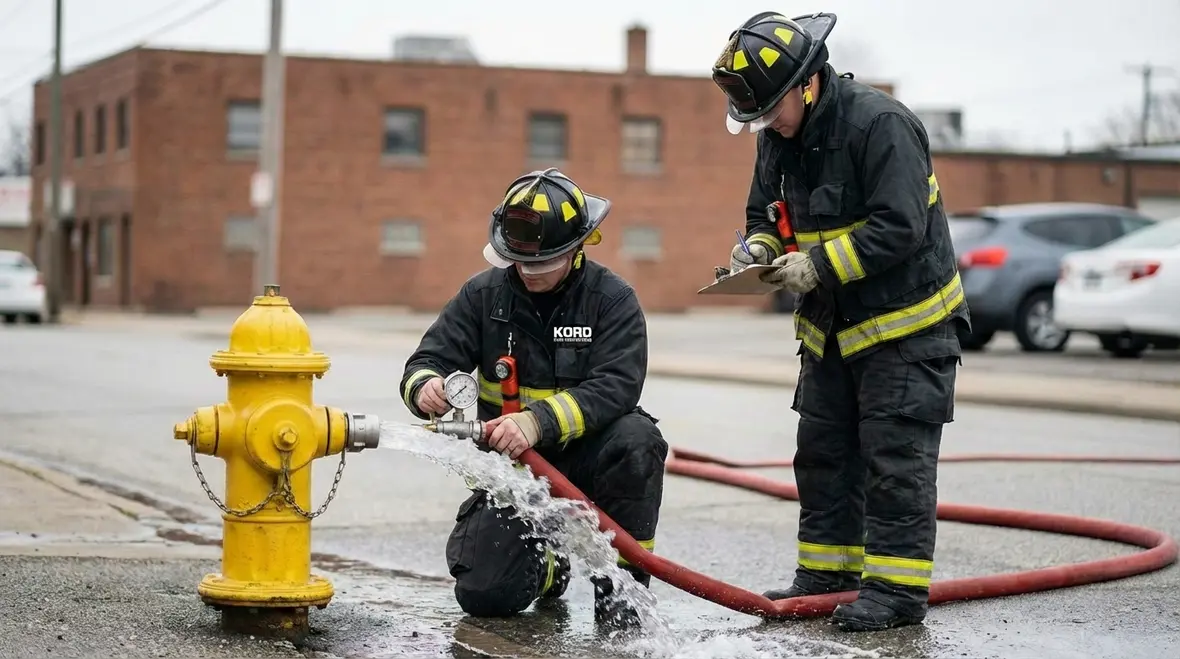
What Property Owners in Lawndale Should Expect During a Test
Preparation makes the day smooth. Therefore, property managers should notify tenants about temporary water discoloration or reduced pressure. Although these effects are brief, communication prevents unnecessary concern.
During Lawndale fire hydrant testing, streets may see water pooling near storm drains. This is normal. Technicians direct flow safely to minimize disruption. Moreover, they follow city guidelines to conserve water whenever possible.
On-site process overview
| Step | Purpose |
| Visual inspection | Identify physical damage or leaks |
| Pressure readings | Measure static and residual pressure levels |
| Flow calculation | Determine gallons per minute output |
| System flushing | Remove sediment and improve clarity |
| Documentation | Provide compliance records and recommendations |
After testing, technicians provide detailed reports. These records support insurance documentation, fire code compliance, and long term planning. In other words, the paperwork matters just as much as the water.
Why Routine Hydrant Inspections Protect Property Value
Fire protection rarely tops the list of exciting investments. It does not sparkle like a lobby renovation. However, it quietly protects every square foot of a building.
Reduced liability and stronger compliance
Consistent hydrant inspections in Lawndale reduce liability. If a fire occurs and hydrants fail due to neglect, legal consequences can follow. On the other hand, documented testing demonstrates responsibility and due diligence.
Insurance and long term planning benefits
Insurance carriers also pay attention. Many providers request proof of recent flow tests. Therefore, maintaining a regular testing schedule can support smoother renewals and stable premiums.
Kord Fire Protection technicians often compare hydrant maintenance to changing the oil in a car. Skip it long enough, and the engine will eventually protest. The same logic applies here. Small preventive steps avoid major financial pain.
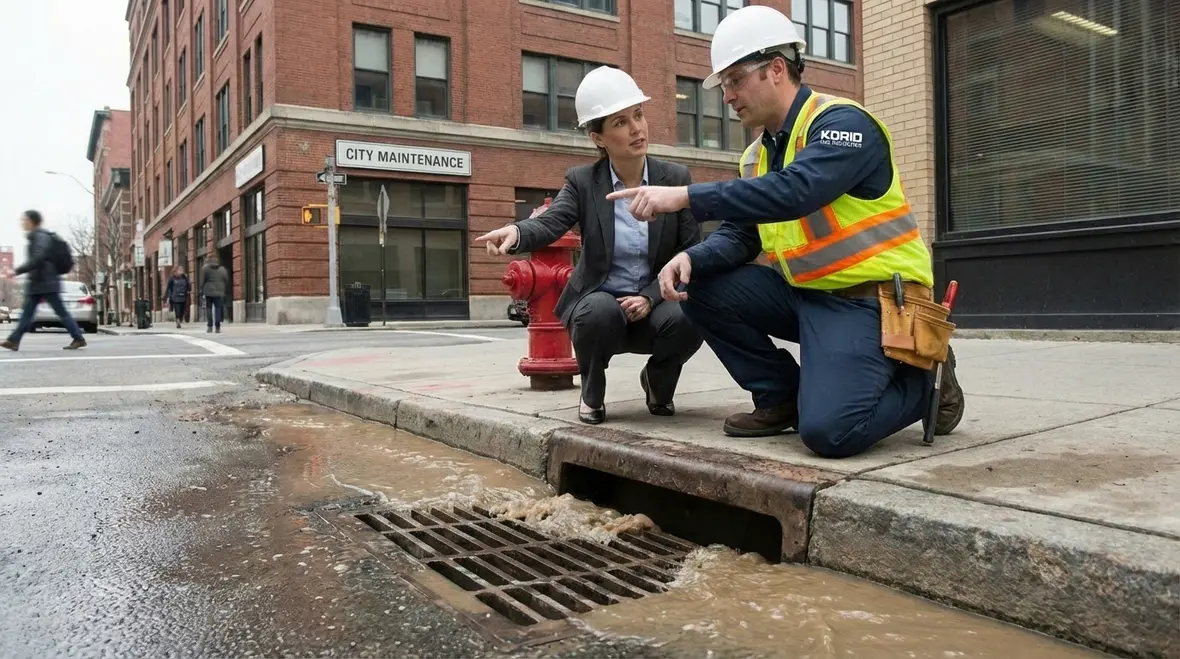
Common Issues Found During Lawndale Fire Hydrant Testing
Even sturdy hydrants face wear over time. Southern California weather, traffic exposure, and aging infrastructure all take a toll.
Obstructed valves
Obstructed Valves
Debris and mineral deposits restrict movement. Consequently, valves may not open fully during emergencies.
Low water pressure
Low Water Pressure
Pressure problems can stem from underground leaks or system demand changes. Early detection allows timely repairs.
Corrosion
Corrosion
Rust weakens components and threatens reliability. Replacement parts often solve the issue before failure occurs.
Improper installation height
Improper Installation Height
Pavement resurfacing sometimes buries hydrants too low. Fire crews need clear access, not a treasure hunt.
Each issue tells a story about infrastructure health. Therefore, identifying patterns across multiple hydrants helps city planners improve the broader system.
How Often Should Hydrants Be Tested in Lawndale?
This question surfaces often, and rightly so. In most cases, annual testing meets local fire code requirements. However, high risk properties such as hospitals, large commercial centers, and industrial facilities may require more frequent evaluations.
Coordinating with other fire protection services
Kord Fire Protection technicians recommend aligning hydrant testing schedules with sprinkler system inspections. By coordinating services, property owners reduce disruption and streamline compliance.
Additionally, hydrants should receive immediate inspection after construction projects, major water main repairs, or earthquake activity. Even minor ground shifts can affect underground pipes. In California, that is not exactly rare news.
The Role of Clear Communication During Testing
Although technical skill drives accurate results, communication builds trust. Kord Fire Protection technicians take time to walk property representatives through findings. They explain what numbers mean and outline practical next steps.
For example, if flow results fall below recommended levels, technicians discuss options. These may include pipe upgrades, valve replacements, or coordination with the local water department. Instead of handing over a report filled with numbers, they translate data into action.
Moreover, they encourage questions. After all, fire safety should not feel mysterious. It should feel managed.
Technology and Modern Methods Improving Hydrant Reliability
Hydrant testing today looks far different than it did decades ago. Digital gauges provide precise readings. GPS mapping tracks hydrant locations and service history. Data storage systems allow quick access to past reports.
As a result, trends become easier to spot. If a particular area shows gradual pressure decline, technicians can alert city officials before conditions worsen. Preventive action saves money and reduces risk.
Furthermore, improved equipment minimizes water waste during Lawndale fire hydrant testing. Diffusers control discharge and protect nearby surfaces. In a state where water conservation matters deeply, that balance between safety and sustainability is essential.
Choosing the Right Team for Hydrant Testing Services
Not all service providers approach hydrant inspections with equal care. Experience, licensing, and familiarity with local codes matter greatly.
Kord Fire Protection technicians bring specialized training and hands on field knowledge. They understand Lawndale infrastructure, regional water systems, and compliance expectations. Consequently, their inspections move efficiently while maintaining accuracy.
Professional teams also carry proper equipment and insurance. That detail may sound small, yet it protects property owners from added exposure. In fire protection, cutting corners rarely ends well.
Finally, dependable providers offer clear scheduling and detailed reporting. No vague summaries. No disappearing acts. Just thorough service delivered with steady professionalism.
If you manage multiple systems on site, it can be helpful to pair hydrant services with related solutions like standpipe inspections or fire pump testing so that your entire water-based fire protection strategy stays aligned.
FAQ About Hydrant Testing in Lawndale
Conclusion and Next Steps
Lawndale fire hydrant testing protects lives, property, and peace of mind. It confirms that when firefighters arrive, water answers the call without hesitation. Kord Fire Protection technicians stand ready to inspect, explain, and guide property owners through every step with clarity and care.
Schedule a professional hydrant evaluation today and ensure your system performs exactly as it should when it matters most. For neighboring communities, services such as Hawthorne Fire Protection Services show how the same careful approach extends across the South Bay.
If you are looking for a broader partner to support all of your systems, explore Kord Fire’s full range of Los Angeles County fire protection services. From hydrant testing and standpipes to sprinklers, alarms, and suppression systems, their team keeps Lawndale properties inspection ready and prepared for real-world emergencies.
Know Your Weapon Before You Fight the Flame
Kord Fire Protection is your go-to when it comes to all things fire protection. For over 20 years, we’ve been serving Southern California with the quality service and equipment to keep your home or business safe at all times. Our competitive prices reflect our unwavering commitment to protecting what matters most in the event of a fire emergency. Give us a call, send an email, or use that form!

Join Our Newsletter!
Get the latest fire safety tips delivered straight to your inbox From our Newsletter.


