How to Dispose of a Fire Extinguisher Safely and Legally
How to dispose of a fire extinguisher sounds simple at first. After all, it just sits on a wall and waits to be useful. Yet, once that red can reaches its expiration date, things change. Within the first moments of learning about disposal, Kord Fire Protection technicians often remind people that expired equipment still holds pressure and chemicals. Therefore, tossing it into the trash like last night’s leftovers can cause trouble. This guide walks through safe, calm, and correct steps, with expert insight and a steady voice that says, relax, this can be handled.
Moreover, this article breaks down the process without fear or fluff. Along the way, there will be a few smiles, a few movie nods, and plenty of clear steps. By the end, readers will understand not only what to do, but why it matters.
Understanding Fire Extinguisher Types and Expiration
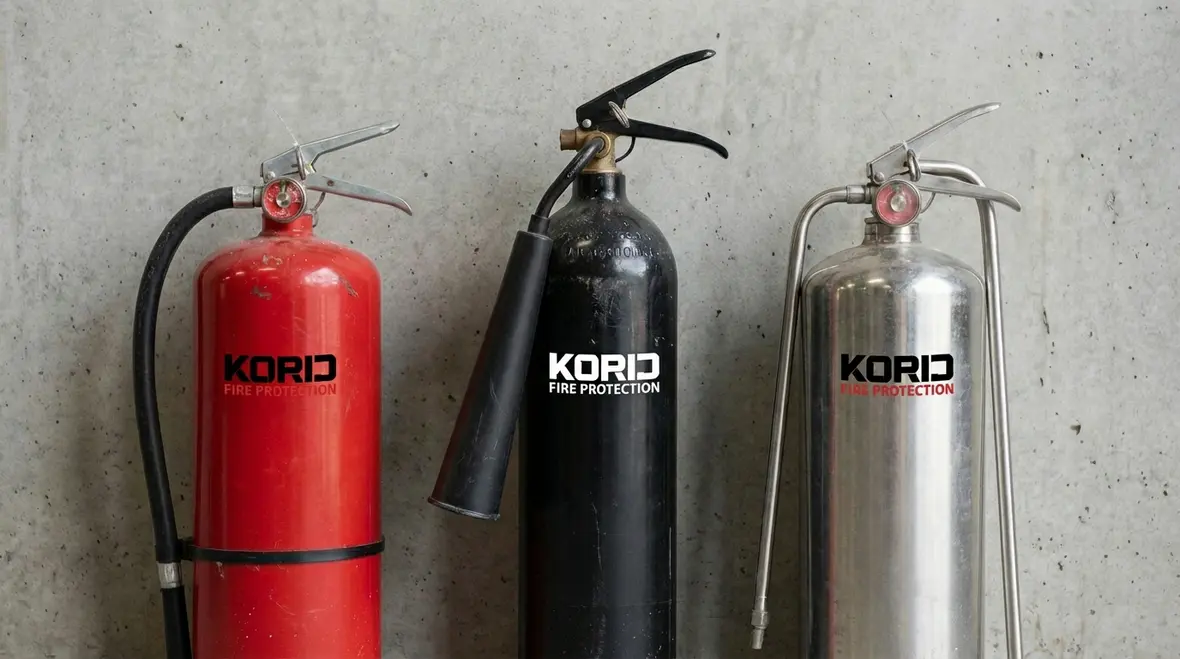
Before anything else, it helps to know what kind of extinguisher sits in that garage or hallway. Fire extinguishers come in several types, and each behaves differently when it reaches the end of its service life. Kord Fire Protection technicians explain that most homes and small offices use ABC dry chemical units. These are designed to fight common fires and are usually pressurized.
In addition, there are CO2 extinguishers, water based units, and wet chemical systems often found in kitchens. Each type carries its own risks when expired. For example, a dry chemical extinguisher may still contain powder under pressure. Meanwhile, a CO2 unit holds compressed gas that can release suddenly if damaged.
Expiration dates matter because seals weaken and pressure changes over time. Although the extinguisher may look fine, the inside may tell a different story. As a result, technicians stress regular checks and timely removal from service. Think of it like an old action movie hero. Still tough on the outside, but maybe not ready for one more fight. If you are staring at one that’s clearly past its prime, Kord’s guide on what to do when you think, “my fire extinguisher is expired,” offers even more detail on when to retire that aging hero.
Recognizing the Signs of an Expired Fire Extinguisher
Labels, inspection tags, and pressure gauges aren’t just decoration. They tell the story of an extinguisher’s health. Faded tags, missing records, or a needle sitting outside the green zone all hint that it’s time to replace and properly dispose of the unit before it fails when needed most.
How to Dispose of a Fire Extinguisher the Safe Way
When discussing how to dispose of a fire extinguisher, safety always comes first. According to Kord Fire Protection technicians, the first step involves checking whether the unit is empty. Many extinguishers have a pressure gauge. If the needle sits in the green zone, it still holds pressure. Therefore, it should never be crushed or punctured.
Next, if the extinguisher is empty and depressurized, some local recycling centers accept the metal shell. However, the chemical contents must be handled with care. Many areas require dropping the unit at a hazardous waste site. Although that may sound serious, it is often as simple as a scheduled drop off.
Furthermore, technicians suggest removing the pin and squeezing the handle in a safe outdoor area if allowed by local rules. This releases remaining pressure. Picture letting the air out of a balloon slowly, not popping it like a sitcom gag.
Because rules vary, calling a professional remains the calmest path. Kord Fire Protection technicians often handle the entire process, ensuring nothing goes wrong. As they say, prevention is easier than explaining to the neighbors why there is a chemical cloud in the driveway.
Step-by-Step Safe Disposal Checklist
- Confirm the extinguisher type and read any printed disposal instructions on the label.
- Check the pressure gauge to see if it is still charged.
- Contact your local waste authority or a fire protection company for approved next steps.
- If permitted, slowly depressurize the unit outdoors, away from people, pets, and cars.
- Transport the unit upright and secured when taking it to a collection or drop-off site.

Local Rules and Why They Matter
Disposal rules depend heavily on location. Cities and counties set their own guidelines, and these rules protect both people and the environment. For instance, some areas treat fire extinguishers as hazardous waste. Others allow recycling once the unit is fully empty.
Because of these differences, guessing can lead to fines or safety risks. Kord Fire Protection technicians emphasize checking local waste authority sites or calling them directly. While that phone call may feel like a chore, it beats dealing with a problem later.
Additionally, local rules often reflect environmental concerns. The chemicals inside extinguishers can harm water systems if dumped improperly. Therefore, following guidelines keeps communities safer. Think of it as doing your part, like returning shopping carts, but with a bigger impact.
How Local Disposal Works in Practice
In many areas, hazardous waste programs schedule collection days where residents can bring expired extinguishers, batteries, and other materials. Businesses may have separate requirements, including documentation or using licensed haulers. A quick call now prevents an awkward conversation later if an extinguisher shows up where it doesn’t belong.
What Kord Fire Protection Technicians Recommend
Kord Fire Protection technicians approach disposal with a clear system. First, they inspect the extinguisher to confirm its type and condition. Next, they depressurize it using approved methods. Finally, they direct the unit to recycling or hazardous waste channels.
To make this clearer, here is a simple breakdown using a dual column layout in concept.
Inspection and Safety Steps
- Check pressure gauge and expiration date
- Identify extinguisher type
- Ensure controlled depressurization
Disposal and Environmental Care
- Separate metal shell if allowed
- Handle chemicals through approved sites
- Document proper disposal when required
This approach removes guesswork. Moreover, it reduces risk for property owners and staff. Technicians often joke that they like sleeping at night, which is easier when everyone follows the rules.
Pairing Disposal with Regular Service
The smartest time to talk about disposal is during routine inspections and service. When Kord’s team performs monthly inspections and annual fire extinguisher service, they can flag units that are due for retirement, handle removal, and recommend replacements on the spot, so you are never left unprotected.

Can You Recycle an Expired Fire Extinguisher?
Yes, recycling is possible in many cases, but it depends on preparation. Once an extinguisher is empty and safe, the metal body often qualifies for scrap recycling. However, the valve and internal parts may need removal.
Kord Fire Protection technicians warn against DIY shortcuts. Cutting corners may save time, but it can also cause injury. Instead, they recommend letting professionals handle disassembly. That way, recycling becomes a clean process rather than a risky experiment.
Recycling matters because steel and aluminum can be reused. This reduces waste and supports sustainability goals. In other words, even retired safety gear can still protect the planet in its own way.
Recycling Options to Ask About
- Municipal hazardous waste and recycling facilities that accept depressurized cylinders
- Licensed fire equipment retailers that offer take-back programs
- Scrap metal yards that handle properly prepared extinguisher shells
How to Dispose of a Fire Extinguisher with Professional Help
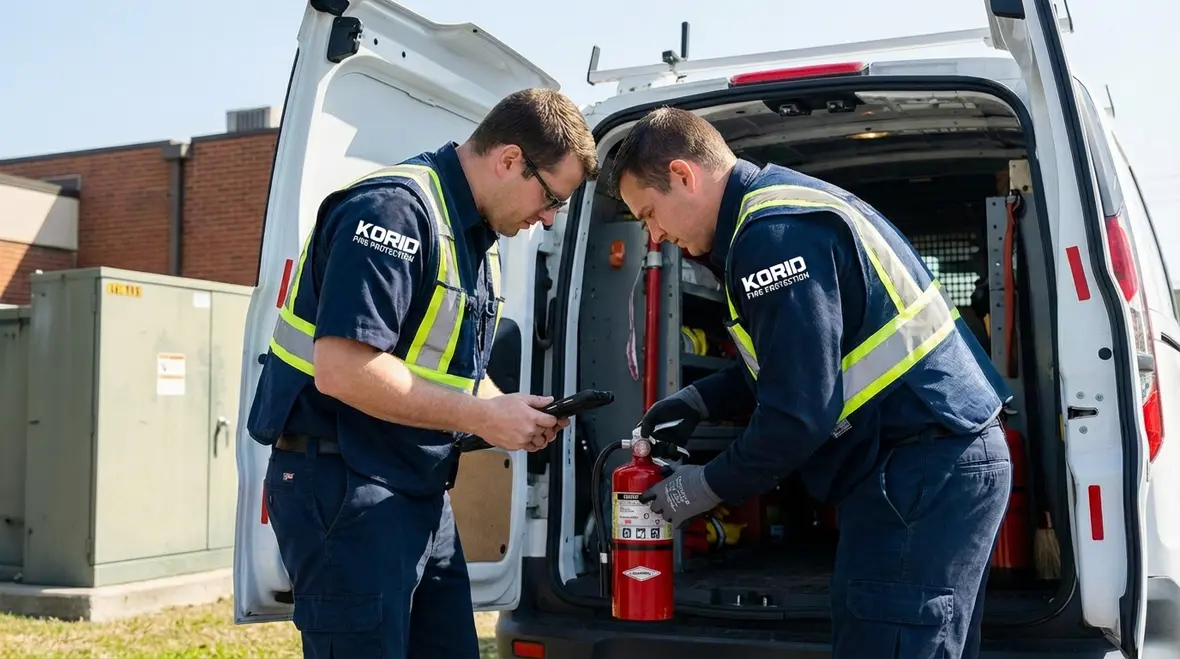
Sometimes the simplest answer is professional service. When people ask how to dispose of a fire extinguisher without stress, technicians point to licensed fire protection companies. These professionals manage compliance, transport, and documentation.
Moreover, using professional help saves time. Business owners, in particular, benefit from bundled services that include inspection, replacement, and disposal. It becomes a smooth transition rather than a to do list headache.
Kord Fire Protection technicians often compare this to taking a car to a mechanic. Sure, some people can change oil. Yet, most prefer a trained hand. Plus, no one wants leftover bolts, or in this case chemicals, lying around.
When It’s Definitely Time to Call in the Pros
- You manage multiple extinguishers across a property, campus, or fleet.
- The extinguisher is damaged, corroded, or shows signs of leaking.
- You are unsure whether the unit is rechargeable, disposable, or has already been serviced.
- Local rules require certified handling or documentation of disposal.
Common Mistakes to Avoid
Despite good intentions, people often make mistakes during disposal. One common error involves throwing an extinguisher into general trash. This can cause accidents during waste handling. Another mistake includes attempting to puncture the cylinder to release pressure. That is never safe.
Additionally, ignoring expiration dates leads to clutter and risk. An expired extinguisher may not work during an emergency. Therefore, timely replacement and disposal go hand in hand.
Kord Fire Protection technicians advise planning ahead. Scheduling disposal during routine inspections keeps everything current. As a result, there are fewer surprises and fewer moments of panic.
Smart Habits That Keep You Ahead of Disposal
- Log installation dates and service history for each extinguisher.
- Combine disposal with scheduled maintenance visits.
- Train staff to report damaged, discharged, or suspicious-looking units.
- Review disposal and replacement needs at least once a year.
FAQ
Conclusion and Call to Action
Disposing of an expired fire extinguisher does not need to feel heavy or confusing. With calm steps, local awareness, and guidance from Kord Fire Protection technicians, the process stays safe and smooth. For those ready to act, reaching out to a trusted professional offers peace of mind and saves time. Schedule an inspection, ask questions, and let experienced hands handle the rest. Safety deserves a proper ending, and a confident new beginning.
If you are unsure whether your extinguisher is ready for retirement or simply needs service, start with Kord’s article on what to do if your fire extinguisher is expired, then take the next step. When you are ready to replace, recharge, or dispose of extinguishers across your home or business, reach out through Kord’s Contact Us page to connect with a full-service fire extinguisher team that can handle inspections, disposal, and everything in between.
Know Your Weapon Before You Fight the Flame
Kord Fire Protection is your go-to when it comes to all things fire protection. For over 20 years, we’ve been serving Southern California with the quality service and equipment to keep your home or business safe at all times. Our competitive prices reflect our unwavering commitment to protecting what matters most in the event of a fire emergency. Give us a call, send an email, or use that form!

Join Our Newsletter!
Get the latest fire safety tips delivered straight to your inbox From our Newsletter.