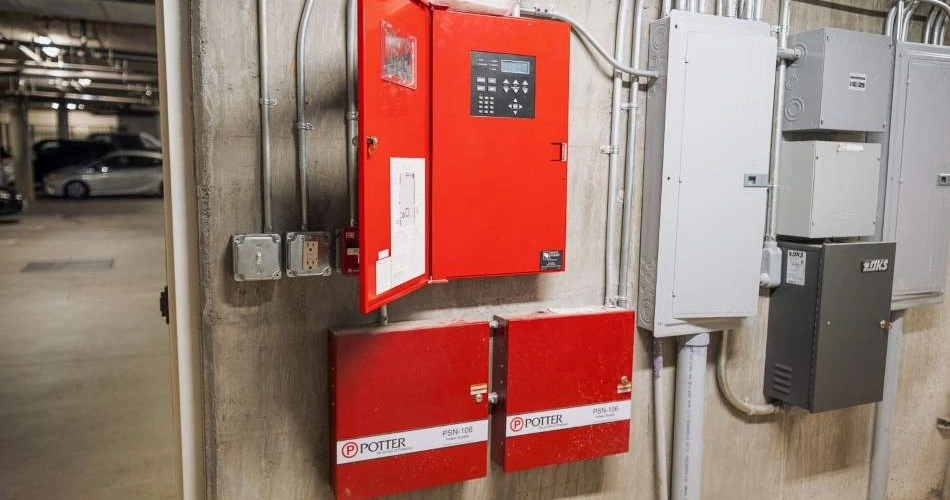
How Fire Sprinklers Work in Commercial Buildings
Within the first moments of a fire, decisions are made without words. Heat rises. Smoke curls. And above it all, a silent guardian waits. When people ask how fire sprinklers work in commercial buildings, they often imagine dramatic Hollywood scenes where every sprinkler head bursts at once like a synchronized swimming team. In reality, the truth is far more precise, far more elegant. Kord Fire Protection technicians often explain that these systems are not chaotic water cannons. They are carefully engineered networks designed to respond calmly, selectively, and effectively. Understanding how commercial sprinkler systems function reveals a story of engineering, safety science, and quiet reliability that works long before firefighters arrive.
The Hidden Network Above the Ceiling
Step into any office tower, hospital, warehouse, or shopping center and look up. Above those ceiling tiles lies a carefully mapped system of pipes filled with either water or pressurized air. Although invisible to most occupants, this network forms the backbone of a building’s fire protection strategy.
Commercial fire sprinkler systems rely on pressurized piping connected to a dependable water supply. That supply may come from municipal lines, storage tanks, or fire pumps. Because commercial buildings vary in size and purpose, engineers design each system with exact flow rates and pressure needs in mind. A warehouse storing electronics demands a different setup than a restaurant kitchen.
Furthermore, sprinkler heads are spaced based on occupancy classification and hazard levels. Kord Fire Protection technicians often point out that spacing is not guesswork. It follows strict codes to ensure water reaches every critical square foot. As a result, coverage remains consistent, predictable, and reliable. For a deeper dive into Los Angeles–specific requirements, many property owners also review resources like Commercial Fire Sprinkler System Requirements 101 (Los Angeles Edition) to understand how code shapes system design.
In other words, the system waits quietly. It does not panic. It does not overreact. It responds only when needed, like a seasoned firefighter who knows exactly when to move.
What Actually Triggers a Fire Sprinkler?
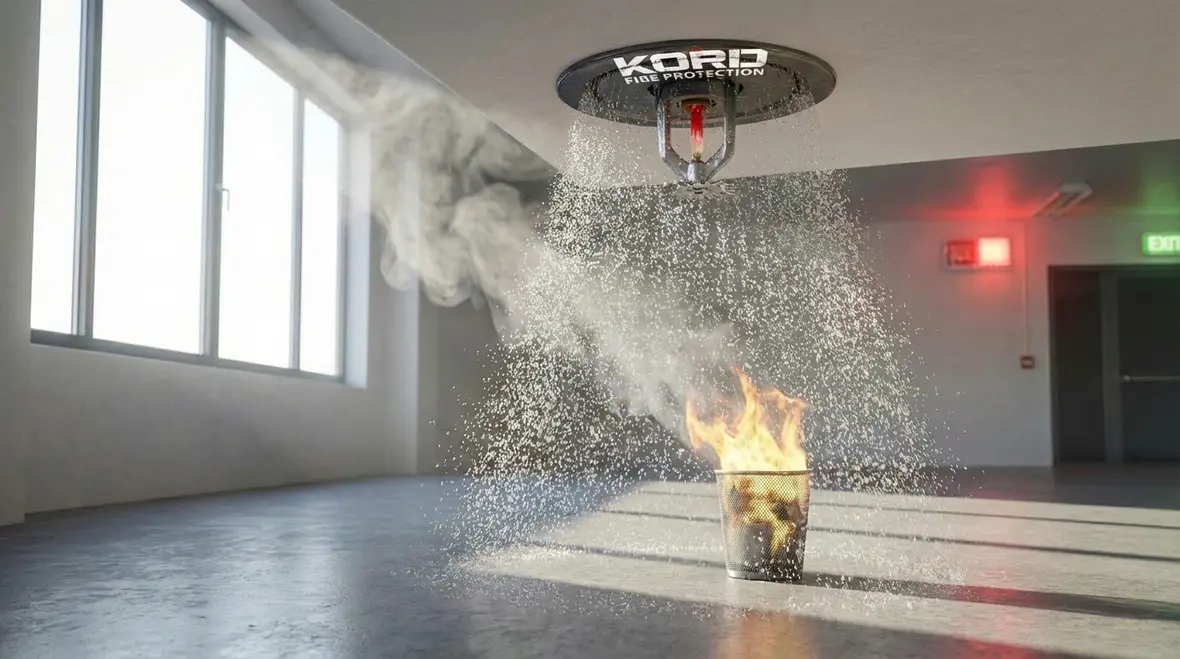
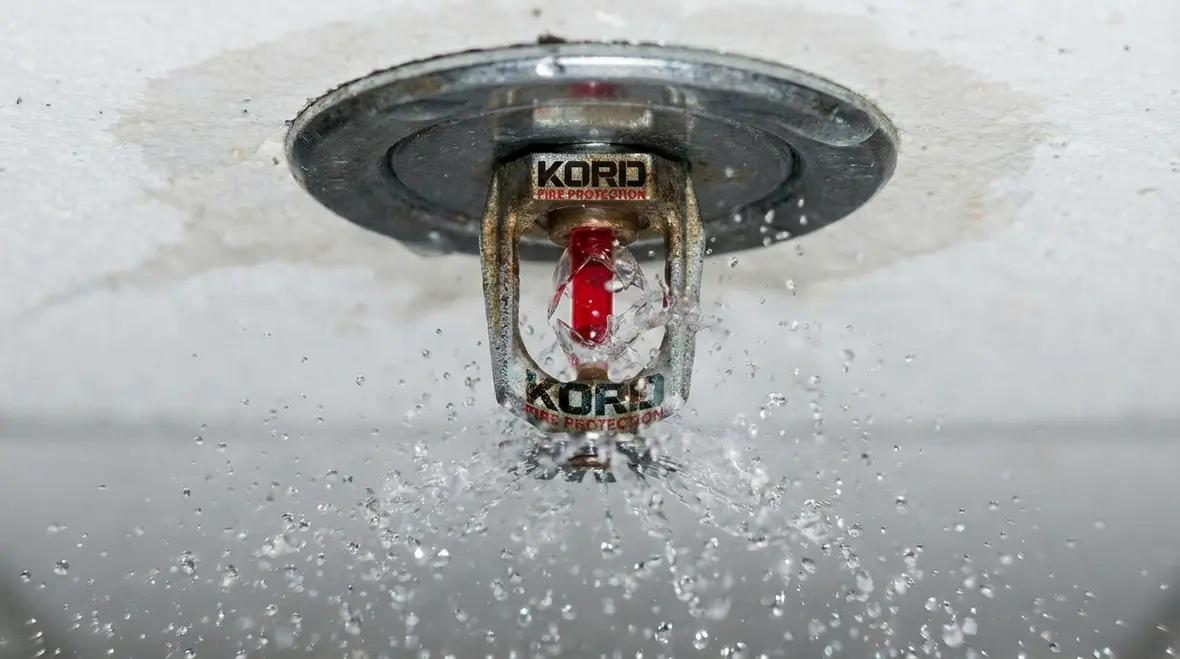
Contrary to movie myths, smoke does not activate commercial sprinkler heads. Heat does. Each sprinkler contains a small heat sensitive element, often a glass bulb filled with liquid or a fusible metal link. When the surrounding air reaches a specific temperature, typically between 135 and 165 degrees Fahrenheit in standard settings, that element breaks or melts.
Once that happens, water releases immediately from that single sprinkler head.
Notice the key word there. Single.
Only the sprinkler exposed to sufficient heat activates. The others remain closed. Therefore, water discharges precisely where the fire burns. Kord Fire Protection technicians frequently calm nervous property owners with this explanation. The entire building does not flood because someone burned popcorn in the breakroom. That would be a very expensive lunch.
Additionally, different temperature ratings exist for unique environments. Mechanical rooms may use higher rated heads. Freezers require special configurations. Consequently, understanding how fire suppression systems operate in business properties means understanding that every component matches its environment.
How Fire Sprinklers Work in Commercial Buildings Step by Step
To truly understand how fire sprinklers work in commercial buildings, it helps to follow the sequence from ignition to control. The process unfolds quickly, often within minutes.
Step One. Heat builds.
As flames grow, hot air rises to the ceiling.
Step Two. The heat sensitive element activates.
The glass bulb bursts or the metal link separates.
Step Three. Water flows.
Pressurized water releases directly onto the fire.
Step Four. The fire cools.
The water absorbs heat and slows combustion.
Step Five. Alarm signals trigger.
Flow switches detect moving water and alert monitoring systems.
Because the system reacts early, it often controls or fully extinguishes the fire before emergency crews arrive. According to industry data, properly maintained sprinklers significantly reduce property damage and life loss. Moreover, early suppression limits smoke production, which remains one of the greatest threats during a fire.
Kord Fire Protection technicians emphasize maintenance during this explanation. Even the most advanced system depends on inspection and testing. Without routine checks, small issues can grow into serious vulnerabilities. After all, even superheroes need checkups.
Types of Commercial Sprinkler Systems and Where They Work Best
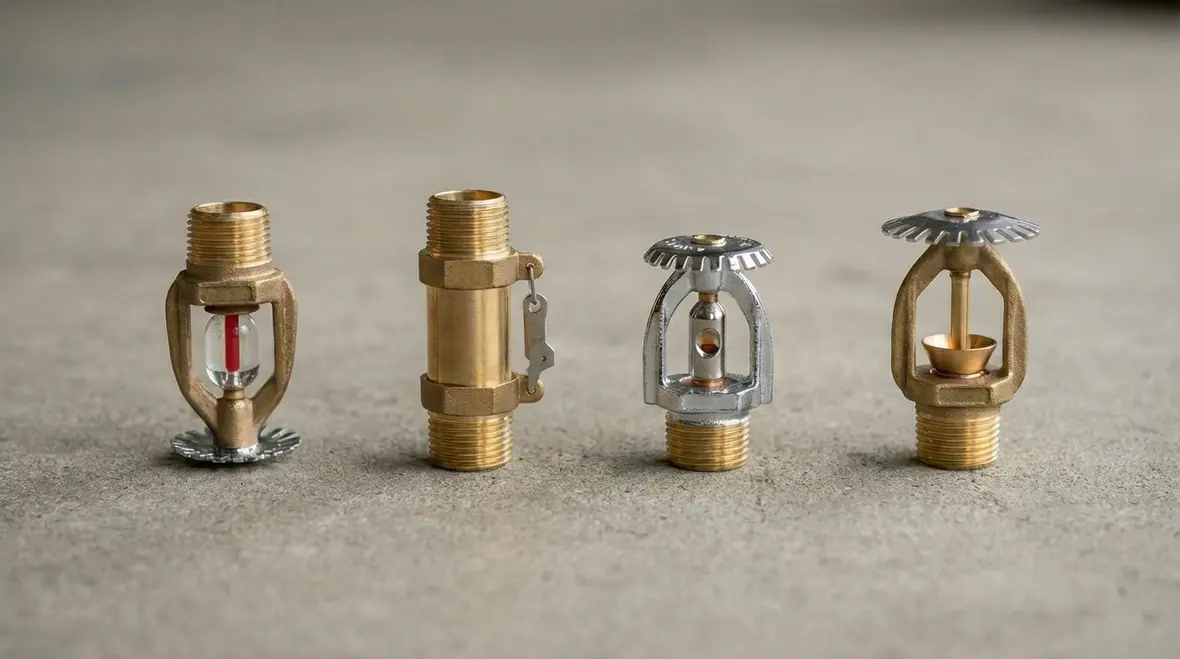
Not all commercial buildings share the same fire risks. Therefore, different sprinkler system types exist to meet specific needs. Understanding these variations adds depth to any discussion about how automatic sprinkler systems function in business facilities.
Wet Pipe Systems
These systems contain water in the pipes at all times. When a sprinkler activates, water discharges immediately. Because of their simplicity and reliability, wet systems appear most often in offices, schools, and retail stores.
Dry Pipe Systems
Instead of water, these pipes hold pressurized air or nitrogen. When a sprinkler head activates, the air releases first, allowing water to fill the pipes. These systems suit cold environments such as parking garages or unheated warehouses where pipes might freeze. For property owners dealing with freezing risk, Kord Fire offers dedicated Dry Pipe Fire Sprinkler System services to design, install, and maintain these systems.
Pre Action Systems
These require two triggers. First, a detection system senses heat or smoke. Then the pipes fill with water. Finally, an individual sprinkler activates. Data centers and museums often use this added layer of protection to prevent accidental discharge.
Deluge Systems
All sprinkler heads remain open, and when triggered, water floods through every outlet at once. These systems protect high hazard areas like chemical storage facilities.
Each configuration reflects thoughtful engineering. Kord Fire Protection technicians explain that choosing the right system depends on occupancy, building design, and risk level. It is less about one size fits all and more about precision. Think tailored suit rather than off the rack.
Key Components and Their Roles Inside the System
To better visualize how fire sprinklers work in commercial buildings, consider the primary components working together behind the scenes.
| Component | Role in the System |
| Sprinkler Head | Releases water when heat reaches its rating |
| Piping Network | Transports water or air throughout the structure |
| Control Valve | Regulates water flow into the system |
| Flow Switch | Sends alarm signals when water moves |
| Fire Pump | Boosts water pressure when needed |
| Backflow Preventer | Protects drinking water from contamination |
Although each part seems simple alone, together they create a coordinated defense system. If one element fails, the system weakens. Therefore, inspections remain critical. Kord Fire Protection technicians routinely test valves, alarms, and pressure levels to confirm readiness. Because fires do not schedule appointments, systems must stay ready at all times.
Why Maintenance Determines Performance
A sprinkler system installed years ago still carries responsibility today. However, time affects every mechanical system. Valves may close unintentionally. Corrosion can develop. Storage stacked too high might block spray patterns. Consequently, routine inspection forms the backbone of reliable fire protection.
Codes require annual, quarterly, and sometimes monthly checks depending on system type. During these visits, technicians examine control valves, test alarms, inspect sprinkler heads, and verify pressure levels. They also look for physical damage or obstructions.
Kord Fire Protection technicians often describe maintenance as quiet insurance. When business owners invest in regular testing, they reduce liability, protect occupants, and maintain compliance with local regulations. Moreover, insurance carriers frequently look for documented inspection records. For many Los Angeles properties, that includes specialized services like Standpipe and Automatic Sprinkler Systems Reg 4 testing and Reg 4 auto sprinkler tests to confirm the system performs as intended.
Understanding how commercial fire sprinkler systems function is incomplete without acknowledging maintenance. Installation begins the story. Ongoing care ensures the ending stays positive.
How Commercial Sprinkler Systems Support Life Safety Goals
Fire protection goes beyond property. It centers on people. In commercial spaces, occupants may include employees, customers, patients, or students. Early fire suppression buys time. That time allows orderly evacuation.
Sprinklers control heat release rates. As a result, flashover becomes less likely. Visibility improves. Toxic gases reduce. Furthermore, coordinated alarm systems notify building occupants and emergency services simultaneously.
Kord Fire Protection technicians stress that sprinkler systems complement, not replace, other safety measures. Fire alarms, exit signage, emergency lighting, and staff training all work together. However, automatic sprinklers often provide the first line of defense.
It is a bit like an orchestra. The sprinklers may play percussion, steady and powerful. Alarms bring the brass, loud and attention grabbing. Evacuation plans guide the strings. Alone, each matters. Together, they create harmony in chaos.
Common Misunderstandings About Commercial Fire Sprinklers
Despite decades of proven performance, myths still circulate.
Myth One. All sprinkler heads activate at once.
In truth, only the head exposed to sufficient heat opens.
Myth Two. Accidental discharge happens often.
Actually, accidental activation remains rare, especially when systems receive proper maintenance.
Myth Three. Water damage outweighs fire damage.
In most documented cases, limited sprinkler discharge causes far less harm than uncontrolled flames and smoke.
Kord Fire Protection technicians often smile when addressing these concerns. Education builds confidence. When property managers understand how fire sprinklers work in commercial buildings, fear gives way to trust.
Frequently Asked Questions
Conclusion and Next Steps
Understanding how fire sprinklers work in commercial buildings reveals more than mechanics. It shows a commitment to safety, precision, and responsibility. When systems receive proper design, installation, and inspection, they stand ready every hour of every day. Kord Fire Protection technicians bring clarity, expertise, and steady guidance to that mission. For property owners seeking dependable protection and peace of mind, partnering with experienced professionals ensures the system above the ceiling performs flawlessly below it.
If you are evaluating or upgrading the fire protection in your facility, consider how sprinklers integrate with alarms, extinguishers, and suppression systems. Kord Fire provides a comprehensive approach to fire protection services, from sprinkler system design to inspections and repairs. To discuss your building’s needs, code requirements, or upcoming projects, reach out through their Contact Us page and schedule a consultation with a fire protection specialist.
Know Your Weapon Before You Fight the Flame
Kord Fire Protection is your go-to when it comes to all things fire protection. For over 20 years, we’ve been serving Southern California with the quality service and equipment to keep your home or business safe at all times. Our competitive prices reflect our unwavering commitment to protecting what matters most in the event of a fire emergency. Give us a call, send an email, or use that form!

Join Our Newsletter!
Get the latest fire safety tips delivered straight to your inbox From our Newsletter.