Fire Protection System Lifecycle and Replacement Cycles
In every building, the fire protection system lifecycle moves like a steady clock. It starts with design and installation, then continues through testing, inspections, repairs, and upgrades, until the day an asset reaches its end of service. After that, teams replace it with new equipment or renew it through approved methods. Because people wait until “something happens,” they often miss the slow drift toward failure. Fortunately, Kord Fire Protection technicians regularly explain how the lifecycle works in plain terms, with no drama, just clear steps. And yes, fire protection components do not care about your busy schedule any more than a smoke alarm cares about your excuses. Still, when organizations follow the lifecycle and replacement cycles, they can manage risk and budget with confidence.
Fire protection system lifecycle overview for asset planning
A useful way to manage risk is to treat each asset like a career, not like a one day purchase. The lifecycle begins when an engineer selects the right device for the hazard, occupancy type, and water supply conditions. Next, the installation phase sets the foundation for safe operation. Then comes the long middle, where testing and inspection keep the equipment ready. Finally, the lifecycle ends when the asset can no longer meet the required performance, even if it still “looks fine.”
Because planning depends on time, organizations track key dates such as installation date, last inspection intervals, and test history. In addition, they connect those dates to the maintenance plan and any applicable code requirements. As a result, the team can build a replacement plan that matches real wear. Kord Fire Protection technicians often emphasize that the lifecycle is not just paperwork. It is how you predict what will fail next, and when, based on condition, performance, and manufacturer guidance.
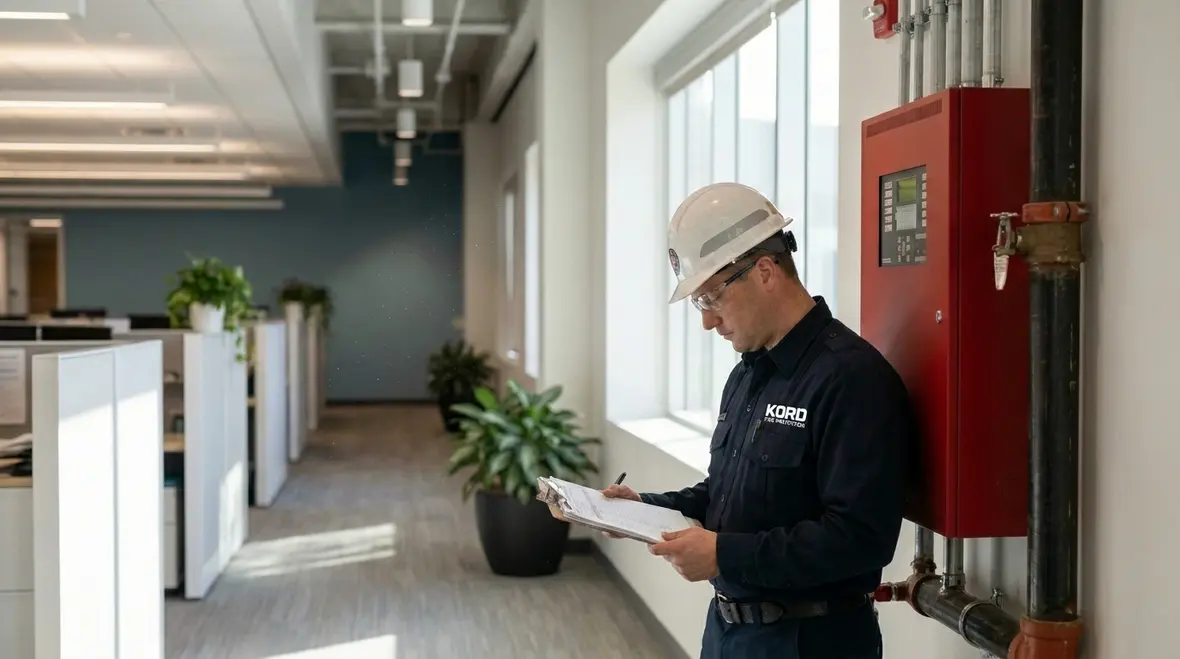
How replacement cycles change across different fire assets
Not every component ages the same way. Some keep working for years, while others drift out of spec sooner, depending on environment and usage. Therefore, replacement cycles vary by device type, demand, and exposure to heat, dust, corrosion, or vibration.
For example, passive fire protection items such as fire rated walls and door assemblies may keep their integrity for long periods, yet they still require periodic checks. Active protection assets like sprinklers, standpipes, valves, fire pumps, and fire alarm devices depend on performance tests. When conditions push them harder, their effective life shortens.
So, how do teams decide timing? They usually blend several signals: the manufacturer’s stated life, code requirements, inspection results, and observed deterioration. Meanwhile, Kord Fire Protection technicians often point out that replacement should not be a guess. It should come from data, like test trends, flow results, pressure curves, and routine inspection findings.
What inspections reveal about hidden aging
Many assets fail quietly. They may still operate during a simple test, yet they carry internal problems that only show up during deeper checks. That is why inspection quality matters, and why the maintenance process should include more than a quick visual look.
During routine inspections, technicians check for signs of corrosion, damage, poor labeling, stuck valves, degraded wiring, and mounting issues. Then, they verify operation and performance through functional tests. In many sites, the biggest risk comes from “incremental drift.” Over time, small changes reduce system performance. For example, a fire pump may still run, but its discharge pressure may slowly drop. Likewise, a valve that passes a basic check could still have reduced flow due to internal wear.
As Kord Fire Protection technicians explain, the goal is to spot the drift early enough to prevent emergency replacement. Because emergency work costs more, it disrupts operations, and it often comes with less planning time. In other words, inspections help teams avoid the fire protection version of spring cleaning, where you only start when smoke is already in the air.
Fire alarm and detection devices: when to plan renewal
Fire alarm and detection systems demand careful planning because they protect lives first, property second, and everything in between. Replacement cycles for components like detectors, control panels, power supplies, and notification appliances depend on age, technology generation, and performance history.
Older systems can become harder to support because parts may no longer match current manufacturing specs. Additionally, batteries degrade over time, even when they still pass a basic functional test. Therefore, teams should track battery replacement schedules and test results, not just the installation date. They should also consider firmware updates and compatibility with existing circuits and devices.
When technicians review the site record, they look for patterns. For example, recurring trouble alarms may point to wiring issues, detector sensitivity changes, or environmental conditions. Then, they evaluate whether the fix is a repair, a component swap, or a broader modernization. Kord Fire Protection technicians often recommend building a renewal plan that aligns with both safety needs and budgeting cycles, so upgrades do not land in the middle of peak operations.
Sprinkler and water based systems: managing service life and performance
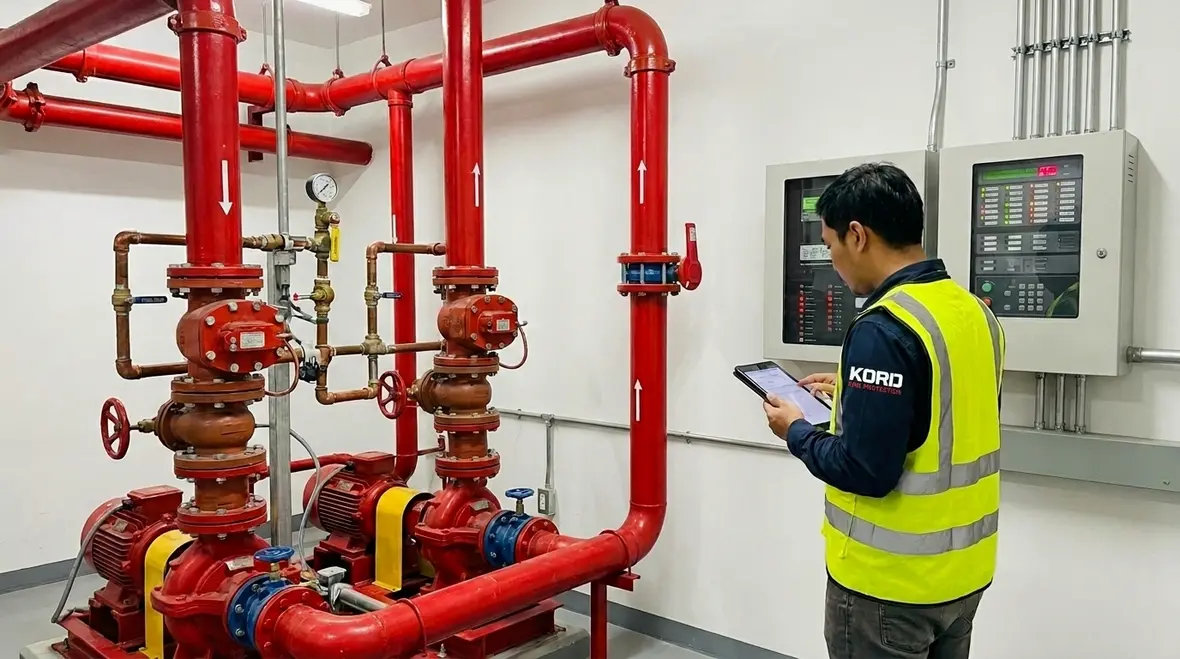
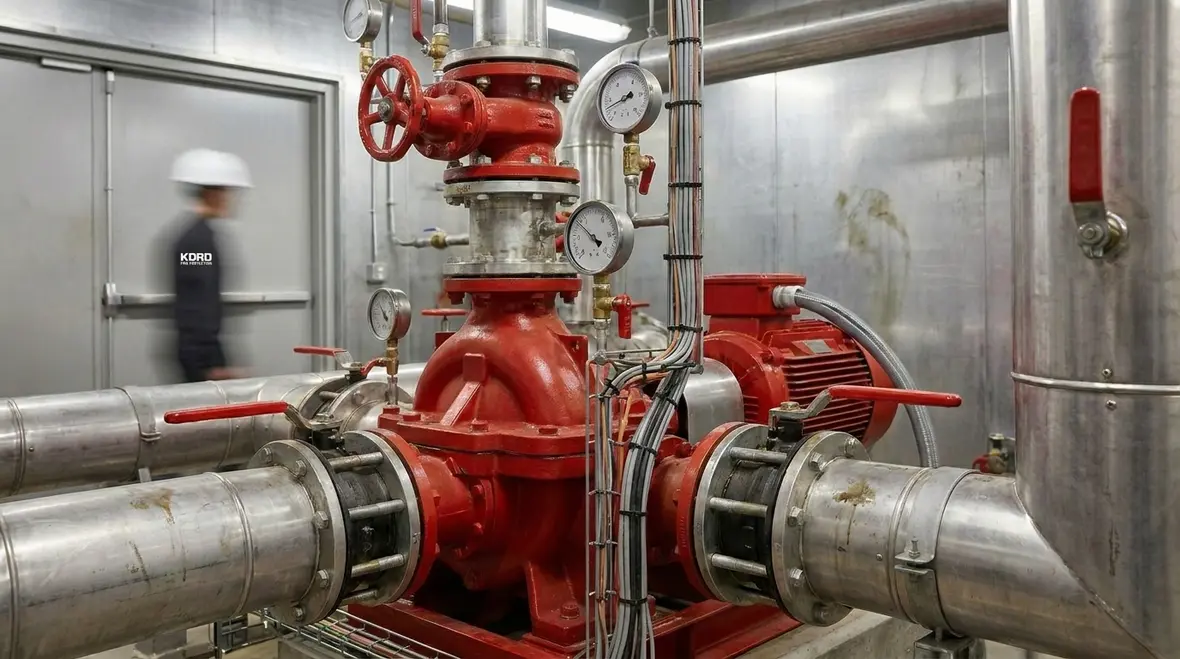
Water based systems often run for long periods, but they still need disciplined upkeep. Sprinklers can corrode or develop scaling depending on water quality and environmental exposure. Valves and backflow preventers can stick or leak. Pumps can suffer from wear that only shows up under load. Meanwhile, changes to building use can also affect how systems perform.
To manage the service life, organizations should track key metrics such as internal inspection results, maintenance history, and flow test outcomes where applicable. They should also review any alterations to the building that might change hazard levels, ceiling heights, occupancy load, or storage patterns. Because even a small layout change can affect coverage assumptions and hydraulics.
When a system shows declining performance, the response should match the root cause. Sometimes the fix is cleaning, lubrication, recalibration, or repair. Other times the asset needs replacement to restore full capability. Kord Fire Protection technicians explain that the goal is stable performance, not a system that merely squeaks by. After all, sprinklers do not run a customer loyalty program. They either protect or they do not.
Passive fire protection and building envelope: the slow guardians
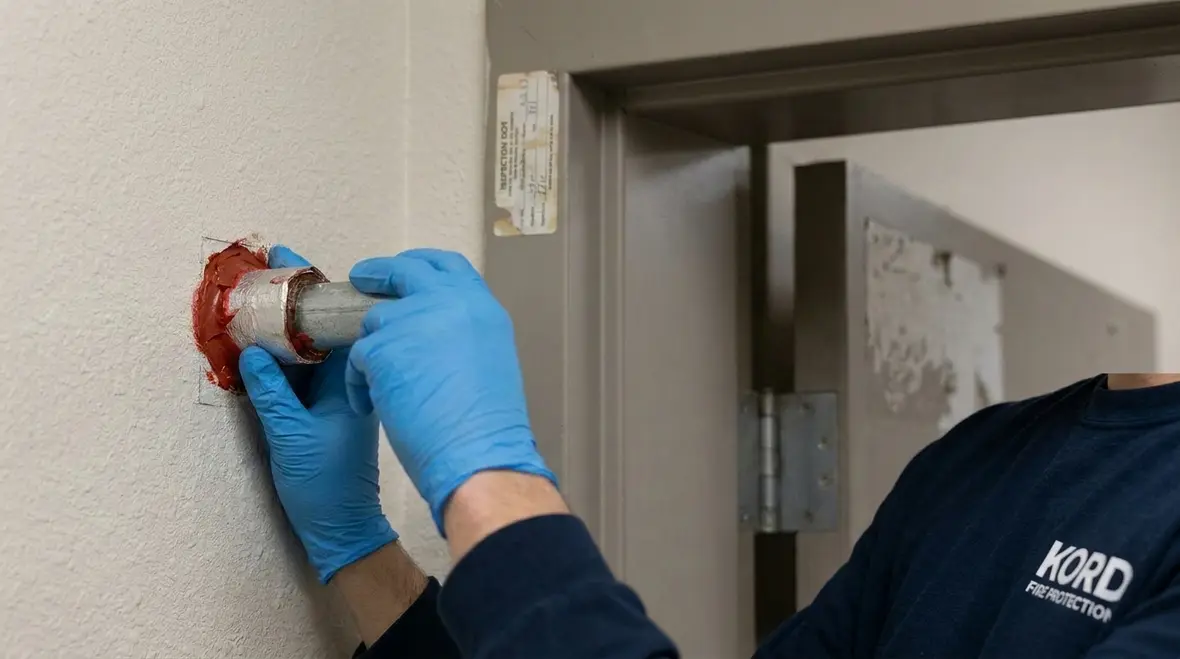
Passive fire protection assets work like the quiet employees who never get applause, yet the building depends on them every day. Fire rated walls, floors, penetrations, duct wraps, fire stopping, and fire doors help contain fire and smoke. Unlike many active systems, passive components rarely show dramatic performance during routine tests. As a result, inspection and documentation carry extra weight.
Over time, passive systems can degrade from construction changes, mechanical work, renovations, vibration, moisture intrusion, and improper patching. When a contractor opens a wall for a new cable or pipe, the fire stop may get disturbed. Therefore, teams should require documentation of changes and verify repairs meet approved standards.
Kord Fire Protection technicians frequently stress that lifecycle planning for passive assets should include tracking locations and verifying integrity after work orders. This approach reduces the chance of hidden gaps that compromise compartmentation. In other words, the slow guardian still needs a checkup, just like the hero in a superhero movie who insists they are fine until the final battle.
Building a replacement plan with budget, risk, and code in mind
A strong replacement plan connects technical needs to real business constraints. Organizations should start by grouping assets by type and risk level. Then, they should map the fire protection system lifecycle schedule to inspection intervals, testing cycles, and compliance deadlines. After that, they assign priority based on the consequences of failure, the likelihood of degradation, and the difficulty of access during downtime.
Many teams also use a simple forecasting method. They take the known install dates and manufacturer guidance to estimate remaining useful life. Then, they adjust those estimates based on inspection findings and performance data. This process helps prevent both extremes: buying early and paying too much, or waiting too long and paying even more during emergency repairs.
To keep stakeholders aligned, the plan should include clear action steps. It should also show what is required for compliance versus what is recommended for risk reduction or modernization. When Kord Fire Protection technicians explain the process, they often use a business friendly frame: plan for predictable work, and reserve urgent response for truly urgent events. That keeps the budget steady and keeps operations running.
Featured guidance table: typical lifecycle and trigger signals
FAQ about the lifecycle and replacement cycles of fire protection assets
Final call to action for smarter replacement planning
Fire protection is not a “set it and forget it” hobby. When organizations track the fire protection system lifecycle and use inspection data to guide replacement cycles, they reduce surprises and protect people with less downtime. Kord Fire Protection technicians can help teams review asset records, identify drift, and build a practical plan that fits real budgets and real schedules. If your building has aging equipment or unclear maintenance history, take the next step now. Request a lifecycle review and get a clear, action ready roadmap.
Want a lifecycle plan that matches real wear, real code, and real operations?
Let Kord Fire Protection help you map the lifecycle, identify drift, and prioritize next steps.
Know Your Weapon Before You Fight the Flame
Kord Fire Protection is your go-to when it comes to all things fire protection. For over 20 years, we’ve been serving Southern California with the quality service and equipment to keep your home or business safe at all times. Our competitive prices reflect our unwavering commitment to protecting what matters most in the event of a fire emergency. Give us a call, send an email, or use that form!

Join Our Newsletter!
Get the latest fire safety tips delivered straight to your inbox From our Newsletter.