Fire Extinguisher Recall Check and Compliance Guide
When safety sits quietly on the wall, most people forget it exists. Until, of course, smoke fills the room and panic sets in. That is why a fire extinguisher recall check should never be an afterthought. It is a simple step that confirms whether a device meant to save lives could fail when needed most. Kord Fire Protection technicians often explain that checking a recall takes only minutes, yet skipping it can cost everything. In this guide, readers will learn how to verify a model, what to document, and how to stay compliant without turning the process into a full time job. After all, safety should feel steady and controlled, not like defusing a bomb in an action movie.

Why a Recall Verification Matters More Than Most Realize
First, it helps to understand what a recall actually means. Manufacturers issue recalls when a defect affects performance or safety. In the case of fire extinguishers, that defect may prevent discharge, cause nozzle failure, or even lead to rupture. Therefore, what appears to be a harmless red cylinder could turn into a liability.
Additionally, many businesses assume their annual inspection covers recall issues. However, inspections and recalls serve different purposes. An inspection checks pressure, condition, and accessibility. A recall identifies manufacturing flaws tied to specific models and serial ranges.
Kord Fire Protection technicians often compare it to owning a car. A mechanic may confirm the brakes work today, yet the manufacturer might recall that same vehicle for a faulty airbag. Both checks matter. Similarly, a recall verification ensures the extinguisher itself was built without a known defect.
Moreover, property owners hold responsibility. Insurance carriers and safety auditors may request proof that recalled units were removed. Consequently, documenting recall status protects not only people but also reputations and finances.
If you are already tracking monthly or annual inspections, recall checks dovetail perfectly into that workflow. For example, many businesses pair recall verification with their regular monthly inspection and annual fire extinguisher service to keep everything aligned and audit ready.

How to Perform a Fire Extinguisher Recall Check Step by Step
Many people search online with a simple prompt such as, “How do I verify if my extinguisher is recalled?” The answer is refreshingly direct.
Step 1: Locate the Label
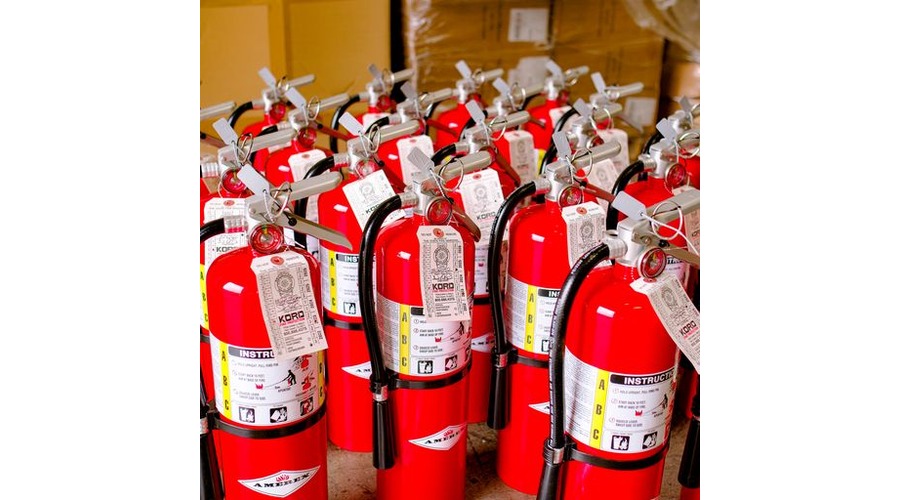
First, find the manufacturer name, model number, and serial number. These details usually appear on the main label or stamped near the cylinder base. If the label is damaged or unreadable, that alone signals a need for professional evaluation.
Step 2: Visit the Manufacturer Website
Next, go to the official website of the extinguisher brand. Most major manufacturers maintain a recall page where users enter model and serial data. Alternatively, the Consumer Product Safety Commission website lists active recalls.
Step 3: Enter Model and Serial Information
Then, input the exact information as shown on the unit. Even one incorrect digit can change the result. Therefore, double checking accuracy prevents confusion.
Step 4: Review the Recall Details
If the unit appears on a recall list, the website will explain the defect and next steps. Some recalls offer free replacements. Others require contacting a distributor.
Step 5: Document the Outcome
Finally, record the verification result, even if the extinguisher is not recalled. Documentation proves due diligence.
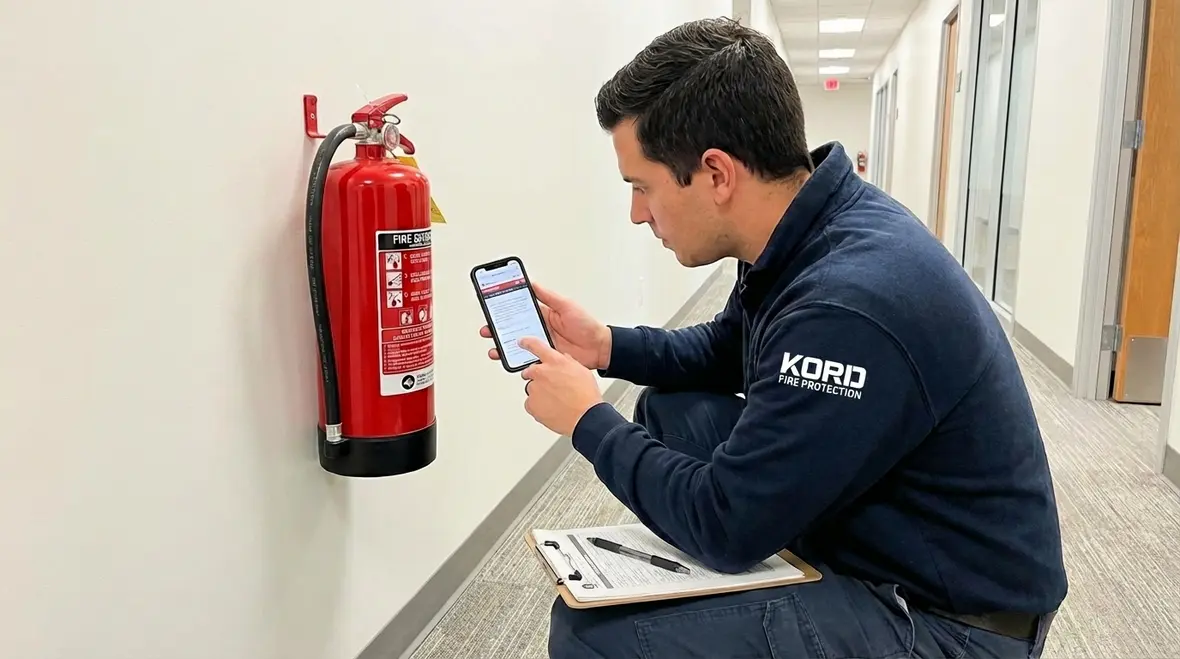
Kord Fire Protection technicians often assist businesses with bulk recall verifications. Instead of checking dozens or hundreds of units individually, they streamline the process and provide written confirmation. As they calmly explain, organization today prevents chaos tomorrow.
What Information Should Be Documented for Compliance
Documentation transforms a simple check into a defensible safety action. Without records, there is no proof the task occurred. Therefore, every verification should include clear and consistent details.
At minimum, records should contain:
- Manufacturer name
- Model number
- Serial number
- Date of recall verification
- Result of the check
- Name of the person performing the verification
- Corrective action taken if recalled
Additionally, businesses should keep digital and physical copies when possible. Cloud storage ensures access during audits, while onsite binders provide quick reference for inspectors.
Kord Fire Protection technicians often recommend creating a centralized log. Instead of scattered notes on sticky pads, a structured log simplifies annual reviews. In fact, when inspectors see organized records, conversations tend to be shorter and far less stressful.
Common Brands and Recall Patterns to Watch
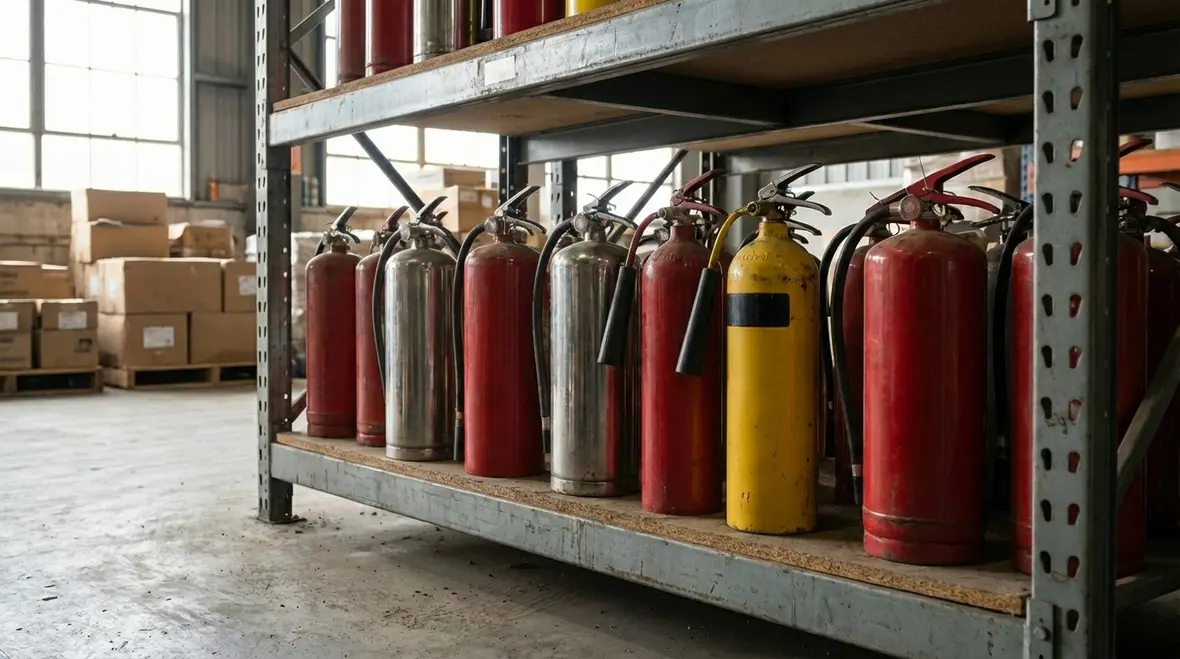
Over the years, certain large scale recalls have affected millions of units. Plastic handle models, for example, have faced scrutiny due to discharge failures. Therefore, older extinguishers deserve closer attention.
However, no brand stands immune forever. Manufacturing errors can occur across the industry. As a result, ongoing verification matters more than brand loyalty.
Technicians from Kord Fire Protection often explain that recalls usually involve:
- Blocked nozzles
- Faulty valves
- Pressure loss due to seal defects
- Handle breakage during discharge
While these issues may sound technical, the risk is simple. If the extinguisher does not activate instantly, valuable seconds disappear. And in a fire scenario, seconds feel like hours.
Consequently, performing periodic recall reviews ensures no outdated unit remains mounted on the wall like a prop from a disaster movie.
How Often Should Businesses Conduct a Recall Review
Some property managers ask, “Is once enough?” The short answer is no.
Although a single fire extinguisher recall check provides a snapshot in time, new recalls can appear months later. Therefore, experts recommend verifying recall status at least annually. Additionally, checks should occur when acquiring new equipment or purchasing a property.
For large facilities, quarterly internal reviews add another layer of assurance. This approach works especially well for warehouses, schools, and healthcare centers where equipment volume increases risk exposure.
Kord Fire Protection technicians often integrate recall verification into scheduled maintenance visits. Because they already inspect pressure and condition, adding recall confirmation requires minimal extra time. As they sometimes joke, it is like checking the weather before leaving home. One glance can prevent a very bad day.
Signs an Extinguisher May Need Replacement Regardless of Recall Status
Even if a unit passes a recall search, physical condition still matters. Therefore, businesses should look beyond database results.
Warning signs include:
- Corrosion on the cylinder
- Missing safety pin
- Broken tamper seal
- Low pressure gauge reading
- Cracked hose or nozzle
Moreover, extinguishers older than twelve years often require hydrostatic testing or replacement depending on type. Kord Fire Protection technicians evaluate these factors during service visits, ensuring equipment meets code standards.
In other words, recall verification forms one piece of a larger safety puzzle. A healthy extinguisher must be both defect free and physically sound. If your inspection reveals damage or age concerns, partnering with a specialist for fire extinguisher replacement keeps your inventory reliable and compliant.
Dual Column Guide: Verification vs Documentation
Below is a simplified comparison that helps teams separate action from record keeping.
Verification Actions
- Locate model and serial number
- Search manufacturer recall page
- Confirm recall status
- Contact manufacturer if recalled
- Remove affected unit from service
Documentation Actions
- Record model and serial in log
- Note website or source checked
- Write result and date
- Attach replacement or repair confirmation
- Update inventory list
This structured approach keeps teams aligned. First comes action. Then comes proof. When both occur consistently, compliance becomes routine rather than reactive.
Fire Extinguisher Recall Check Best Practices for Large Facilities
Large operations face added complexity. Hospitals, campuses, and distribution centers may house hundreds of extinguishers across multiple floors. Therefore, organization becomes essential.
Best practices include:
- Assigning a recall coordinator
- Maintaining a master equipment inventory
- Color coding extinguishers by inspection year
- Partnering with certified technicians for bulk verification
- Scheduling automated calendar reminders
Additionally, integrating recall tracking into safety software simplifies reporting. Many digital platforms allow attachment of recall verification files directly to each asset profile.
Kord Fire Protection technicians often conduct walkthrough audits to confirm inventory accuracy before performing a large scale fire extinguisher recall check. This prevents missing units tucked behind storage racks or hidden in mechanical rooms. Because if an extinguisher is out of sight, it should not be out of mind.
FAQ: Fire Extinguisher Recall and Documentation
Conclusion: Make Recall Verification a Habit, Not a Headline
Safety rarely demands applause. Instead, it asks for consistency. A documented recall verification ensures each extinguisher stands ready when seconds matter most. Kord Fire Protection technicians guide businesses through the process with clarity and calm authority, turning a technical task into a manageable routine.
Now is the time to review equipment, confirm compliance, and secure peace of mind. Schedule a professional evaluation and let preparation speak louder than panic. If you want a single partner to help you manage inspections, recall checks, and replacements across your portfolio, explore Kord Fire’s fire extinguisher service and maintenance solutions or request full facility support through their comprehensive fire protection services.
Know Your Weapon Before You Fight the Flame
Kord Fire Protection is your go-to when it comes to all things fire protection. For over 20 years, we’ve been serving Southern California with the quality service and equipment to keep your home or business safe at all times. Our competitive prices reflect our unwavering commitment to protecting what matters most in the event of a fire emergency. Give us a call, send an email, or use that form!

Join Our Newsletter!
Get the latest fire safety tips delivered straight to your inbox From our Newsletter.