
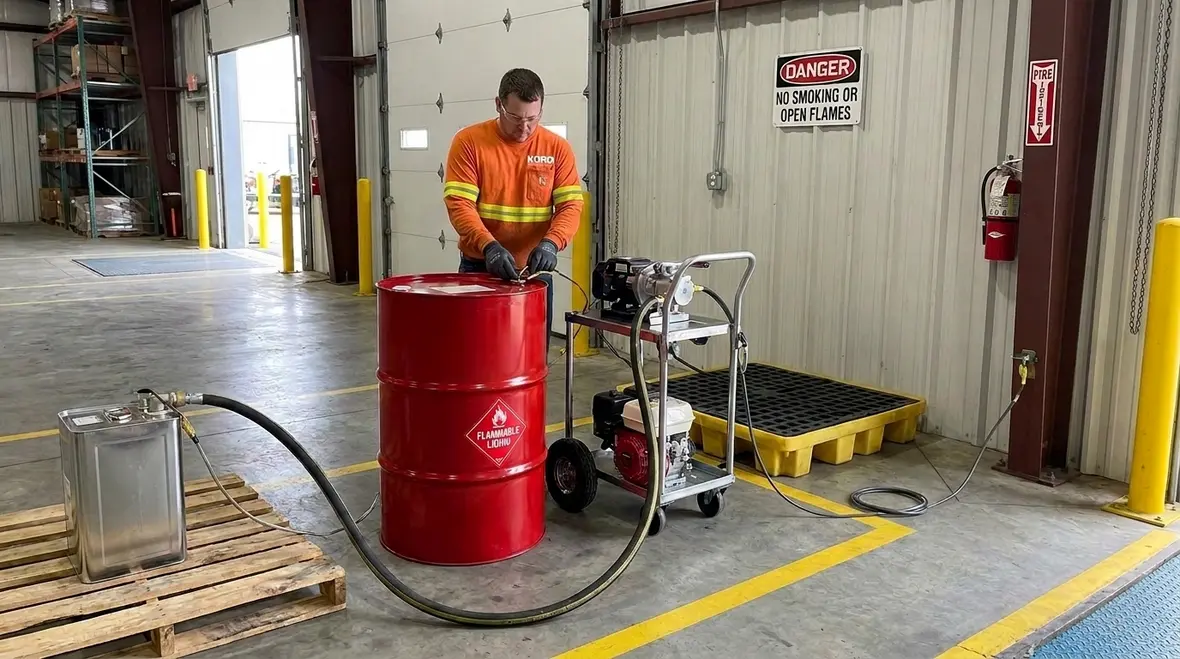
NFPA 30 Section 18.2: Applicability of Dispensing and Transfer Rules
Quick Answer
NFPA 30 Section 18.2 defines when dispensing and transfer operations fall under specific flammable liquid rule sets. It applies based on the type of liquid, the equipment and methods used, and the operational context in which transfer occurs. Proper classification and procedure control drive compliance.
What NFPA 30 Section 18.2 actually covers in real facilities
NFPA 30 governs flammable and combustible liquids with an emphasis on preventing ignition sources, controlling vapor release, and maintaining safe transfer practices. Section 18.2 addresses NFPA 30 Section 18.2 applicability dispensing transfer by setting the boundary for when the dispensing and transfer requirements apply to operations in warehouses, manufacturing sites, bulk storage areas, and retail service environments.
In practice, the “applicability” question becomes operational: a facility must determine whether its transfer method, flow path, and container interface trigger the higher level of procedural and engineering controls outlined in the dispensing and transfer provisions. A common compliance failure occurs when staff treat routine “top offs,” portable container moves, or pump assisted decanting as outside the dispensing and transfer scope, even when they involve protected transfer principles required by NFPA 30.
If your operation involves special hazard systems or industrial protection planning around liquid handling areas, Kord Fire’s commercial fire suppression services are a natural next read before getting deeper into the code language.
How applicability is determined: scope, equipment, and method
NFPA 30 Section 18.2 applicability dispensing transfer is not decided by job titles or informal routines. Facilities apply it by evaluating three core variables: the substance being handled, the transfer or dispensing equipment and configuration, and the transfer method used during the operation.
1) Liquid classification and intended use
The flammability and volatility characteristics of the liquid drive the hazard classification, which in turn influences control requirements. The facility should confirm the liquid identity from SDS and procurement documentation, then align the container labeling and tank or tote identification with the hazard classification used in the written safety program. Drift between “what is in the container” and “what the program assumes is in the container” frequently creates hidden noncompliance.
2) Transfer interfaces and equipment configuration
Applicability is heavily influenced by the interface between storage and point of use. The rules become more demanding when equipment moves liquid through pumps, hoses, manifolds, flexible connections, or other transfer pathways designed to dispense or move product beyond simple direct placement into a container.
Commercial facilities often rely on a mix of:
- Fixed pumps and piping systems
- Hose connected dispensing stations
- Portable transfer pumps and suction kits
- Drums, totes, and intermediate containers used as staging
- Recycling, reclaim, or filter housings that change flow characteristics
Each configuration introduces failure points including hose condition, coupling integrity, bonding and grounding effectiveness, and valve management during routine service.
3) Transfer method and operational controls
Section 18.2 applicability is also practical: it hinges on how operators perform the transfer. Dispensing and transfer rules apply when operations include controlled delivery of flammable liquid using methods that can release vapors, generate static, or produce ignition risk if the equipment and procedures are not managed correctly.
Operational controls typically include supervision requirements, sequence of connection and disconnection, pressure limits where applicable, and vapor management practices such as minimizing splashing and uncontrolled flow.
Where organizations commonly get tripped up during audits
Most enforcement issues do not come from “ignoring NFPA 30.” They come from inconsistent interpretation of applicability among operations teams and maintenance teams. These are recurring commercial facility challenges.
Container staging that turns into a transfer operation
Facilities often stage drums or totes for later use, then perform decanting, metering, or pump assisted feeding during shift operations. The staging looks like “storage,” but the movement of liquid through a transfer pathway becomes a dispensing or transfer activity. If the written program and equipment inspection schedule do not treat it as such, drift occurs.
Loose hose and coupling controls
Reusable hoses can degrade from chemical exposure, abrasion, or kinking. Couplings and gaskets can fail or become mismatched. When applicability is misread, facilities may use nonrated components or neglect pre use inspections, creating a path for leaks and vapor release.
Static electricity management gaps
Static accumulation is a key operational risk during flammable liquid transfers. Applicability failures often show up as incomplete bonding and grounding routines, missing connection checks, or operators who skip the proper sequence before energizing pumps or opening valves.
Maintenance documentation that does not match the field system
Many sites keep maintenance records, but not the records needed to demonstrate compliance with dispensing and transfer controls. Common missing items include inspection findings for hoses, couplings, and nozzles; proof of functional testing for required safety devices; and evidence that staff were trained on procedure changes.
What “compliant” looks like: procedures, inspection, and equipment mechanisms
Compliance with NFPA 30 Section 18.2 depends on how the facility implements dispensing and transfer operations day to day. The following practical components help commercial operators close the gap between written policy and field reality.
Written procedures that match the actual transfer workflow
Procedures should define:
- When an operation qualifies as dispensing and transfer under Section 18.2
- Connection and disconnection sequence
- Bonding and grounding steps and verification
- Valve and pump startup and shutdown steps
- Leak response actions including immediate cessation and isolation
- Emergency communication and spill control escalation
Inspection and preventive maintenance aligned to applicability
Facilities should maintain an inspection cadence for transfer equipment that reflects how often it is used, chemical compatibility, and mechanical stress. For example, hose assemblies require more than visual review. A compliant program tracks end fittings, couplings, wear zones, and replacement history.
Operational safeguards that prevent ignition sources
Even when the transfer path is properly managed, ignition sources can still exist from static discharge, hot surfaces, or electrical equipment deficiencies. Facilities should align electrical classification and equipment selection with the hazardous location approach used for the site, then ensure dispensing stations and pumps remain in safe operating condition.
Training and competency verification
Competency should include hands on demonstrations of correct bonding sequence, valve handling, and emergency response steps. A frequent failure point occurs when routine tasks are delegated without verification that the operator understands why the sequence matters.
For additional context on how NFPA 30 regulates flammable liquids and the compliance expectations tied to transfer practices, see: How NFPA 30 regulates flammable liquids.
Maintenance and service planning: how to keep applicability decisions current
Applicability is not a one time decision. Commercial operations change liquids, add equipment, reconfigure dispensing points, and modify workflows. Each change can alter which dispensing and transfer rules apply.
Change management that prevents scope creep
Implement a structured review when any of the following occurs:
- Switching to a different product with different volatility or flammability characteristics
- Adding new transfer hoses, couplings, or pump assemblies
- Relocating dispensing stations or changing the distance and routing of hoses
- Modifying valves, fittings, strainers, or filtration setups
- Increasing throughput that changes practical transfer duration and vapor release conditions
Evidence for inspections and compliance readiness
Facilities benefit from a compliance package that includes inspection logs, maintenance records, training attendance or competency verification, and current risk assessment documentation. During audits, this evidence supports the facility’s Section 18.2 applicability dispensing transfer determination with objective data.
Kord Fire Protection supports commercial facilities through practical compliance services including inspection planning, documentation support, and ongoing maintenance alignment for flammable liquid handling hazards. For teams balancing safety requirements with operational uptime, partnering with a specialist helps reduce rework and eliminates gaps between NFPA 30 expectations and field conditions across industrial and retail environments.
Frequently Asked Questions
Conclusion and call to action
NFPA 30 Section 18.2 applicability dispensing transfer requires more than reading the rule. It demands a facility wide, procedure driven approach that matches your actual equipment, transfer workflow, and liquid classifications, backed by inspection and training evidence. If your dispensing or transfer operations involve hoses, pumps, or staging changes, schedule a compliance review with Kord Fire Protection to verify scope, close gaps, and maintain audit ready documentation across your commercial sites.

Join Our Newsletter!
Get the latest fire safety tips delivered straight to your inbox From our Newsletter.



