
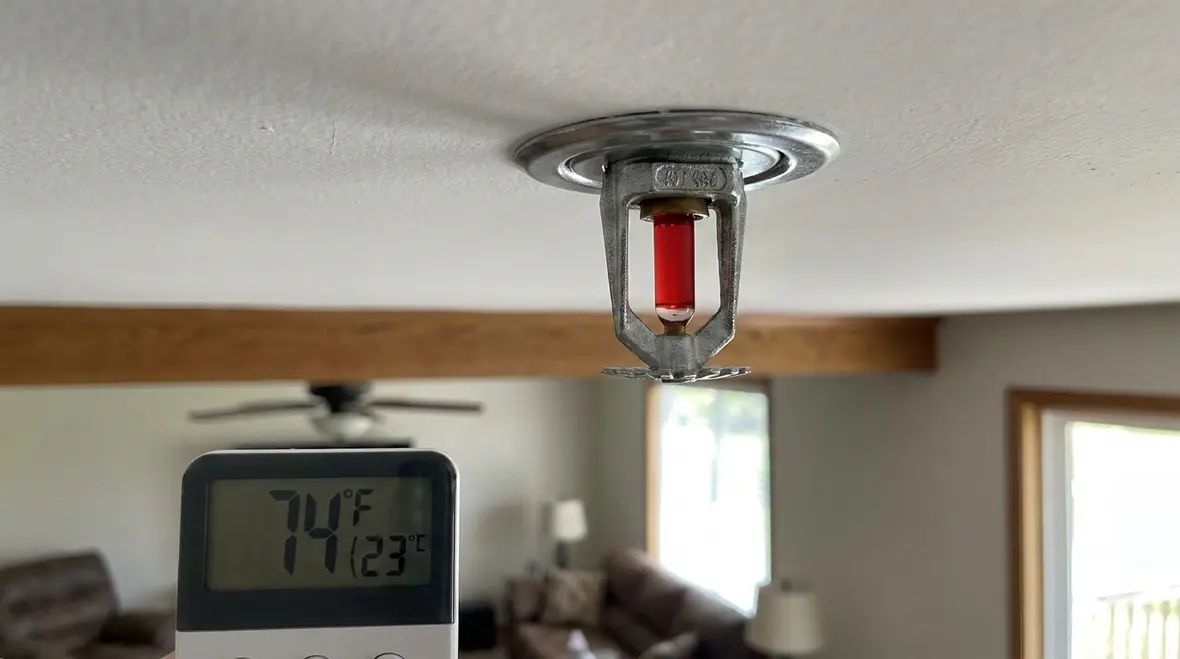
NFPA 13D Section 4.1: Choosing the Right Sprinkler Temperature Rating for Residential Areas
Quick Answer
NFPA 13D Section 4.1 requires sprinkler temperature ratings that match the specific residential hazard and ambient conditions of the installation area. Selecting the wrong rating can trigger premature corrosion, impairment, or failure to activate as designed. Confirm ambient temperatures, obstructions, and inspection access.
Why NFPA 13D Section 4.1 temperature ratings matter in real installations
NFPA 13D Section 4.1 sprinkler temperature ratings residential installation requirements exist because residential systems often extend into spaces with temperature swings that differ from the conditioned interior. When sprinkler design temperature does not align with the expected ambient environment, the system can suffer from reliability failures, serviceability problems, or code noncompliance during inspections.
For commercial facility owners, retailers, and industrial operators with mixed use or contractor controlled residential style occupancy areas, the compliance challenge becomes operational: the project may start with the correct spec, but field conditions, storage, renovations, and recurring maintenance activities can shift ambient temperatures over time. Ongoing service and documentation help prevent “looks fine today” failures that surface during inspections.
For additional context on installation and system fundamentals, refer to this overview: NFPA 13 overview and automatic sprinkler system installation considerations.
If your team is also coordinating long term upkeep, fire sprinkler system service can help keep documentation, inspections, and repairs aligned with how the building actually operates.
What “temperature rating” means for sprinklers under NFPA 13D
Residential sprinklers use heat responsive elements that melt or release at a defined activation temperature range. The temperature rating ensures the sprinkler reacts within its specified performance window while avoiding nuisance operation during normal ambient conditions.
From a field perspective, the key concept in NFPA 13D Section 4.1 is ambient temperature evaluation. Installers must select sprinkler temperature ratings based on the maximum expected ambient temperature where the sprinkler is installed. The selection process should account for:
- Heated and ventilated interior spaces versus unheated or semi heated areas
- Attics, garages, basements, and storage rooms with varying heat retention
- Ceiling type and thermal stratification where warm air accumulates
- Local heat sources such as mechanical rooms, water heaters, or process equipment located near the sprinkler plane
- Future changes that can alter ambient conditions, such as tenant fit outs or insulation upgrades
Common commercial and retail parallels that cause misselection
Even when the building is not primarily a residential occupancy, contractors may apply residential style design decisions in mixed use buildings or residential wing renovations. Common conditions that lead to incorrect sprinkler temperature ratings include:
- Spray foam or added insulation after initial installation without reassessing ambient temperature
- Demolition or ceiling tile removal that changes airflow and temperature stratification
- Replacement of HVAC components that increases near ceiling temperatures
- Failure to update maintenance procedures for seasonally occupied spaces, such as temporary closures and intermittent heating
How to verify ambient temperature conditions for Section 4.1
Professional selection starts with documented evaluation. The installer or design team should confirm both the design intent and what actually exists at installation. In practice, that means collecting evidence, not assumptions.
Step by step procedure used by compliance teams
- Identify the sprinkler location category. Determine whether the area is conditioned, semi conditioned, or subject to elevated ambient temperatures.
- Assess maximum ambient temperatures. Use design documents and commissioning data where available. Where data is absent, measure during worst case operating conditions.
- Check for heat sources near the sprinkler. Account for equipment that can elevate the local ambient temperature beyond normal room values.
- Verify ceiling and obstruction effects. Obstructions alter heat transfer. Even if ambient temperature looks acceptable, a hot layer at the sprinkler level can change the effective exposure.
- Confirm the selected sprinkler temperature rating. Ensure it aligns with NFPA 13D Section 4.1 sprinkler temperature ratings residential installation requirements for the applicable space conditions.
- Document assumptions and approvals. Keep field notes, calculations, and revised drawings with the system records used for inspection and impairment management.
Operational compliance point: inspections and maintenance
Sprinkler temperature rating errors often remain hidden until inspection cycles. Many sprinklers still look intact, pressures remain nominal, and no activation occurs. The risk appears when insurers or AHJs review design documentation and identify mismatches between ambient conditions and the specified temperature rating. A robust service partner typically supports:
- Field verification checklists for enclosure temperatures and heat sources
- System record updates after tenant work or building upgrades
- Impairment and restoration documentation when access or repairs alter ceiling conditions
Installation and inspection risks tied to wrong temperature ratings
Incorrect temperature ratings create multiple failure pathways that matter to safety and compliance outcomes.
1) Reliability and performance failure
If the rating is too high for the actual ambient conditions, the sprinkler may not activate within the expected timeframe during a fire scenario. Fire growth and ceiling jet temperatures can differ substantially from assumptions, especially in spaces with heat buildup.
2) Nuisance or premature operation risks
If the rating is too low relative to normal ambient temperature, elevated temperature environments can push the sprinkler heat responsive element closer to its activation threshold. While many installations have margins, chronic thermal exposure increases the probability of unwanted activation.
3) Corrosion and service life impacts
Temperature rating selection often correlates with exposure severity. Areas with higher temperatures can accelerate degradation, particularly when combined with humidity and contaminants common in garages or service spaces. That can shorten maintenance intervals and increase the frequency of sprinkler replacements and record updates.
4) Documentation and enforcement problems during AHJ review
Even if field performance remains acceptable, noncompliance may be cited if the temperature rating selection does not match the documented ambient condition requirements under NFPA 13D Section 4.1 sprinkler temperature ratings residential installation requirements. This can lead to forced correction work, schedule impacts, and additional impairment management.
Choosing a temperature rating while coordinating with commercial facility standards
Commercial facility owners and property managers often require stricter governance than minimum code compliance because operations continue during construction and tenants modify spaces frequently. The best practice is to align sprinkler temperature rating decisions with a broader facility standards program.
What good coordination looks like
- Preconstruction reviews: Confirm which spaces qualify as heated, unheated, or variable temperature and lock the requirement into the submittal package.
- Change management: Update temperature rating justification when HVAC systems, insulation, or ceiling configurations change.
- Maintenance and monitoring: Ensure recurring inspections consider seasonal operating conditions where ambient temperatures rise.
- Record traceability: Maintain manufacturer data, installation location notes, and the basis for selection tied to the system record set.
For ongoing compliance and testing workflows, Kord Fire Protection supports property teams with structured service that helps keep documentation accurate and systems maintainable. This becomes especially valuable when facilities operate like industrial or retail environments but include residential style areas that fall under NFPA 13D.
For broader resources related to fire pump and life safety coordination, see: firepumps.org.
What to document for proof of compliance
When AHJs or internal audit teams review NFPA 13D Section 4.1 compliance, they look for evidence that temperature rating selection matches the environment. A practical documentation package typically includes:
- Sprinkler schedule identifying temperature rating by location
- Ambient temperature basis, such as design temps, commissioning reports, or field measurements
- Notes on heat sources near the sprinkler level
- Ceiling type, insulation conditions, and any obstructions impacting heat transfer
- Revision logs for any field changes or design updates
- Inspection and maintenance records tied to the same system identifier
Kord Fire Protection can help keep these records consistent with how the building actually operates, reducing correction events during inspection or insurer review.
Frequently Asked Questions
Call to action
Review your sprinkler schedule now. Confirm the ambient temperature basis and verify installed sprinkler temperature ratings match NFPA 13D Section 4.1 sprinkler temperature ratings residential installation requirements for each space. If your project involves variable HVAC operation, ceiling modifications, or future tenant changes, involve a compliance focused service team early. Kord Fire Protection helps maintain accurate records, supports inspections, and manages ongoing testing and documentation so your system stays compliant and dependable.

Join Our Newsletter!
Get the latest fire safety tips delivered straight to your inbox From our Newsletter.



