
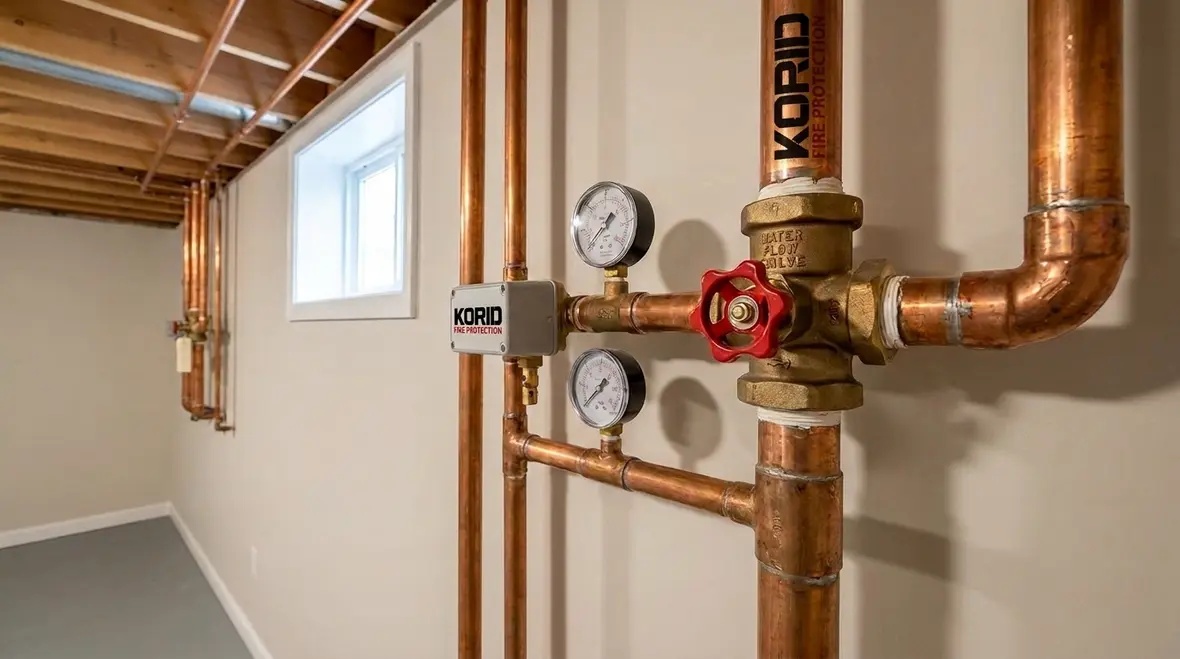
NFPA 13D Chapter 2: Understanding Which NFPA Standards Support 13D Compliance
Quick Answer
NFPA 13D Chapter 2 does not stand alone. It references other NFPA publications that define installation rules, system performance expectations, inspection and testing requirements, and key maintenance responsibilities. Facilities that ignore these referenced standards risk gaps in hydraulics, alarms, and ongoing sprinkler system compliance.
Why NFPA 13D Chapter 2 referenced NFPA publications supporting residential sprinkler compliance matter
NFPA 13D focuses on one and two family dwellings and certain residential occupancies, but “residential” does not mean “independent of other standards.” NFPA 13D Chapter 2 establishes how other NFPA documents apply, including what compliance evidence looks like in the real world. For commercial, industrial, and retail facilities that maintain mixed occupancies, common contractors, or sprinklered residential components, this chapter becomes a control document for consistent design, installation, and ongoing lifecycle management. In practice, the referenced standards drive how installers document system performance, how inspectors verify readiness, and how owners plan routine maintenance.
Because of this, NFPA 13D Chapter 2 referenced NFPA publications supporting residential sprinkler compliance becomes a critical reference phrase for compliance teams that must demonstrate due diligence to insurers, AHJs, and facility management stakeholders.
How Chapter 2 supports compliance beyond the text of NFPA 13D
NFPA 13D Chapter 2 functions like a map of applicability. It directs the user to other NFPA publications for core technical and administrative areas such as:
- Design and installation performance: how sprinkler systems must be arranged, installed, and verified to meet the standard’s intent.
- Inspection, testing, and maintenance logic: how systems stay compliant after installation, including what gets checked and how often.
- Cross referenced safety requirements: provisions that may be required for particular conditions, layouts, or operational interfaces.
From a field operations standpoint, the risk emerges when teams treat Chapter 2 as “optional reading.” In audits, gaps frequently appear in documentation, valve and waterflow test readiness, and evidence of service schedules. Those are areas where referenced publications often establish the benchmark for compliance activities.
For installation and service context near the top of the article, teams can also review Kord Fire Protection’s fire sprinkler services and repair support for a practical look at inspection, maintenance, and repair workflows across active sprinkler systems.
For an installation baseline that complements Chapter 2’s cross reference approach, see: NFPA 13 overview and automatic fire sprinkler system installation. Even though NFPA 13D is distinct, many operational practices and inspection pathways align across sprinkler system families.
Key NFPA referenced publications and what they typically control for 13D teams
Chapter 2 references other NFPA publications to fill in the compliance “how” that users need during design, installation, and maintenance. While the exact list depends on the edition and jurisdictional adoptions, the most operationally significant referenced content usually falls into these categories.
1) Inspection, testing, and maintenance expectations
Sprinkler compliance rarely fails at the initial install. It fails after months and years of normal building operations. Referenced maintenance and impairment expectations establish the minimum lifecycle requirements for:
- Valve supervisory status and accessibility.
- Waterflow device operational verification readiness.
- Drains, flushes, and standby components performance checks.
- System impairment procedures and return to service verification.
In commercial and industrial environments, these are not “set and forget” tasks. Tenants change, piping gets modified, and access pathways get blocked. A service partner must verify that the system remains in the tested configuration required by the referenced inspection and maintenance standard.
2) System installation practices that influence hydraulics and coverage
Even when the sprinkler system design is straightforward, installation details can undermine performance. Referenced standards often control elements such as piping, routing, hangers, identification, and workmanship requirements. These provisions influence how the system performs under demand and how inspectors evaluate acceptance.
Common failure points include:
- Incorrect fittings or substitute components that do not match the required configuration.
- Threading or assembly practices that compromise leak tightness and long term reliability.
- Improper slope, drain arrangement, or interference with water distribution paths.
- Documentation gaps that prevent verification of as built compliance.
3) Water supply and system interface considerations
Referenced publications frequently shape how water supply is evaluated and how interfaces are handled. For buildings with variable demand, shared risers, or combined residential and non residential plumbing, the practical question becomes: does the system maintain adequate performance when building conditions change?
Commercial property managers also need clarity on operational interfaces, including how alarms and supervisory signals tie back to the fire protection strategy. This becomes especially important where residential sprinklered spaces connect to broader building alarm systems.
What compliance looks like operationally on commercial, industrial, and retail sites
Commercial service teams typically encounter 13D referenced standard compliance issues in three operational phases. Understanding these phases helps facility staff avoid reactive “inspection day” firefighting.
Phase A: Pre install and documentation control
Even if a project uses residential design criteria, the compliance documentation must be traceable. A strong process includes:
- Verifying that the design package references the correct edition and adopts the same referenced publications required locally.
- Confirming approvals and permits align with the scope of referenced requirements, not just the sprinkler layout.
- Ensuring as built drawings match installation details that inspectors will verify.
Kord Fire Protection supports these outcomes by coordinating design intent with install verification and by developing inspection programs that reflect how the referenced standards define acceptance evidence. For teams that need a sprinkler program baseline, the broader installation workflow is addressed here: automatic fire sprinkler system installation overview.
Phase B: Acceptance testing and readiness for inspection
Referenced standards often determine what gets tested and how results are documented. In operational terms, technicians verify that:
- All control valves and supervisory devices remain accessible and functional.
- Alarm initiating devices and flow detection pathways are operational and connected as designed.
- Hose valves, inspector’s test connections, and drains function as intended without creating new hazards.
For commercial facilities, a readiness checklist reduces rework that can disrupt tenant operations or delay occupancy approvals.
Phase C: Ongoing maintenance, testing, and impairment management
Maintenance compliance is where many sites drift. The service plan should address recurring tasks, access controls, and impairment return to service steps. Maintenance failures commonly include:
- Blocked valve access due to storage, renovations, or tenant build outs.
- Deferred repairs that postpone restoration of tested conditions.
- Inconsistent documentation that prevents compliance verification.
Because sprinkler systems sit quietly until they do not, Kord Fire Protection positions ongoing inspections and testing as a lifecycle discipline, not a checkbox. This is also consistent with how major fire pump and water supply system compliance communities approach reliability and testing rigor. Learn more through resources like firepumps.org, where reliability and testing expectations are emphasized for water based fire protection systems.
Common compliance misunderstandings tied to Chapter 2 cross references
Even competent installers and facility teams make predictable mistakes when Chapter 2 referenced standards are not handled carefully.
“We only installed NFPA 13D, so we do not need the referenced documents.”
Referenced publications still govern how compliance is demonstrated. Jurisdictions and insurers frequently look for evidence consistent with those references, especially in maintenance and test documentation.
“Maintenance requirements begin only after the first year.”
Maintenance expectations start on day one through established service cycles and impairment procedures. If access is not maintained from the first installation period, later compliance becomes more expensive.
“Residential systems will be inspected less strictly.”
Reduced complexity in the building type does not reduce system accountability. Inspectors verify readiness, accessibility, and test functionality regardless of occupancy category.
How to use NFPA 13D Chapter 2 in project control and service planning
A practical workflow helps teams translate Chapter 2 into operational controls.
Confirm the applicable NFPA edition and local amendments. Chapter 2 cross references can vary by edition and adoption.
Create a referenced standards checklist. Map each referenced publication to the compliance deliverables it drives: design documentation, acceptance testing, and ongoing maintenance artifacts.
Build an inspection and testing schedule aligned with the referenced maintenance requirements. Schedule work to protect accessibility and prevent impairment surprises during tenant operations.
Verify system readiness after any maintenance or modifications. Return to service must restore the tested condition expected by referenced standards.
Assign ownership and documentation control. Ensure one responsible party maintains as built drawings, test records, and valve configuration documentation.
Kord Fire Protection supports commercial facility teams with consistent documentation, test readiness, and lifecycle maintenance planning so that residential sprinkler compliance stays aligned with the intent behind NFPA 13D Chapter 2 referenced NFPA publications supporting residential sprinkler compliance.
Frequently Asked Questions
Conclusion and call to action
NFPA 13D Chapter 2 becomes a compliance control point when referenced publications guide how systems get installed, tested, and maintained. For mixed-use commercial sites, the cost of ignoring those cross references shows up as documentation gaps, failed readiness checks, and recurring maintenance issues. Kord Fire Protection can help validate design deliverables, align inspection schedules with referenced requirements, and keep your sprinkler systems test ready. Contact Kord Fire Protection to review your current compliance approach and establish a maintenance plan that holds up under inspection.

Join Our Newsletter!
Get the latest fire safety tips delivered straight to your inbox From our Newsletter.



