
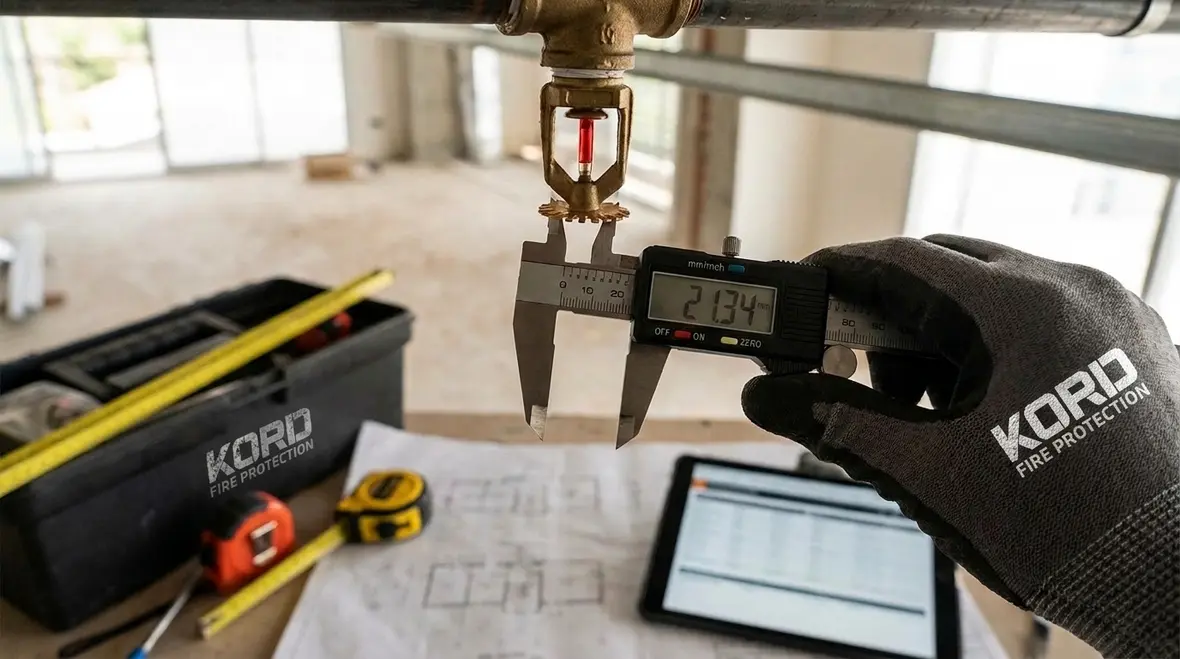
NFPA 13D Sections 1.5–1.6: Units of Measurement and Emerging Sprinkler Technology
Quick Answer: NFPA 13D Sections 1.5 and 1.6 establish how design and inspection information must be expressed, then address newer sprinkler technology that may appear in the standard. Facilities adopting updated products should verify unit usage, listing, installation method, and maintenance procedures to remain compliant.
When jurisdictions and property managers reference NFPA 13D Sections 1.5 1.6 SI imperial units new sprinkler technology guidelines, they typically expect two outcomes: consistent units across documents and accurate application of emerging sprinkler technology criteria. This matters for commercial, industrial, and retail occupancies where the sprinkler system design, shop drawings, acceptance tests, and ongoing inspection records must align with fire code requirements, manufacturer instructions, and local authority expectations.
For a broader installation perspective before diving into the details, see NFPA 13 overview for automatic fire sprinkler system installation practices. It fits naturally here because documentation discipline, listing awareness, and installation readiness all carry directly into how Sections 1.5 and 1.6 are applied in the field. ([kordfire.com](https://kordfire.com/nfpa-13-overview-automatic-fire-sprinkler-system-installation/?utm_source=openai))
What NFPA 13D Sections 1.5 and 1.6 Actually Cover
NFPA 13D focuses on residential and similar occupancies, but the compliance approach carries into commercial and mixed-use facilities where portions of a building may fall under residential fire sprinkler scopes. Sections 1.5 and 1.6 are practical because they govern two frequent failure points during plan review and ongoing inspections:
- Units of measurement: how values must be stated and interpreted in design, calculations, and submittals, especially when documents mix SI and imperial units.
- Emerging sprinkler technology: how newer sprinkler types and technological variations are handled so the system remains predictable, testable, and maintainable.
In day to day practice, the biggest risks do not come from misunderstanding the intent. They come from document inconsistencies, incorrect conversion practices, and unverified product application outside the conditions the listing or installation instructions assume.
Units of Measurement (Section 1.5): Avoid Conversion Errors Before They Become Compliance Issues
Section 1.5 sets expectations for the units used in NFPA 13D documentation and helps prevent ambiguity. For teams preparing shop drawings and maintenance records, the compliance value is straightforward: units must be consistent, correctly converted when needed, and traceable from the design basis through installation and inspection.
Where SI and Imperial Mistakes Commonly Appear
- Pressure and flow data: converting psi to kPa and gpm to L/min can be correct in isolation but wrong after spreadsheet rounding or mixed unit references in a hydraulic calculation worksheet.
- Pipe sizes and fittings: incorrect interpretation of nominal pipe size can cascade into schedule mismatches, hanger spacing errors, and sprinkler location deviations.
- Sprinkler deflector and ceiling geometry: spacing and distance values become problematic when teams convert inches to millimeters but do not update the physical as built measurements and ceiling tiles or beams references.
- Documentation handoffs: a design team using SI while the installer records imperial as built measurements creates a hidden gap that inspections may uncover during discrepancy resolution.
Operational Compliance Procedures for Unit Control
Commercial facilities that manage multiple contractors or phased renovations should implement unit control procedures. Kord Fire Protection teams typically recommend:
- One source of truth: require a single unit standard in the contract drawings and hydraulic worksheets, with explicit conversion references if a change is requested.
- Conversion audit at submittal: check every calculated value and every dimensioned drawing note for unit consistency, not just the final results.
- As built reconciliation: confirm that field measurements match the design intent and that any unit conversions are documented in the acceptance package.
- Inspection record alignment: ensure that service tags, inspection checklists, and maintenance logs use consistent units so trends and corrective actions do not rely on incorrect translations.
For a broader installation context, refer to the Kord Fire Protection overview: NFPA 13 overview for automatic fire sprinkler system installation practices. Even though NFPA 13 differs from NFPA 13D in scope, the documentation discipline and inspection readiness expectations carry through. ([kordfire.com](https://kordfire.com/nfpa-13-overview-automatic-fire-sprinkler-system-installation/?utm_source=openai))
Emerging Sprinkler Technology (Section 1.6): What Changes and What Must Not
Section 1.6 addresses how to apply new or emerging sprinkler technology within the standard framework. The compliance objective is not to block innovation. It is to keep performance predictable, ensure the product is listed for the intended conditions, and confirm the installation and maintenance requirements remain verifiable.
How Emerging Technology Typically Gets Challenged
As new sprinkler designs enter the market, the operational challenges tend to cluster in predictable categories:
- Listing and approval boundaries: a sprinkler may be listed for certain temperature ratings, coverage assumptions, or application conditions. Using it outside those boundaries can create noncompliant system behavior.
- Compatibility with water supplies: changes in sprinkler design can affect flow characteristics, pressure losses, or discharge patterns, which affects hydraulic calculations and system performance expectations.
- Escutcheon, trim, and ceiling interface: innovative thermal or activation features still require correct ceiling compatibility. Wrong rough in or incorrect trim assemblies can impair operation.
- Inspection and maintenance access: if a new sprinkler style increases the complexity of inspection, replacement, or recordkeeping, facilities can fall behind on inspection effectiveness.
Commercial Facility Best Practices for New Sprinkler Products
Facilities that plan upgrades should treat “emerging technology” as an engineered change, not a like for like swap. Kord Fire Protection supports this approach through compliance focused review steps such as:
- Confirm listing conditions: validate the sprinkler listing, model details, temperature rating, orientation requirements, and environmental ratings.
- Validate hydraulic design assumptions: ensure the sprinkler discharge characteristics used in the design and acceptance testing match the selected product.
- Verify installation instructions: confirm rough in tolerances, deflector alignment requirements, and any required components such as specific escutcheons or trims.
- Plan maintenance workflows: establish how the facility will remove and replace sprinklers, how it will document inspections, and how it will manage access limitations in ceiling voids.
Installation, Acceptance, and Inspection: Where Units and New Technology Collide
Units of measurement and emerging technology do not fail independently. They intersect during acceptance and recurring inspection activities, especially in facilities that combine multiple contractors, renovate ceilings after installation, or manage mixed ceiling types.
Acceptance Testing Readiness Checklist
To keep acceptance from turning into a prolonged correction cycle, commercial teams should verify:
- Design basis matches installed conditions: sprinkler location, ceiling type, and mounting details match the design documents that used SI or imperial units.
- Hydraulic calculations reflect the final product: any selected sprinkler technology must align with the design assumptions and the final listing information.
- Documentation is unit consistent: acceptance forms, device tags, and test reports use consistent units to prevent misinterpretation during corrective actions.
- Valve and system labeling clarity: ensure the control scheme and labels match the configured system, with dimensions and set points correctly documented.
Common Failure Points Found During Inspections
- Wrong unit in corrective actions: a repair note written in one unit system leads to incorrect dimension verification.
- Ceiling modifications: after upgrades, ceiling tiles or liners may block sprinkler operation or change the sprinkler to ceiling interface beyond the permitted tolerances.
- Trapped or obstructed sprinklers: emerging technology may be more sensitive to obstructions if thermal response characteristics rely on correct exposure to the intended environment.
- Maintenance gaps: if the new sprinkler requires specialized handling, facilities may defer servicing until damage is obvious rather than managing early replacement indicators.
For broader reference materials on fire pumping systems that often integrate with sprinkler design and testing, teams can consult Fire Pumps. That site includes current articles on testing expectations, acceptance procedures, and ongoing compliance topics that support coordination between pump performance and sprinkler system discharge assumptions. ([firepumps.org](https://firepumps.org/blog/nfpa-25-fire-pump-testing-requirements-guide/?utm_source=openai))
How to Apply “New Sprinkler Technology” Guidelines Without Creating Maintenance Debt
Emerging technology can improve response characteristics, reduce water damage under certain conditions, or simplify installation in specific ceiling configurations. However, it can also increase maintenance debt if the facility does not plan for inspection access, replacement procedures, and documentation consistency.
Maintenance Planning That Stays Audit Ready
Kord Fire Protection typically helps facilities keep maintenance audit ready by focusing on:
- Documented product traceability: record sprinkler model numbers, listing identifiers, temperature ratings, and any required trims or escutcheons.
- Inspection workflow alignment: confirm that inspectors can access and verify the key features that determine continued operability.
- Replacement strategy: confirm availability of compatible replacement sprinklers and identify any proprietary trim or interface components.
- Training for facility technicians: ensure maintenance staff understand what is visual versus what requires specialized inspection procedures or in system testing.
Commercial facilities often store maintenance records electronically. Consistent units and accurate product identifiers prevent future confusion when technicians attempt to correlate repair work with prior inspection findings.
SEO Focus: Practical Compliance Takeaways for Plan Review and Field Operations
Teams that want to satisfy the expectations reflected in NFPA 13D Sections 1.5 1.6 SI imperial units new sprinkler technology guidelines should center on three practical goals:
- Eliminate unit ambiguity: standardize the unit system used across hydraulic calculations, drawings, and acceptance documentation.
- Use emerging sprinkler technology only within verified conditions: confirm listing boundaries and installation instruction requirements before field deployment.
- Make maintenance predictable: ensure the facility can inspect, document, and replace the technology without shortcuts that lead to deferred compliance.
This is where partner support matters. Kord Fire Protection aligns design intent with field reality and supports ongoing compliance through testing, inspections, and maintenance documentation that withstand operational scrutiny in commercial, industrial, and retail environments.
Frequently Asked Questions
Call to Action
If a project team is preparing submittals or planning a sprinkler technology upgrade, Kord Fire Protection can help confirm unit consistency, verify listing and installation instruction alignment, and set up an inspection and maintenance plan that stays compliant over time. Contact Kord Fire Protection to review your drawings, acceptance approach, and ongoing service requirements before installation decisions create avoidable rework.

Join Our Newsletter!
Get the latest fire safety tips delivered straight to your inbox From our Newsletter.



