NFPA 1 Section 16.7 Lead Removal Fire Safety in AU
Quick Answer: NFPA 1 Section 16.7 sets the fire safety rules for lead removal work. It helps keep workers, sites, and nearby operations safe during demolition, stripping, and cleanup. For industrial, retail, and commercial facilities across Australia, Kord Fire Protection can support planning, compliance, and site fire controls with steady, practical help.
In busy sites, lead removal fire safety is not just a box to tick. It protects people, assets, and business continuity. NFPA 1 Section 16.7 sits close to the heart of lead abatement fire code compliance, while lead paint removal fire protection helps reduce the risk of fire, toxic dust spread, and costly shutdowns. In plain terms, the work must be controlled, documented, and supervised with care. That matters on warehouses, shopping centres, factories, plants, and other commercial spaces where one mistake can turn into a very expensive headline.
For that reason, many operators bring in fire specialists early. Kord Fire Protection can become a vital partner by helping a site align fire precautions, work methods, and emergency planning before the first scraper hits the wall. That is the kind of support that keeps everyone calmer, and as any facility manager knows, calm is a rare and beautiful thing.
Facilities that need wider support across inspections, alarms, suppression, and readiness can explore Australia fire protection for compliance and readiness as a practical starting point. It fits naturally here because lead removal work does not happen in a vacuum. It affects access, systems, permits, and site rhythm all at once, which is exactly why broader fire planning often saves pain later.
What NFPA 1 Section 16.7 Means on a live site
NFPA 1 Section 16.7 deals with lead related work in a way that puts fire risk control first. It is not only about removing lead safely. It also covers how workers contain hazards, manage ignition sources, and protect the building while the job moves ahead. In practice, the rule asks for a careful setup, clear controls, and steady supervision.
That matters because lead removal often involves heat, tools, dust, coatings, and waste handling. Each part can raise fire risk. Therefore, a site team must look at the full job, not just the chemical side. A smart plan also helps keep production areas open where possible, which is good news for any business that does not enjoy the fine art of surprise downtime.
Why live-site control is different
A live site adds moving parts. Staff may still be working nearby. Deliveries may still roll in. Fire exits still need to stay open, alarms still need to function, and temporary barriers cannot create new risks while trying to solve old ones. That means the abatement plan has to work with the building, not against it. If the site has tenants, active plant rooms, or public traffic, the fire safety side deserves just as much attention as the removal method itself.
How lead removal fire safety works in commercial environments
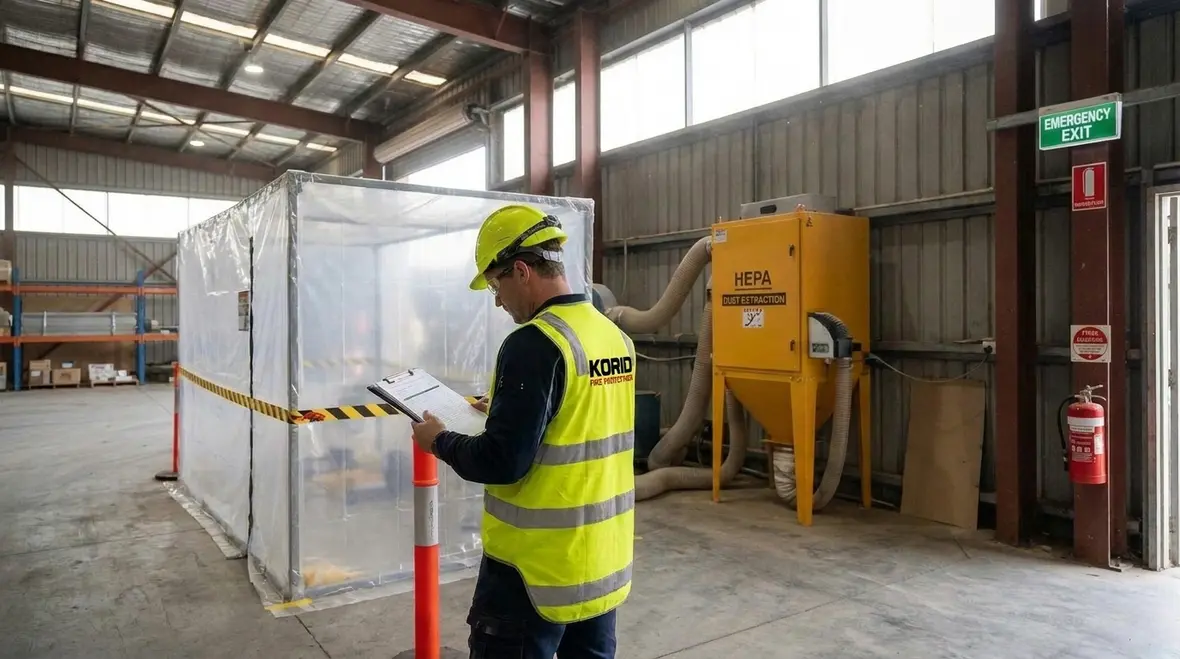
On industrial and commercial projects, lead removal fire safety starts with a site review. The team should identify all fire hazards, nearby operations, access paths, and shut down needs. Then the plan should set out controls for hot work, spark control, waste storage, and dust collection.
Common fire safety steps that hold the job together
- Checking surfaces and coatings before work begins
- Isolating ignition sources near the work area
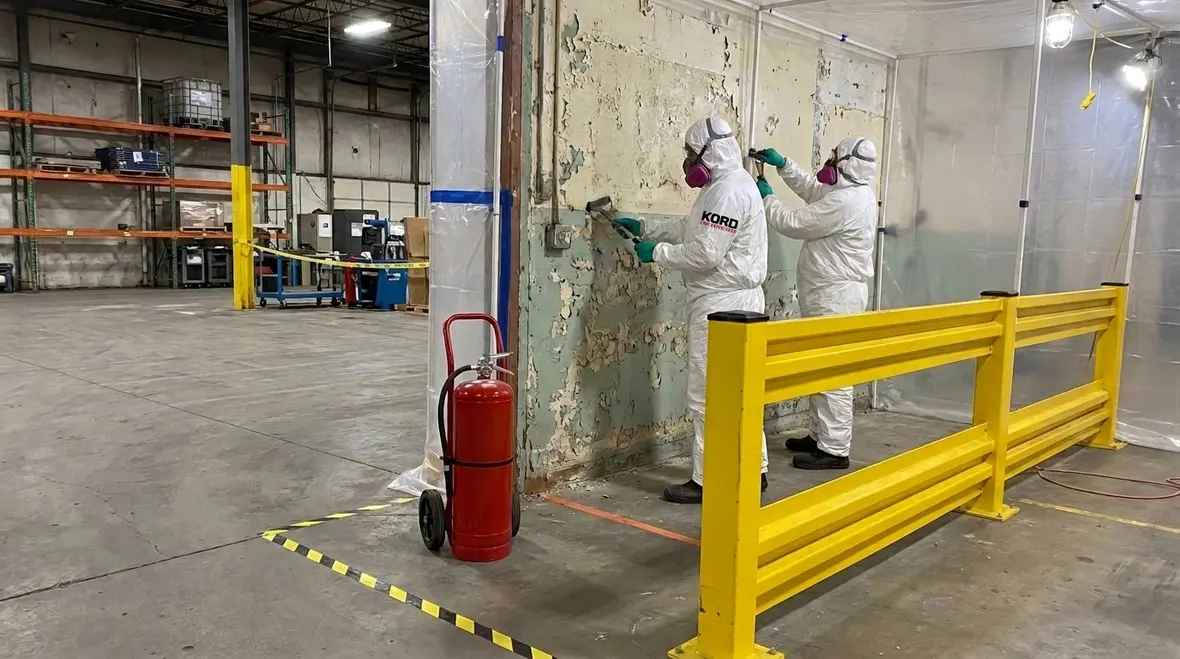
- Using proper containment to stop dust spread
- Keeping fire extinguishers close to the task zone
- Assigning trained people to watch the work area
- Removing waste fast and storing it safely
Also, the job should match the site’s wider fire system. If alarms, suppression systems, or emergency exits could be affected, those issues need early review. In a retail centre or plant, one blocked route can become a bigger problem than the lead work itself. That is not drama. That is just physics wearing a hard hat.
The smartest commercial teams also think beyond the immediate work face. They check adjoining spaces, hidden voids, service penetrations, and areas where dust or debris could drift. They plan for housekeeping during the work, not just after it. If temporary shutdowns are needed, those should be timed carefully and documented well. A sloppy sequence can undermine a good technical plan faster than anyone likes to admit.
Coordination matters more than heroics
Good lead paint removal fire protection does not rely on one person remembering everything. It relies on coordination between contractors, site managers, maintenance teams, and fire specialists. Everyone needs to know who approves hot work, who watches the area, who responds to changes, and who confirms the site is safe at the end of each shift. Heroics are exciting in films. In facilities, they usually mean the plan was weak.
Why the lead abatement fire code matters for business continuity
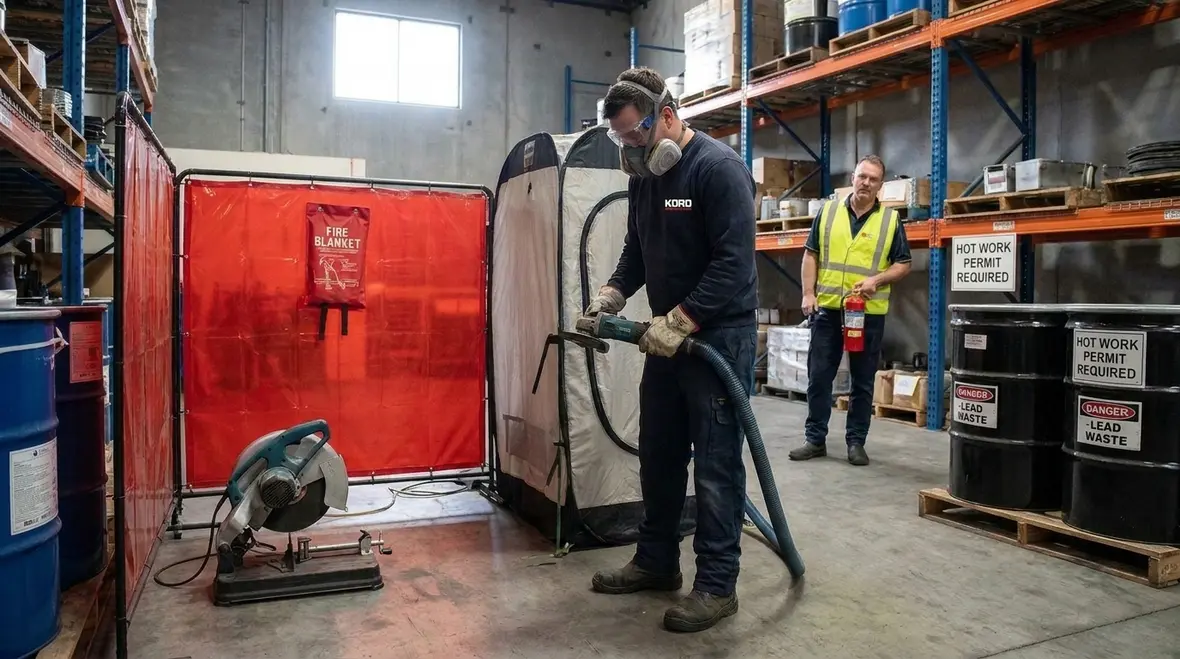
The lead abatement fire code is about more than compliance. It protects the schedule, the building, and the people who keep the site running. When fire controls fail, the results can include smoke damage, contaminated stock, lost trading time, and insurance trouble. For a commercial operation, that can hit the bottom line hard.
Because of that, the best teams treat lead abatement like a managed risk project. They coordinate contractors, facility staff, and fire professionals before work starts. As a result, the site keeps a better grip on risk and avoids last minute panic. Nobody wants a fire plan that reads like a jazz solo. It should stay tight, clear, and on beat.
Service focus and site outcomes
| Service need | What it helps prevent |
| Lead dust containment | Dust spread and ignition risk |
| Hot work controls | Sparks, smoulder points, and fire spread |
| Waste handling | Unsafe storage and accidental ignition |
| Emergency planning | Poor response and longer shutdowns |
Business continuity often hinges on the boring things people skip when pressure builds. Access routes, isolation points, housekeeping schedules, permit checks, extinguisher placement, and end-of-day inspections are not glamorous, but they keep small issues from growing teeth. If a facility handles stock, serves customers, or runs production lines, these controls support more than safety. They protect momentum, trust, and the ability to open the doors tomorrow without an apology tour.
For readers who want the broader code context around prevention, inspections, and coordinated control, Kord also has a useful guide on NFPA 1 fire prevention and safety. It complements this topic well because lead abatement fire code decisions rarely stand alone. They sit inside a bigger fire protection picture.
How Kord Fire Protection supports lead paint removal fire protection
Kord Fire Protection can play a vital role in lead paint removal fire protection by helping facilities match site work with practical fire safety controls. That support can include reviewing the work area, advising on fire system impacts, and helping the site team prepare emergency steps before the project begins.
For example, if a contractor must work near sensitive equipment, loading areas, or active tenant spaces, Kord can help build a safer plan around those conditions. Likewise, if the job includes temporary changes to alarms, access, or suppression coverage, Kord can help the site reduce risk while keeping the work moving. That kind of support is useful because lead projects often change fast, and fire safety must keep pace.
In short, Kord helps turn a compliance task into a controlled process. And that is what good fire protection should do. It should quietly do its job while everyone else gets the glory and the dust.
Where support makes the biggest difference
The biggest gains usually come before the work begins. Early review helps identify whether detectors need protection, whether alarms need management during specific tasks, whether extinguishing coverage needs adjustment, and whether emergency access stays clear from start to finish. It also helps the facility spot clashes between the abatement contractor’s method and the building’s daily operations. Those are the kinds of problems that are much cheaper on paper than on site.
What facility teams should prepare before work starts
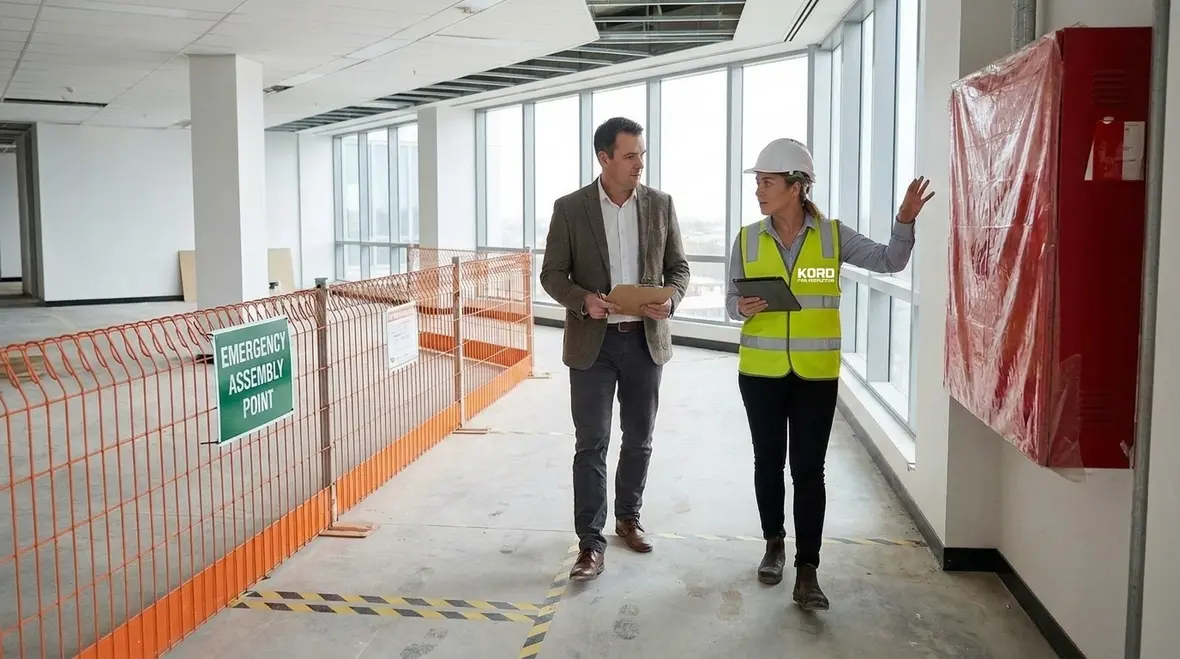
Before lead removal begins, facility managers should confirm that the site has a written plan, trained workers, and a clear chain of responsibility. They should also verify whether fire equipment needs checks, whether alarms need temporary adjustments, and whether other trades could create added risk.
Helpful preparation steps
- Reviewing the scope of lead work and the fire risk around it
- Confirming permit needs for hot work or temporary shutdowns
- Briefing contractors on site fire rules
- Protecting exits, panels, and high risk equipment
- Setting a clean up plan for dust and waste
In addition, teams should keep records. Good records help prove the site acted with care and followed the right process. That can matter later if an auditor, insurer, or client asks the hard questions. And they always do, usually when the coffee is cold.
It also helps to schedule a final readiness check before the first day of work. That check can confirm permits, housekeeping expectations, emergency contacts, access pathways, equipment placement, and communication steps if the scope changes. A short meeting before the job starts can prevent a very long meeting after something goes wrong. Facilities people already have enough of those.
FAQ
Final word for facilities that cannot afford a setback
Lead removal work needs more than a crew and a mask. It needs fire control, planning, and steady oversight. For Australian industrial, retail, and commercial sites, that is where strong guidance pays off. If a project needs clear support for lead removal fire safety or lead paint removal fire protection, Kord Fire Protection can help keep the job safe, compliant, and on track.
Reach out early, and keep the site one step ahead of trouble. That early move often makes the difference between a controlled project and a chaotic one. In fire safety, a little foresight beats a lot of regret every single time.

Join Our Newsletter!
Get the latest fire safety tips delivered straight to your inbox From our Newsletter.