
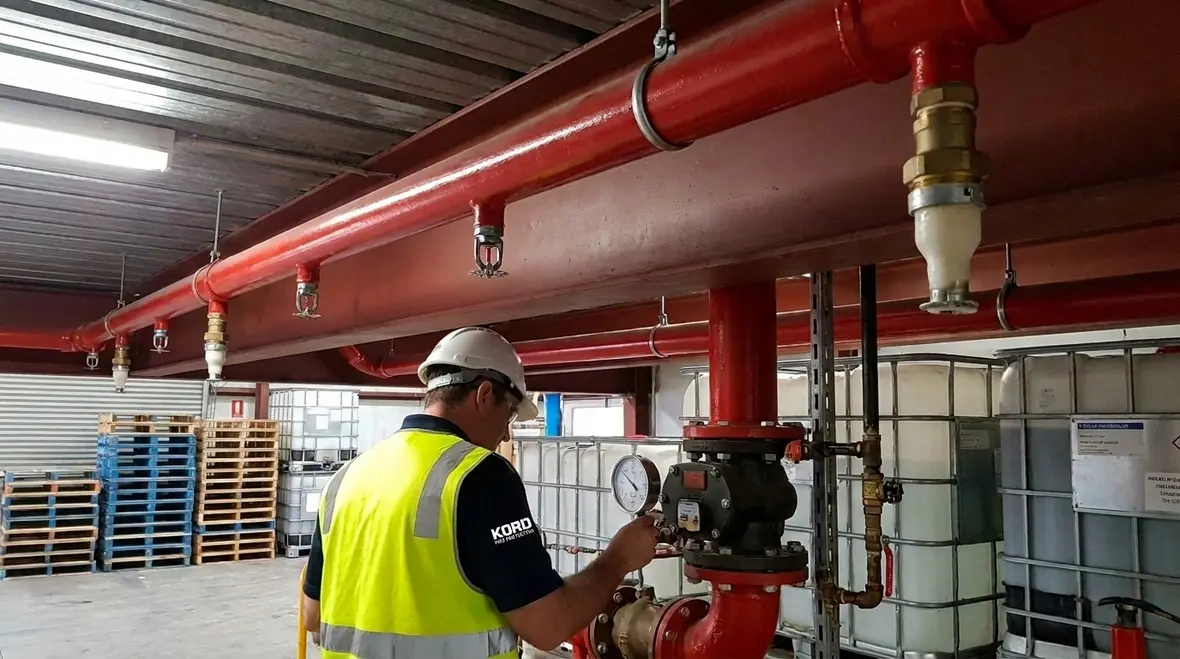
NFPA 16 Section 7.2 Foam Water Design Criteria Explained
Quick Answer: NFPA 16 Section 7.2 sets the backbone for foam water sprinkler and spray system design by defining how the system must deliver the right foam solution, at the right pressure, across the right hazard area. For industrial, retail, and commercial sites in Australia, that means safer asset protection, better fire control, and a design that works when it counts.
NFPA 16 design criteria matter because foam systems are not built on guesswork. They rely on precise foam concentration, hydraulic balance, discharge density, and system layout to control flammable liquid fires and protect high risk spaces. In practice, foam water system design criteria and fire suppression hydraulic design work together from the first drawing to final testing. That is where a skilled partner like Kord Fire Protection becomes valuable, because a sound design today can prevent a very expensive disaster tomorrow. Fire does not care about a business plan, but it certainly respects a well designed suppression system.
If your facility is weighing hazard specific protection, Kord also offers a dedicated Foam Fire Suppression Systems service page that fits naturally into early planning for high challenge fuel risks.
Understanding NFPA 16 Section 7.2
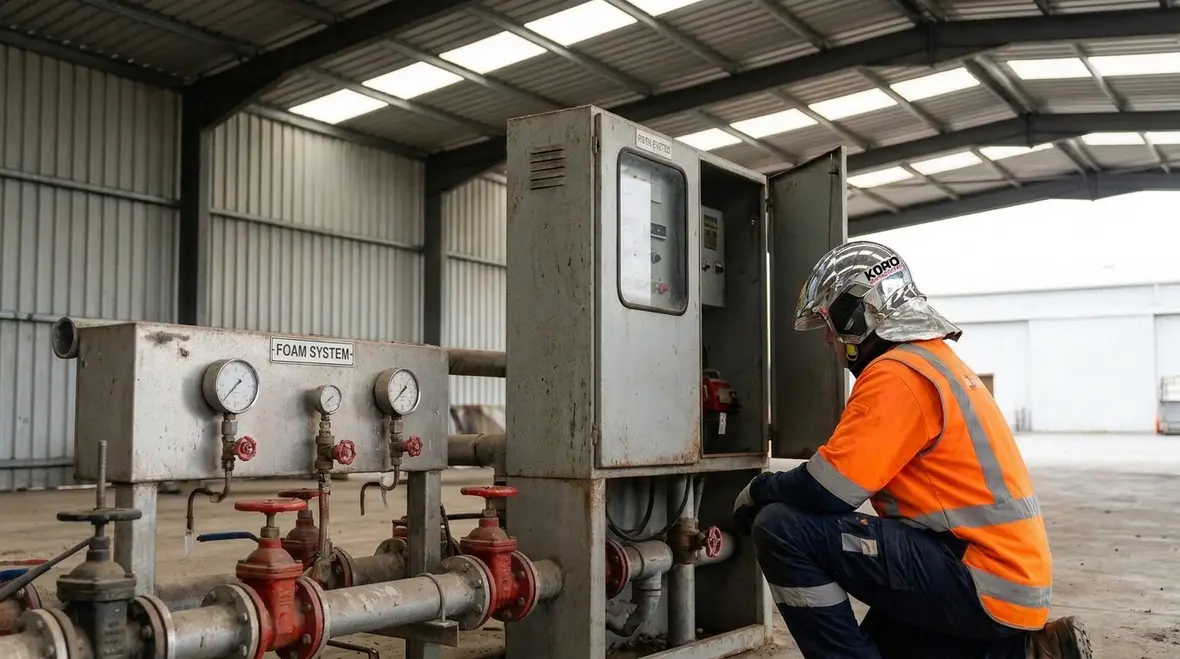
NFPA 16 Section 7.2 focuses on the design criteria that guide foam water sprinkler and spray systems. It helps ensure the system can deliver foam at the proper rate, over the right area, and for long enough to control the hazard. That matters because foam works differently from plain water. It smothers vapours, cools hot surfaces, and helps stop re ignition. In other words, it does more than splash around and hope for the best. Hope, as they say, is not a fire strategy.
For facilities handling flammable liquids, fuel storage, industrial process areas, loading bays, and certain commercial risks, these requirements shape how the system performs under pressure. The criteria also influence nozzle selection, spacing, discharge duration, and the amount of foam concentrate needed. Each part must align, or the system may look complete on paper but fail in a real event.
Why this section matters more than it first appears
Section 7.2 is not just a technical checkpoint for engineers with calculators and very strong coffee. It is the point where performance becomes measurable. A foam water system is expected to do a very specific job under very unfriendly conditions. If the application rate is off, the pressure drops too far, or the discharge pattern misses the hazard shape, the system may still look respectable in drawings while quietly preparing to disappoint everyone later.
That is why designers treat this section as a working design framework rather than a box ticking exercise. It helps connect the hazard, the equipment, and the hydraulic realities into one coordinated plan. Without that connection, a project can spend a lot of money achieving something between partial protection and industrial optimism.
How foam water system design criteria shape protection
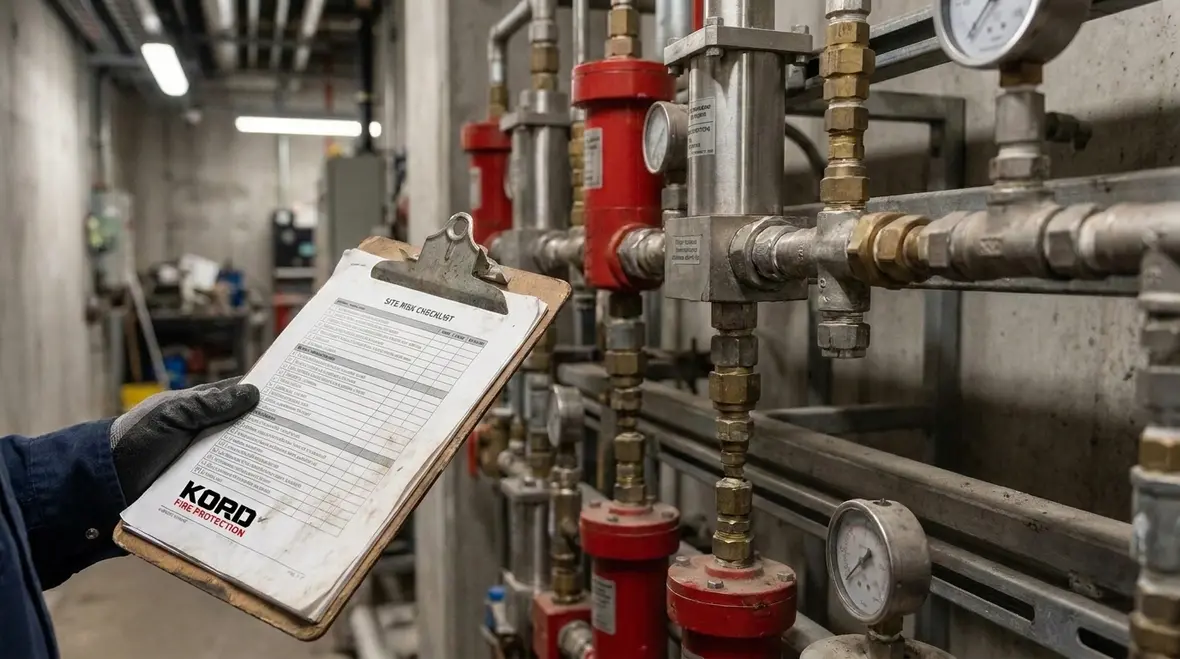
Foam water system design criteria guide how engineers build a system that matches the hazard. First, they identify the fire risk and the area of concern. Then they calculate the foam application rate, select the right discharge devices, and confirm the available water supply can support the demand. Since foam systems depend on hydraulic balance, pressure loss across pipes, valves, and fittings must stay within acceptable limits.
Also, the system must account for the foam concentrate type and the method of proportioning. If the system cannot mix foam correctly, the discharge loses strength and the protection weakens. That is why design teams pay close attention to the full chain, from water supply through to the final nozzle. One weak link can turn a serious fire control system into an expensive piece of industrial theatre.
The practical design pieces that usually drive performance
In real projects, system design is shaped by several practical questions. What fuel is present. How large is the hazard footprint. Does the discharge need to blanket a surface, cool surrounding equipment, or do both. Is the site water supply steady enough to support the required demand for the full duration. Can the proportioning setup maintain the right concentration under changing flow conditions. These are not abstract details. They decide whether the system controls vapours and heat, or just arrives at the scene with confidence and bad timing.
Hazard identification: Defines what the system is actually trying to protect and suppress.
Application rate: Helps determine whether enough foam solution reaches the protected surface.
Discharge device selection: Affects pattern, spacing, and distribution across the hazard area.
Proportioning method: Controls whether water and concentrate mix correctly during discharge.
Water supply verification: Confirms that the system can sustain demand without falling short halfway through the job.
This is also where coordination between design disciplines matters. Mechanical layout, site constraints, pump capability, storage arrangements, and maintenance access all influence the final result. Good design criteria do not live in isolation. They have to survive contact with the actual building.
What fire suppression hydraulic design must cover
Fire suppression hydraulic design makes sure the system can actually deliver what NFPA 16 requires. It covers pipe sizing, pressure calculations, flow demand, pump performance, and the total water supply needed for the full discharge time. Because foam water systems often protect high challenge hazards, the hydraulic design must stay accurate and practical.
To make that easier to follow, the main checks usually include:
Design focus | Why it matters |
|---|---|
Water supply capacity | Confirms the site can support the required foam system demand |
Pipe sizing | Helps maintain proper pressure at the discharge devices |
Foam concentration flow | Ensures correct mixing for effective suppression |
Discharge duration | Supports enough run time to control and secure the hazard |
This stage is where experience pays off. A design that looks fine in theory may stumble if it ignores friction loss, elevation, or pump limitations. Therefore, strong hydraulic work helps keep the system reliable, compliant, and ready for the moment nobody wants to see but everyone must prepare for.
Hydraulic design is where ambition meets reality
Every foam water system eventually has to answer a blunt question: can it move the required solution where it needs to go, with enough pressure, for long enough to matter. Hydraulic design answers that question before the fire does. It tests the assumptions hidden inside the layout. Pipe routes that seemed harmless can build friction losses. Elevation changes can quietly eat pressure. A pump that looks adequate on paper can become less charming once the full demand picture appears.
That is why proper calculations are not optional decoration. They help reveal whether a system can maintain discharge density, preserve proportioning performance, and support operational duration across the actual hazard area. The goal is not to produce an elegant spreadsheet. The goal is to make sure the suppression system behaves like a serious piece of protection equipment instead of a very expensive confidence trick.

Why Australian industrial and commercial sites need this approach
Across Australia, many industrial and commercial facilities face risks tied to fuel storage, chemical handling, processing equipment, warehouse operations, and transport interfaces. Because these sites vary so widely, the design must match the actual hazard rather than a generic template. A retail distribution hub does not need the same approach as a refinery or a bulk liquid storage area. That difference sounds obvious, yet it is where many projects drift into trouble.
Moreover, Australian operations often need systems that fit site conditions, local approval pathways, and maintenance realities. A well built foam water system should not only meet design criteria on day one. It should also stay serviceable, testable, and understandable for the people who rely on it later. After all, a fire system that confuses the maintenance team is not a system. It is a future headache with pipes.
Why one size never fits all in higher hazard protection
The challenge with foam water system design is that similar looking facilities can behave very differently during an incident. Storage height, liquid type, bund arrangements, transfer points, ventilation, ignition sources, and drainage all influence how a fire grows and how suppression should respond. That is why site specific design remains so important. A generic layout may save time early, but it can create painful compromises later in performance, compliance, and maintainability.
For operators, the real value is not just code alignment. It is confidence. Teams want to know the system was designed around their hazard, their building, and their operating conditions. When the design reflects those realities, inspections are easier to understand, testing becomes more meaningful, and long term upkeep becomes less of a guessing game.
How Kord Fire Protection can become a vital partner
Kord Fire Protection can play a vital role in projects that need foam water sprinkler and spray systems. The team can support assessment, design coordination, hydraulic calculations, installation planning, and compliance focused delivery. Because foam systems demand precision, Kord Fire Protection can help reduce the risk of design errors, missed flow needs, or poor system integration.
In addition, Kord Fire Protection can work with industrial, retail, and commercial clients across Australia to align the system with the site risk, the operational schedule, and the long term maintenance plan. That kind of support matters. A strong fire partner does more than install equipment. It helps protect people, property, and business continuity with calm confidence and practical know how. That is the sort of ally every serious facility should want in its corner.
For readers wanting more context around related standards, Kord also has a useful page on NFPA 16 standard requirements, which pairs well with the design discussion here and helps connect the code language to real world system planning.
What a good fire protection partner adds beyond installation
The best support usually starts long before the final equipment arrives on site. It shows up in hazard reviews, practical layout decisions, proportioning checks, coordination with other building systems, and clear planning for inspection and maintenance after handover. That is where an experienced contractor brings real value. They help translate code intent into a working, serviceable system rather than a collection of disconnected parts that merely happen to share a pipe.
In foam protection especially, that practical layer matters. A project can satisfy basic expectations on paper and still create testing headaches, refill challenges, awkward valve access, or maintenance confusion later. Strong coordination helps avoid those issues before they become permanent features of the site. Nobody wants a beautifully compliant headache bolted to the ceiling.
FAQ
Conclusion
NFPA 16 Section 7.2 gives foam water systems the structure they need to perform under pressure. For Australian industrial and commercial sites, that structure matters. It ties hazard analysis, application rates, hydraulic design, and long term reliability into one practical framework. When those pieces line up, the result is not just compliance. It is meaningful protection that stands a far better chance of doing its job when conditions turn ugly.
Kord Fire Protection can help turn those requirements into a practical, reliable solution. From early planning through installation support and ongoing readiness, the right partner makes all the difference. When the goal is serious fire protection, reach out to Kord Fire Protection to discuss a system built for your site, your risk, and your future.

Join Our Newsletter!
Get the latest fire safety tips delivered straight to your inbox From our Newsletter.



