NFPA 1900 Section 30.28 Ambulance Medical Gas Compliance
Quick Answer
NFPA 1900 Section 30.28 sets clear expectations for medical gas systems in ambulance patient compartments, from safe cylinder storage to secure delivery and proper testing. For Australian industrial, retail, commercial, and facilities teams, these standards matter because they protect crews, patients, and assets. Kord Fire Protection can help keep these systems compliant, reliable, and ready for service.
If your team is reviewing broader compliance support, Kord Fire Protection’s full fire protection services fit naturally into the same conversation around inspections, documentation, maintenance, and readiness.
Why ambulance medical gas rules matter
Ambulance medical gas systems carry more than oxygen. They carry responsibility. In the patient compartment, one loose fitting or failed valve can turn a routine transport into a serious hazard. That is why ambulance medical gas NFPA 1917 requirements, together with NFPA 1900 Section 30.28, focus on design, installation, and performance that reduce risk and keep supply steady.
For facilities teams, this is not just a niche issue. Many organizations across Australia manage emergency response fleets, industrial medical support units, event services, and specialty transport assets. Therefore, the same discipline used in fire protection should also apply to medical gas systems. Good compliance does not just satisfy paperwork. It keeps operations calm when the pressure rises, which, in an ambulance, tends to happen on a Tuesday at full speed.
What NFPA 1900 Section 30.28 covers
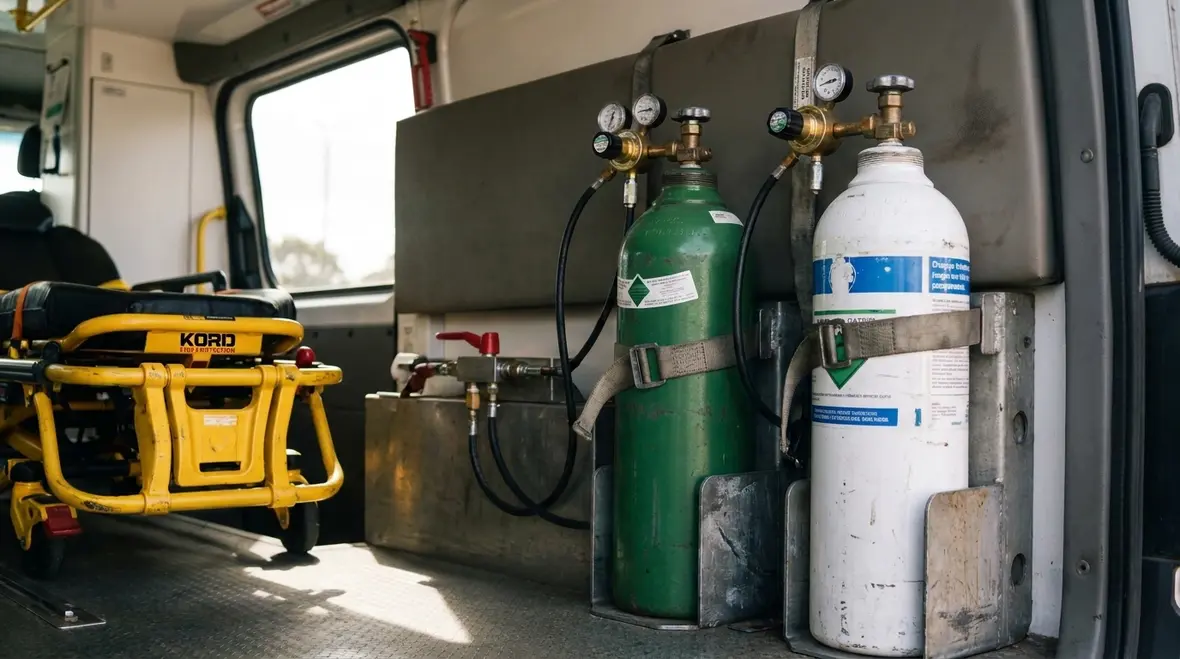
Section 30.28 focuses on how medical gas systems must work inside the ambulance patient area. It addresses the safe storage and delivery of gas, the strength of mounts and brackets, the control of flow, and the need to prevent leaks or damage during travel. In plain terms, the system must stay secure, usable, and predictable even when the vehicle hits the kind of road that makes coffee regret its life choices.
The standard also expects a system that supports patient care without creating new hazards. That means components must resist vibration, remain accessible for use, and allow staff to confirm that gas supply will perform when needed. As a result, the standard supports both clinical care and vehicle safety.
The practical meaning for fleet and facilities teams
In practice, that means nobody gets to treat the medical gas setup like an afterthought tucked behind the stretcher. Storage, routing, access, and protection all need intention. A compliant arrangement helps crews work quickly, helps maintenance teams spot issues sooner, and helps management avoid the kind of preventable faults that always seem to appear at the worst possible moment.
How ambulance medical gas NFPA 1917 requirements shape design
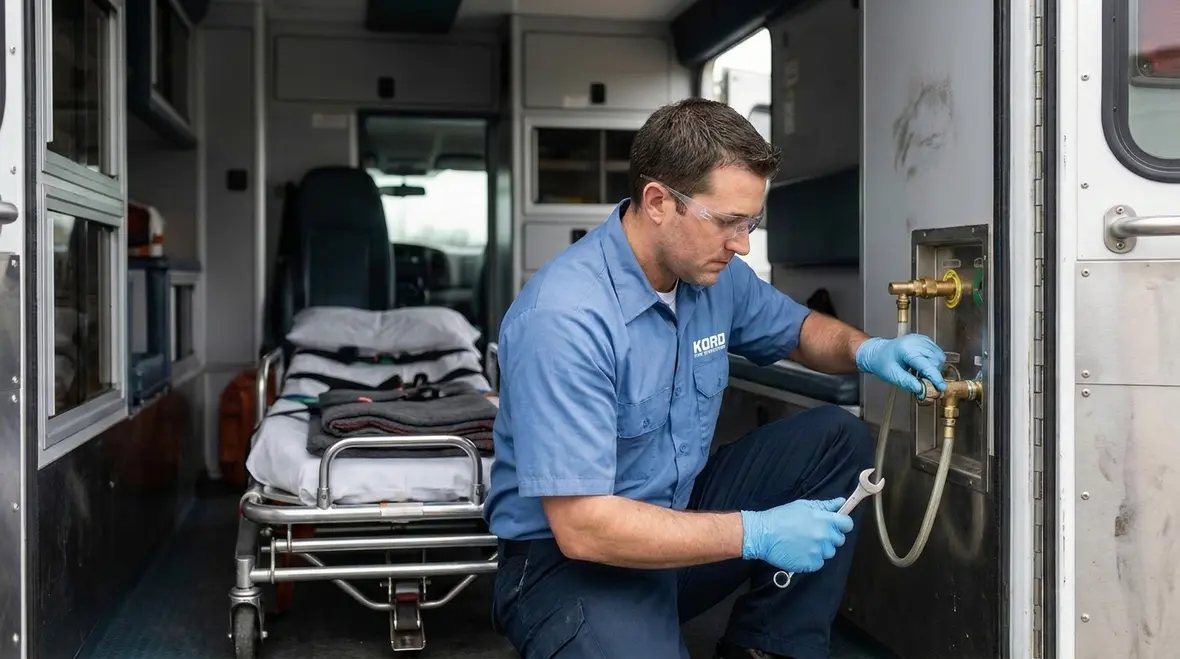
Ambulance medical gas NFPA 1917 requirements work hand in hand with broader ambulance build rules. They guide how oxygen and other medical gases should be stored, secured, labeled, and delivered in the patient compartment. Furthermore, they help ensure that the system fits the vehicle layout without blocking access or creating pinch points during treatment.
Design teams must think about real use, not just drawings. For example, cylinders should sit in restrained locations that prevent movement under braking or impact. In addition, hoses, valves, and outlets should be placed so paramedics can reach them quickly without awkward stretching or delay. That may sound simple, yet simple is often where good safety lives.
This is also where cross-discipline coordination earns its keep. Vehicle builders, service technicians, facilities managers, and safety officers all need the same picture of what “ready for service” actually means. If one group assumes the other checked restraint strength, labeling visibility, or outlet condition, gaps can slip in quietly. Quiet gaps are still gaps.
Medical gas systems in ambulance patient compartments explained
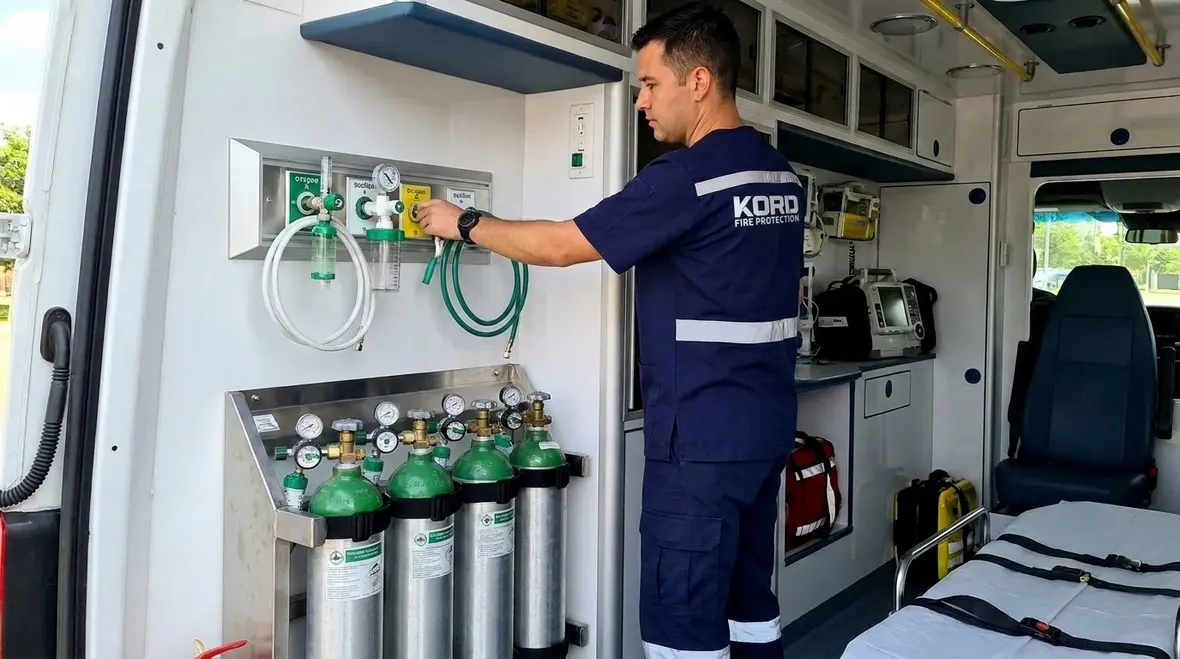
Inside the patient compartment, the medical gas system must do three things well: store gas safely, deliver it reliably, and survive daily wear. To achieve that, teams should check the following points:
- Secure cylinder restraint that prevents shifting during travel
- Clear labeling so staff can identify gas type fast
- Leak control through proper fittings and routine checks
- Accessible shutoff valves for emergency use
- Outlet placement that supports care without crowding the workspace
These details matter because the patient compartment is a busy place. Staff may be working around monitors, stretchers, storage cabinets, and electrical gear. Therefore, a medical gas setup must stay orderly and easy to use, even under stress. In that setting, confusion wastes time, and time rarely waits for anyone.
What good field conditions usually look like
A strong setup usually feels boring in the best way. Brackets are tight. Labels are obvious. Shutoffs are reachable. Hoses are where staff expect them to be, not wrapped into a mystery knot behind equipment. The gas supply behaves the same way every shift, every check, every run. Reliability is not flashy, but neither is a seatbelt, and nobody argues with that after the fact.
Compliance priorities
- Secure mounts and restraints
- Correct labeling
- Leak free fittings
- Safe access to controls
- Regular inspection records
Field check focus
- Look for loose brackets
- Confirm labels are visible
- Test for wear or damage
- Verify shutoff operation
- Record service actions clearly
This side by side view shows the point clearly. Compliance works best when the design rules and the field checks speak to each other. Otherwise, the system may look fine on paper while quietly misbehaving in service, which is never the kind of surprise a fleet wants.
Why testing and maintenance keep the system dependable
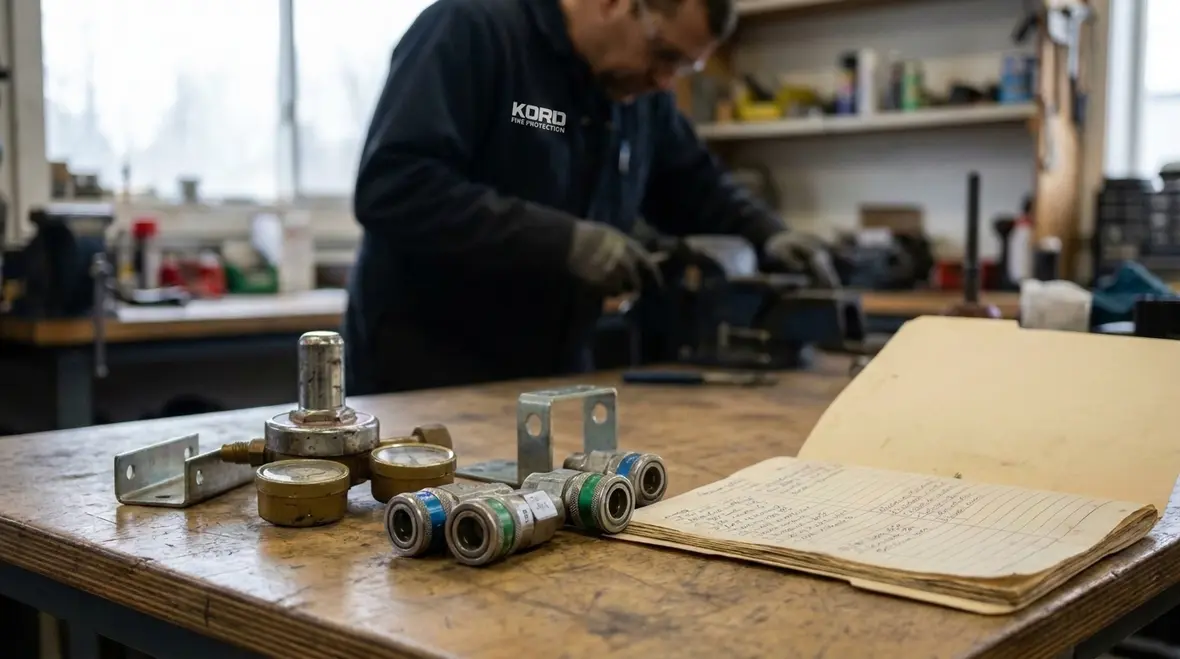
Even a well built system needs routine attention. Vibration, temperature change, and frequent use can loosen fittings, wear seals, and affect performance over time. Therefore, maintenance teams should inspect medical gas systems on a planned schedule and after any incident, repair, or vehicle modification.
Testing should confirm that gas flows correctly, shutoffs work as expected, and no leaks appear under normal conditions. In addition, records should show what was checked, what was fixed, and when the next review is due. This kind of discipline helps fleets avoid last minute failures, and it also supports audit readiness. Nobody enjoys chasing missing paperwork at the same time as a service outage.
Planned maintenance also protects the investment already sitting in the vehicle. Replacing a worn fitting early is cheaper than dealing with a supply issue, avoidable downtime, or a damaged compartment later. The paperwork side matters too. Clear records help prove the team did not just intend to manage risk well, but actually did it.
Helpful related reading on apparatus standards
If you want more context around apparatus-related standards, Kord Fire also covers NFPA 1900 standard topics that connect well with broader vehicle safety and compliance planning.
How Kord Fire Protection supports this service work
Kord Fire Protection can become a vital partner for organizations that manage ambulance fleets and related emergency assets. While their fire protection experience already supports safety across industrial, retail, and commercial sites, that same mindset also helps when teams need reliable compliance support for medical gas systems.
They can assist with inspections, compliance planning, maintenance coordination, and service schedules that help keep ambulance medical gas NFPA 1917 requirements on track. Moreover, their support can reduce the burden on internal teams that already juggle asset uptime, safety rules, and operational pressure. In practical terms, Kord Fire Protection helps clients stay ready, stay compliant, and stay focused on the job at hand.
For facilities across Australia, that partnership matters. Emergency vehicles serve people when seconds count, and dependable systems support that mission from the inside out. Think of Kord as the quiet expert in the room, the one making sure the critical gear behaves before the drama starts.
FAQ
Keep ambulance gas systems ready
Medical gas systems in ambulance patient compartments demand care, discipline, and the right partner. When teams follow ambulance medical gas NFPA 1917 requirements and apply Section 30.28 with consistency, they build safer vehicles and stronger operations.
Kord Fire Protection can help keep that work moving with steady support, practical service, and a clear focus on compliance. For fleets that need reliability, now is the time to act.

Join Our Newsletter!
Get the latest fire safety tips delivered straight to your inbox From our Newsletter.