Fire Suppression System Automation for Faster Response in AU
Quick Answer
Fire suppression system automation helps modern facilities cut response times, reduce human delay, and coordinate alarms with real suppression actions. When sensors spot smoke or heat, control panels trigger faster, smarter responses. Kord Fire Protection can support this rollout with design help, commissioning support, and ongoing service across industrial, retail, and commercial sites in Australia.
In a modern facility, seconds matter. When fire starts, people are busy, systems are noisy, and the wrong message can cost time. That is why fire suppression system automation belongs at the heart of a modern fire strategy. It connects detection, notification, and suppression control so the facility reacts like it means it, not like it is trying to remember where the spare keys are kept.
Most facilities in Australia already have devices in place. However, the real performance jump happens when those devices work together. In the sections below, facilities managers and contractors will see how automation improves response times, how the workflow changes on site, and where Kord Fire Protection becomes a vital partner to keep everything compliant, reliable, and ready to act.
For teams planning broader upgrades, Kord Fire Protection also offers full fire protection services that fit naturally with automation design, inspections, and long-term system support.
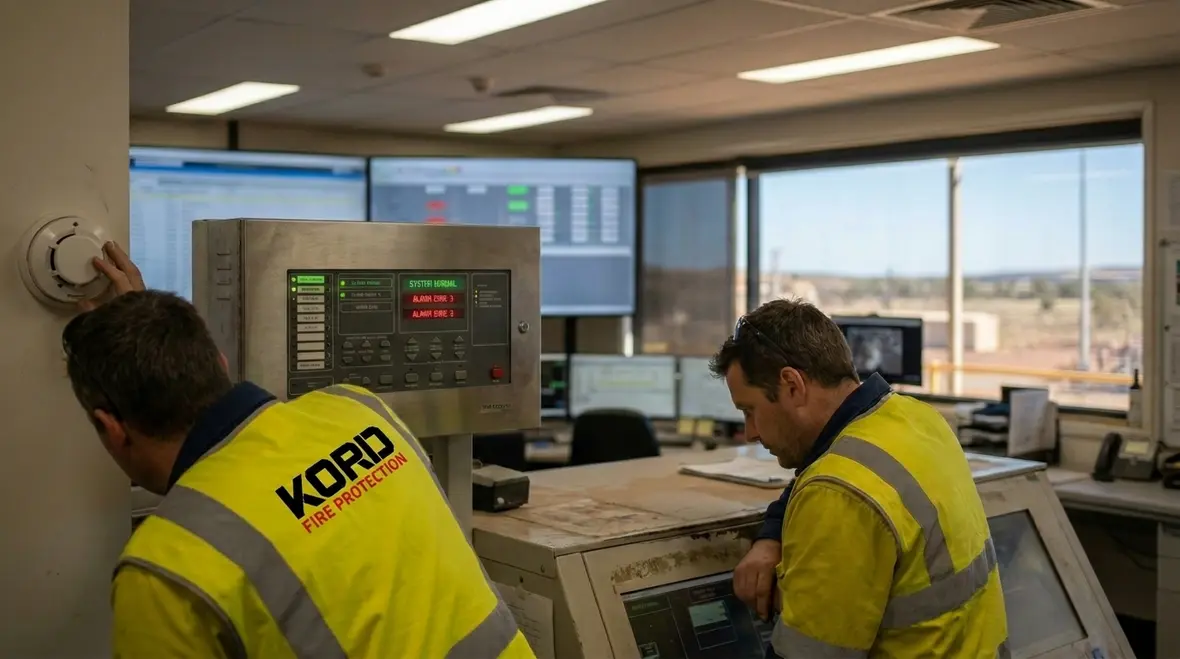
What response-time gains look like in real facilities
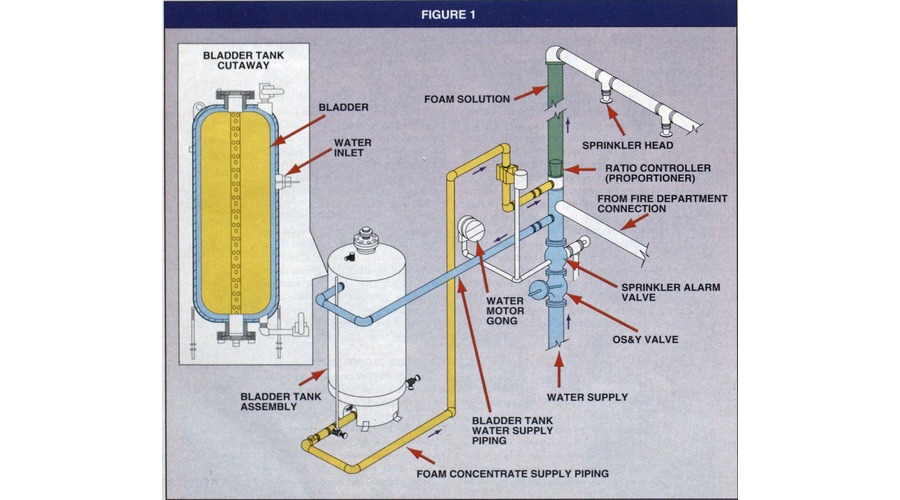
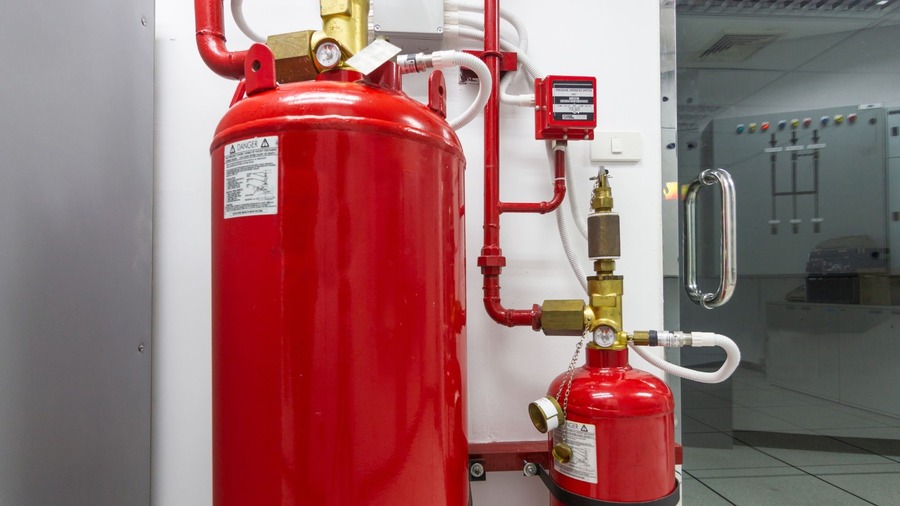
In practice, response time improves when automation reduces delays across four steps: detection, decision, notification, and suppression. First, sensors detect heat, smoke, or flame signatures and send signals to the control panel quickly. Next, the panel confirms the event using programmed logic and device status. Then, it activates alarms and instructs people through the right messages. Finally, it triggers suppression actions like releasing water mist, foam, clean agent, or other approved agents depending on the hazard.
Because the sequence runs automatically, staff do not wait for a person to interpret every signal. Additionally, automated logic can filter nuisance events based on sensor combinations, zone mapping, and time thresholds. That means fewer false starts, and more confidence that when the system acts, it acts for real.
In a retail strip, for example, a small cooking event should not escalate into a full deployment. In an industrial plant, a fast developing electrical fault should not wait for a manual check. Automation helps the system behave like a calm operator, not like an overcaffeinated intern.
Why fast sequencing matters on site
A fast response is not just about speed for the sake of it. It is about shaving precious seconds off the chain of events that decides whether a minor incident stays local or turns into a bigger operational mess. When detection, alarm signaling, and suppression actions line up correctly, the facility avoids the awkward gap between “we know something is wrong” and “we are finally doing something about it.” That gap is usually where damage, confusion, and downtime start throwing a party nobody invited.
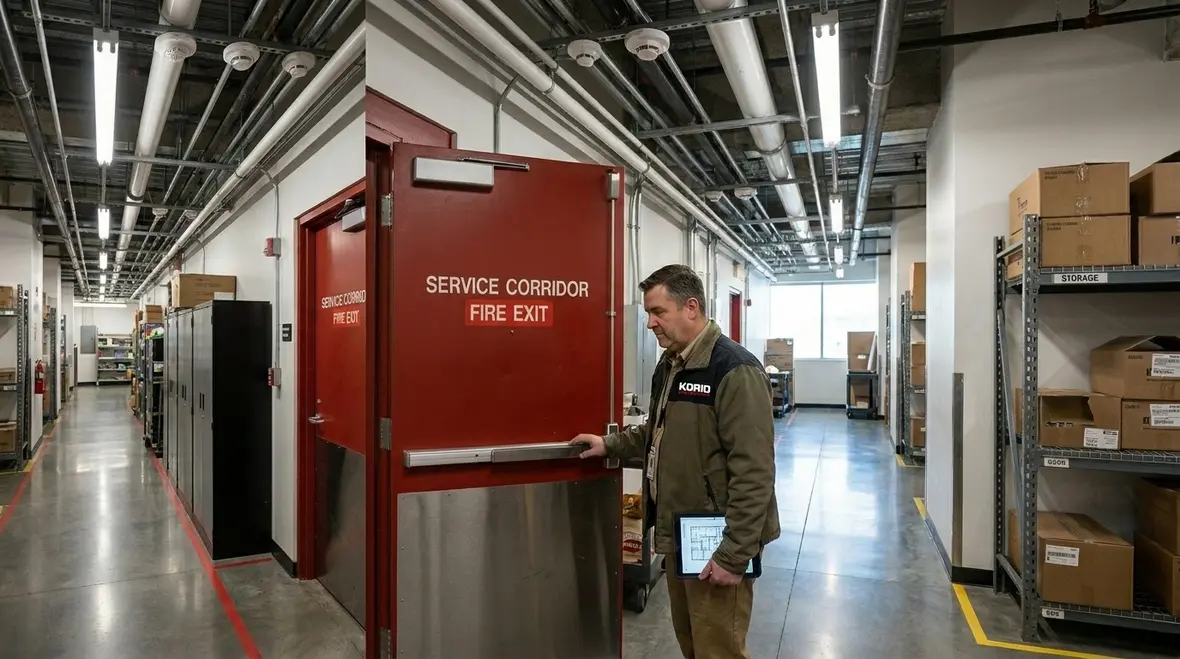
How modern control logic reduces decision delays
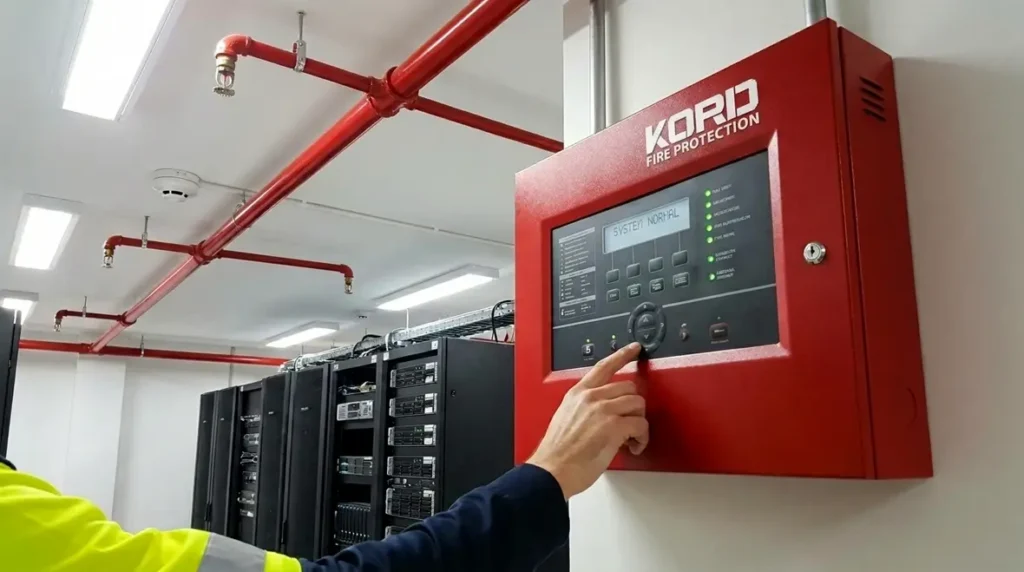
Manual workflows add friction. Someone must receive the alarm, interpret it, consult procedures, then initiate actions. Even when people move fast, the decision window can stretch. Automation shrinks that window by applying pre approved logic, including detection thresholds, linked zones, and scheduled operational states.
Key improvements include staged responses. For instance, the system can alert occupants first while it checks whether conditions match a verified fire pattern. Then, if the fire grows beyond programmed limits, it can escalate into suppression. In other words, it does not just “panic and spray.” It escalates with purpose.
Automation also supports site specific logic. Facilities can account for after hours staffing, forklift traffic patterns, processing cycles, and areas with normal steam or dust. As a result, the system reacts correctly across changing operations, instead of only during calm, ideal conditions.
From alarm data to useful action
Good control logic does more than flip a switch. It translates incoming data into actions that actually match the risk. That means a dusty production area does not behave the same way as a server room, and a late night alarm does not depend on a skeleton crew sprinting across the building like they are trying out for an action movie. Smart programming gives teams consistency, and consistency is what keeps response plans from turning into improvised theater.
Where detection zones and mapping matter most
Automation performs best when the facility’s layout is translated into clean, accurate detection zoning. If devices sit in the wrong zones or if zoning does not reflect real fire spread paths, the system can still react quickly, but it may react in the wrong place. That creates delays of a different kind, because staff then must confirm what the system already tried to do.
Facilities that invest in proper zoning and mapping usually gain more reliable response outcomes. They can align activation sequences with compartments, production lines, storage areas, and service corridors. Additionally, mapping helps reporting. When an event occurs, the panel records what triggered, which devices reported, and how actions unfolded over time.
This is not just paperwork. Better data supports tuning. Over time, facilities can refine thresholds, adjust logical combinations, and verify that the system performs as designed during drills and real events.
Integrating suppression actions without creating new failure points
Adding automation does not mean “add more wires and hope for the best.” It means integrating detection and suppression while protecting reliability. That includes supervision of field devices, correct fail safe behavior, and clear system states so the panel can act under normal conditions and still operate during equipment faults.
Facilities should plan for power monitoring, loss of signal handling, and maintenance states. For example, if a sprinkler zone is in a maintenance condition, the logic must reflect that without blocking required actions. Similarly, if a communication module fails, the system needs defined behavior so the site does not end up with a half working setup.
To keep things steady, automation should also support testing. That allows technicians to verify detection, notification, and suppression release pathways in controlled ways. Then, when the real day comes, the system performs like a trained team, not like a mystery box.
Also, let us be honest. If a fire system takes longer to test than it does to fix a coffee machine, someone built the wrong plan.
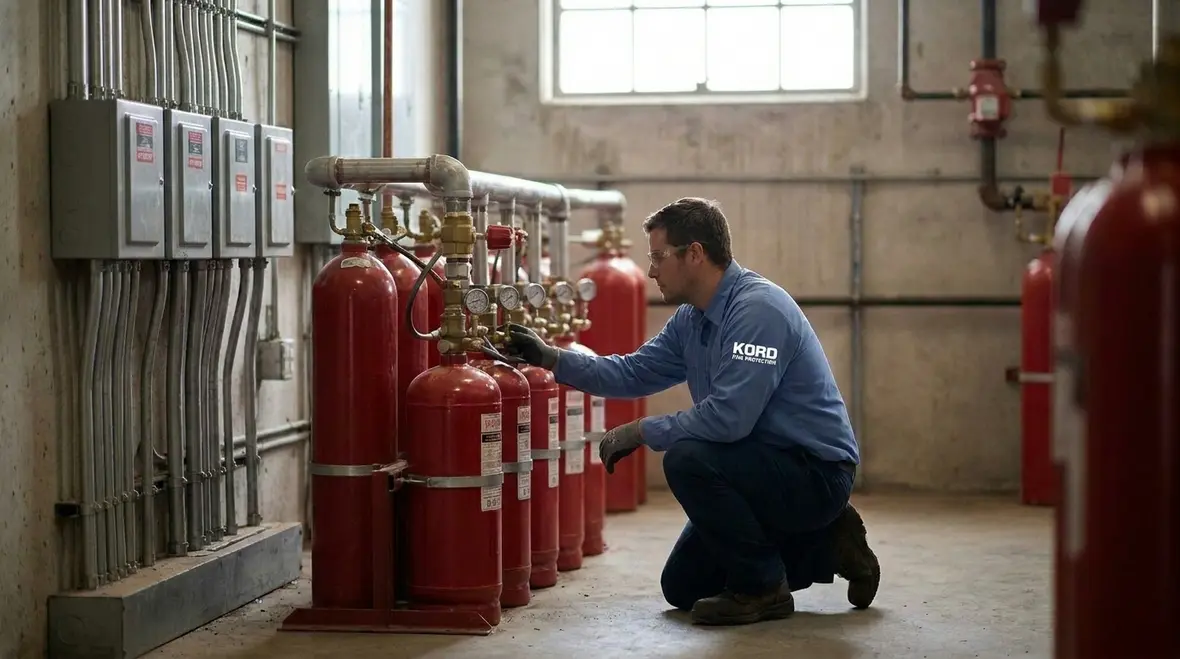
Commissioning, compliance, and ongoing verification in Australia
In Australia, fire systems must align with the applicable standards and local requirements for design, installation, inspection, testing, and maintenance. Automation changes how those expectations show up. The facility still needs the same safety intent, but the documentation, sequences, and verification methods must reflect the automated logic.
During commissioning, teams should validate end to end operation. That means confirming that detection inputs correctly reach the panel, that the panel triggers the correct outputs, and that the suppression hardware actuates as intended for the selected agent and hazard profile. It also means verifying that notification and evacuation support features remain accurate and timely.
After commissioning, ongoing verification matters. Maintenance cycles should include functional checks of sensors, supervision lines, controller logic, and suppression related components. As part of this, facilities should keep records of updates, software changes, and device replacements so that the system stays aligned with its approved configuration.
This is where partnership adds value. Kord Fire Protection can support facilities across industrial, retail, and commercial sites by coordinating design intent, installation checks, commissioning support, and service routines that keep automation dependable. Teams looking for more related reading can also explore the Kord Blog for broader fire protection insights.
Why Kord Fire Protection becomes a vital partner
When a facility upgrades to automation, it benefits from a partner that understands both the fire life safety goal and the practical details that keep systems reliable. Kord Fire Protection can help facilities coordinate the full journey: planning the right approach for the hazard, aligning suppression and control sequences, and then supporting verification that the system works the way the design promised.
In day to day terms, a strong partner helps reduce guesswork. For example, they can assist with selecting how zones link to actions, helping teams avoid confusing activation pathways that lead to delays during an event. Then, once the system runs, they can support inspections and maintenance so sensors stay calibrated, panels remain configured correctly, and suppression components stay ready.
Think of it like this: automation is the engine, but Kord is the mechanic who keeps it from eating the same bearing every winter.
Implementation roadmap for facilities across AU
Facilities across Australia often need a phased approach, because operations cannot simply shut down for weeks. Below is a practical roadmap that teams can use to plan upgrades, reduce disruption, and keep risk controlled.
- Assess current coverage: review detection layout, suppression coverage, device status, and existing control sequences.
- Define hazard priorities: map the highest risk areas first, such as processing zones, high value storage, and areas with fast fuel load.
- Design the automation logic: set action stages, zone linking rules, and notification pathways that match site procedures.
- Verify compatibility: confirm the suppression hardware, control panels, and communication paths work together as intended.
- Commission with end to end tests: validate detection to suppression release and notification outcomes under controlled conditions.
- Train stakeholders: give staff clear guidance on what alarms mean, how to respond, and what to expect during drills.
- Maintain and tune: run scheduled inspections, keep records, and refine logic based on verified performance.
For an easy overview, see the dual view below once, so teams can move from assessment to action without losing the plot.
Focus area
Detection accuracy
Control logic speed
Suppression integration
Testing and upkeep
What to validate
Correct zoning and thresholds
Staged responses and supervision states
Approved release pathways and fail safe behavior
End to end functional checks after changes
FAQ
Final call to action for facilities teams
Fast response is not a wish, it is a design outcome. By integrating detection, control logic, and suppression actions, facilities can reduce delays and improve performance during real emergencies.
Kord Fire Protection can help align the rollout with site hazards, testing needs, and long term service goals. If your facility in Australia wants automation done right, contact Kord Fire Protection to plan the next step.

Join Our Newsletter!
Get the latest fire safety tips delivered straight to your inbox From our Newsletter.