
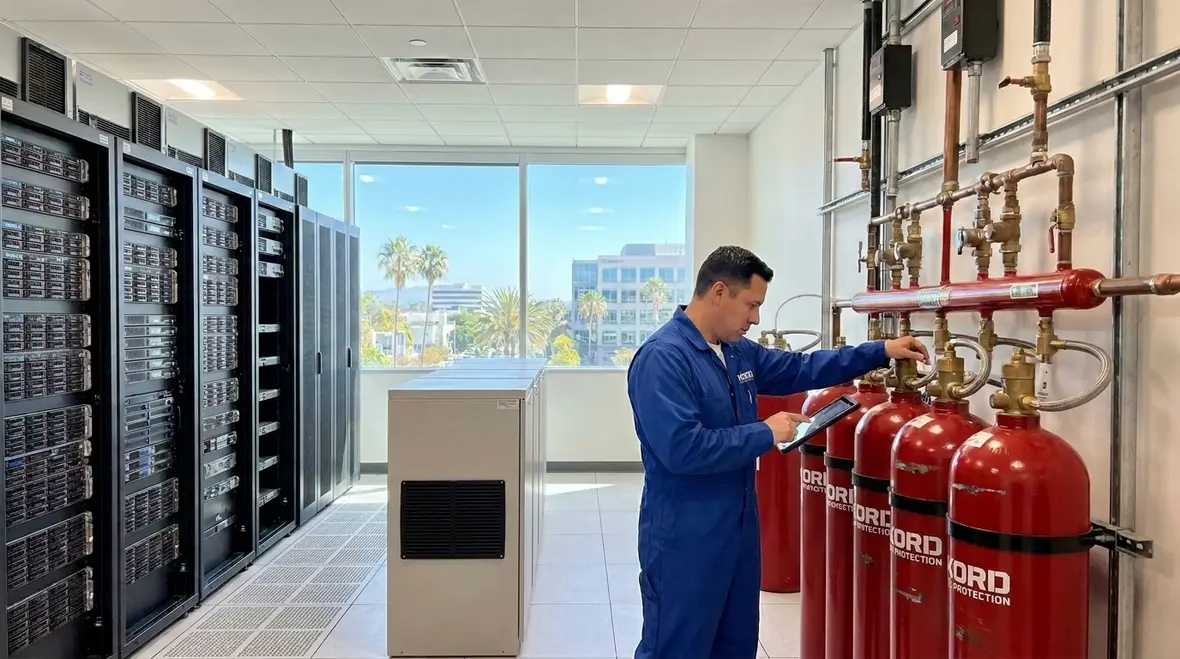
Clean Agent Fire Suppression Southern California by Kord
Clean Agent Fire Suppression Southern California is not just a fancy phrase building owners toss around when they want fewer messes and more peace of mind. It is a practical way to protect sensitive spaces like server rooms, medical suites, high end offices, and museums where water damage is about as welcome as a pop quiz without notice. In Southern California, where buildings face their own mix of heat, electronics, and occupancy demands, clean agent systems can help reduce corrosion, minimize cleanup, and support fast recovery after an incident.
In this guide, Kord Fire Protection is positioned as a vital partner for the service and jobs that follow real life: planning, inspections, testing, compliance, and long term support. Because the best time to think about fire protection is before trouble shows up, wearing the usual “surprise me” face.
What clean agent systems do in modern commercial spaces
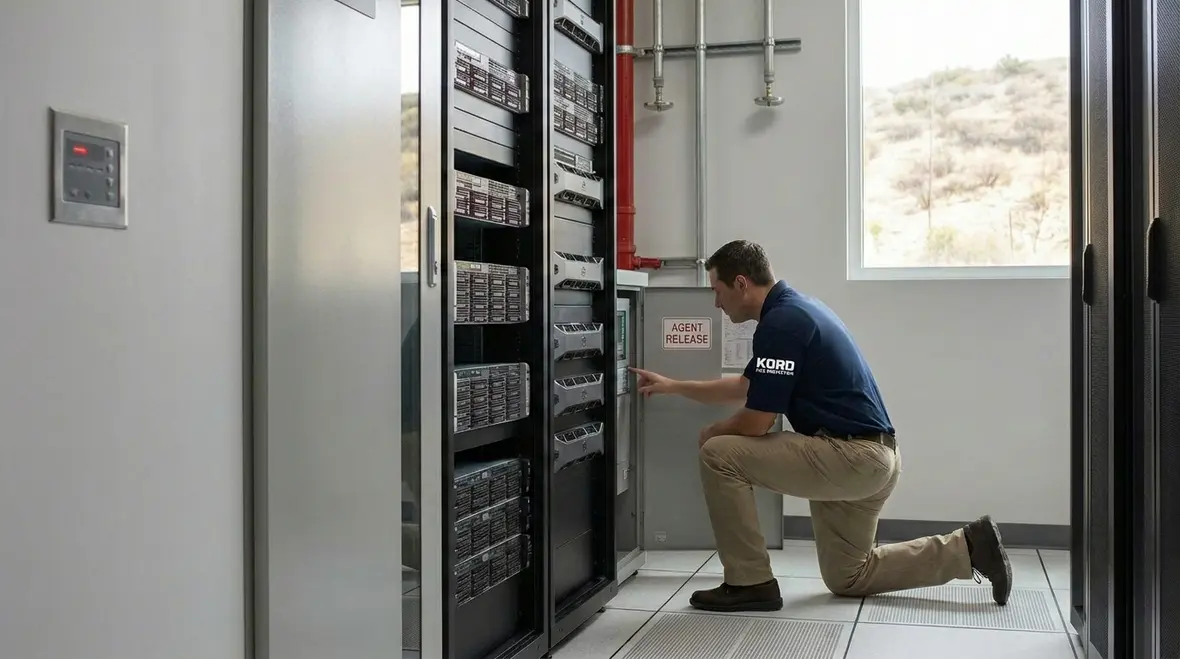
Clean agent fire suppression uses a fire extinguishing agent that does not leave a sticky residue and does not flood the space like traditional methods. Instead, it works by interrupting the chemical process of fire and quickly reducing the conditions that allow flames to grow. For many facilities, that means fewer shutdown days and less cleanup time.
Unlike water based systems that can soak assets, clean agents aim to protect equipment, data, and finishes. For example, a server room can recover faster when the system releases an agent that leaves minimal damage behind. And yes, building owners will still have work to do after a discharge. However, the aftermath is usually far easier than the “someone left the sprinklers on” scenario.
That is one reason these systems are common in spaces where electronics, archives, and specialty finishes matter. Kord Fire Protection’s Clean Agent Fire Suppression System Services page outlines how clean agent protection is used for computer rooms, data centers, libraries, server rooms, telecommunications spaces, and other high value environments. When a room cannot afford either flames or a soaking, the appeal becomes pretty obvious.
Why “no residue” matters more than it sounds
A residue free discharge is not just a housekeeping win. It can also reduce secondary damage, shorten restoration work, and help teams focus on restarting operations. In offices that depend on networks, control hardware, records, or specialty electronics, that difference can feel less like a minor detail and more like the entire plot twist.
How Southern California building conditions shape system choices
Southern California brings unique realities. Buildings can face heat loads, tight maintenance schedules, and complex tenant layouts. In addition, coastal air and indoor humidity can affect how systems are installed and maintained over time.
To address these conditions, Kord Fire Protection helps teams match system design to the space. That includes evaluating room size, ventilation paths, door openings, ceiling voids, and typical airflow patterns. Then, the team considers what the building actually uses day to day: after hours access, HVAC cycles, and any changes in occupancy.
When the design fits the real space, the system performs more predictably. And when it performs predictably, the “stress level” drops for everyone involved, from the property manager to the person who has to file the incident report.
Room integrity, airflow, and the details that love to hide
One of the easiest mistakes is assuming a protected room will behave the same forever. It rarely does. Added cabling, ceiling work, underfloor changes, door hardware, or ventilation updates can alter how agent concentration holds inside the space. Kord Fire Protection also covers this connection in its article on clean agent suppression systems and room integrity testing, which is worth a look when a room has changed more than the original drawings admit.
Key components and what building owners should verify
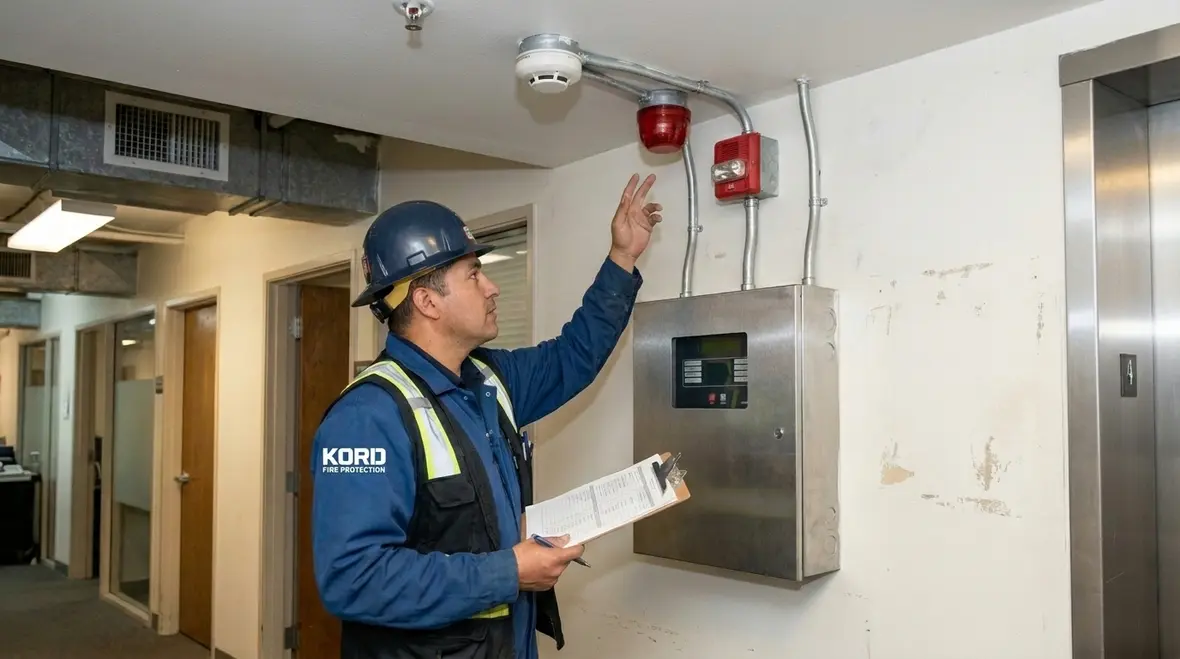
Clean agent systems usually include agent storage cylinders or containers, distribution piping or tubing, detection devices, control panels, release hardware, and alarms. Each part has a job, and each part needs to stay in good shape.
Building owners should verify the following items during planning and during ongoing service:
- Detection coverage that matches the hazards and layout, not just the room name on a drawing
- Control panel reliability, including power supply status, supervision, and event logging
- Actuation and release equipment that triggers exactly when it should
- Agent integrity based on inspection and manufacturer guidance
- Alarm and notification that supports evacuation without causing unnecessary disruption
Next, owners should confirm that documentation exists and stays current. If a building changes occupants or remodels a corridor, the fire protection approach may need updates. That is where a reliable partner matters. Kord Fire Protection helps keep the system aligned with the building reality, not with outdated assumptions.
Compliance, inspections, and avoiding the “paper tiger” problem
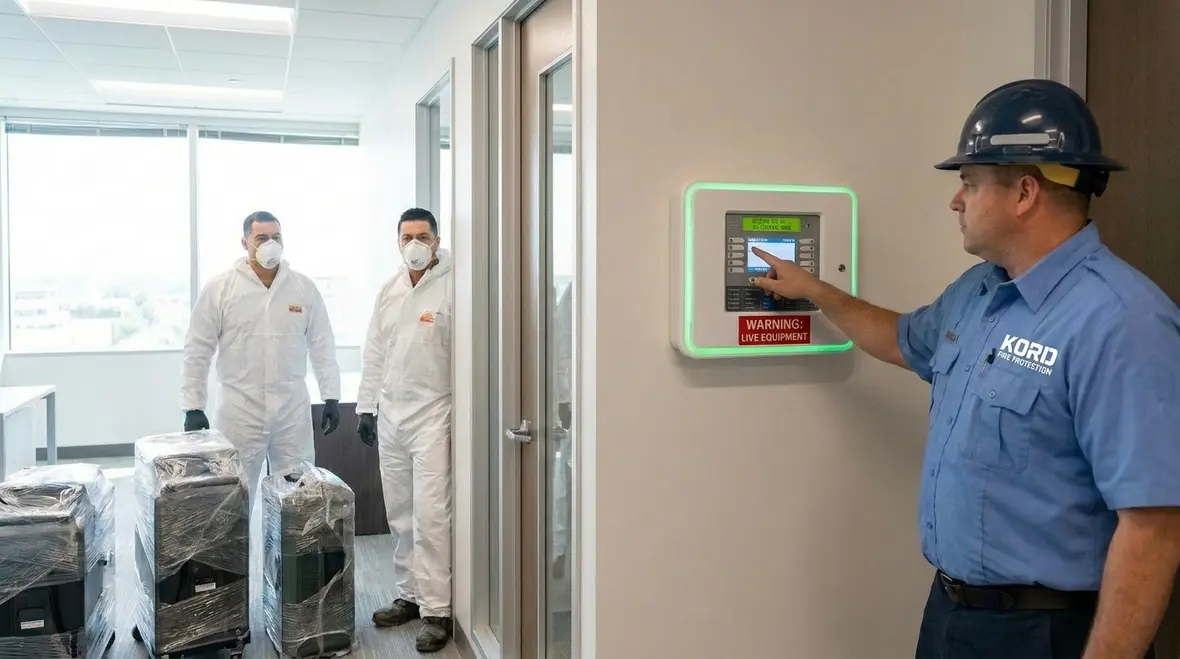
Regulations in Southern California require testing and inspection, and they often follow schedules tied to recognized standards. However, paperwork alone does not protect a facility. What matters is whether the system can detect a fire, release the agent, and alert occupants correctly when it counts.
During inspections, owners should look for evidence of functional checks, proper labeling, and complete records. A strong service team will also note trends, such as recurring trouble signals, aging components, or environmental factors that could affect performance.
And let’s be honest, building managers do not need another binder that collects dust. They need clear reporting and actionable next steps. Kord Fire Protection can help reduce the friction by providing service outcomes that owners and facility teams can actually use, including recommendations that match risk and budget.
Service records should support decisions, not decorate shelves
If the reporting is clear, facility teams can prioritize repairs, schedule follow up work, and explain needs to ownership without translating technical jargon into plain English at midnight. That is a much better use of everyone’s time than discovering an issue only after the room is offline and everyone suddenly becomes an expert in hindsight.
Maintenance that protects uptime, not just equipment
Real maintenance supports business operations. For clean agent systems, that means planning inspections around tenant schedules, minimizing downtime for testing, and coordinating with building staff so the process stays smooth.
Good service includes:
- Planned inspections that check detection, panel status, release circuits, and alarm functions
- Agent system checks that follow manufacturer requirements and service intervals
- Careful verification of component condition, including nozzles, piping, and storage hardware
- Coordination for any modifications, such as HVAC changes, ceiling work, or tenant improvements
Because if a building undergoes renovations, the system may need re-evaluation. For example, added partitions can change airflow and how smoke spreads. As a result, detection timing and effectiveness can shift. By addressing these issues early, owners reduce the chance of “surprise” repairs later. Nobody wants that, unless they are watching a sitcom where everything works out in 22 minutes.
For facilities juggling multiple systems, Kord Fire Protection’s broader fire suppression services page is also useful because it shows how clean agent protection fits alongside other suppression strategies, inspection schedules, and long term service planning. That bigger picture helps owners avoid treating one room like an island when the rest of the building still needs coordinated life safety support.
Planning for discharge events and fast recovery
Even when a clean agent system performs correctly, incidents can still happen. That is why owners should plan for what comes after a discharge. The goal is not just to put out the fire. It is to return the space to operation safely.
A thoughtful plan includes communication steps, safety checks, and coordination with cleaning and restoration. It also includes reviewing what triggered the system. Sometimes the cause is unrelated to fire dynamics, such as a nuisance alarm from dust buildup or a faulty sensor. Other times the trigger reveals a real hazard that needs correction.
Kord Fire Protection can help connect service documentation to the response process. That way, building teams can act with confidence, document findings properly, and plan next steps without guessing. In the long run, that supports lower downtime and smarter upgrades.
Dual column guidance for what to ask during service
Ask during onboarding
- Who inspects which components and how often?
- What records do you provide and in what format?
- How do you coordinate testing with tenants?
- How do you handle system changes after remodels?
Ask during routine service
- What issues do you see trending over time?
- Are alarms and detection behaving as expected?
- Do any components show early wear?
- What recommendations do you suggest next?
FAQ
Final thoughts for building owners in Southern California
Clean agent fire suppression Southern California is a smart choice for facilities where downtime and cleanup cost real money. Yet the system only performs as well as its maintenance plan, its inspection records, and its readiness for real life. Building owners who treat fire protection as a long term partnership avoid avoidable surprises.
If your facility includes critical equipment, data infrastructure, archives, or specialized rooms, now is a good time to review whether your current protection still matches the space you actually have today. That is especially true after tenant improvements, HVAC changes, or years of steady “we will get to that later” decisions.
Reach out to Kord Fire Protection to review your system, build a service schedule, and keep your protection aligned with your building. For a direct next step, visit the Clean Agent Fire Suppression System Services page or explore the broader Fire Suppression Services page to connect clean agent protection with the rest of your facility strategy. Then you can focus on running the business, not playing firefighter on paper.

Join Our Newsletter!
Get the latest fire safety tips delivered straight to your inbox From our Newsletter.



