
Commercial buildings face real fire risk, yet many owners still believe the commercial fire suppression myths that float around like fog in a sprinkler room. Some think systems never fail, others assume a few sprinklers can handle any fire, and a few even believe installing a system is the same as maintaining one. Meanwhile, others worry that suppression will flood everything and shut down operations forever. In this article, kord fire protection technicians explain what actually happens in the real world, how common myths start, and how good planning keeps people safe. Yes, we will keep it calm, clear, and practical. And no, this is not a superhero movie where one head tosses water and saves the day with dramatic music.
Understanding how commercial suppression works in plain terms
Most people picture a fire suppression system as a single device. However, commercial fire suppression depends on a chain of steps that work together. First, a system detects heat, smoke, or flame through the right type of components. Then it releases agent or water in a controlled way, based on design and code requirements. Finally, it keeps the fire from spreading long enough for people to exit and for firefighters to act.
Because each system follows a specific design, the best approach for a business depends on the building type, occupancy, hazards, and layout. For example, a warehouse with high rack storage needs planning that matches ceiling height, obstruction, and fuel load. Meanwhile, an office suite may focus on protecting life safety and managing smaller, faster growing fires near equipment. In other words, the goal is not to “fight every fire forever.” Instead, it is to control the event until responders and occupants can handle it.
Myth 1: “If we install it, it will always work”
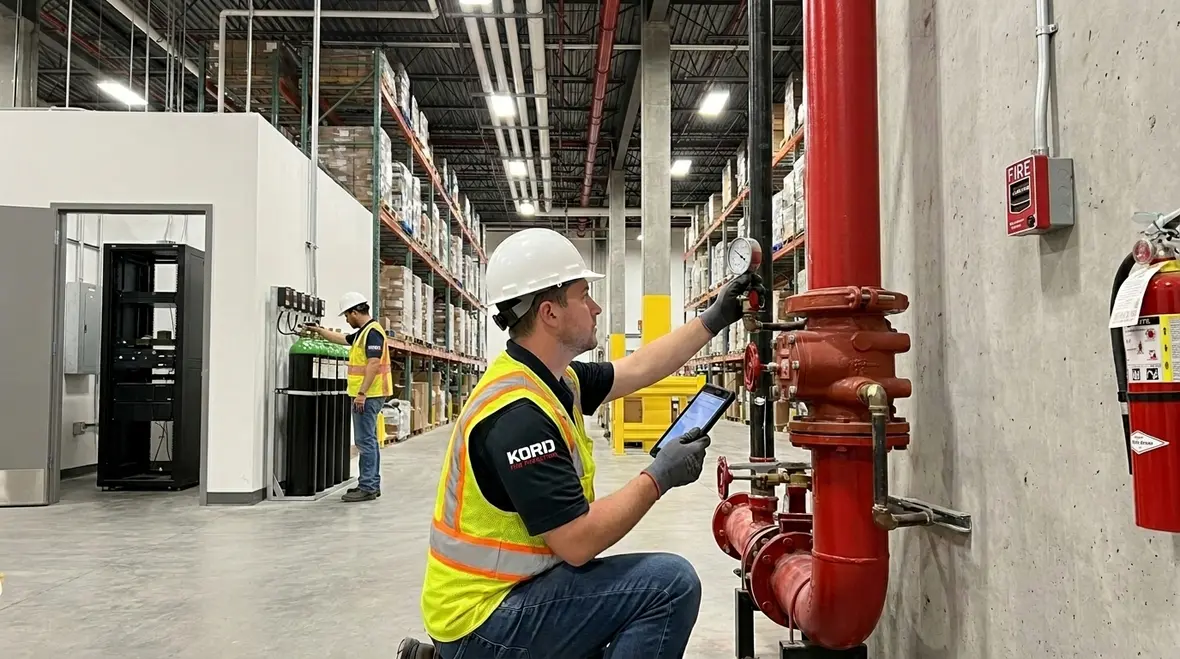
This is one of the most common commercial fire suppression myths, and it sounds comforting. Yet any system relies on inspection, testing, and upkeep. Over time, heads can get painted, valves can stick, and pipes can corrode or collect debris. Also, changes inside a building, like new partitions or stored materials, can block coverage areas if the system design no longer matches the space.
kord fire protection technicians often hear owners say, “We installed it years ago, so we are covered.” However, most modern systems include schedules for inspections and maintenance. These steps verify that pressure levels stay correct, alarms communicate properly, and components remain in working order.
So the “always work” idea misses a key point. Systems work when they stay in spec. Therefore, businesses should treat suppression like an important business asset, not like set and forget.
Myth 2: “One type of suppression covers every building”
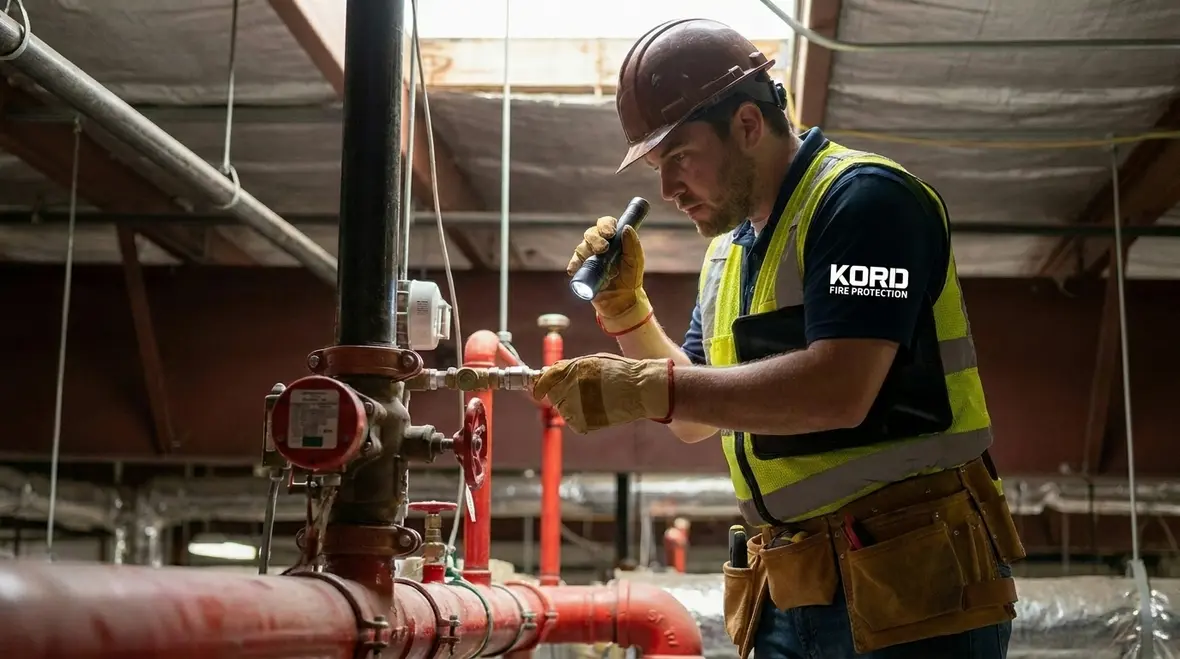
Another set of commercial fire suppression myths suggests a single method fits all. That belief fails because fires behave differently based on fuel, oxygen, and ventilation. A clean room, a kitchen, a paint booth, and an electrical room all produce different hazards.
For that reason, engineers select agents and configurations for specific scenarios. Water based systems can work well for many occupancies, but they do not always protect equipment or areas where water damage can create major secondary losses. Some systems use clean agents in spaces where water could harm sensitive electronics. Other hazards may need special nozzles, specialized detection, or alternative suppression strategies.
In addition, system layouts matter. Coverage patterns, pipe routing, and discharge design depend on ceiling conditions and obstructions. If someone tries to “make it fit” without a proper review, the system may protect the wrong areas. And if it protects the wrong areas, it does not protect the people in the right places.
Myth 3: “Sprinklers will ruin the business every time”
Yes, sprinklers can discharge. But no, they do not typically act like a nightclub fog machine where everything gets drenched at once. In most sprinkler designs, the system activates only near the fire location, because each sprinkler responds to heat in its own area.
However, the outcome depends on fire size, detection conditions, and how the system was installed and maintained. If a fire grows beyond what the room design supports, water use and damage can increase. Still, the alternative is often worse. A faster, controlled knockdown can reduce smoke spread, protect exit routes, and lower the chance of a large, burning event that destroys assets entirely.
kord fire protection technicians commonly recommend planning for business continuity. That means understanding likely discharge areas, having cleanup resources, and setting internal steps for when alarms activate. In practice, many businesses handle a small event better than they handle a major loss. Also, insurance and claims often hinge on whether the system was maintained and documented, so upkeep matters.
Myth 4: “Code compliance means the system never needs upgrades”
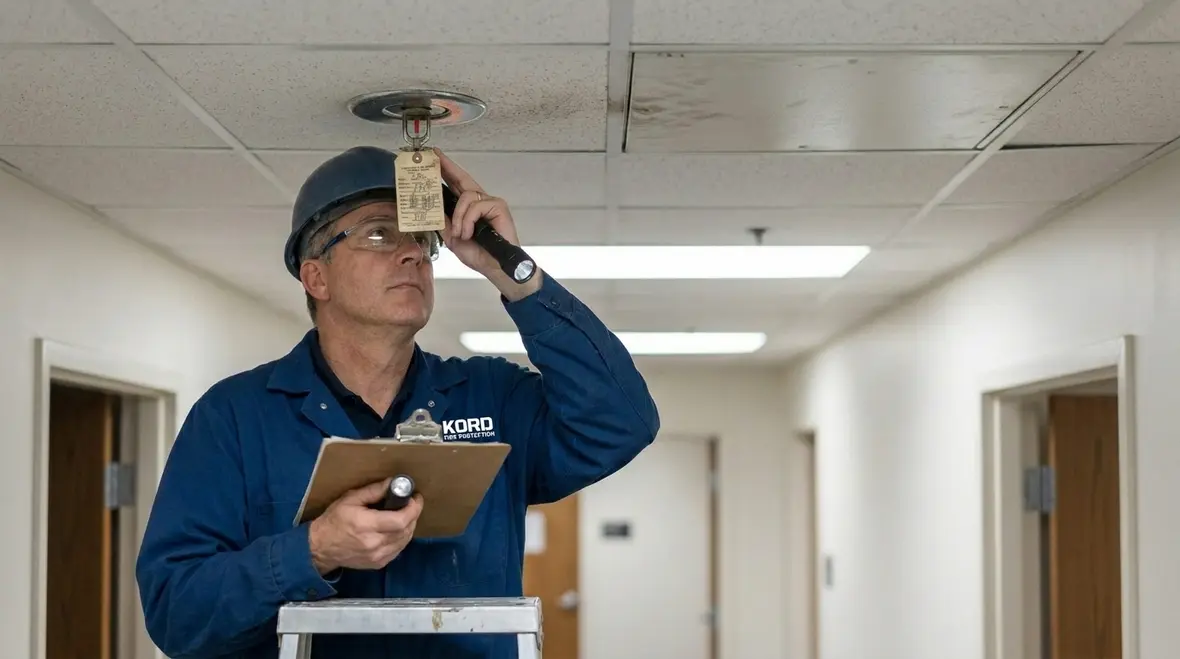
Some owners treat code as a one time box checked. Yet commercial fire suppression myths often ignore the reality of change. Buildings evolve. Tenants move in. Storage layouts change. Racks get taller. A room that once held light hazard inventory may now hold heavier combustibles. Meanwhile, older systems can still be legal, yet they may no longer meet the current best practice for the building’s current risk profile.
Compliance typically focuses on meeting required standards for installation and ongoing maintenance. It does not always cover the “risk drift” that happens when a space changes. Therefore, businesses should plan periodic evaluations, especially after remodels, changes in occupancy, or expansions. kord fire protection technicians encourage owners to connect suppression planning with project reviews, so the system remains aligned with the way the building actually functions.
In addition, technology improves. Detection upgrades, better monitoring, and clearer reporting can reduce response times and strengthen documentation. Even when the hardware remains acceptable, better data can help teams act sooner. And sooner action often means smaller damage.
Myth 5: “Maintenance testing causes more risk than it prevents”
This myth pops up during budgeting season, which is when every sensible person suddenly becomes an expert in risk tradeoffs. Yet inspections and tests exist to confirm reliability, not to gamble with safety. When done correctly, maintenance reduces failure risk by catching issues before a real fire exposes them.
Testing can involve checking alarm panels, flow switches, tamper switches, and water supply. It can include verifying detection and control components. It also includes visual checks, record reviews, and ensuring access remains clear. In other words, maintenance acts like a quality check, not a random disruption.
Still, testing should follow a schedule and a plan that fits the business. kord fire protection technicians often coordinate with facility teams to manage timing, ensure safety precautions, and keep operations stable. With proper planning, maintenance becomes routine, not chaos. And yes, the goal is to make sure the system works, not to prove that it can inconvenience people.
How to spot real gaps and reduce risk without guesswork
Debunking commercial fire suppression myths means shifting from beliefs to evidence. A smart approach starts with documentation and ends with action. First, businesses should confirm the system type, design basis, and maintenance history. Then they should match that information to the building’s current layout and hazard profile.
Next, they should look for “silent” risk gaps. These include blocked access to valves, stored items placed too close to sprinkler lines, missing maintenance tags, or changes made by contractors who never updated the fire plan. Even small changes can affect coverage and response.
To keep the process simple, kord fire protection technicians often organize assessments around a few practical pillars:
- Records that show inspections, testing, repairs, and dates
- Physical checks for obstructions, damage, corrosion, and valve access
- Functional verification of monitoring, alarms, and release components
- Site alignment with current storage, ceilings, partitions, and occupancy
After that, teams can prioritize improvements that reduce risk most. That means avoiding both extremes. They should not ignore maintenance, and they should not overspend on upgrades that do not address the current hazards. When the assessment and records line up, the business moves forward with clarity.
FAQ
Make safety decisions with help from trained technicians
Debunking commercial fire suppression myths is not about fear. It is about control, documentation, and smart planning. When a building team reviews records, aligns the system with current hazards, and keeps maintenance on schedule, the risk drops in a measurable way. kord fire protection technicians can help evaluate performance, catch hidden gaps, and support upgrades when they truly matter. If you want fewer surprises, request an assessment today and build a fire safety plan that stays effective as your business changes.
Keep your life safety systems inspection-ready
If you are balancing operations, budgets, and compliance, you deserve service that is planned, documented, and communicated clearly.
Debunking Commercial Fire Suppression Myths by Kord
Know Your Weapon Before You Fight the Flame
Kord Fire Protection is your go-to when it comes to all things fire protection. For over 20 years, we’ve been serving Southern California with the quality service and equipment to keep your home or business safe at all times. Our competitive prices reflect our unwavering commitment to protecting what matters most in the event of a fire emergency. Give us a call, send an email, or use that form!

Join Our Newsletter!
Get the latest fire safety tips delivered straight to your inbox From our Newsletter.



