
Inert gas systems suppress fires without damaging sensitive equipment, making them ideal for data centers and telecom facilities. Learn more today!
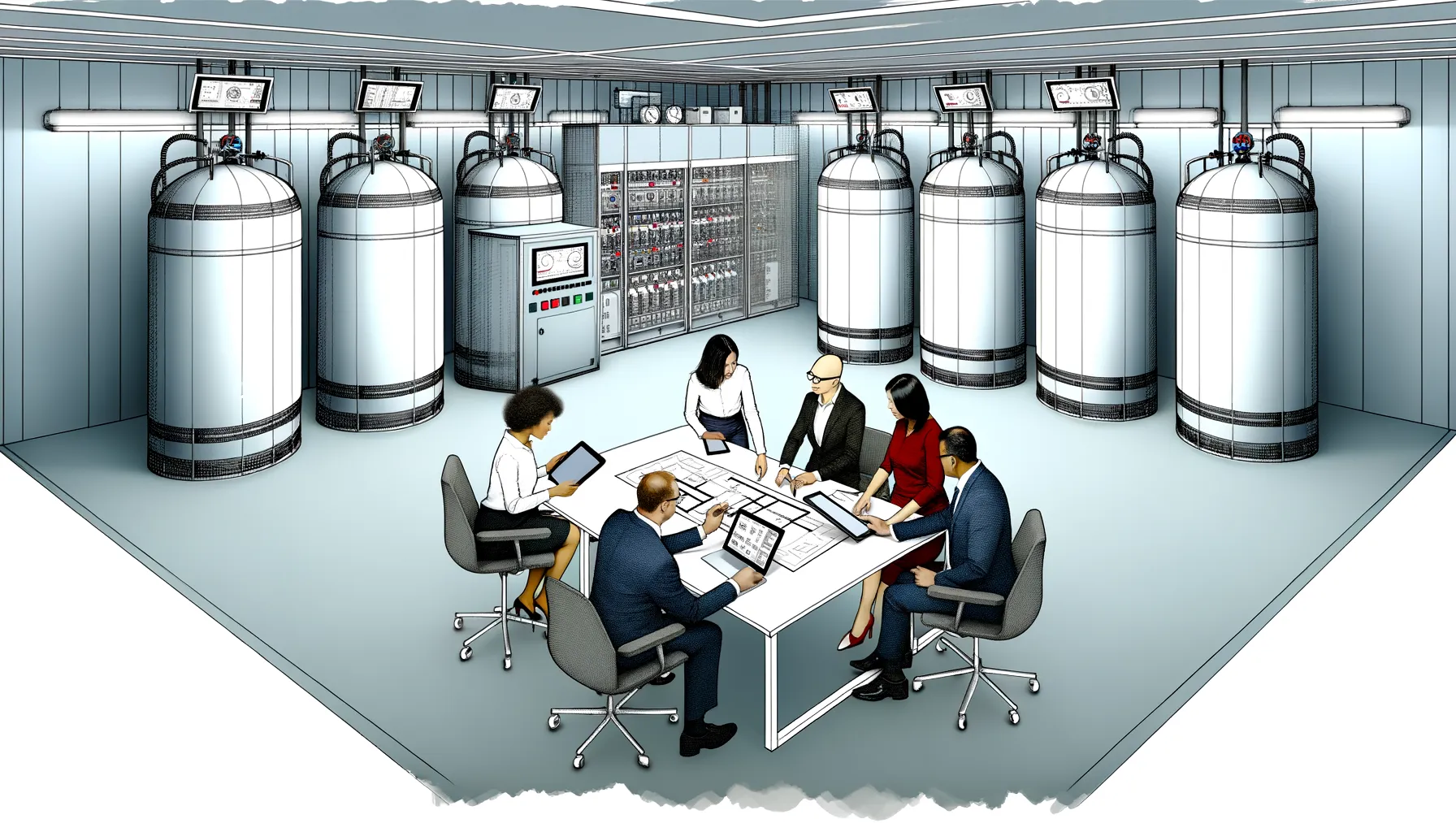
In the realm of fire protection, inert gas systems have emerged as a vital solution for environments where traditional suppression methods may cause more harm than good. This comprehensive guide delves into the mechanics, benefits, and applications of inert gas systems in fire suppression, highlighting why they are a preferred choice for sensitive environments such as data centers and facilities housing critical equipment.
Key Takeaways
- Mechanics of Inert Gas Systems: Inert gas systems suppress fires by reducing the oxygen concentration in the protected area, making it unsustainable for combustion.
- Applications: These systems are ideal for environments with sensitive equipment, such as data centers, telecom facilities, and historical archives.
- Benefits: Inert gas systems are non-damaging to equipment, environmentally friendly, and safe for occupied spaces.
The Mechanics of Inert Gas Systems
Inert gas fire suppression systems work by displacing oxygen in the protected area to a level that is insufficient to sustain combustion. Typically, the oxygen concentration is reduced from the normal 21% to around 12-15%, depending on the specific gas used and the system design.
How Inert Gases Suppress Fires
Inert gases, such as nitrogen, argon, and carbon dioxide, are often used in these systems. When a fire is detected, the system releases the inert gas into the protected area. The gas rapidly displaces oxygen, effectively suffocating the fire. This method is particularly advantageous in environments where water or chemical-based suppression could damage sensitive equipment.
Types of Inert Gases Used
- Nitrogen (N2): Commonly used due to its abundance and cost-effectiveness.
- Argon (Ar): Preferred for applications where a higher concentration of gas is required.
- Carbon Dioxide (CO2): Effective but requires careful handling due to its potential health risks at high concentrations.
For a detailed comparison of different clean agent fire suppression systems, you can refer to this complete explainer.
Applications of Inert Gas Systems
Inert gas systems are particularly suitable for environments that house sensitive equipment or irreplaceable assets. Here are some key applications:
Data Centers
Data centers are critical hubs for managing and storing data. A fire in such a facility can lead to catastrophic data loss and equipment damage. Inert gas systems are ideal for these environments as they suppress fires without leaving any residue or causing damage to electronic equipment.
Telecom Facilities
Telecom infrastructure is vital for communication networks. Fire suppression in these facilities must be both effective and non-disruptive. Inert gas systems provide a reliable solution by extinguishing fires without affecting the delicate electronic components.
Historical Archives and Libraries
Protecting historical documents and artifacts requires a fire suppression method that does not involve water or chemicals that could cause irreversible damage. Inert gas systems offer a clean and safe way to protect these invaluable assets.
Medical Facilities
Hospitals and laboratories often contain sensitive equipment and materials that could be damaged by traditional fire suppression methods. Inert gas systems ensure that fires are extinguished without compromising the integrity of medical devices and research materials.
Benefits of Inert Gas Systems
Inert gas systems offer several advantages over traditional fire suppression methods, making them a preferred choice for many critical environments.
Non-Damaging to Equipment
One of the most significant benefits of inert gas systems is that they do not leave any residue or cause damage to sensitive equipment. This is crucial for environments like data centers and telecom facilities where equipment integrity is paramount.
Environmentally Friendly
Inert gases are naturally occurring and do not deplete the ozone layer or contribute to global warming. This makes them an environmentally responsible choice for fire suppression.
Safe for Occupied Spaces
Inert gas systems are designed to be safe for occupied spaces. The gases used are non-toxic at the concentrations required for fire suppression, ensuring the safety of personnel.
Quick and Effective
Inert gas systems can quickly suppress fires, minimizing damage and downtime. This rapid response is critical in environments where even a few minutes of fire can result in significant losses.
Installation and Maintenance
Proper installation and maintenance are crucial for the effectiveness of inert gas systems. Here are some key considerations:
Installation
- System Design: The system must be designed to ensure adequate gas concentration throughout the protected area.
- Room Integrity: The protected area must be sealed to prevent gas leakage.
- Detection and Control: Advanced fire detection systems are required to ensure timely activation of the suppression system.
Maintenance
- Regular Inspections: Regular inspections and testing are essential to ensure the system is in good working condition.
- Refilling and Recharging: After a discharge, the system must be refilled and recharged promptly.
- Component Checks: All components, including nozzles, pipes, and control panels, should be checked regularly for any signs of wear or damage.
Conclusion
Inert gas systems offer a reliable and effective solution for fire suppression in environments where traditional methods may not be suitable. By understanding the mechanics, applications, and benefits of these systems, facility managers can make informed decisions to protect their critical assets.
For more information on clean agent fire suppression systems, you can read this complete explainer.



