
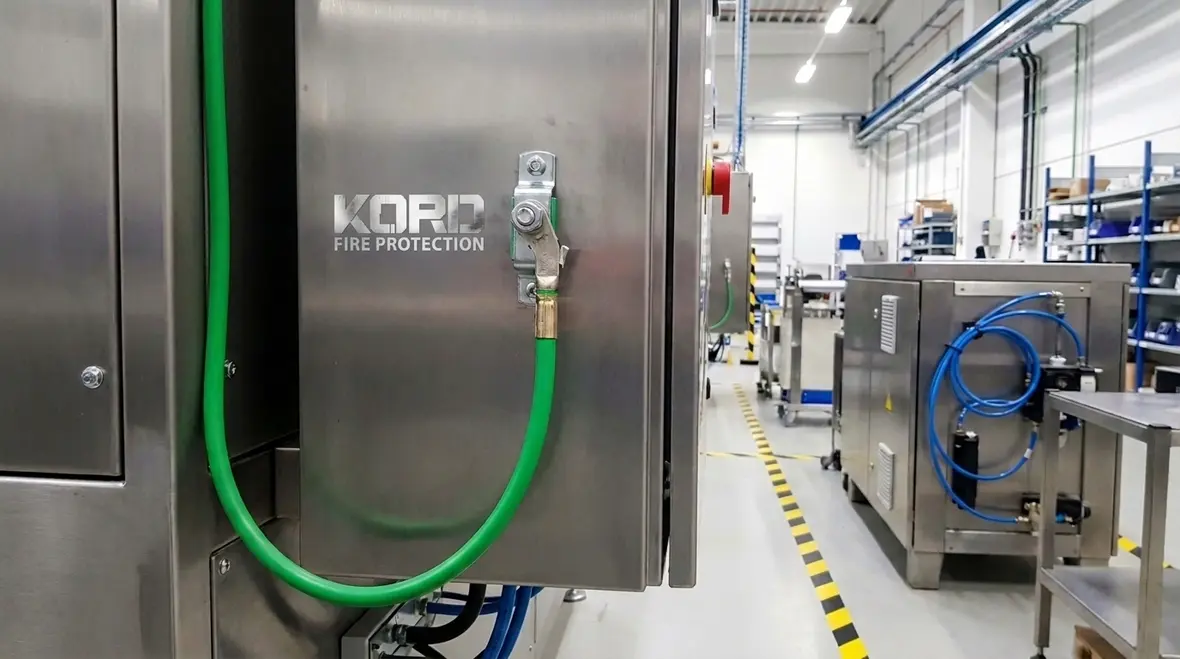
NFPA 34 Section 11.8: Grounding Requirements for Electrostatic Detearing
Quick Answer
NFPA 34 Section 11.8 requires grounding of electrostatic detearing systems to control static electricity hazards. Facilities must ensure conductive components, connections, and bonding pathways provide continuous electrical continuity, are installed per code, and remain maintained and verified through inspection and testing.
The NFPA 34 electrostatic detearing grounding requirements in Section 11.8 focus on one practical objective: prevent hazardous electrostatic discharge events that can ignite flammable atmospheres or mixtures. In commercial and industrial environments, detearing operations often occur near flammable solvents, dusts, vapors, or residues. Grounding is not treated as a one time installation task. It becomes an ongoing compliance and reliability program that integrates installation verification, inspection routines, and corrective maintenance.
For teams building a stronger inspection workflow around specialty hazards, it can help to align grounding verification with broader inspection, testing, and maintenance practices so documentation, field checks, and corrective actions stay consistent across the site.
Why grounding matters in electrostatic detearing operations
Electrostatic detearing systems intentionally create an electrostatic field to improve cleaning or separation performance. That same field can produce charge accumulation on non conductive components and on conductive components that are not properly bonded to ground. NFPA 34 Section 11.8 grounding requirements reduce the likelihood of an ignition source by ensuring charge can dissipate safely.
In real facilities, grounding effectiveness depends on more than a visible ground lug. Operational changes such as hose replacement, wear on conductive coverings, component reconfiguration, or temporary maintenance bypasses can degrade continuity. Many compliance failures originate from intermittent contact, corrosion at connection points, insulated contaminants at bonding interfaces, or incorrect routing that allows movement to fatigue straps and cables.
Where Section 11.8 grounding is typically applied
Section 11.8 grounding requirements generally apply to electrostatic detearing components and related conductive structures that can accumulate charge or become energized. Common application points in commercial facilities include:
-
Conductive housing and frames of electrostatic detearing equipment, including fan housings, support frames, and metallic enclosures.
-
Metal ducting and connected metal sections used in the detearing or airflow path where conductive surfaces can accumulate charge.
-
Electrostatic control and power hardware where conductive parts require bonding to the grounding system to maintain a safe reference.
-
Mounting hardware and bonding jumpers used to bridge connections between equipment and facility grounding points.
Commercial risk increases when equipment is installed on vibration mounts, flexible connections are used, or equipment is periodically relocated. In these situations, bonding pathways must accommodate motion without creating loose connections or intermittent continuity.
What compliant grounding looks like in the field
1) Continuous electrical continuity
Grounding must provide a continuous low impedance path from relevant conductive components to the facility grounding system. The compliance challenge is that continuity can degrade without obvious visual indicators. Corrosion can form at lug interfaces. Paint overspray or residue can create electrical insulation. Loose fasteners can be overlooked during routine maintenance.
Strong field practice includes verifying that bonding surfaces are clean and contact metal to metal where feasible, using listed lugs and properly torqued connections, and maintaining corrosion resistant hardware suitable for the environment.
2) Proper conductor selection and termination
Grounding conductors must be adequate for the application and installed using appropriate terminations. When facilities select substitute wires, omit bonding straps, or route conductors through non conductive supports, the grounding strategy can fail during operation. Routing decisions also affect durability. Moving cables that rub against edges can break internal strands over time.
Inspections should confirm that terminations remain secure and that conductors are supported to prevent strain at lug points. Where equipment uses flexible sections, bonding jumpers typically must be designed to handle movement while preserving continuity.
3) Integration with facility grounding and bonding
Grounding for electrostatic detearing should align with the facility’s existing grounding and bonding scheme. A common commercial pitfall is grounding the detearing equipment “locally” to a nearby pipe or structure that does not meet electrical bonding expectations, resulting in a path that is ineffective during faults or normal operational conditions.
Facilities should confirm the grounding reference point and ensure the equipment bonding system ties into the correct grounding electrode system or grounding network as required by applicable electrical and safety standards. Coordination between fire protection, electrical contractors, and facility maintenance reduces rework and improves audit readiness.
Common failure points that trigger noncompliance
Experience across industrial and retail maintenance programs shows predictable failure mechanisms that undermine NFPA 34 electrostatic detearing grounding requirements:
-
Corrosion and surface contamination at bonding interfaces, especially in humid areas or where cleaning chemicals residue accumulates.
-
Loose or missing bonding hardware after maintenance events, equipment cleaning, or component replacement.
-
Interrupted bonding due to insulated mounts or modifications that introduce non conductive barriers between equipment and grounded structures.
-
Damage to grounding conductors from abrasion, tool contact, or vibration wear.
-
Incorrect bonding paths that rely on fasteners or painted surfaces that prevent metal to metal contact.
These issues frequently show up during commissioning of new installations or after a facility changes detearing configurations. A structured inspection program helps facilities catch degradation before it becomes an ignition risk.
Inspection, testing, and maintenance procedures that keep grounding reliable
NFPA 34 Section 11.8 grounding requirements should be supported by documented verification activities. A practical compliance workflow typically includes:
Initial commissioning checks
Before the equipment enters service, facilities should confirm grounding connections are installed correctly, conductors are continuous, and bonding pathways match design intent. Commissioning documentation should include identified grounding points, equipment tag references, and the condition of bonding surfaces at installation.
Routine inspection cadence
During periodic facility inspections, technicians should verify that grounding connections remain secure, that conductor routing remains intact, and that bonding components are present and undamaged. Inspections should include movable areas such as flexible duct connections and vibration isolated mounts.
Corrective maintenance controls
When repairs occur, facilities should control the grounding outcome. That means no substitution of conductors without approval, no removal of bonding straps unless replaced with an approved equivalent, and no bypassing of bonding pathways during troubleshooting. Every correction should be followed by verification that electrical continuity remains intact.
If your program needs a consistent approach aligned with code expectations and facility realities, Kord Fire Protection supports commercial clients with compliance focused inspection, testing coordination, and ongoing maintenance support. For related fire and life safety performance planning, see Kord Fire Protection services and request an assessment for your electrostatic detearing equipment grounding verification program.
Frequently Asked Questions
Conclusion and call to action
Grounding for electrostatic detearing is a code driven risk control that depends on installation quality and long term integrity. Facilities should audit bonding pathways, verify electrical continuity, and enforce maintenance controls that protect against corrosion, loosened connections, and damaged conductors. Kord Fire Protection can help commercial and industrial teams align their grounding verification program with NFPA expectations and facility maintenance realities. Contact Kord Fire Protection today to schedule a compliance focused grounding assessment and ongoing support.

Join Our Newsletter!
Get the latest fire safety tips delivered straight to your inbox From our Newsletter.



