
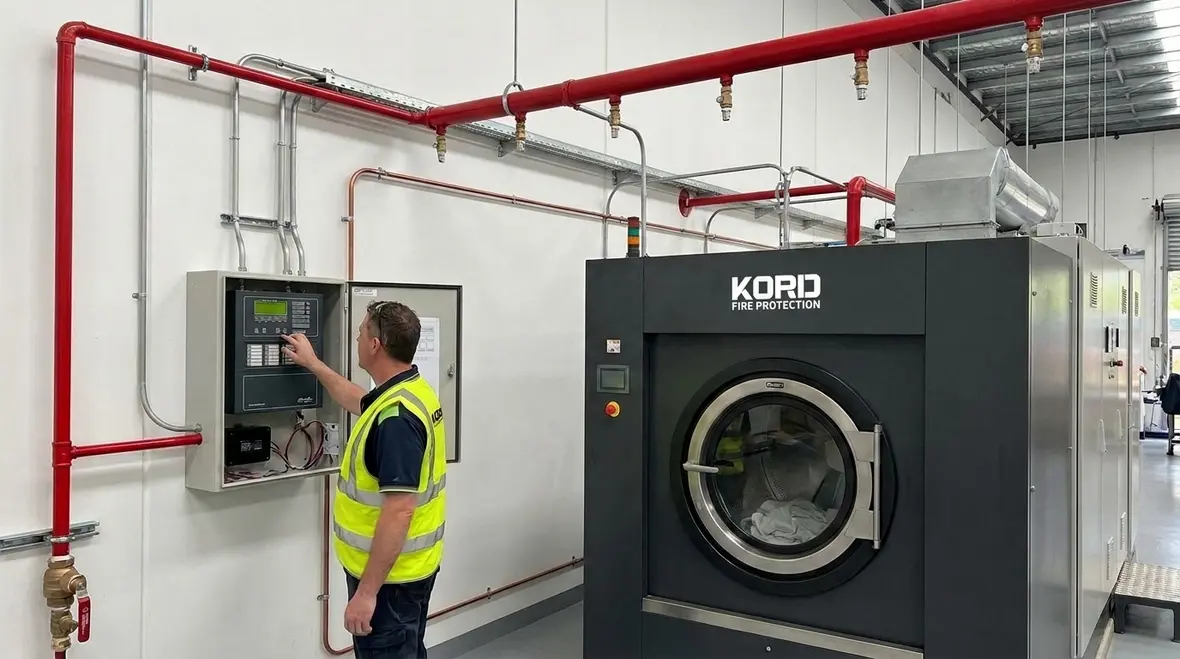
NFPA 32 Section 4.6 Fire Protection: Fixed Protection for Drycleaning Facilities
Quick Answer
NFPA 32 Section 4.6 sets performance expectations for fixed fire protection systems in drycleaning facilities. It focuses on reliability, correct installation, and ongoing readiness of detection, suppression, and control components for flammable-liquid hazards commonly present in operations.
For facilities managing inspections, testing, and maintenance across multiple systems, a broader fire protection services plan can help keep readiness, documentation, and corrective work aligned before small issues become bigger compliance problems.
What NFPA 32 Section 4.6 Requires (and What It Protects)
NFPA 32 fire protection drycleaning facilities standards address the reality that drycleaning uses combustible and flammable liquids and vapor releases that can ignite quickly. Section 4.6 concentrates on fixed protection arrangements that stay in place, activate automatically or in the intended emergency sequence, and protect key hazard areas without relying on occupant action.
In practical terms, compliance efforts need to confirm three outcomes: the fixed system must be properly designed for the specific hazard, it must activate when conditions warrant, and it must remain operational through inspection, testing, and maintenance. For commercial and industrial drycleaning operations, failures usually show up not during initial installation, but during drift in performance, component service life, and maintenance gaps.
Where Fixed Protection Systems Apply in Drycleaning Operations
Section 4.6 is tied to protecting hazard zones that can produce flammable vapor or where combustible residues accumulate. Facility design often includes multiple equipment rooms or separated enclosures, which can change how a fixed system is expected to detect and respond. Common protected areas include:
- Drycleaning machines and drying zones where solvent vapor generation is possible.
- Hazardous equipment rooms where leaks, spills, or vapor accumulation could occur.
- Associated storage and handling areas where flammable liquids are managed.
- Control equipment spaces when required by the system design and hazard assessment.
Commercial technical teams typically need to align the fixed protection strategy with the facility process flow. For example, if production changes solvents, modifies loading patterns, or adds equipment, the hazard profile changes. NFPA 32 compliance depends on the fixed system continuing to match the updated risk conditions.
How Fixed Protection Works: Detection, Actuation, and Suppression Readiness
Fixed protection systems in drycleaning facilities usually include interconnected functions. The operational intent is to limit fire growth early by actuating suppression, controlling the hazard, and preventing re ignition. NFPA 32 Section 4.6 emphasizes correct functional integration and dependable operation.
1) Detection and Fire Signaling Logic
Systems depend on reliable detection inputs and correct sequence logic. In practice, inspectors and facility owners see frequent problems such as:
- Misaligned detection devices due to equipment movement or routine cleaning.
- Obstructions that block airflow or alter sensor response in vapor environments.
- Incorrect bypass conditions or incomplete restorations after service.
Readiness matters. A system may be installed correctly but fail to operate as intended if detection pathways are degraded or if control interfaces are misconfigured after repairs.
2) Actuation Controls and Interlocks
Actuation controls must support the intended emergency sequence. Interlocks often coordinate shutdown actions, suppression discharge, and alarm notification. Common compliance challenges include:
- Inconsistent circuit supervision causing missed trouble detection.
- Valve positions that do not return to the correct state after testing.
- Control panel programming that does not match current equipment configuration.
Commercial facilities also face change management issues. When contractors modify electrical or mechanical components, they can unintentionally disrupt interlocks. A disciplined inspection and maintenance program should confirm interlock operation after any related work. For teams tightening documentation and service follow-through, Kord’s guide to the full lifecycle of fire protection servicing fits naturally with this approach.
3) Suppression Distribution and Coverage
Fixed suppression systems rely on distribution effectiveness and proper discharge performance. Typical field failure points include:
- Blocked nozzles, corrosion-related flow reduction, or residue buildup in discharge paths.
- Damaged piping supports or misdirected discharge patterns after equipment service.
- Pressure or actuation mechanism drift that affects discharge timing and volume.
For drycleaning environments, contamination and residue are normal. Maintenance plans must account for the chemical and vapor conditions that can degrade components over time.
Inspection, Testing, and Maintenance: Where Compliance Succeeds or Fails
NFPA 32 Section 4.6 compliance depends on ongoing readiness, not a one time installation. Drycleaning facilities often experience more operational cycling than other industrial occupancies, which increases the likelihood that wear, residue, and minor adjustments can degrade system performance.
Routine Inspection Priorities for Fixed Systems
Facilities should focus inspection effort where problems commonly start:
- Control panels: confirm supervisory status, alarm functions, and trouble signaling.
- Detection and actuation devices: verify placement, integrity, wiring condition, and access for service.
- Discharge hardware: inspect for corrosion, obstruction, mechanical damage, and correct orientation.
- Valves and flow paths: confirm correct positions, alignment, and no evidence of leakage.
In retail and commercial strip center locations, space constraints can increase the risk of accidental damage during cleaning or equipment work. Written inspection checklists tied to the facility layout can reduce missed issues.
Testing and Service Intervals: Plan for Real Operation
Fixed protection systems must be tested in a way that confirms function while protecting day to day productivity. A common operational issue is delaying service until it is inconvenient, which can leave systems in degraded states longer than necessary. A compliant program typically includes:
- Scheduled testing that coordinates with production downtime and solvent handling procedures.
- Rapid restoration after any testing, including restoration of supervision and interlocks.
- Documentation that ties tests to specific equipment, hazard spaces, and system components.
Kord Fire Protection supports commercial compliance through practical inspection, testing, and maintenance planning. This includes verifying system operation against the intended hazard configuration and helping facilities manage change without creating supervision gaps.
Common Compliance Gaps Seen in Drycleaning Facility Audits
Even well run operations can drift out of compliance. The most frequent issues relate to the difference between “installed” and “operationally ready.” Key gaps include:
- Maintenance backlogs: deferred servicing leads to component performance loss, especially where chemical exposure accelerates wear.
- Incorrect restoration after work: valves, bypasses, and wiring changes are not fully restored to normal supervised conditions.
- Untracked process changes: new solvents, altered machine configurations, or updated ventilation can change hazard conditions.
- Insufficient documentation: technicians cannot quickly demonstrate history, test outcomes, and corrective actions.
To reduce audit findings, the facility should treat fixed fire protection as a system that requires continuous governance. That includes verifying the system still matches the current process and that maintenance records remain complete and accessible for owners, operators, and authorities having jurisdiction.
Plan a Compliance Program With Kord Fire Protection
Successful fixed protection programs combine correct system design with disciplined service. Kord Fire Protection helps commercial drycleaning operators manage NFPA 32 fire protection drycleaning facilities requirements through structured inspections, functional testing support, and maintenance continuity. This reduces the likelihood of readiness failures, especially after equipment modifications or seasonal operational changes.
For more information on fire protection services that support commercial compliance, visit Kord Fire Protection.
Frequently Asked Questions
Next Step: Confirm Readiness and Lock in Maintenance
NFPA 32 fixed protection requirements succeed when systems stay operationally ready, not just installed. Schedule a readiness review covering detection performance, actuation control integrity, suppression distribution, and maintenance documentation. Kord Fire Protection can help commercial operators build a practical, audit friendly maintenance plan and verify correct function for the current hazard configuration. Act now to reduce downtime risk and prevent readiness failures during the next inspection cycle.

Join Our Newsletter!
Get the latest fire safety tips delivered straight to your inbox From our Newsletter.



