NFPA 31 Section 2.4: Extracts in Mandatory Sections Explained
Quick Answer
NFPA 31 Section 2.4 explains that when mandatory sections use extracts, those extracted requirements still carry the force of the standard. Facility owners must implement the extracted text as part of compliance, not treat it as guidance or optional interpretation.
If your team is tightening up broader compliance workflows, a useful related resource is Kord Fire Protection’s fire protection services in Southern California page, which gives a practical overview of how inspection, maintenance, and corrective action planning fit together.
Why Section 2.4 matters for real-world compliance
Commercial facilities that handle oil burning equipment do not fail compliance because people ignore the “big” rules. They fail because extracted requirements appear in mandatory sections, then get treated like abbreviated references instead of enforceable conditions. In inspections, that distinction becomes critical.
This is where NFPA 31 mandatory section extracts references become a practical compliance topic. Section 2.4 clarifies how extracts are presented and how they must be treated when they appear within mandatory requirements. The intent is straightforward: if the standard points to an extract that sits inside a mandatory section, the extract is still a required part of meeting NFPA 31.
For commercial, industrial, and retail operators, the operational impact shows up in three common areas: burner system setup, fuel and fire protection controls, and maintenance and inspection documentation. When extracted requirements are not fully implemented, small gaps can create inspection findings that escalate into operational downtime or mandated corrective action.
What “extracts” mean under NFPA 31 Section 2.4
Section 2.4 addresses the standard’s internal structure. When mandatory sections incorporate text from other sections, the standard uses extracted language instead of repeating complete sections. The extract is not a summary in the colloquial sense. It functions as part of the mandatory rule set.
Operational interpretation: an extract is a requirement, not optional text
NFPA 31 uses extracts to manage readability, but it does not reduce compliance obligations. If an extracted requirement specifies performance, installation configuration, inspection frequency, or documentation content, those items must be implemented exactly as directed in the mandatory context.
Why inspectors focus on “contained meaning”
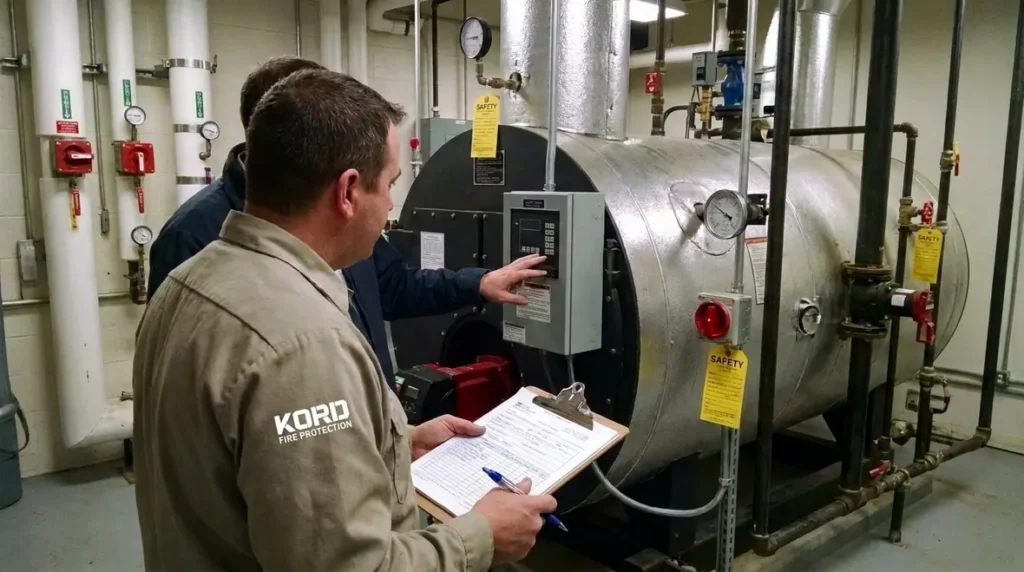
Inspectors typically verify three things during site visits:
Presence of required controls or configurations referenced by the extract
Correct operation during start up, running, and shutdown modes
Evidence such as logs, test results, and maintenance records that demonstrate the extract’s intent has been met
For facility teams, this means compliance cannot be achieved by installing equipment that “looks similar.” The extract wording drives what must be demonstrated.
Where extracted mandatory requirements show up in oil burning systems
Extracts commonly appear in mandatory rules tied to installation, operation, inspection, and maintenance of oil burning equipment. The most common enforcement touchpoints in commercial properties include burner safety controls, fuel piping arrangements, combustion air and venting conditions, and inspection routines.
1) Burner control and safety function testing
Mandatory requirements tied to burner controls often include extracted references to specific testing steps or acceptance criteria. Failure points frequently include missed confirmation tests, incorrect test sequence, or inability to show that the control system behaves as required under abnormal conditions.
Typical examples include:
Insufficient documentation of control system testing after maintenance or component replacement
Incomplete observation of safety lockout behavior during functional checks
Repairs performed without confirming that the system returns to compliant calibration or setpoints
2) Fuel delivery, piping, and spill prevention details
Extracted mandatory requirements often govern how fuel piping runs, how it is supported, how leaks are prevented, and how systems are protected from abnormal conditions. Commercial facilities also face constraints such as retrofit layouts and shared utility corridors, which can tempt teams to treat extracted language as “close enough.”
Common failure points include:
Nonconforming routing that limits service access or contradicts the extract’s intent
Inadequate containment measures where the extract calls for specific protection
Maintenance gaps where the extract implies ongoing inspection intervals that were not followed
3) Combustion air and venting verification
Extracts used in mandatory sections can specify what must be verified for safe combustion and proper venting. If a facility does not have a structured verification process, combustion changes after maintenance or equipment aging may go unnoticed.
In practice, technicians need to validate:
Vent integrity and correct draft performance
Combustion settings that align with safe operation parameters
That inspection records show compliance with the mandatory extract requirements
How commercial facilities should implement extracted mandatory requirements
Implementation should be procedure-driven, not person-dependent. Facilities that succeed treat NFPA 31 compliance as a controlled maintenance program.
Step 1: Extract the extract into a compliance checklist
Facility teams should convert any extracted mandatory text into a practical checklist item. This includes the equipment affected, required test steps, acceptance criteria, and recordkeeping requirements. The goal is to create a direct bridge between the written extract and field verification.
Step 2: Align contractor scope with extract language
Commercial service providers must understand which parts of NFPA 31 are being referenced by extracts in mandatory sections. A common problem occurs when scope of work lists “standard boiler service,” but does not include the specific functional tests and documentation obligations tied to the mandatory extract requirements.
Step 3: Maintain evidence that matches the extract intent
During inspections, evidence matters. Logs and records should clearly demonstrate the extracted requirement was performed under the correct conditions and at the required intervals. Where components are replaced, documentation should show the post maintenance checks were completed and results were recorded.
Step 4: Add verification points after adjustments and repairs
Any time technicians adjust combustion settings, replace control components, or alter fuel system components, the facility should require a repeat of the mandatory extract verification steps. Extract-driven requirements often identify failure modes that reappear after changeovers.
Practical compliance support from Kord Fire Protection
Commercial facility compliance requires more than scheduling inspections. It requires structured testing, accurate documentation, and a consistent feedback loop between installed equipment condition and the requirements that govern safe operation.
Kord Fire Protection supports ongoing adherence through practical oil burning equipment installation guidance and maintenance planning. For teams managing burner systems and compliance documentation, Kord Fire Protection can help operationalize rules into testable tasks. A useful starting reference is this installation focused guide: NFPA 31 practical guide to oil burning equipment installation.
When facilities treat NFPA 31 mandatory section extracts references as enforceable requirements and support them with disciplined maintenance, they reduce inspection findings and improve equipment reliability. Kord Fire Protection works with commercial sites to verify correct operation, strengthen recordkeeping, and close the common gaps that extracted mandatory language can create.
Frequently Asked Questions
Conclusion and next step
Extracted mandatory references in NFPA 31 Section 2.4 become compliance requirements in the exact context they appear. Commercial facilities that convert extract language into checklists, align contractor scope, and maintain evidence reduce inspection risk. Kord Fire Protection can help your team verify oil burning equipment compliance through disciplined testing and maintenance documentation. Contact Kord Fire Protection today to review your current program and close any extract based gaps before the next inspection.

Join Our Newsletter!
Get the latest fire safety tips delivered straight to your inbox From our Newsletter.