
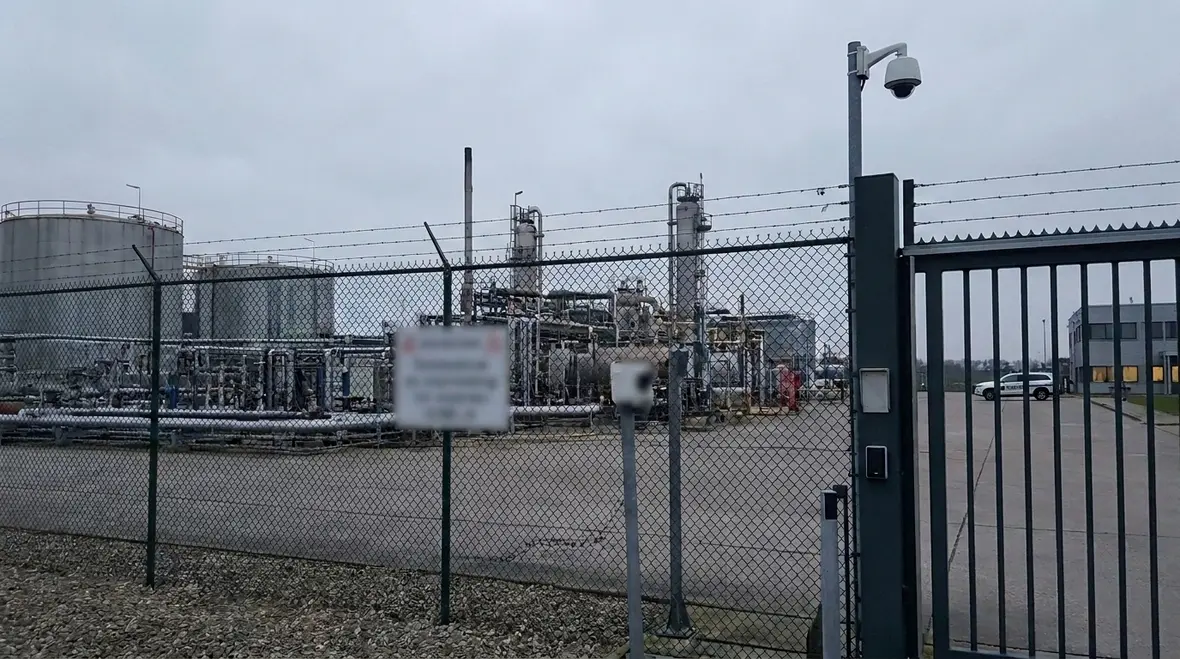
NFPA 30 Section 26.8: Security at Petroleum Production Sites
Quick Answer
NFPA 30 Section 26.8 security production sites sets expectations for controlling access, protecting ignition sources, and reducing unauthorized actions that can escalate into fire or explosion. The section focuses on operational integrity, not just gates and cameras, and it requires ongoing verification through inspection and maintenance.
What NFPA 30 Section 26.8 actually requires for security
NFPA 30 Section 26.8 security production sites addresses how petroleum production facilities protect flammable liquid operations from interference, tampering, and unsafe access. In practice, the requirement is not satisfied by installing perimeter fencing or purchasing security hardware alone. Facilities must align security measures with process risk, operational controls, and the likelihood of ignition or release during unauthorized activity.
For commercial, industrial, and retail-adjacent operations that support or interact with petroleum assets, the compliance challenge often lies in translating a standard into daily procedures: who controls keys and access cards, what happens when a sensor fails, how contractors are supervised, and how security conditions are verified after maintenance or upgrades.
Facilities that need broader suppression support for flammable liquid hazards often pair these site controls with fire suppression system services so inspection, testing, maintenance, and response readiness stay tied to the actual risk instead of living in separate binders.
Security controls that directly affect fire and explosion risk
Security at petroleum production sites typically targets three risk pathways: ignition sources entering restricted areas, unauthorized actions that disrupt operating controls, and delayed detection of abnormal conditions. NFPA 30 Section 26.8 security production sites supports these outcomes by requiring security arrangements that prevent unsafe conditions from developing unchecked.
1) Access management for flammable liquid areas
Access control should match the operating reality of the facility, including tanks, loading points, piping corridors, pump areas, compressor buildings, and any location where vapors or residual flammable liquid may be present. Common compliance expectations include:
- Controlled entry into hazardous process areas, not general site access.
- Documented authorization for employees and contractors, with visitor escort procedures where required.
- Key and credential controls that prevent untracked duplication, loss, or shared use.
2) Protection of ignition sources
Security measures should reduce the probability that unauthorized ignition sources enter, remain active, or go undetected. This includes managing mobile ignition hazards such as tools, portable heaters, and smoking or vaping, plus controlling electrical and mechanical sources that can become ignition capable in hazardous atmospheres.
Facilities often fail here when the ignition controls exist on paper but break during operational changes. Examples include leaving gates ajar during shift change, permitting contractors into restricted areas without verification of hot work controls, or allowing ad hoc maintenance activity outside the planned work window.
3) Surveillance and detection with operational accountability
Cameras and alarms add value only when the facility can act on the information. Security production sites should have clear response responsibilities for abnormal detection, including communication pathways to operations and fire safety leadership. Delayed response can turn a contained incident into a large loss scenario when flammable vapors accumulate or when an unauthorized action compromises a barrier.
Common failure points during compliance audits
When authorities having jurisdiction and internal safety reviews assess security arrangements, they typically look beyond the equipment list and examine operational effectiveness. Typical failure points include the following.
Outdated procedures after site changes
Security systems and access rules can become misaligned after expansions, equipment relocation, new piping routes, or revised operating zones. A gate and lock plan that was accurate at commissioning can become obsolete without a formal change management review. NFPA 30 Section 26.8 security production sites expects security to remain fit for purpose as the site evolves.
Credential or key control gaps
Facilities often have uncontrolled credential distribution, shared passwords for keypad systems, or loose contractor return and clearance processes. Security failures here create direct opportunities for unsafe entry into flammable liquid areas.
Operational controls must also cover offboarding. If access cards remain active after role changes, the site security posture degrades even when cameras and fences remain intact.
Maintenance omissions that defeat protective intent
Security reliability depends on maintenance. Common issues include failed door hardware, nonfunctional annunciation devices, inoperative signage, damaged fencing that creates bypass paths, and sensors that lack periodic functional checks. These defects may not create immediate obvious hazards, but they undermine the ability to prevent unsafe activity.
In many cases, the technical mitigation is not “more equipment.” It is a scheduled maintenance and testing program that ties security components to their safety function.
Inspection and maintenance practices that keep security effective
Security under NFPA 30 should behave like any other life safety and fire safety system. It needs documented inspection frequency, defined acceptance criteria, and corrective action timelines. A practical program usually includes the elements below.
Security system functional checks
Implement periodic verification for perimeter integrity, door and gate operation, access control reader performance, alarm annunciation, and surveillance recording coverage. The objective is to confirm that each component performs its intended function during normal and fault conditions.
Drills and response readiness
Even strong access controls cannot prevent every abnormal condition. Facilities should ensure the response plan is understood by operations and security personnel. Response training should include:
- How to initiate an emergency notification when unauthorized activity is detected.
- How to coordinate with operations to isolate sources where required.
- How to protect personnel during investigation and control efforts.
Contractor management as a control point
Contractors often create the highest risk for unauthorized ignition and procedural deviation. Security compliance improves when contractor access is time bound, area bound, and supervised. Documentation should show who authorized access, which areas were permitted, and what safety controls apply for the work scope.
Barrier continuity after maintenance or upgrades
When electrical equipment, instrumentation, or communications are upgraded, security zones and access pathways can unintentionally change. Maintenance teams should verify that access control and hazardous area restrictions remain correct after any work that affects site infrastructure.
How Kord Fire Protection supports ongoing NFPA 30 compliance
Security production sites require more than a one-time installation. Kord Fire Protection helps operators sustain compliance through structured inspection, testing, and maintenance support aligned with fire safety outcomes. This includes helping facilities connect security arrangements to flammable liquid risk controls, ensuring that documentation remains current and that protective systems remain operational.
For a broader regulatory context on flammable liquids and how NFPA 30 informs facility controls, refer to how NFPA 30 regulates flammable liquids. Aligning security with the flammable liquid program strengthens overall risk management and reduces the likelihood that a security shortfall becomes a fire incident.
If the facility operates across multiple sites or includes contractor work, Kord Fire Protection also supports practical, audit-ready processes that maintain consistency across shifts and changing site conditions.
Frequently Asked Questions
Next step: secure compliance with a living program
Review your NFPA 30 Section 26.8 security production sites controls as a system, not an installation. Validate access rules, confirm hazardous area restrictions, test security component performance, and ensure response accountability is documented and practiced. Then engage Kord Fire Protection to support ongoing inspection, maintenance, and audit-ready compliance processes. Contact the team to schedule a site review and close the gaps that typically appear after operational changes.

Join Our Newsletter!
Get the latest fire safety tips delivered straight to your inbox From our Newsletter.



