
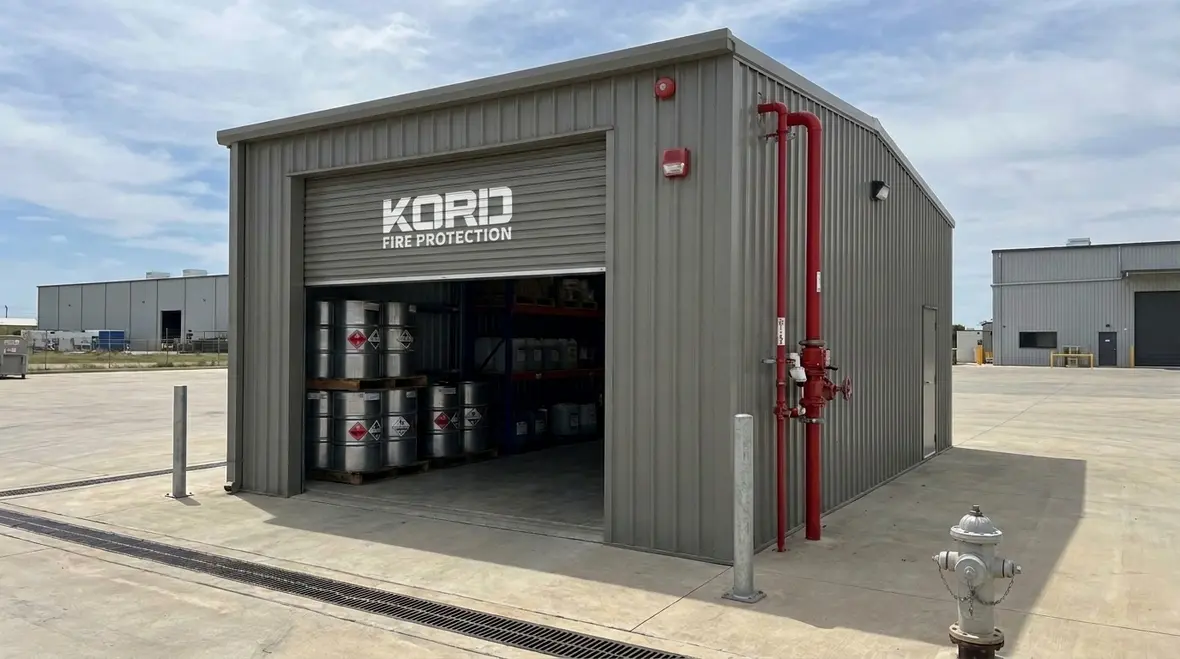
NFPA 30 Section 13.11: Fire Protection for Detached Building Storage
Quick Answer
NFPA 30 Section 13.11 sets performance oriented requirements for fire protection of flammable and combustible liquid storage in detached buildings. It focuses on limiting fire spread, protecting exposures, maintaining engineered safeguards, and ensuring the system remains reliable through inspections, testing, and ongoing maintenance.
Facilities that need broader support for inspection scheduling and maintenance readiness often pair this compliance work with fire suppression system inspection, testing, and maintenance services so the protection strategy stays aligned with the actual hazard in the building. ([kordfire.com.au](https://kordfire.com.au/fire-suppression-systems/?utm_source=openai))
What does NFPA 30 Section 13.11 actually require for detached buildings?
For facilities managing flammable and combustible liquids in a detached building, NFPA 30 Section 13.11 fire protection detached buildings requires safeguards that reduce ignition probability, manage heat and flame impingement, and protect against uncontrolled escalation between structures. In practice, compliance is not just about having a plan. It is about implementing protection systems that match the occupancy, storage arrangement, fire hazards, and exposure distances, then maintaining them so they perform as intended when conditions deteriorate.
Commercial operators typically implement these safeguards through a combination of building design features and fire protection equipment. The exact approach depends on quantities, materials, container type, venting and drainage provisions, spill control, and the overall layout of the storage yard. When facilities treat the section as a one time certification task, they often miss the ongoing inspection and maintenance components that keep protection functional.
How designers and operators align the storage layout with fire protection goals
Detached buildings change the risk profile. A fire can fully develop before response units reach the scene, and it can threaten adjacent structures through radiant heat, flame spread, and burning liquid exposure. NFPA 30 Section 13.11 fire protection detached buildings is therefore closely tied to how storage is arranged and how that arrangement is contained.
Operational layout controls that often drive compliance
Separation and exposure management: Proper siting and separation reduce the chance that a fire in the detached building overwhelms adjacent walls or openings. Exceeding intended distances or changing nearby occupancy after installation creates new exposure pathways.
Container and handling restrictions: Regulations assume specific container configurations. Adding non compliant containers, stacking beyond limits, or altering transfer methods can defeat the intended protection strategy.
Spill and drainage control: Drainage must direct spilled liquids away from ignition sources and toward controlled areas. Poorly designed floor drains or blocked sumps lead to pooling that increases fire severity.
Ventilation and pressure relief considerations: Flammable vapor control is foundational. Damaged vents, improperly maintained flame arresting devices, or blocked vents change hazard levels during a fire.
Common failure points during compliance reviews
As built versus as operated drift: A facility may retain the original drawings but change storage practices over time, including product changes, container replacements, or altered aisle clearances.
Barrier compromises: Doors, seals, fire stopping, and rated penetrations degrade. A detached building can behave like a “closed box” until it unexpectedly becomes an open path for flame and heat.
Blocked or altered drainage: Maintenance activities frequently change floor drainage components. Once pooling occurs, many fire protection assumptions no longer hold.
Protecting the detached building and surrounding exposures
NFPA 30 Section 13.11 fire protection detached buildings focuses on limiting fire growth and exposure impact. In a typical commercial yard, that means the protection approach must work even when the fire starts with a localized source and then escalates through liquid involvement.
Engineered fire protection strategies typically used
Fire extinguishing and suppression systems: Fixed systems must be correctly designed and installed for the hazard and occupancy. They must also remain accessible and operational for inspections.
Heat and flame impact management: Fire walls, rated openings, and protective features reduce flame impingement on critical building elements.
Detection and alarm integration: Early detection shortens the time to intervention. Alarm system maintenance failures can create delays that allow fire to exceed design response windows.
Fire protection water supply reliability: For many facilities, water supply stability is the difference between partial and full system performance, especially where systems depend on pumps, tanks, or supply pressure under flow.
What “good” looks like in the field during inspections
Compliance does not stop at annual testing. It includes verification that the system remains aligned with the current hazard profile. Inspectors and auditors typically expect evidence that the facility can demonstrate operational readiness, including functional checks, documentation, and corrective actions when deficiencies appear.
When commercial operators need a technical compliance partner, they often rely on ongoing service that ties inspection results to operational risk. For related context on how NFPA 30 regulates flammable liquids, facilities can reference: How NFPA 30 regulates flammable liquids.
Inspection, testing, and maintenance: the part many teams underestimate
Detached building protection depends on dependable equipment. NFPA 30 Section 13.11 fire protection detached buildings is only effective when suppression performance, detection reliability, and building protections remain within specification. Maintenance failures commonly show up as system downtime, degraded components, incorrect operating parameters, or incomplete documentation.
Maintenance tasks that directly affect system performance
Verification of detection devices: Dirt, corrosion, and environmental exposure reduce sensitivity and can generate nuisance faults. Repeated false alarms often lead to bypassing, which undermines the protection strategy.
Inspection of valves, actuators, and isolation points: Corrosion and seal degradation prevent full flow paths or delay actuation. Even minor valve issues can delay suppression initiation.
System component condition checks: Nozzles, piping, gauges, and strainers must be inspected for blockage, leaks, and misalignment.
Water supply testing and pump readiness: For facilities using pumps or stored water, a failure to maintain priming, controls, and reliable flow can compromise discharge during a fire.
How documentation strengthens compliance readiness
Commercial and industrial sites benefit from a tight documentation lifecycle. Service records should show what was tested, what was found, what was corrected, and what remains within acceptable parameters. Auditors look for traceability, including evidence of corrective actions and confirmation that components returned to normal service.
Kord Fire Protection supports facilities with structured compliance service programs designed to reduce downtime risk, maintain system integrity, and support audit readiness for ongoing NFPA and local regulatory requirements. This is especially critical in retail and industrial environments where storage practices and building conditions can shift quickly. ([kordfire.com.au](https://kordfire.com.au/?utm_source=openai))
Commercial compliance realities: what changes after initial installation?
Even when a detached building meets NFPA 30 Section 13.11 fire protection detached buildings at commissioning, real operations can introduce new risk. Product substitutions, container changes, process upgrades, or tenant modifications can all alter fire behavior and system demand.
Typical post installation changes that require a compliance reassessment
Hazardous product changes: Different flash points, boiling ranges, and volatility can change vapor generation during a fire.
Storage density increases: Higher quantities increase heat release rate and can overwhelm suppression or exposure assumptions.
Building modifications: New penetrations, changed doors, altered partitions, and HVAC adjustments can change compartmentation and ventilation characteristics.
Operational changes to transfer and spill control: New transfer hoses, pumps, or procedures can alter spill likelihood and drainage performance.
Facilities should treat NFPA compliance as a living system. The protection strategy must match the current hazard and maintain the reliability of detection, suppression, and building protections. A proactive inspection and maintenance program is usually the fastest path to avoiding audit gaps and operational downtime.
Frequently Asked Questions
Next step
If a detached storage building is in your compliance scope, Kord Fire Protection can help you validate protection reliability, close common failure points, and maintain defensible documentation. Contact Kord Fire Protection through kordfire.com.au to schedule an assessment and build a maintenance and testing program aligned with NFPA 30 requirements for ongoing operational risk reduction. ([kordfire.com.au](https://kordfire.com.au/?utm_source=openai))

Join Our Newsletter!
Get the latest fire safety tips delivered straight to your inbox From our Newsletter.



