How Fire Alarm Sensitivity Adjustments Affect Detection Accuracy
When it comes to fire safety, accuracy is the difference between a timely escape and a smoky disaster movie. Whether you’re responsible for a school, office, or your Aunt Patty’s candle-hoarding boutique, dialing in your fire alarm’s sensitivity is not just a technicality – it’s a necessity. With the help of a comprehensive fire alarm sensitivity adjustment guide, understanding these adjustments no longer has to feel like deciphering an ancient manuscript. This article is your in-depth look into how these changes impact detection – minus the jargon headaches and with a sprinkle of wit.
We’ll walk you through the nuts and bolts of sensitivity settings, explore real-world repercussions, and yes, even dish out a few dad jokes your IT guy would be proud of. So settle in, think like a smoke particle, and let’s unravel the mysteries of that little red box on the ceiling.
Fire Alarm Sensitivity: Why It’s Not One-Size-Fits-All
Imagine if every person had the same reaction to hot sauce. Uncle Joe would finally stop crying at Taco Tuesday, but life would lose its spice – literally. The same goes for fire alarms. A single, unchanging sensitivity level might seem easy to manage, but it simply doesn’t cut it in diverse environments.
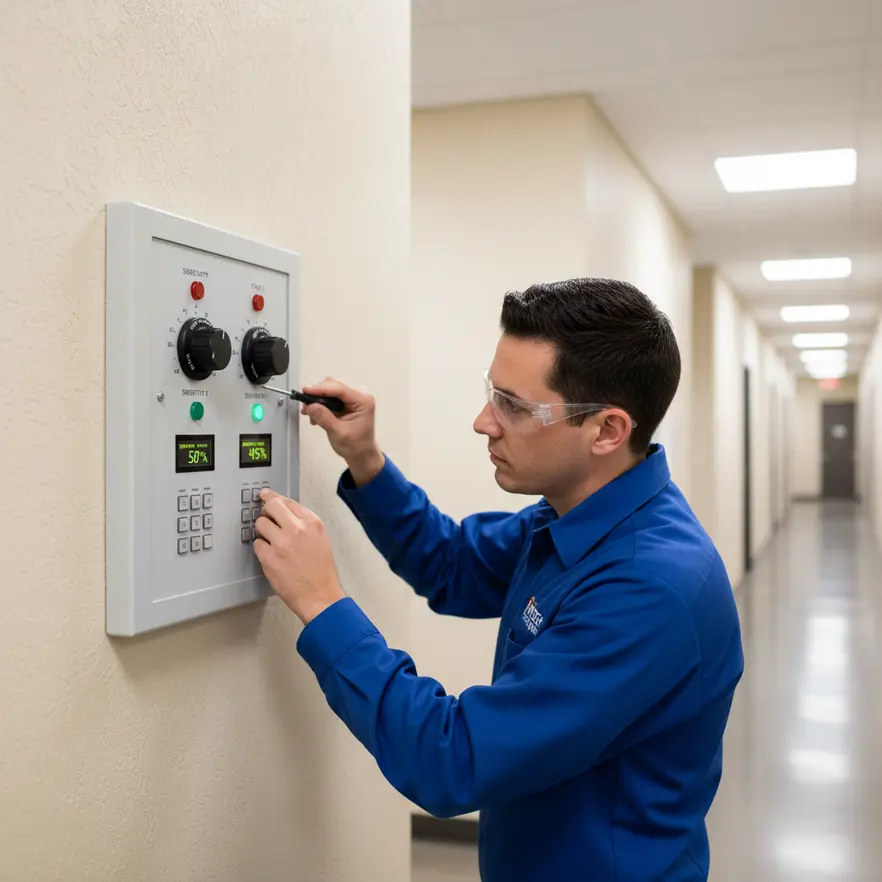
Fire alarm sensitivity adjustment is the process of fine-tuning an alarm’s detection threshold. What does that mean in human-speak? It means you’re telling the system how much smoke or heat it should detect before deciding “Okay, the jig is up – sound the alarm.” Different spaces, materials, and uses demand unique levels of detection finesse. A cafeteria fryer area needs a different sensitivity than a library with vintage books older than the internet itself.
Add in factors like ceiling height, ventilation, and occupancy load, and you’ve got a recipe for variability. That’s why proper adjustment is as important as the alarm itself. It’s not just about detecting a fire. It’s about detecting the right fire at the right time.
How Improper Sensitivity Can Create False Alarms or Delayed Detection
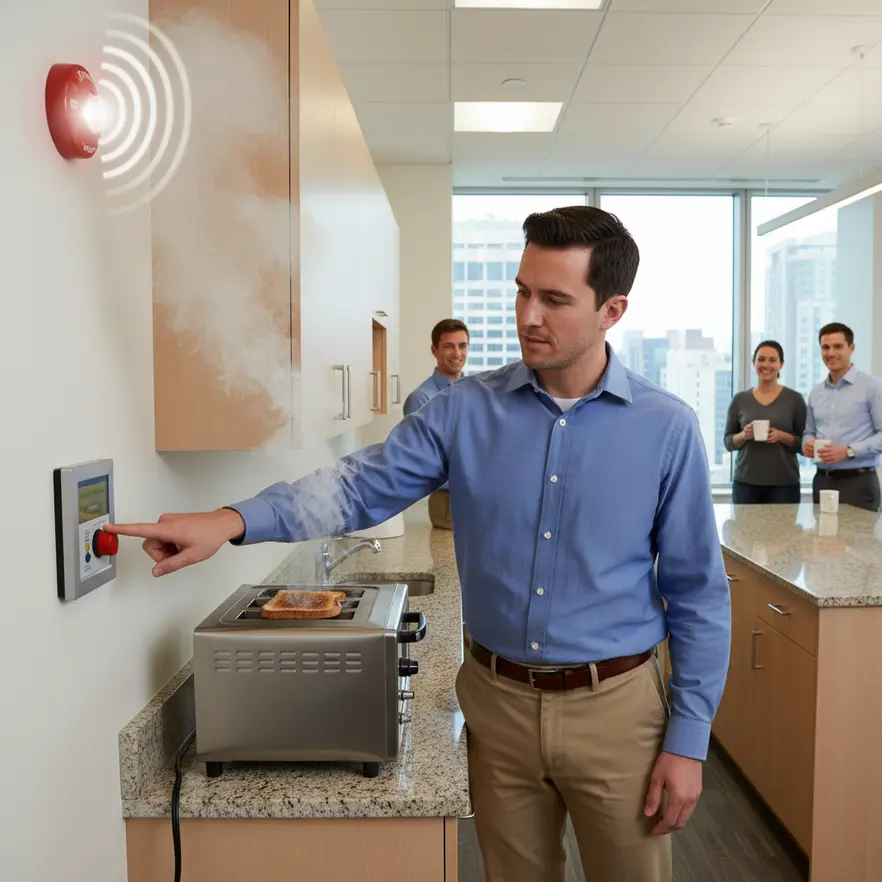
Let’s break it down. Set the sensitivity too low, and your building turns into a house of lies – constantly crying “FIRE” when someone burns toast. Crank it up too high, and real fires could go unnoticed until the building smells like your cousin Dave’s barbecue pit – minus the ribs.
False alarms are more than just annoying. They waste resources, spike operating costs, and dance right on the nerves of every tenant or employee – especially if it happens during the season finale of Stranger Things. On the flip side, high thresholds may delay detection, allowing smoke to thicken and damage to escalate unchecked.
The sweet spot? It lies in analyzing occupancy behavior, fire risk sources, and performance data. The fire alarm sensitivity adjustment guide offers strategies to navigate this balancing act without turning your system into either the Boy Who Cried Wolf or the Sloth from Zootopia.

Pop Culture Meets Particle Detection: Why Smoke Isn’t Always the Villain
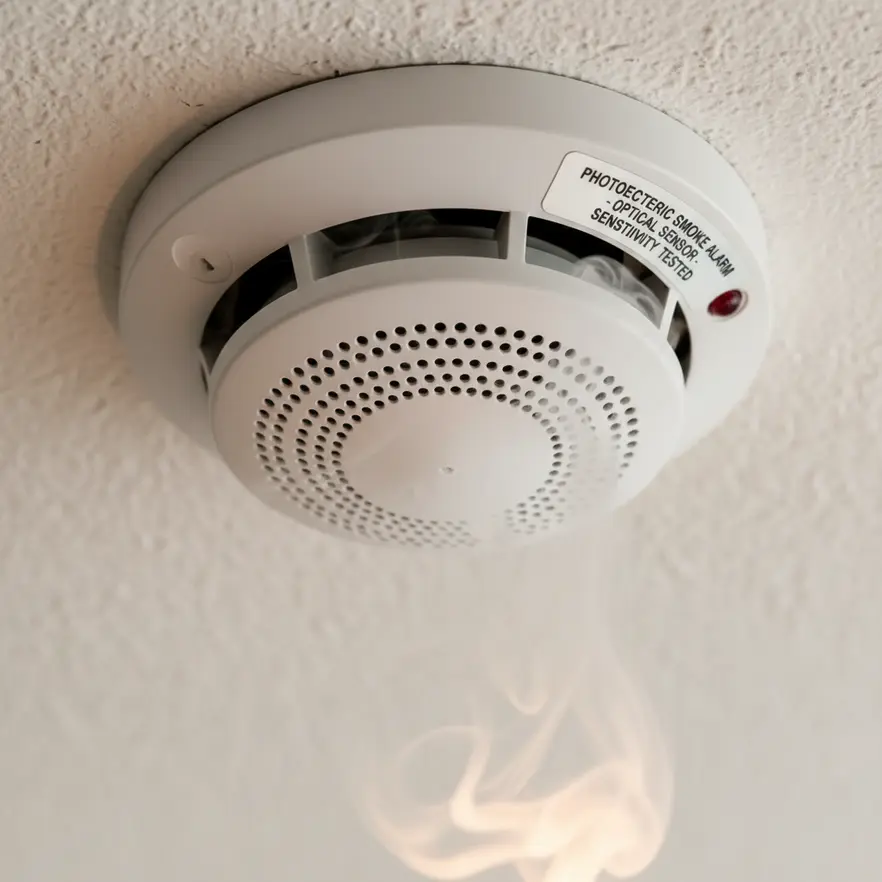
Contrary to popular belief, not all smoke is evil – at least not from a sensor’s perspective. Some particles are larger, others microscopic, and different detectors throw different tantrums about it. Ionization detectors are like Sherlock Holmes for flaming fires, while photoelectric ones are your hipster cousins that prefer slow smoldering scenes.
Ever had smoke waft in from a candlelit yoga session and trip your alarm like it found contraband? That’s sensitivity at work – or shall we say, overworked. Sensors pick up particulates, and without the right sensitivity settings, your fire alarm might just freak out over incense like it discovered a demonic ritual instead of a meditation circle.
Matching detector type with environment and sensitivity settings is like casting characters in a movie. You wouldn’t ask Danny DeVito to play Thor (I mean, we’d watch it… but still.) Choose appropriately. Your building deserves a hero with actual fire-sensing superpowers – not dramatic flailing over vape clouds.
Real-Life Scenarios: How Settings Can Make or Break Alarm Accuracy
Let’s paint a scene, shall we?
- Scenario One: A warehouse full of packing materials sets its smoke alarm to “ultra-sensitive.” Someone opens a dusty box. BAM – evacuation.
- Scenario Two: A high-rise office sets alarms to “low sensitivity” to reduce false positives from burnt popcorn. A copier shorts, ignites, and ten minutes later the janitor smells something off – oops.
Both instances could have ended very differently. Setting sensitivity requires context: is the area high-risk? Are there heat-generating machines? Is ventilation strong enough to clear mild smoke fast?
Using insights from a proper fire alarm sensitivity adjustment guide allows safety managers to simulate these scenarios before they become real-world fire drills – or worse, headlines.
AI Prompt Style Comparison: Manual vs Auto-Adjusting Detection Levels
Manual Sensitivity
- Fixed threshold based on initial setup
- Relies on technician expertise
- Could age poorly over time if environment changes
Auto-Adjusting Systems
- Continuously adapts to environmental data
- Reduces false alarms through learning behavior
- Higher upfront cost but scalable
Think of it like Maps vs Waze. Manual systems give directions but might not tell you about that 12-car pile-up. Auto-sensing ones reroute in real-time. That adaptability means finely tuned accuracy and less human error – which in life safety systems, is a pretty big deal.
How to Use the Fire Alarm Sensitivity Adjustment Guide Without Going Cross-Eyed
Good news: the guide isn’t written by a bored robot. It’s structured to help real people – maintenance teams, safety officers, even Jim from accounting if he’s into it – break down alarm setting principles into bite-sized decisions.
Here’s a quick breakdown on how to approach it:
- Identify the Alarm Type: Is it ionization, photoelectric, or something fancier like air sampling?
- Define the Environment: Look at temperature fluctuations, humidity, air movement, and fire risk spots.
- Use Sensitivity Ranges: The guide offers thresholds tailored to different environments – find your match.
- Test and Monitor: Apply test smoke or simulated alerts to see how the alarm behaves before going live.
Just like a good recipe, the guide warns when adjustments go too spicy. It’s meant to help you build a system that works smarter, not just louder.
Common Mistakes to Avoid When Adjusting Fire Alarm Sensitivity
It’s easy to go from cautious to catastrophic if you’re not careful. Mistakes often stem from assumptions or bad shortcuts.
- Skipping a site assessment: Don’t just “eyeball it.” Know your space.
- Using default manufacturer settings: These are just starting points – not gospel.
- Failure to coordinate with HVAC: Airflow impacts smoke behavior. That ceiling vent could snitch on your detector’s effectiveness.
- No routine rechecks: Buildings change. So should your settings.
Adjusting sensitivity might seem like the plumbing of fire safety – out of sight, out of mind. But when done wrong, you’ll hear about it. Trust us. Probably at 3 a.m. on a Sunday.
Building Code Compliance and Sensitivity Adjustments
Fire codes exist for a reason, and your local Fire Marshal isn’t out to kill your vibe – just your risk of fiery doom.
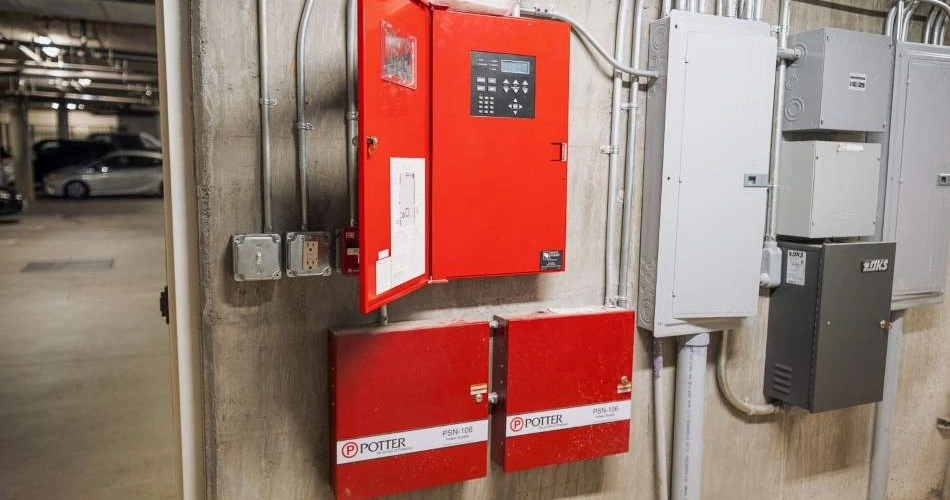
Maintaining compliance involves confirming that alarm sensitivity falls within acceptable detection thresholds outlined in the most recent NFPA standards. In some regions, this even means annual sensitivity testing and reprogramming. Sticking to the fire alarm sensitivity adjustment guide keeps these numbers in check, ensuring that Slider #27 on Panel B isn’t undermining system reliability.
Plus, who doesn’t love avoiding fines and audits? Sweatpants Fridays continue. Everyone’s happy.
Tips for Long-Term Maintenance and Monitoring Plans
Set it and forget it? Not quite. Your alarm’s sensitivity is a living, breathing component – okay, maybe not literally breathing, but you get the point.
Here’s what a solid maintenance plan should include:
- Regular Sensitivity Testing: Schedule quarterly or annual drills and checks.
- Review Environmental Changes: Renovations, new machinery, or changed layouts can all throw off past calibration.
- Train Your Team: Even the best system falls short if no one knows how to use it.
Consistency beats crisis. A well-monitored alarm system rarely surprises you… and that’s kind of the point.
Frequently Asked Questions
What is fire alarm sensitivity adjustment?
It’s the process of setting how much smoke or heat a fire alarm detects before it triggers.
Why is adjusting sensitivity important?
It helps prevent false alarms and ensures early detection in real fire situations.
Can I adjust fire alarm sensitivity myself?
It’s best done by trained professionals or under guidance using an adjustment guide.
How often should you check sensitivity settings?
Annually, or after any major layout or equipment change.
Are there legal requirements for alarms?
Yes, most regions follow NFPA standards that mandate testing and sensitivity reports.
What causes false fire alarms?
Dust, steam, cooking smoke, or overly sensitive equipment settings are common triggers.
Conclusion: Don’t Guess. Adjust with Purpose.
In the life-saving world of fire detection, “good enough” just doesn’t cut it. Properly calibrated sensitivity is what turns alarms into protectors, not pranksters. With a solid fire alarm sensitivity adjustment guide at your side, you gain control, peace of mind, and a safer space for everyone.
Instead of guessing, you’re making deliberate, informed choices about how your system behaves in the real world – during burnt toast, dusty boxes, and actual emergencies. Invest in precision now. Your building – and the people in it – deserve nothing less.
Know Your Weapon Before You Fight the Flame
Kord Fire Protection is your go-to when it comes to all things fire protection. For over 20 years, we’ve been serving Southern California with the quality service and equipment to keep your home or business safe at all times. Our competitive prices reflect our unwavering commitment to protecting what matters most in the event of a fire emergency. Give us a call, send an email, or use that form!

Join Our Newsletter!
Get the latest fire safety tips delivered straight to your inbox From our Newsletter.