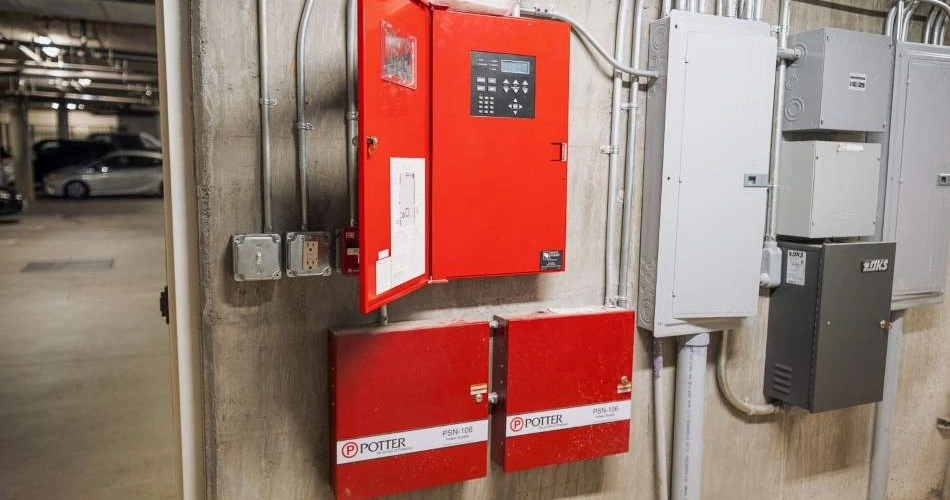
The Role of Fire Alarm Monitoring Centers in Faster Emergency Response
During the quiet moments of night and the hustle of daytime routines, safety is too often taken for granted. Yet when disaster looms, seconds hold immense power. That’s where our Alarm Monitoring Centers come into play, standing as unseen guardians that oversee the lifelines of countless homes, businesses, schools, and healthcare facilities. They do not sleep. They do not blink. And when fire strikes, they act. Their work is invisible to most, but their impact is undeniable accelerating emergency responses, minimizing damage, and saving lives.
This piece takes you on a deep and measured walk through the essential role of fire alarm monitoring centers, illustrating their influence on timely emergency response and shedding light on their often-underappreciated importance.
Understanding the Core: What Do Fire Alarm Monitoring Centers Do?
Fire alarm monitoring centers serve as centralized hubs overseen by trained professionals who receive real-time notifications from fire detection systems. These signals are transmitted directly from properties equipped with fire alarms, smoke detectors, or integrated building systems.
Once an alarm is triggered, the center verifies the alert, ascertains its legitimacy, and promptly notifies local fire departments and emergency responders. This communication is seamless, often taking mere seconds. Unlike traditional fire alarms that rely on audible alerts to warn occupants, monitored systems use telecommunication or internet protocols to summon an external, immediate response whether someone is present or not.
The difference often comes down to clarity and speed. A non-monitored alarm blares into the void. A monitored one reaches human hands trained to react swiftly.
Why Immediate Response Time Matters
Fire, by its very nature, is fast and unforgiving. In as little as 30 seconds, a small flame can turn into a major blaze. At the two-minute mark, it may become deadly. Speed is not just important; it is critical.
Monitored fire alarms eliminate the guesswork and delays linked to human reactions. Without such systems, valuable minutes could pass as bystanders scramble for phones or hesitate out of uncertainty. Alarm monitoring centers do not flinch. Their protocols enable fast triaging of threats and automatic dispatch of help.
Numerous studies suggest that monitored alarms reduce response time by up to 50%. In fire scenarios, that margin can mean the difference between containing damage to a single room or watching an entire building collapse.
How Alarm Monitoring Centers Enhance Communication with First Responders
Behind the scenes, monitoring centers operate as communication hubs between property alarms and emergency services. Trained specialists handle this responsibility with precision, relaying essential details like:
- Exact location of the triggered alarm within a structure
- Type of sensor activated (heat, smoke, flame)
- Historical data on false positives or prior alerts
- Presence of hazardous materials or vulnerable individuals
This streamlining of data prepares firefighters en route, optimizing their gear, route, and entry strategy. Response teams are not arriving blindly they carry information that could save lives from the moment they step off the truck.
In this sense, alarm monitoring centers act not just as messengers, but as tactical allies in emergency response efforts.
The Difference Between DIY Fire Alarms and Professionally Monitored Systems
In today’s smart home era, many opt for do-it-yourself alarm systems. While these systems may have smartphone alerts and loud sirens, their limitation lies in autonomy. A fire notification at 3 a.m., unnoticed due to a phone on silent, becomes a fatal flaw.
| DIY Alarms | Monitored Alarms |
|---|---|
| Relies on user availability | Operates 24/7 with human oversight |
| Limited to notifications only | Actively connects with emergency services |
| Risk of missed alerts | Zero-delay professional relay |
Alarm monitoring centers provide not only responsiveness but also accountability. Trained teams follow verified dispatch protocols, avoiding common pitfalls such as false alarms or delayed reactions.
Industries That Rely Heavily on Alarm Monitoring Centers
From industrial complexes to elementary schools, the value of rapid fire response stretches across sectors. But certain industries face higher stakes than others:
- Hospitals and Senior Care Facilities: Immediate intervention is vital to protect the immobile or medically vulnerable.
- Large Commercial Buildings: Open structures, large footfalls, and complex layouts require more than a shrill bell.
- Warehouses and Manufacturing Plants: The presence of flammable materials and high-voltage equipment elevates every second lost.
- Educational Institutions: The safeguarding of young lives during school hours hinges on a tight, quick response chain.
For these settings, monitored systems offer a structured, dependable safety net that passive systems cannot match.
How Technology Has Advanced Fire Monitoring Efforts
The landscape of fire protection has matured from analog to digital, making today’s Alarm Monitoring Centers more efficient than ever. Here’s how modern tools are redefining response:
Machine Learning & Predictive Analysis: Systems can now detect patterns to predict threats before they escalate.
Cloud-Based Integrations: Cloud technology allows seamless connection between sensors, monitoring centers, and first responders.
Mobile App Synchronization: Real-time updates and visual alerts can now be delivered directly to property managers or assigned safety personnel.
GPS-Enhanced Mapping: Emergency responders can receive pinpoint location data, reducing average arrival time significantly.
This digital environment gives way to a more proactive and synchronized chain of command one backed by data, speed, and human judgment.
What Are the Legal and Insurance Implications?
Many jurisdictions now recognize the role that fire alarm monitoring centers play in upholding public safety. In commercial buildings, local codes may mandate the use of monitored fire systems.
Insurance providers, too, offer reduced premiums for properties equipped with certified monitoring systems. That’s not just because of fewer claims it’s due to the real-world evidence showing that monitored alarms lower risk profiles.
Failure to install a monitored system in required buildings may not only void key portions of insurance policies but also end in legal repercussions following a severe incident.
Activation of such systems is more than a choice it is often a legal and ethical responsibility.
Cost vs. Value: Investing in a Monitoring Partner
Some may balk at the added expense, especially when compared to traditional alarms. However, consider the alternative: tens of thousands in structural damage, months of operational downtime, or, gravely, injury or loss of life.
Benefits of partnering with a reliable monitoring service include:
- Peace of mind from 24/7 oversight
- Reduced legal liability due to regulatory compliance
- Enhanced reputation as a safety-conscious institution
- Lower insurance costs over the long term
The investment is modest when weighed against the return: the preservation of human life, property, and structure.
Choosing the Right Alarm Monitoring Partner
Not all monitoring services are equal. When choosing a partner, credibility and certification matter. Look for centers that are UL-listed and operate under NFPA 72 guidelines, which outline best practices for fire alarm response.
Certified staff, redundant operation centers, and robust IT security are non-negotiables when lives and assets depend on reliability.
A monitoring center must be more than a vendor it should be a dedicated extension of a property’s safety strategy.
FAQ: Quick Answers About Fire Alarm Monitoring Centers
What is a fire alarm monitoring center?
A fire alarm monitoring center is a facility staffed 24/7 to receive and respond to fire alarm signals from connected properties.
How fast do they alert emergency services?
Typically, emergency services are notified within 60 seconds of a verified alarm signal.
Do homeowners need alarm monitoring?
While optional, it provides vital protection when residents are away or unable to respond.
Is monitoring expensive?
The cost is modest, typically ranging between $25 to $75 per month, but offers immense value in emergencies.
Can a monitoring system reduce insurance costs?
Yes, many insurers offer discounts for UL-listed and professionally monitored systems.
Are Alarm Monitoring Centers always active?
Yes, they operate 24/7, including holidays and weekends.
Final Thoughts: Strength in Vigilance
A fire does not ask permission. It does not wait. It consumes. But technology and training, when fused through alarm monitoring centers, create response mechanisms as fast as the threat itself. Choosing to connect your property to this vital network is not just a protective measure it’s a commitment to safety, responsibility, and resilience.
Time to secure your property with a trusted fire alarm monitoring solution. Don’t wait until it’s too late reach out to us today and discover how safety can start with a single connection.