How Consistent Service Programs Strengthen Safety Across Southern California
Southern California stretches across a dynamic landscape of cities, neighborhoods, and rugged terrain. From bustling highways to quiet cul-de-sacs, ensuring public and private safety takes more than caution alone it demands consistency. Our consistent service programs offer structured pathways to long-term safety, reliability, and peace of mind across communities from San Diego to Santa Barbara. At the heart of this effort lies an unwavering commitment to preparedness, inspection, and proactive solutions tailored to each environment’s risks.
In a world where uncertainty often pulses just beneath the surface, dependable service programs become the foundation of well-being. But the impact doesn’t happen overnight. It’s a story of steady work, methodical attention, and purposeful adaptation. Step by step, these programs knit together a safer Southern California for everyone.
The Silent Strength of Consistency in Safety Operations
Reliability is not high drama. It’s quiet, deliberate progress. In safety operations, consistency is the prevailing force behind accident prevention, system reliability, and accountability. Without consistent service protocols, risks go unnoticed, equipment goes unchecked, and conditions quietly deteriorate.
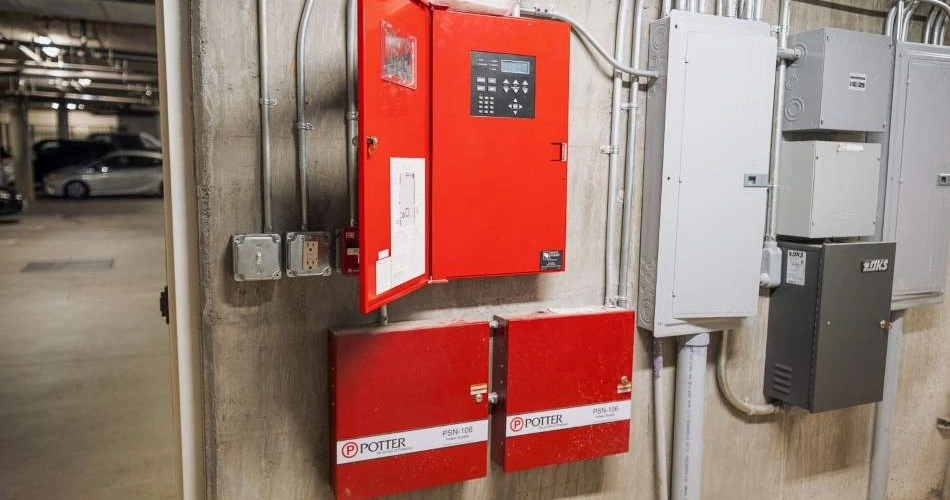
Take a fire prevention system for example. If inspections skip a month here or there, small malfunctions accumulate. Many dangers escalate gradually, invisible at first. Through routine monitoring and planned response strategies, consistent service programs reveal problems before they balloon and solve them while solutions are still simple.
What sets this level of service apart in Southern California is not merely regulatory compliance. It’s dedication and intention. These programs flow in rhythm with each city’s unique requirements, ensuring no neighborhood is left behind, and no service call is left unanswered.
Key Sectors Where Consistent Services Make the Difference
Across Southern California’s expansive region, consistent service programs boost safety in diverse sectors. From residential infrastructures to major commercial hubs, their impact is sweeping and significant. These are the key sectors where that meticulous consistency leaves its deepest impression:
- Public Transportation: Scheduled maintenance and inspections reduce operational setbacks, ensuring safe transit networks in Los Angeles, Anaheim, and beyond.
- Industrial Facilities: Routine audits and hazard control measures eliminate preventable workplace injuries.
- Hospitals and Medical Centers: Clean environments and consistent HVAC maintenance protect vulnerable patients.
- Schools & Educational Institutions: Safe learning requires constant checks on fire alarms, emergency exits, and equipment safety.
- Multi-family Housing Complexes: Tenants rely on ongoing attention to utilities, security systems, and emergency readiness.
Each setting has its priorities, but all benefit from a steady rhythm of service that ensures readiness over reaction.
What Enhances Regional Safety in Southern California?
Southern California is uniquely complex when it comes to safety. Earthquakes, wildfires, urban density, and weather shifts demand tailored and consistent attention. Service programs rooted in local knowledge provide more than technical fixes; they deliver cultural fluency.
Field teams familiar with regional soil stability, local air quality trends, or inland heat conditions can spot and stop potential escalations faster. They know that structures in Riverside face different pressures than Ventura, and that what works in Orange County may not suffice in San Bernardino.
This regional nuance becomes an operational strength. Service programs can align with microclimates and community-specific risk factors, adjusting without compromising their core uniformity. In practice, this creates a regional safety net made from local threads.
The surrounding environment sets the stage, but consistent systems do the lifting keeping families, businesses, and public spaces resilient regardless of what the season or setting brings.
Dual Outcomes: Prevention and Confidence
Prevention
Reliable service schedules help identify wear-and-tear before it becomes a crisis. They ensure building codes are met without exception, that emissions remain within bounds, that circuitry remains uninterrupted. Risks are defused long before they ignite.
- Reduces calls for emergency service
- Minimizes resource waste
- Ensures life-critical systems are operational at all times
Confidence
Psychological safety matters too. Consistent programs instill trust in tenants, employees, and city officials. When service reliability becomes the norm, public anxiety fades and focus returns to thriving, not surviving.
- Improves tenant satisfaction
- Strengthens trust in municipal systems
- Boosts employee morale across serviced structures
Training and Service Integration: Why Personnel Consistency Matters
A good service program is only as effective as the people behind it. Inconsistent staffing erodes protocol, delays assessments, and limits accountability. The right personnel, trained to expect and respond to environmental cues, uphold sanctity in every inspection and fix.
In Southern California, field techs often become familiar faces returning routinely to homes, offices, or schools. They know systems’ histories, local vulnerabilities, and prior service notes by heart. That human familiarity becomes a low-key force of protection, offering eyes that detect out-of-place signs before instruments do.
Moreover, these professionals are trained not only to inspect, but also to integrate actions across platforms. Whether adjusting HVAC airflows or checking CO2 sensors, they ensure systems breathe as one not as siloed islands with partial safety.
Modern Tools Power Consistency with Precision and Transparency
Automation, cloud-based tracking, and real-time diagnostics are reshaping how consistent safety service programs function. These tools do not replace human insight but rather heighten it creating reliable records and predictive patterns long before a critical moment arises.
Southern California municipalities and private systems increasingly rely on dashboards, automated alerts, and mobile inspection reports that ensure compliance and continuity. These technologies empower decision-makers with immediate data about what’s happening, where, and why all without delay or distortion.
- Automatic maintenance scheduling prevents interruptions
- Digital reports track service actions over time
- Sensors catch anomalies quickly reducing human lag
Such tools ground consistent service with accountable transparency. In a landscape shaped by natural risk factors and infrastructure strain, those digital eyes never blink.
The Local Impact: How Consistent Service Builds Community Strength
Safety is always a shared experience. One building’s neglected boiler can ripple into neighboring utilities. One missed inspection in an apartment complex can lead to communal shutdowns. By contrast, coordinated and consistent service cultivates not just safety but unity.
In Southern California, where wildfires and rolling blackouts capture seasonal news cycles, consistent service response can mean the difference between endurance and collapse. Beyond logistics, these programs restore community connection. Neighbors see the same professionals returning. Tenants feel remembered, not forgotten. Cities become living proof that prevention is possible.
These programs do more than create order they reaffirm the right of every resident to live in a place where systems work the first time, and every time. Nowhere is this more vital than in spaces historically underserved, where safety is not always a given.
Is Long-Term Safety Worth the Investment?
Service consistency is not just obligation it’s strategy. The long arc of properly maintained systems creates cost savings, efficiency, and reliability that far outweigh initial investment. Rather than scramble for emergency repairs, municipalities, businesses, and residential owners enjoy steady returns in the form of reduced liability and performance uptime.
A poorly maintained HVAC unit might lead to multiple service calls and health violations. With consistent upkeep, it quietly does its job for years. That’s the pattern across electrical, water, fire, and ventilation systems across the region.
Costs become predictable. Risks become tame. And perhaps most importantly, community trust becomes durable built on patterns, not promises.
Where Southern California Leads, Others Follow
Thanks to its diverse climate zones and sprawling infrastructure, Southern California becomes a proving ground for safety innovation. Consistent service programs tested here often form the foundation for national strategies elsewhere.
Case studies from Los Angeles County facilities show how quarterly inspections reduced emergency interventions by 42%. School districts in Riverside documented a 36% cost savings after implementing structured service intervals. These replicable models validate that consistency doesn’t just work locally it works universally.
Through wide-reaching partnerships and cooperative agencies, safety in Southern California is becoming more than aspiration. It’s becoming expectation.
FAQ: Consistent Service Programs in Southern California
What are consistent service programs?
They are structured maintenance and safety protocols performed regularly to maintain system integrity and reduce risks.
How do these programs help increase safety?
They catch small issues early, ensure code compliance, and reduce downtime or hazards in essential systems.
Are these programs used in residential properties?
Yes. Apartment complexes, condos, and housing developments frequently use consistent programs for security and utilities.
Do consistent services cost more over time?
No. They typically reduce long-term costs by preventing emergency repairs and minimizing breakdowns.
Why is Southern California a focus area?
The region’s risk profile from climate, earthquakes, and density demands high-level preparedness and region-tailored responses.
How often should inspections be done?
That depends on the system, ranging from monthly to annual schedules based on use and regulatory requirements.
What technologies assist in service consistency?
Cloud-based tracking, sensors, automated scheduling, and real-time mobile dashboards improve transparency and efficiency.
Who benefits most from consistent service programs?
Everyone residents, business owners, workers, and city officials all gain peace of mind and reduced exposure to risk.
Are these programs customizable for each property?
Yes. Programs are adapted to fit each site’s systems, risks, and regulatory expectations.
Put Safety into Action Start With Consistency
Across the vast terrain of Southern California, safety doesn’t begin with alarms or fences. It starts with trusted routines and programs that endure. Now is the time to invest in consistency not as a reaction, but a principle. Ready your property, your people, and your systems for the future. Partner with leaders who know your region, and let consistency carry the weight of safety every day, in every season.