
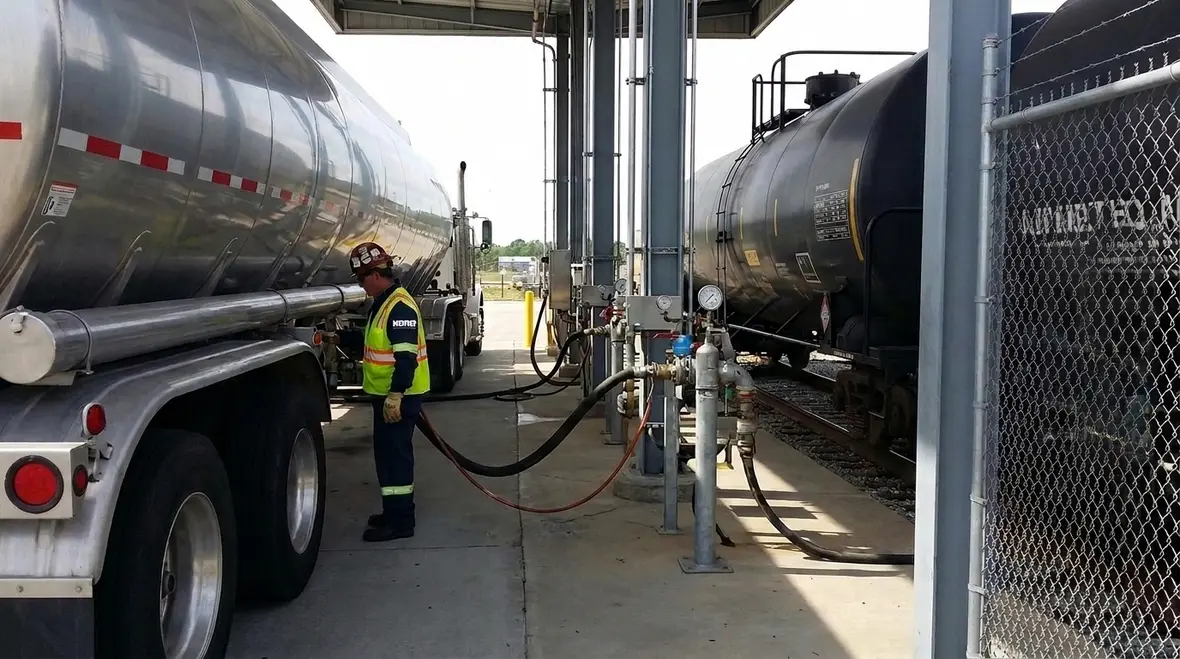
NFPA 35 Section 7.1 Tank Car and Tank Vehicle Unloading and Loading: Compliance Requirements That Reduce Fire Risk
Quick Answer
NFPA 35 Section 7.1 sets requirements for safely unloading and loading tank cars and tank vehicles, focusing on hazard control, ignition prevention, emergency preparedness, and operational safeguards. Facilities must align procedures, equipment condition, inspection practices, and staff training to manage flammable and reactive liquid risks.
If your facility is also reviewing broader bulk transfer safeguards, Kord Fire Protection’s article on bulk loading and unloading facilities under NFPA 30 Section 28.1 offers a helpful companion view for transfer area risk control and audit readiness.
For facilities that need practical fire protection support around inspections, testing, and compliance readiness, Kord Fire Protection provides service across commercial and industrial environments. ([kordfire.com](https://kordfire.com/?utm_source=openai))
Why NFPA 35 Section 7.1 matters for tank car and tank vehicle operations
Commercial fuel handling, chemical distribution, and specialty solvent storage often depend on frequent transfers between bulk transport and onsite tanks. NFPA 35 Section 7.1 tank car vehicle unloading loading requirements are designed to control ignition sources, limit release consequences, and ensure the unloading and loading system operates within the safe envelope defined by the standard.
Most compliance failures do not come from a single missing item. They happen when procedures do not match installed equipment, when inspection and maintenance lag behind operational reality, or when emergency readiness does not align with the actual transfer configuration.
What NFPA 35 Section 7.1 typically requires before unloading begins
1) Site readiness and controlled transfer area
Facilities establish an unloading and loading area that supports hazard control. That includes controlling access, maintaining clear pathways for movement of personnel and equipment, and verifying that the transfer path and connecting hardware can be safely handled without creating additional ignition or mechanical stress points.
Practical compliance challenge: many sites expand docks, reroute traffic, add temporary hoses, or change tank configurations without updating the hazard control map and written procedures. The transfer team ends up working from outdated diagrams instead of current equipment.
2) Pre transfer checks that prevent ignition and uncontrolled releases
Before valves open and product begins moving, Section 7.1 expectations generally align with verification of system integrity and ignition control. This usually includes confirming that equipment is positioned properly, connections are correctly made, and required bonding and grounding controls are applied for the transfer setup.
Common failure points include:
- Incorrect hose or coupling type for the product service, leading to degradation or leakage during flow.
- Missing or damaged bonding straps or clamps that interrupt conductive continuity.
- Worn gaskets or improperly seated fittings that produce slow leaks under pressure.
- Debris or corrosion inside connection points that affects sealing and flow stability.
How facilities manage transfer equipment and connections safely
Hoses, couplings, valves, and elastomer integrity
During unloading and loading, the transfer system becomes the primary barrier against releases. NFPA 35-aligned programs typically require that hoses and couplings remain in safe condition for the service conditions, including chemical compatibility, pressure rating, and physical integrity. Facilities should treat hose inspections as a technical acceptance process, not a visual glance.
Operational best practice:
- Use service-specific hose assemblies where product compatibility is validated.
- Document inspection criteria for wear, abrasion, and end connection conditions.
- Control the storage and handling of hoses to prevent contamination and premature aging.
Bonding and grounding as part of ignition risk reduction
Many flammable and combustible liquid transfers can generate static charge. NFPA 35 tank car vehicle unloading loading requirements align with controlling ignition sources through bonded and grounded transfer setups where applicable. Facilities should verify that bonding connections remain intact, that contact points are clean and secure, and that the bonding path matches the installed configuration.
Commercial reality: dock steel structures often change over time due to welding repairs, equipment replacements, or layout changes. A bonding plan that worked last year can fail today if components are modified or replaced without a conductivity review. For teams evaluating those electrical continuity risks more closely, Kord Electric’s article on NEC hazardous location bonding adds useful context. ([kordelectric.com](https://kordelectric.com/kord-electric-blog/nec-hazardous-location-bonding-why-it-matters-now/?utm_source=openai))
Operational controls: staffing, procedures, and emergency readiness
Written procedures that match the hardware and the product
NFPA 35 Section 7.1 emphasizes operational control. Written procedures should reflect the actual transfer equipment configuration, product properties, and transfer method. The procedures should specify roles, decision points, and the exact steps for connection, transfer start, monitoring, shutdown, and post-transfer disconnection.
High risk gaps frequently found during field reviews include:
- Procedures that reference “typical” dock setups but ignore site specific routing, hose length, and connection points.
- Unclear responsibility for monitoring pressure, flow, and temperature related indicators.
- Emergency steps that do not match the actual shutoff locations and isolation valves present at the facility.
Training, communication, and transfer monitoring
Transfer teams need consistent training on hazard recognition and safe conduct of operations. Monitoring requirements should cover the transfer period, including early detection of leaks, abnormal flow conditions, or equipment behavior changes.
Facilities should require pre-task briefings that verify product identity, transfer plan, and emergency contacts. This becomes critical when contract carriers arrive with varying unloading configurations.
Emergency planning and the realities of a dock incident
Emergency readiness must consider the dock environment: confined spacing, vehicle movement, time to isolate product, and the practical constraints of responding from the correct staging locations.
Practical compliance alignment includes verifying that emergency communications, spill response supplies, and ignition control measures are available and compatible with the products being transferred. Routine drills should reflect the facility’s actual transfer steps and shutoff sequence.
Inspection and maintenance programs that prevent recurring failures
Verification of equipment condition and readiness
NFPA 35-aligned tank car and tank vehicle operations should not rely on time-based assumptions alone. Inspection and maintenance should be risk-informed and tied to operational stressors such as pressure cycles, transport vibration effects, weather exposure, and product corrosivity.
A strong program typically includes:
- Pre use inspection of hoses, couplings, and valves.
- Scheduled inspection intervals based on service conditions and manufacturer recommendations.
- Maintenance records that document corrective actions and component replacements.
Managing changes without breaking compliance
Change control is often where compliance breaks down. Equipment replacement, hose upgrades, new dock layouts, and vendor changes can alter grounding points, hose routing, or isolation paths. Facilities should ensure that updates to procedures, drawings, and training materials occur alongside equipment changes.
For ongoing support, Kord Fire Protection helps commercial and industrial facilities maintain consistent compliance through inspection support, testing readiness, and documentation practices designed for audit resilience. ([kordfire.com](https://kordfire.com/?utm_source=openai))
Auditable compliance checklist for NFPA 35 Section 7.1 readiness
Use this practical checklist to strengthen internal reviews and field verification for NFPA 35 tank car vehicle unloading loading requirements:
- Written unloading and loading procedures match the onsite hardware and transfer method.
- Dock access control, signage, and traffic coordination support safe operations during transfer.
- Bonding and grounding connections are verified before transfer and maintained in good condition.
- Hoses, couplings, and valves are inspected for compatibility, integrity, and correct pressure service.
- Transfer monitoring steps are assigned and documented during operations.
- Emergency response steps reflect actual isolation valves, shutoff locations, and staging routes.
- Training records cover product awareness, transfer tasks, and emergency actions.
- Inspection and maintenance records document corrective actions and component replacements.
- Change control ensures procedures and training update with hardware and layout changes.
Frequently Asked Questions
Get dock transfer compliance support before the next audit
Review your current tank car and tank vehicle unloading and loading procedures, inspection records, and bonding and grounding readiness against NFPA 35 expectations. Then close gaps with a maintenance and verification plan your team can execute every transfer day. Contact Kord Fire Protection to schedule a compliance focused review and build a maintenance and documentation approach that holds up under real dock conditions.

Join Our Newsletter!
Get the latest fire safety tips delivered straight to your inbox From our Newsletter.



