
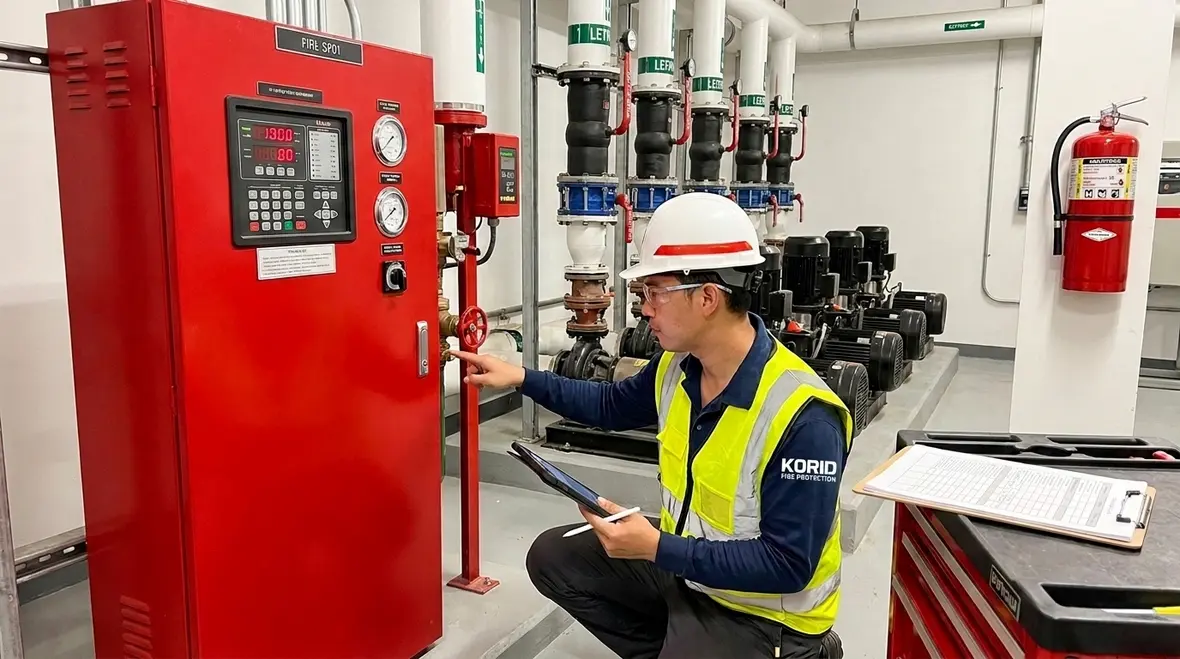
NFPA 34 Section 10.1 Scope: Operations and Maintenance
Quick Answer: NFPA 34 Section 10.1 establishes the minimum expectations for operational readiness and ongoing maintenance of fire protection systems and safeguards in facilities that handle or use combustible materials and processes. It emphasizes routine inspections, testing, corrective actions, documentation, and personnel responsibilities.
If your team is building a broader compliance workflow, ITM fire protection inspection, testing, and maintenance is a useful companion topic because it connects the daily reality of inspections and documentation to long-term fire protection readiness.
What does NFPA 34 Section 10.1 cover in practice?
Facilities often treat “operations and maintenance” as a checklist item, but NFPA 34 Section 10.1 is designed to keep hazards controlled over time, not just at initial installation. The NFPA 34 operations maintenance chapter scope focuses on ensuring that protective features remain functional, dependable, and compliant throughout the equipment life cycle.
In commercial, industrial, and retail settings, this becomes a practical management system: documented procedures, scheduled inspections, performance-based testing where applicable, and prompt correction of deficiencies that could degrade protection. The goal is continuous readiness of fire prevention and protective measures aligned with the facility’s risk profile and operating conditions.
Why Section 10.1 matters more than initial code compliance
Many compliance failures occur long after turnover. Equipment changes, operational adjustments, deferred maintenance, and incidental damage can quietly reduce system effectiveness. Section 10.1 addresses that reality by requiring organizations to treat maintenance and operational control as an ongoing obligation.
Key operational compliance challenges
- Work practice drift: Staff may operate equipment differently than the documented procedure, affecting ignition control, ventilation, segregation, or maintenance access.
- Physical degradation: Valves, fittings, detection devices, and actuating components can deteriorate due to vibration, corrosion, temperature cycling, or chemical exposure.
- Changes in process conditions: Production rate increases, altered storage arrangements, or new materials can create new fire behavior or operational load.
- Documentation gaps: Incomplete inspection records often fail audits even when repairs occurred.
For these reasons, the NFPA 34 operations maintenance chapter scope should be implemented as a repeatable compliance process, not a once-per-year activity.
Core expectations under NFPA 34 operations and maintenance
Section 10.1 aligns operational practices with maintainable fire protection performance. While the specific “what” depends on the systems and hazards present, the “how” consistently follows structured control measures.
1) Establish and follow written operational procedures
Organizations should maintain current procedures that reflect how equipment is started, monitored, shut down, and maintained. Operational procedures typically include responsibilities, frequency of checks, and conditions that trigger escalation or shutdown.
Commercial facilities frequently struggle when multiple shifts interpret “normal operations” differently. A robust operational procedure includes clear criteria for when to stop operations, when to notify supervision, and how to document deviations.
2) Perform inspection and testing to confirm readiness
NFPA 34 Section 10.1 expects inspections and tests that verify the condition and operational capability of protective features. In practice, this means confirming equipment status, verifying that protective components are installed and unobstructed, and identifying early signs of impairment.
Common failure points include blocked or isolated components, disconnected interlocks, degraded wiring, worn mechanical parts, and control panel faults that do not get addressed quickly.
3) Correct deficiencies promptly and document actions
Deficiencies should not remain “open” simply because operations can still run. A compliant approach ties corrective action priority to hazard severity and system impact, with documented follow through.
From an audit standpoint, documentation should show what was observed, what action was taken, when it was completed, and how the correction returned the system to required capability.
4) Maintain records that support compliance and defensibility
Maintenance records serve two purposes: operational continuity and evidence during inspections. A strong program links inspection findings to work orders, repair verification, and any updates to procedures.
How to operationalize Section 10.1 in commercial facilities
To meet NFPA 34 Section 10.1 expectations, facilities need practical internal controls. The following implementation steps reflect how compliance programs perform in real operating environments.
Build a maintenance plan that matches facility risk
Start with an inventory of relevant protective features and safeguards. Then map inspection and testing tasks to those assets, including frequency, acceptance criteria, and escalation thresholds. This alignment helps prevent the two most common issues: under-maintenance of critical components and over-maintenance of low-risk items.
Define roles for operations, maintenance, and supervision
Section 10.1 is not only an engineering responsibility. Operations personnel often serve as the first line of detection for abnormal conditions. Maintenance teams must have the authority and resources to correct issues quickly.
Clear job roles reduce delays caused by unclear ownership of faults and reduce the risk of repeating the same failure because root cause analysis is not performed.
Control changes to processes and protective equipment
Change management connects operations and maintenance. When materials, loading patterns, ventilation approach, or storage layout changes, the facility should re-evaluate protective readiness. Even small alterations can affect detection coverage, response effectiveness, or obstruction risk.
Train staff and verify competence during routine operations
Training should cover normal operation, common abnormalities, reporting expectations, and safe responses. Competence verification matters when multiple shifts operate equipment with different staffing levels and experience.
Common failure modes that trigger noncompliance
Auditors and fire safety professionals typically see recurring themes tied to the operations and maintenance obligation. Identifying these issues early reduces downtime, improves safety, and lowers enforcement risk.
1) Missed or incomplete inspections
Even when equipment remains functional, missing documentation or skipping parts of an inspection can create a compliance gap. Incomplete checklists often fail to verify critical states such as accessibility, integrity, and readiness.
2) Deferred corrective actions
Deficiencies that affect protective capability require timely correction. A common pattern is “monitoring” instead of repair, which extends the window of risk.
3) Obstructions and degraded installation condition
In operational spaces, storage expansion and housekeeping issues can block access or hinder performance. Damaged signage, blocked pathways, and impaired component visibility also complicate inspections.
4) Equipment control and interlock issues
Control devices, alarms, and interlocks can fail due to wiring issues, loose connections, or unintended bypassing during troubleshooting. These failures may not be obvious unless testing verifies response behavior.
Working with Kord Fire Protection to maintain compliance
Commercial facilities need more than generic maintenance recommendations. Kord Fire Protection supports ongoing compliance through structured inspection, testing, and maintenance coordination that aligns with the intent behind NFPA 34 Section 10.1. This reduces operational disruption while improving defensibility during inspections.
For facilities that need practical guidance on maintaining readiness, Kord Fire Protection can help establish repeatable processes, documentation practices, and maintenance schedules that fit day to day operations. To explore related services, visit full fire protection services.
Frequently Asked Questions
Conclusion and call to action
Ensure your facility treats NFPA 34 Section 10.1 as an operational system, not a seasonal task. Review your current inspection and corrective action workflow, confirm responsibilities across operations and maintenance, and validate that documentation supports the readiness of protective measures. For a structured compliance approach and practical testing and maintenance support, contact Kord Fire Protection to align your program with NFPA 34 expectations and reduce ongoing risk.

Join Our Newsletter!
Get the latest fire safety tips delivered straight to your inbox From our Newsletter.



