NFPA 30 Section 17.2: Applicability of Processing Facility Rules
Quick Answer
NFPA 30 Section 17.2 defines when a processing facility must follow specific processing rules based on the nature of operations, the presence of flammable and combustible liquid hazards, and how materials are handled. Facilities must confirm applicability early and document compliance through maintenance and inspection.
What NFPA 30 Section 17.2 actually determines
NFPA 30 Section 17.2 applicability processing facilities focuses on scope. It clarifies which facilities and operations fall under the processing facility rule set, rather than treating every location that contains liquids the same way. For commercial, industrial, and retail operators, this matters because the compliance workload changes significantly depending on whether the facility is considered to be processing operations under NFPA 30.
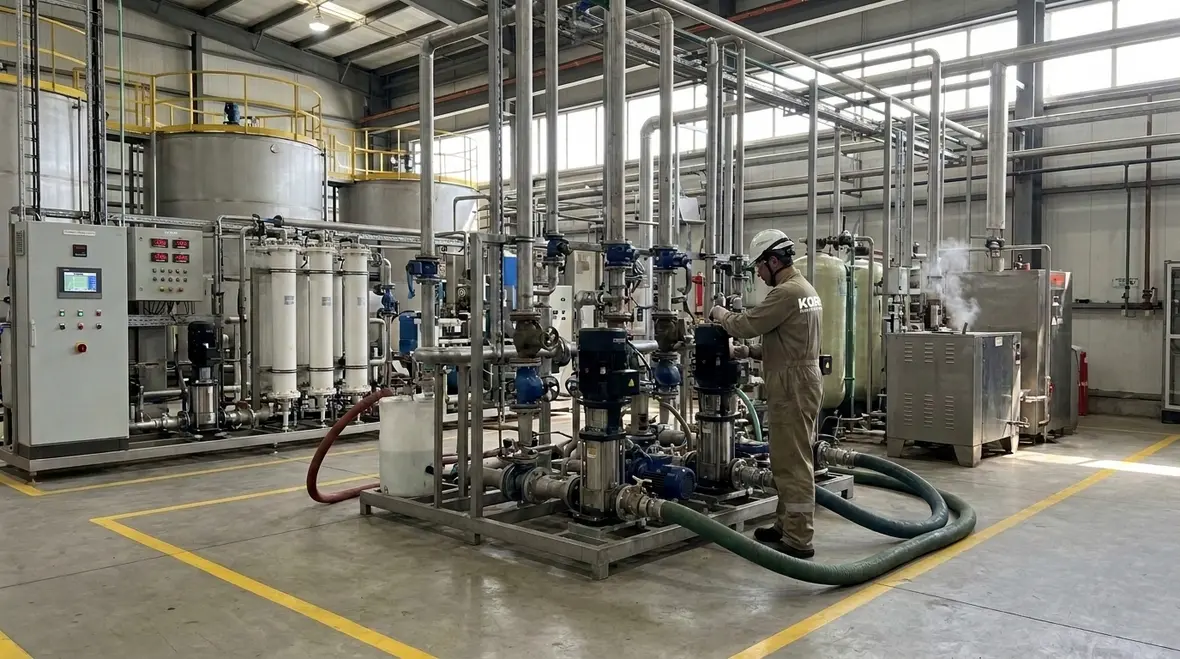
In practice, the biggest risk is assuming “we have flammable liquid storage, so we are automatically under processing rules.” Many enforcement actions begin when facility documentation does not match the operation reality, such as transfer, blending, heating, filtration, distillation, or other steps that create processing conditions.
If your team is also tightening up broader inspection and maintenance responsibilities, Kord Fire Protection’s fire protection services in Southern California page gives a practical overview of how code-focused support, repairs, inspections, and documentation can fit into one service plan.
When do processing facility rules apply?
Section 17.2 evaluates applicability by tying rules to processing operations and the hazards created by those operations. The “processing” concept generally expands when the facility performs activities that change the liquid condition, composition, or state, or when the operation increases release potential through more complex handling.
Common operation patterns that trigger processing scrutiny
- Transfer plus active handling:
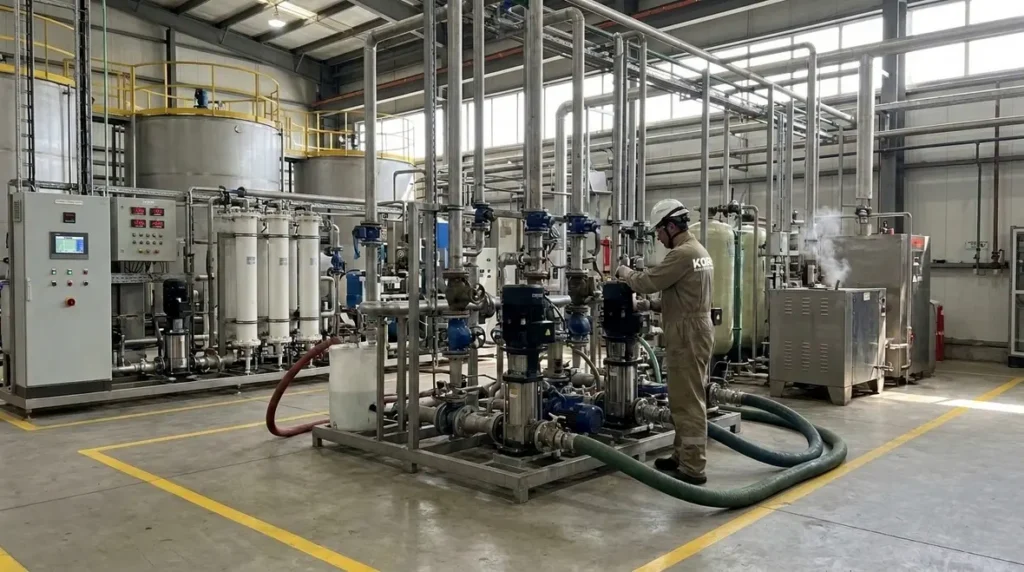
pumping, metering, hose or manifold connection management, and recirculation that increases the number of release points.
- Heating, cooling, or temperature control:
any thermal control that affects vapor pressure, flash points, or evaporation rates.
- Blending, batching, or formulation:
mixing components in a way that creates additional ignition and exposure risks.
- Filtration, polishing, or cleaning systems:
operations that introduce maintenance intervals, pressure changes, and gasket or seal failure risk.
- Handling systems with valves, pumps, and bulk piping:
complex piping layouts raise likelihood of leaks at flanges, unions, fittings, and flexible connectors.
Operational documentation that frequently fails during audits
- Process descriptions that are too generic:
the safety file must reflect what happens during normal operations, not only what happens occasionally.
- Outdated equipment lists:
pumps, filters, heaters, and tanks changed during upgrades without updating the compliance basis.
- Training gaps:
employees can perform steps correctly but lack documented knowledge of hazard controls tied to processing rules.
- Maintenance records that do not match safety intent:
inspection frequency, filter change intervals, seal replacement triggers, and spill response readiness may not align with risk.
What facilities must do once processing rules apply
When NFPA 30 Section 17.2 applicability processing facilities is confirmed for a site, the facility’s compliance obligations shift from storage centric controls to processing operation controls. The key objective stays consistent: limit ignition sources, manage flammable vapors, prevent leaks, and ensure containment and mitigation can work under real conditions.
Key operational controls typically emphasized
- Leak prevention and detection:
emphasis on seals, hose conditions, gasket integrity, and the quick recognition of abnormal flow or pressure.
- Equipment suitability:
correct rated components for flammable liquid service, including pumps, motors, and electrical equipment where required.
- Control of static electricity:
grounding and bonding practices during transfers and connections, especially where hoses or flexible sections are used.
- Ventilation and vapor management:
maintaining engineered boundaries that reduce vapor accumulation near process equipment.
- Emergency readiness:
spill response actions that connect to the actual process sequence and access paths.
Common failure points in real facilities
- Hose and connection wear:
damage and stiffening create slow leaks that become larger during pressure changes.
- Uncontrolled maintenance states:
bypasses or temporary connection setups that are not covered by the documented hazard controls.
- Gasket and seal degradation:
seals may “hold” during routine checks but fail under temperature cycling or extended pumping.
- Inadequate housekeeping near process equipment:
residue and absorbents can block drainage paths or conceal early leakage.
Inspection, testing, and maintenance that keep applicability defensible
Applicability is not just a one time decision. A processing facility must maintain evidence that its hazard controls continue to function as intended. Inspectors and fire officials typically look for consistency between the written process basis, equipment condition, and inspection cadence.
Practical inspection cadence examples
- Before operations:
verification of bonding and grounding setups, visible hose integrity, and confirmation that valves are in the correct positions for normal flow paths.
- Routine walkdowns:
monitoring gaskets, flanges, pump seals, filter housings, and any areas where residue indicates repeated seepage.
- Planned maintenance windows:
documented intervals for replacement of seals, inspection of flexible connectors, and calibration or functional checks of any monitoring systems.
How maintenance records support enforcement
Well maintained records show that the facility operated within the risk assumptions of NFPA 30. Records should include what was inspected, the acceptance criteria, who performed the work, and what corrective actions were taken. This is especially important for commercial and industrial facilities where equipment substitutions and contractor work can change system behavior.
Kord Fire Protection supports ongoing compliance through site focused inspection planning, documentation control, and maintenance coordination to help commercial operators maintain defensible NFPA 30 conformance over time.
How to apply Section 17.2 to commercial, industrial, and retail sites
Different facility types tend to experience different compliance pressures. The goal is the same: confirm whether NFPA 30 processing facility rules apply to the actual processing activities carried out at the site.
Industrial processing environments
Industrial sites often have the clearest process engineering documentation, but they also undergo frequent upgrades. The compliance challenge is keeping the fire safety basis aligned with new pumps, filtration skids, piping modifications, and temporary bypasses during turnaround work.
Commercial and retail locations
Retail sites may have smaller footprint systems, but the hazard controls still depend on the operation sequence. Facilities can underestimate processing conditions when they include blending, refilling, repackaging, or heating steps that increase release potential.
Multi tenant and contractor heavy sites
Shared infrastructure complicates attribution of responsibility. A defensible approach requires clear boundaries for who owns each process hazard control, who inspects it, and how contractor work permits maintain the integrity of the control strategy.
For additional context on how NFPA 30 regulates flammable liquids across operations and systems, use this resource: how NFPA 30 regulates flammable liquids.
Build a defensible compliance file with a fire protection partner
Section 17.2 applicability processing facilities decisions should be supported by a documented review of the actual operations, not only by equipment count or storage capacity. Many operators benefit from a structured review that captures process steps, identifies processing hazard contributors, and connects them to inspection and maintenance responsibilities.
Kord Fire Protection works with facilities to translate NFPA 30 expectations into practical, operational checklists and maintenance schedules. That approach helps reduce uncertainty during inspections, supports consistent compliance outcomes, and lowers the chance of missed controls caused by equipment changes or contractor activity.
For site specific guidance in Australia, Kord Fire Protection information is also available through kordfire.com.au.
Frequently Asked Questions
Next step: confirm applicability, then lock in maintenance
Section 17.2 requires more than a quick read of the rule text. A reliable approach reviews real processing steps, verifies the hazard control basis, and aligns inspections and maintenance to the current equipment configuration. Contact Kord Fire Protection to validate NFPA 30 Section 17.2 applicability processing facilities for your site, build an audit ready compliance file, and establish practical ongoing inspection and maintenance support.

Join Our Newsletter!
Get the latest fire safety tips delivered straight to your inbox From our Newsletter.