
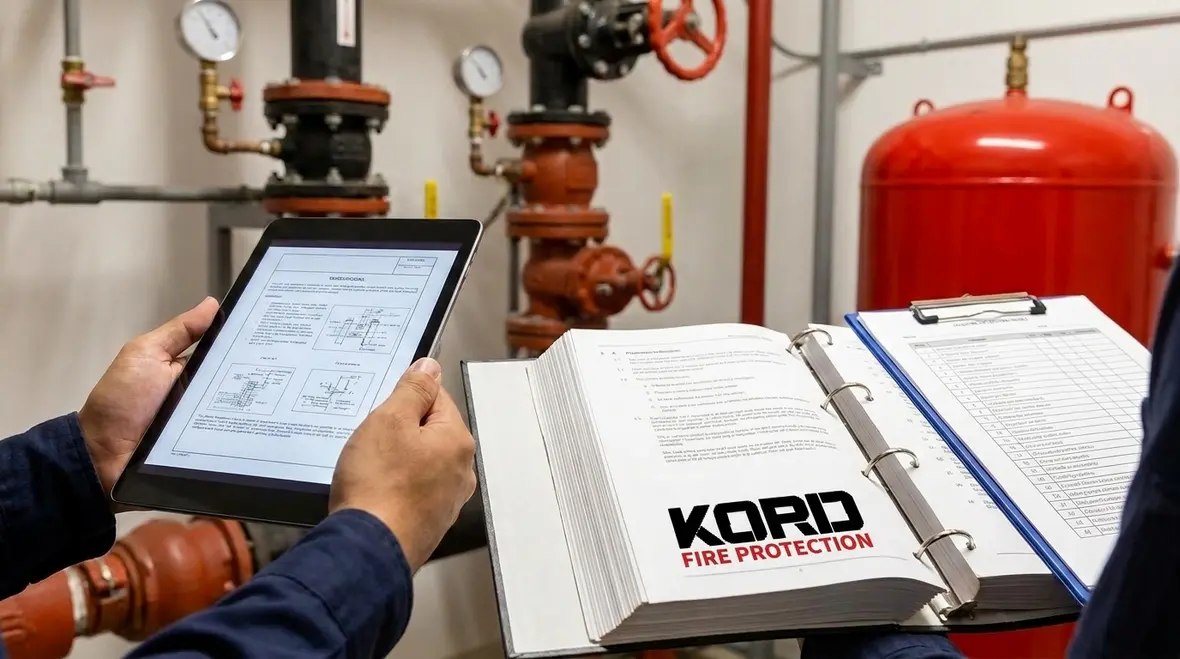
NFPA 18A Section 2.1: How Referenced Publications Work in the Water Additive Standard
Quick Answer: NFPA 18A Section 2.1 ties the water additive standard to other published standards, documents, and references. These referenced publications define technical criteria, test methods, component performance, and labeling expectations. Compliance means using the correct editions and applying them where NFPA 18A requires.
What “Referenced Publications” Means in NFPA 18A
NFPA 18A references external publications to avoid duplicating technical rules that already exist in recognized standards. In practice, the “NFPA 18A referenced publications overview” is about two things: (1) identifying which outside documents the standard incorporates and (2) applying those incorporated requirements correctly in the real world of water additive systems, maintenance, and inspection. This matters most in commercial facilities where downtime, recurring inspections, and documentation integrity drive operational risk.
When Section 2.1 incorporates a referenced publication, that external document becomes part of the technical compliance path. The facility cannot treat it as optional background reading. If the referenced standard specifies an acceptance test, a qualification requirement, or an inspection interval, the facility must align its procedures, records, and product selections to that requirement.
If your team is tightening procedures across multiple systems, a broader fire protection services plan in Southern California can help connect inspections, testing, repairs, and documentation before little compliance gaps turn into expensive déjà vu.
Where Section 2.1 Fits Into Water Additive Compliance
Section 2.1 does not describe the water additive system mechanisms directly. Instead, it governs how additional rule sets enter the NFPA 18A framework. This is a compliance control point because it affects engineering decisions and field maintenance practices. The most common operational implications include:
Specification alignment: Equipment selection, product listings, and component compatibility must match the criteria established by the referenced documents.
Testing and verification: Acceptance checks and periodic tests often require procedures that originate in the referenced standards.
Documentation and audit readiness: Inspection records must show that the referenced criteria were applied to the installed system.
Change management: Updates to referenced editions may trigger procedural revisions, even when the facility still follows the same NFPA 18A language.
How Referenced Publications Are Incorporated and Applied
NFPA 18A Section 2.1 establishes a hierarchy: NFPA 18A governs the structure and intent, while referenced publications supply detailed technical requirements where NFPA 18A points to them. Commercial compliance teams typically operationalize this by translating each referenced requirement into a facility procedure and a measurable verification step.
1) Correct edition control is not optional
The biggest failure point is edition drift. Facilities sometimes follow an older test method or an updated catalog instruction without verifying whether the NFPA 18A referenced publication edition still matches the adopted requirement. In practice, this can lead to:
Incorrect sampling methods for solution properties or additive performance
Inconsistent labeling or documentation formats during commissioning or re inspection
Maintenance personnel using outdated procedure sheets or vendor instructions
A disciplined document control process resolves these risks. Assign a standards owner, maintain a controlled index of referenced publications, and tie the edition to the facility’s installed configuration and maintenance plan.
2) The referenced criteria become enforceable in the field
Referenced publications typically define what “acceptable” looks like for components and processes. For water additive systems, that can include performance expectations, verification steps, and qualification requirements for materials and delivery methods. During inspections, the authority having jurisdiction and facility auditors often look for evidence that the field team executed the referenced procedure correctly.
That means you should treat each referenced item as a checkable control in your inspection and testing workflow, not as a theoretical standard statement.
3) Procedural translation into maintenance work orders
Referenced publications often include steps that require specific equipment, sampling technique, calibration intervals, and recordkeeping. Facilities commonly miss details when converting standards to work orders. A strong workflow connects:
The referenced procedure steps
The tools used and their calibration status
The acceptance criteria and required measurements
The documentation required at completion
These links reduce human error and improve audit defensibility, especially in multi site retail, warehouse, and mixed occupancy portfolios.
Common Compliance Challenges in Commercial Facilities
NFPA 18A referenced publication requirements create real maintenance and documentation challenges, particularly in facilities that rely on rotating vendor techs or internal teams with limited fire protection depth.
Challenge: “Vendor instruction” vs “referenced standard”
Vendor documentation often provides manufacturer specific guidance. It does not always map one to one with the referenced publication test method or acceptance criteria. When staff follow vendor steps without confirming alignment to the referenced publication, the facility can fail verification even if the system appears operational.
Challenge: Inspection records that do not reference the technical basis
Many facilities log that “testing was completed” without capturing the referenced standard name, edition, or acceptance results. This becomes a problem during plan review, insurance underwriting, or AHJ discussions. A compliant record set should show: what procedure was used, what criteria were applied, and who verified results.
Challenge: Calibration and measurement traceability gaps
Referenced publications may depend on measurements that require calibration and repeatability. If calibration records are missing or expired, the facility often must re test and reschedule, increasing downtime and cost. Maintenance planners should align calibration windows with the most demanding referenced procedure timelines.
Challenge: Inconsistent training across shifts
When teams rotate or outsource, training consistency drops. Water additive work includes sampling, handling, measurement, and record completion tasks where small deviations can become meaningful. Facilities should create role based SOPs that explicitly reference the standards workflow used under Section 2.1.
How Kord Fire Protection Supports Ongoing Section 2.1 Compliance
To keep commercial systems audit ready, facilities need more than a one time inspection. Kord Fire Protection helps teams operationalize NFPA 18A referenced publications into repeatable field procedures, verification activities, and documentation practices. This supports compliance across commercial, industrial, and retail environments where inspection cycles and maintenance handoffs create risk.
For broader guidance on navigating code and guideline requirements in day to day operations, see NFPA codes and guidelines solutions for fire protection and life safety. The approach aligns referenced publication requirements with implementable service workflows that reduce rework.
Standards alignment: Review how NFPA 18A points to external requirements and ensure your facility procedures match the correct technical basis.
Test readiness: Support verification steps with documentation controls and measurement planning that align with referenced criteria.
Maintenance defensibility: Create an inspection record set that reflects the referenced publication requirements used during testing.
Frequently Asked Questions
Next Steps
Confirm your facility’s controlled index of NFPA 18A referenced publications, map each referenced requirement into a measurable maintenance step, and validate documentation against the correct editions. If your portfolio spans multiple sites or relies on rotating service teams, Kord Fire Protection can help tighten inspection readiness and reduce rework. Contact Kord Fire Protection to assess your current water additive compliance workflow and align it with Section 2.1 expectations.

Join Our Newsletter!
Get the latest fire safety tips delivered straight to your inbox From our Newsletter.



