NFPA 1 Section 11.1 Electrical Fire Safety for AU Sites
Quick Answer
NFPA 1 Section 11.1 sets the baseline for electrical fire safety by requiring safe wiring, proper equipment use, and regular inspection of fire risks tied to electrical systems. For industrial, retail, and commercial sites across Australia, it helps reduce shutdowns, protect staff, and keep critical assets in service. Kord Fire Protection can support compliance with practical fire safety solutions.
Electrical fires rarely arrive with drama. They build quietly, often through loose connections, worn cables, overloaded circuits, or poor maintenance. That is why electrical fire safety NFPA guidance matters so much for facilities that run hard every day. NFPA 1 Section 11.1 lays out a clear electrical fire prevention code mindset, and it supports wiring fire safety requirements that help businesses lower risk before trouble starts. For industrial plants, retail sites, warehouses, and commercial buildings across Australia, this is not just a rulebook. It is a shield. And like any good shield, it works best before the sparks start auditioning for a disaster movie.
For sites trying to connect electrical risk controls with a broader protection plan, Australia fire protection for compliance and readiness fits naturally into the conversation. It helps frame how electrical hazards sit inside a larger fire safety strategy instead of floating around as their own annoying little emergency waiting to happen.
What NFPA 1 Section 11.1 Means for Busy Facilities
NFPA 1 Section 11.1 focuses on preventing electrical hazards that can lead to fire, shock, or equipment failure. It expects electrical systems to stay in safe condition and to be installed, used, and maintained correctly. In practice, this means a facility should treat every panel, cable run, outlet, and connected device as part of a fire risk plan.
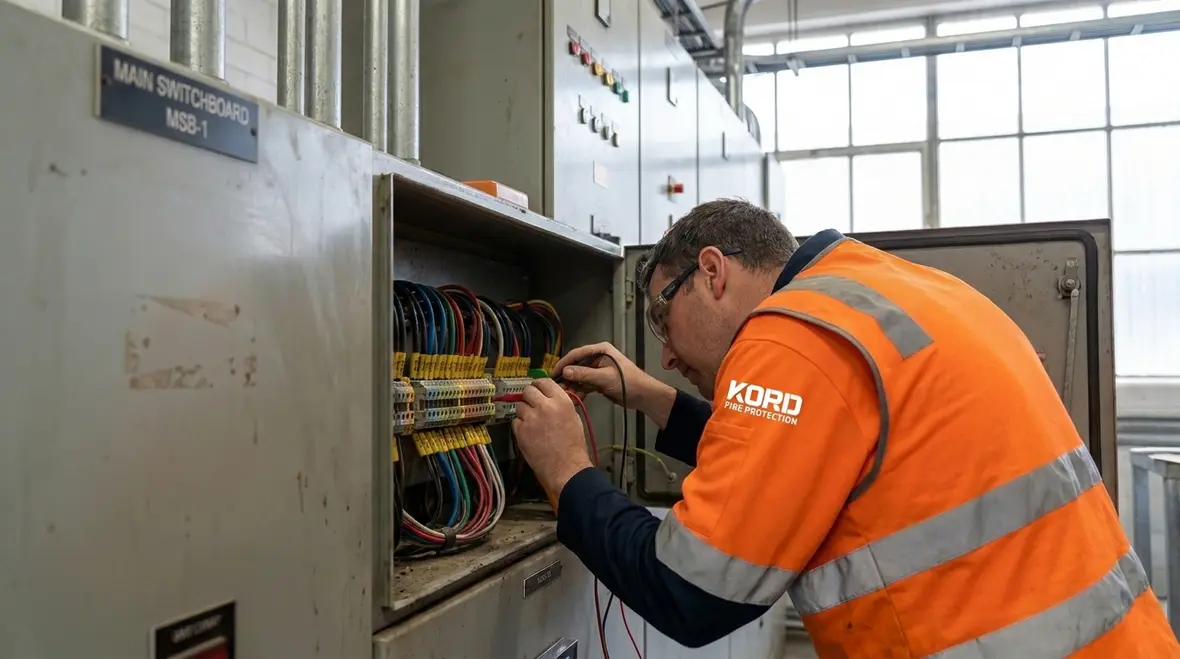
For large sites, this section matters because electrical loads change over time. New machinery, extra refrigeration, digital systems, charging stations, and temporary equipment can all strain a system. As a result, a once safe setup can become risky if no one checks it. That is where strong electrical fire prevention code compliance becomes part of everyday operations, not just a box to tick during audit season.
Why this matters more as sites evolve
A facility is never as static as its original drawings would like everyone to believe. Operations expand, layouts change, equipment gets swapped, and power needs creep upward one practical decision at a time. That slow drift is exactly why electrical fire safety cannot stay trapped in an installation date from years ago. Section 11.1 is valuable because it keeps attention on the present condition of the system, not just the memory of when it was first approved.
How Electrical Fire Risks Start in Commercial and Industrial Spaces
Electrical fires often begin with small failures that go unnoticed. A loose terminal can arc. A damaged cord can overheat. Dust or debris can build near live equipment. Soon after, heat rises, insulation breaks down, and fire can follow.
In busy commercial and industrial settings, the main causes usually include:
- Overloaded circuits and power boards
- Damaged or aging wiring
- Poorly maintained switchboards and panels
- Faulty equipment connection points
- Blocked ventilation around electrical gear
- Unapproved changes to wiring or power use
These risks do not always look dramatic. In fact, they often look boring. That is the problem. The most dangerous faults are usually the ones that keep working until the day they do not.
The quiet troublemakers behind ignition
Heat, friction, contamination, and poor connections are not flashy villains, but they are reliable ones. If gear is enclosed, rarely opened, or parked in an area nobody wants to clean, defects can sit and age in peace. That is why teams should pay attention not only to obvious damage but also to conditions that invite gradual breakdown.
Wiring Fire Safety Requirements That Matter on Site
Wiring fire safety requirements under NFPA 1 Section 11.1 call for a system that is installed correctly and kept in safe working order. For facilities, that means wiring should match the load, stay protected from damage, and remain accessible for inspection and repair.
Key expectations often include:
- Correct wire sizing for the actual electrical load
- Protection from heat, moisture, vibration, and physical damage
- Secure connections inside panels and control gear
- Clear labeling for easier checks and maintenance
- Regular testing and inspection by qualified people
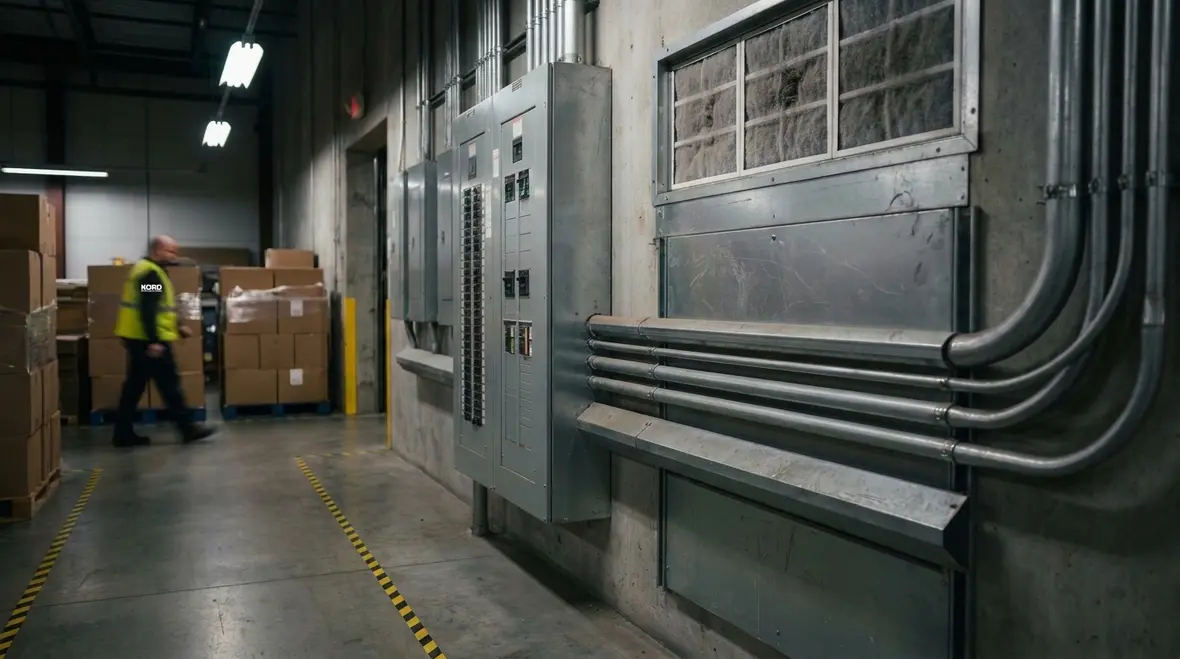
In addition, any temporary power setup should follow the same level of care as permanent systems. A short term cable that gets ignored can become a long term problem. The fire code does not give points for creative shortcuts, no matter how confident someone sounds while saying, “It should be fine.”
Good wiring habits are operational habits
The strongest sites do not treat wiring safety like a specialist issue that only appears when something trips or smokes. They build it into shutdown planning, contractor control, equipment moves, and maintenance signoff. Once wiring integrity becomes part of ordinary decision making, the entire site gets more stable and much less likely to discover a hidden fault at the worst possible moment.
NFPA 1 Section 11.1 in a Dual View
The table below shows how the standard translates into practical action for facilities.
| Compliance focus | Fire risk result |
|---|---|
| Keep wiring, panels, and connected equipment in safe condition through planned inspection and repair. | Lower chance of overheating, arcing, and electrical ignition across the site. |
| Match equipment use with system capacity and avoid overloading circuits. | Reduced heat buildup and less stress on cables, breakers, and switchboards. |
| Maintain clear access to electrical gear and keep areas free from clutter and dust. | Faster inspections, safer servicing, and fewer hidden ignition points. |
Why Ongoing Inspection Beats Emergency Repair
Emergency repairs cost more, take longer, and usually arrive at the worst possible time. Therefore, regular inspection is one of the smartest ways to support electrical fire safety NFPA goals. A planned program helps teams spot wear before it becomes failure.
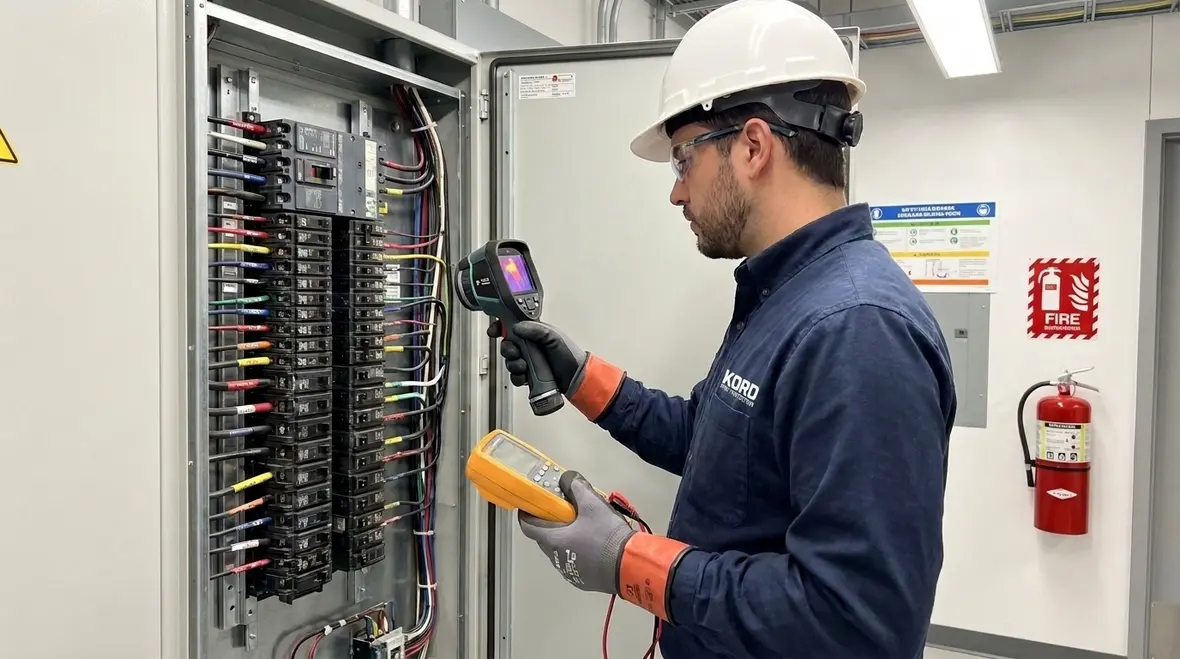
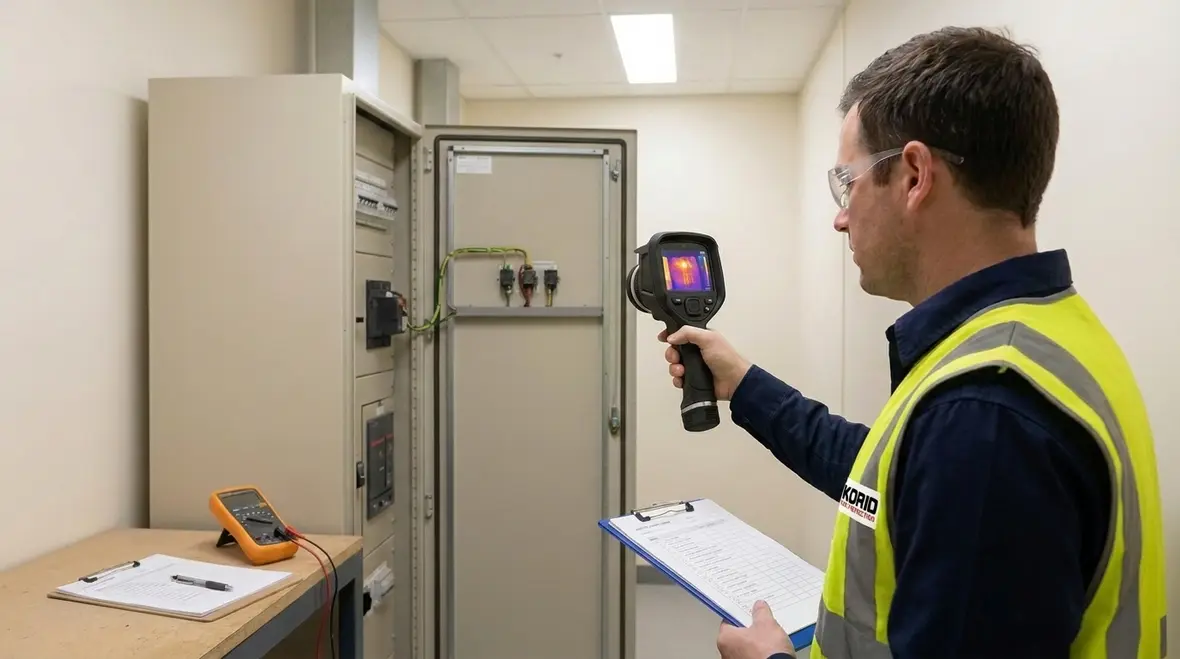
For example, thermal checks can reveal hot spots in panels. Visual inspections can catch cracked insulation or damaged plugs. Testing can show whether breakers and protection devices still work as intended. In turn, this reduces shutdown risk and protects production, stock, and people.
Across retail and commercial sites, inspection also helps avoid trading hours lost to avoidable faults. Across industrial facilities, it can protect critical uptime and expensive equipment. Nobody enjoys a surprise outage, especially not one that smells faintly like melted plastic and regret.
Inspection creates options before failure creates panic
When a fault is found early, teams usually get choices. They can schedule repairs, source parts properly, communicate impacts, and fix the issue without chaos. Once failure happens first, those options disappear. The site shifts from prevention to reaction, and reaction is always noisier, pricier, and more disruptive than anyone hoped.
How Kord Fire Protection Supports Electrical Fire Safety
Kord Fire Protection can become a vital partner by helping facilities turn code language into practical action. While NFPA 1 Section 11.1 defines the safety direction, Kord Fire Protection can support the work needed to keep systems ready, compliant, and easier to manage.
That support may include coordinated fire safety services that align with site needs, electrical risk awareness, inspection planning, and clear maintenance support. For busy Australian facilities, this kind of partnership helps bridge the gap between regulation and daily operations. As a result, teams can focus on running the site while fire safety stays under control.
When electrical systems are part of a broader fire protection plan, the result is stronger resilience. In other words, the building gets less drama, and the business gets more peace of mind. That is a trade worth making. For extra context on code strategy, facilities can also review NFPA 1: A Comprehensive Guide to Fire Prevention and Safety and connect the bigger compliance picture back to site level action.
What Facilities Should Do Next
Any industrial, retail, or commercial site should start with a review of its current electrical condition, maintenance records, and fire risk controls. Then, it should compare those findings with the expectations in the electrical fire prevention code and wiring fire safety requirements. After that, it should correct issues, assign responsibility, and build a regular inspection rhythm.
Just as important, leaders should make sure electrical safety does not live in a file no one opens. It should live in daily habits, scheduled checks, and clear accountability. That is how compliance becomes real.
FAQ
Conclusion
NFPA 1 Section 11.1 gives facilities a clear path to safer electrical systems, fewer fire risks, and better long term reliability. For industrial, retail, and commercial sites across Australia, the next step is simple. Review the system, close the gaps, and bring in Kord Fire Protection to help strengthen compliance and protect operations before a small fault becomes a costly fire.

Join Our Newsletter!
Get the latest fire safety tips delivered straight to your inbox From our Newsletter.