NFPA 1900 Section 27.2 Crew Compartment for Wildland Fire Apparatus
Quick Answer: NFPA 1900 Section 27.2 focuses on the crew compartment for wildland fire apparatus, setting expectations for safe seating, access, restraint, and protection during transport and response. For crews operating in rough country and tight timelines, these requirements help reduce risk. Kord Fire Protection can support this work with compliant solutions, guidance, and service that keep fleets ready.
Wildland response demands more than a tough truck and a brave crew. It calls for a well built crew compartment, one that supports the wildland crew carrier NFPA 1906 requirements from the first roll out to the last return to base. NFPA 1900 Section 27.2 places real weight on how personnel ride, sit, enter, exit, and stay protected while the vehicle moves through harsh ground. For industrial, commercial, and facility operators across Australia, that matters because safe crew transport is not just a fire service issue. It is a business continuity issue, a safety issue, and frankly, a common sense issue.
Near the top of any planning conversation, it also helps to think about broader fleet and site readiness. Kord Fire Protection’s Australia fire protection for compliance and readiness approach fits naturally here because crew transport does not operate in a vacuum. Vehicles, people, documentation, maintenance timing, and system support all need to pull in the same direction if response capability is supposed to hold together when the pressure rises.
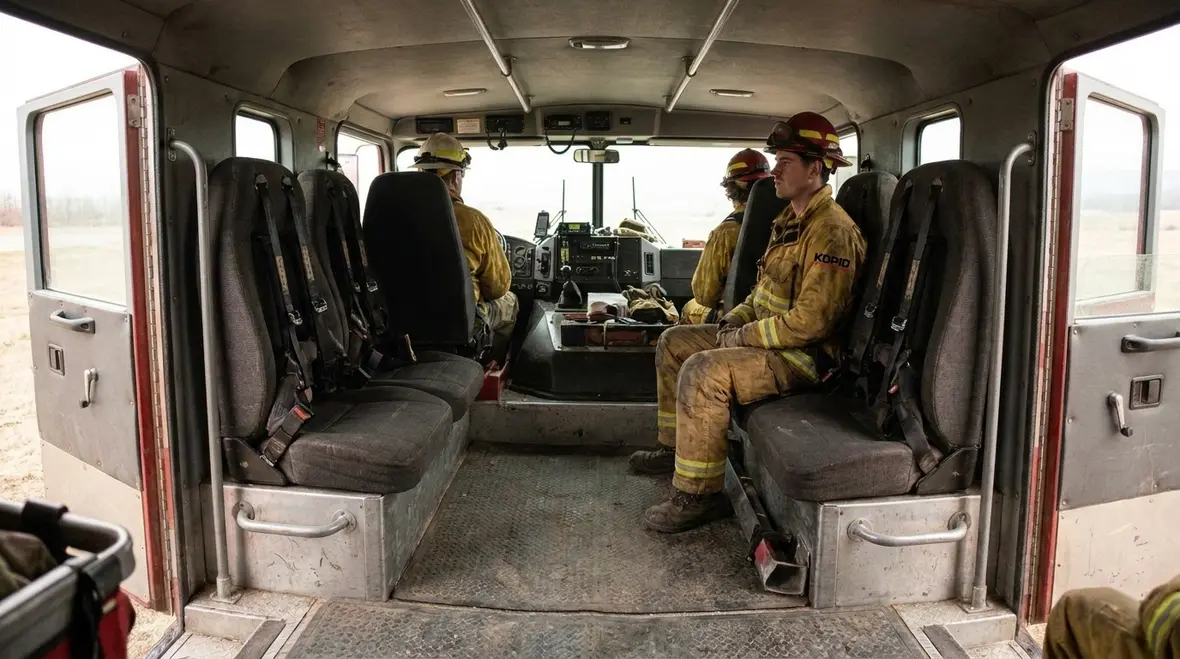
What NFPA 1900 Section 27.2 Covers
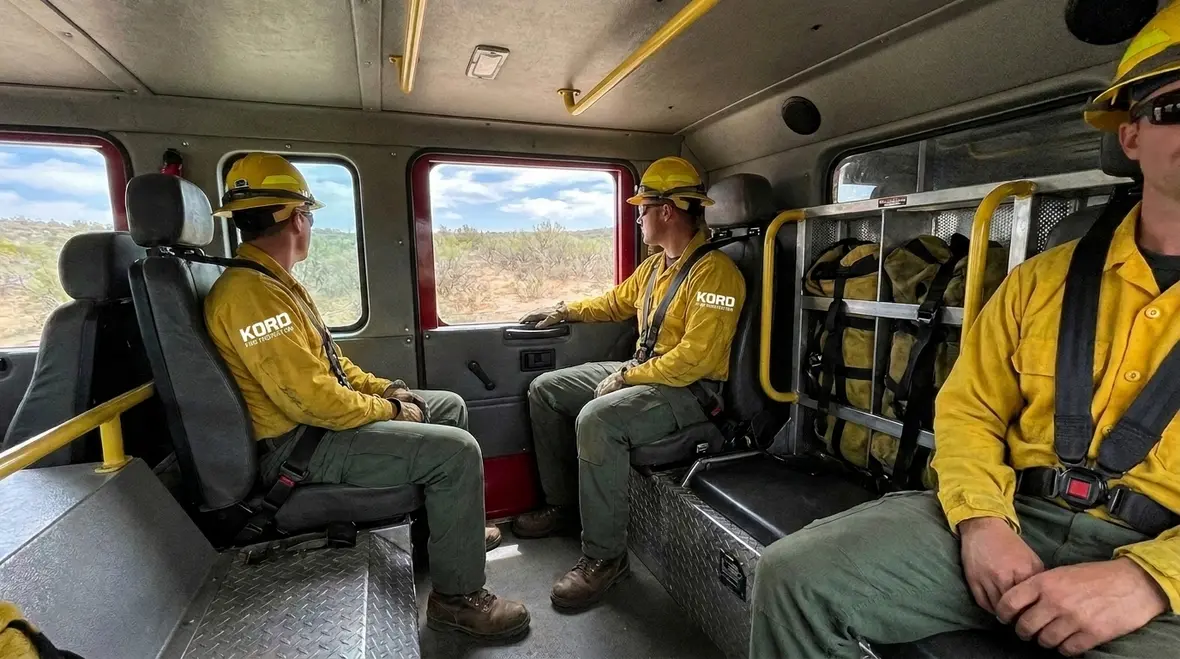
NFPA 1900 Section 27.2 centers on the crew compartment inside wildland fire apparatus. It expects the compartment to support safe transport, fast access, and reliable restraint for every rider. In practice, that means the crew area must protect people from sudden movement, rough terrain, and the kind of impacts that make coffee leave the cup and dignity leave the cab.
The rule set also connects closely with the wildland crew carrier NFPA 1906 requirements, since both aim to keep crews secure while moving into wildfire zones, asset protection sites, and remote response areas. Therefore, the compartment must do more than hold people. It must help them stay ready, seated, and able to respond fast when the job turns serious.
More than seats and seat belts
This section matters because the compartment is a working environment in motion. It influences crew posture, awareness, communication, and readiness before anyone even steps onto the fireground. A well arranged interior makes it easier to board, buckle in, travel securely, and dismount without wasting precious seconds. A sloppy one creates friction, confusion, and preventable risk. Nobody signs up for wildland duty hoping the biggest hazard of the day is the inside of the truck.
Why the Crew Compartment Matters in Wildland Response
Wildland crews often travel across unsealed roads, steep tracks, and uneven sites. As a result, the crew compartment becomes a safety system, not just a seating area. A weak design can lead to injury, delayed response, or poor crew focus. A strong design, however, supports safe arrival and fast deployment.
This matters especially for industrial sites, logistics hubs, remote facilities, and large commercial properties in Australia that face bushfire risk. When a crew arrives under pressure, the apparatus should help them act, not slow them down. That is why the wildland crew carrier NFPA 1906 requirements remain so useful as a planning guide.
A reliable crew compartment also supports the human side of response. Rough travel already taxes attention, balance, and communication. If riders are cramped, poorly restrained, or forced to work around awkward access points, fatigue shows up before the real job even starts. On the other hand, when the compartment supports secure travel and sensible movement, crews arrive with more focus and less wear and tear. That is not flashy, but it is exactly the kind of boring advantage that pays off during chaotic moments.
Key Design Points for Safe Crew Transport
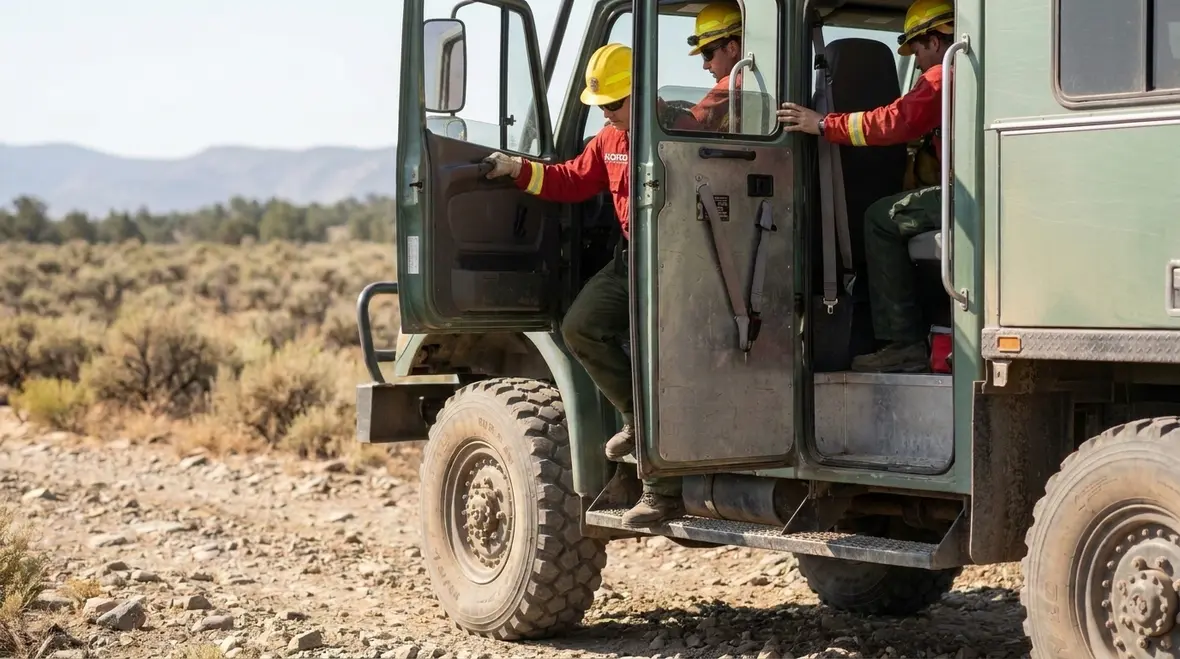
NFPA 1900 Section 27.2 places attention on several practical design details. These details help keep the crew secure and make the vehicle easier to use under stress.
| Design Point | Why It Matters |
|---|---|
| Seating layout | Helps each rider stay positioned safely during travel |
| Seat belts and restraint systems | Reduces injury risk during sudden stops or rough ground travel |
| Entry and exit access | Supports quick movement when time is short and terrain is poor |
| Interior space and clear movement paths | Improves crew comfort and response speed |
In addition, operators should look at how gear storage affects the ride. Loose equipment can become a hazard. So, smart compartment design helps the crew stay focused instead of playing a very unfun game of flying toolbox dodgeball.
Questions hidden inside the design details
Good design usually reveals itself in the little things. Can riders enter and exit without awkward climbing or twisting? Can restraints be used quickly and correctly every time? Is there enough space to move without snagging gear or blocking another rider? Does the layout support communication during travel, or does everyone end up packed in like stressed sardines with radios? These details sound small until a vehicle is moving over rough ground at speed. Then they become very large, very fast.
For buyers and spec writers, this is where comparison work gets serious. A brochure can promise durability all day long, but compartment usability tells the truth. Safe transport depends on a design that makes the right action the easy action. That includes consistent seating positions, dependable restraint access, clean movement paths, and storage that does not turn routine bumps into impact hazards.
How Compliance Supports Industrial and Commercial Operations
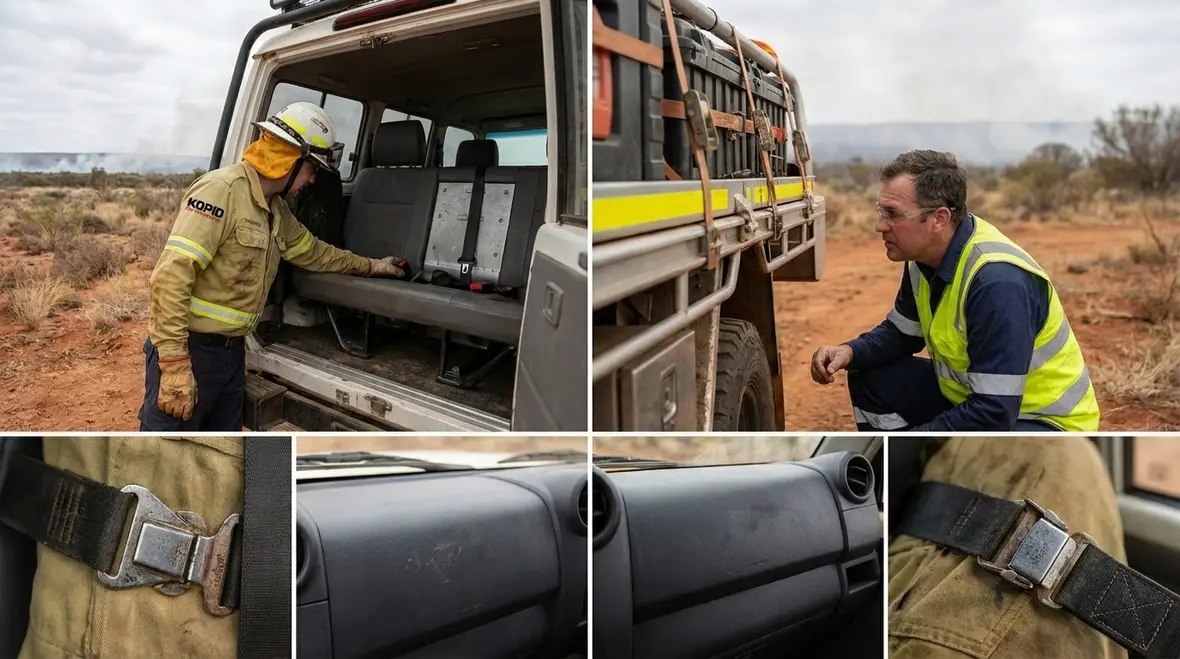
For industrial and commercial sites, a compliant crew compartment helps protect people and assets. It supports emergency readiness, reduces vehicle related risk, and improves confidence during bushfire season. Moreover, it creates a clearer standard for procurement teams, safety managers, and fleet leaders who need to compare vehicles and equipment with less guesswork.
The wildland crew carrier NFPA 1906 requirements can also help guide internal policy. They offer a practical base for fleet inspection, replacement planning, and upgrade decisions. Therefore, compliance is not just about checking a box. It helps create a safer and more dependable response system.
That broader compliance mindset lines up well with Kord Fire Protection’s NFPA 1900 standard resource, which helps connect apparatus specific topics to the larger expectations surrounding modern fire apparatus planning and readiness. For many organisations, that wider context is useful because it turns isolated purchasing decisions into a more consistent safety strategy.
There is also an operational benefit that does not always show up in procurement spreadsheets. When crews trust the compartment they ride in, they can focus on conditions, communication, and deployment instead of bracing for every rut and rebound. That confidence supports performance. It also supports accountability, since leadership can point to a clear standard when defining expectations for vehicle selection, maintenance, and ongoing readiness.
How Kord Fire Protection Can Help
Kord Fire Protection can become a vital partner in this service and job by helping teams select, maintain, and support wildland apparatus that align with safety needs and operational goals. That support can make a major difference when crews need dependable equipment in tough conditions.
- Guidance on wildland apparatus suitability
- Support for crew safety and equipment readiness
- Selection help for compliant fire protection solutions
- Service planning that keeps vehicles ready for deployment
- Long term support for operational reliability
In short, Kord Fire Protection helps bridge the gap between standards on paper and performance in the field. That is where the real value lives.
This kind of support becomes especially useful when organisations are balancing response expectations with maintenance reality. A vehicle may look capable on delivery day, but readiness is proven over time through inspection, service planning, documentation, and practical follow through. In other words, compliance is not a one time handshake. It is an ongoing relationship between standards, equipment, and the people responsible for both.
What Buyers and Fleet Managers Should Ask
Before purchasing or upgrading a wildland crew carrier, decision makers should ask direct questions. First, does the crew compartment support safe transport in rough terrain? Second, does the seating and restraint layout support the wildland crew carrier NFPA 1906 requirements? Third, can the vehicle support daily use, maintenance, and field conditions across Australian worksites?
These questions matter because a fire apparatus should serve the mission, not create extra risk. Also, when the crew rides well, they work well. That is not poetry. That is operations.
A practical checklist mindset
It helps to think beyond a yes or no answer and push into specifics. Ask how riders access each seat, how restraints are positioned, how storage is secured, and how the layout performs on rough tracks rather than smooth sales floor pavement. Ask what maintenance support looks like after handover. Ask whether the design helps crews move efficiently while wearing gear. When those answers are clear, buyers can make decisions based on function instead of optimism, and optimism is a terrible suspension system.
FAQ
Final Takeaway for Safer Wildland Readiness
NFPA 1900 Section 27.2 gives wildland response teams a clearer path to safer crew transport. For Australian industrial and commercial operations, that means better planning, better protection, and better readiness. Kord Fire Protection can help teams turn those requirements into practical action, so the crew compartment supports the mission from start to finish.
When the road gets rough, the right partner keeps the journey steady. And in wildland work, steady is not boring. Steady is exactly what keeps people safer, response sharper, and operations ready when conditions decide to get dramatic for everyone’s convenience.

Join Our Newsletter!
Get the latest fire safety tips delivered straight to your inbox From our Newsletter.